The phrase "Anne Hathaway falling in the spotlight" refers to the intense period of public backlash, colloquially known as "Hathahate," which began around 2013. This cultural phenomenon saw the Oscar-winning actress transition from a beloved star to a target of internet vitriol, primarily due to her perceived "over-eagerness" and "theatricality." By 2026, this narrative has shifted entirely, with Hathaway now celebrated as a resilient industry titan and fashion icon.
For over two decades, Anne Hathaway has been a permanent fixture in the Hollywood landscape. However, her journey has not been a linear ascent. Instead, it serves as one of the most documented cases of a celebrity "falling" out of public favor—not because of a scandal or a crime, but because of a collective shift in social media sentiment. Understanding how Hathaway navigated this "fall" and engineered one of the most successful image rehabilitations in entertainment history provides a fascinating look at the intersection of gender, fame, and the digital age.
The Anatomy of the "Fall": Defining the Hathahate Era
The "falling" of Anne Hathaway in the eyes of the public didn't happen overnight; it was a slow-burn accumulation of small moments that eventually ignited during the 2013 awards season. To understand the depth of this backlash, one must look back at the cultural climate of the early 2010s.
The 2011 Oscars Hosting Debacle
Many cultural critics trace the beginning of the friction to the 83rd Academy Awards in 2011. Hathaway was paired with James Franco to host the ceremony, a move intended to attract a younger demographic. While Franco appeared detached and bored, Hathaway overcompensated with high energy and multiple costume changes. The resulting chemistry was widely panned, and Hathaway was unfairly blamed for "trying too hard," a critique that would become the cornerstone of the hate she would face for the next several years.
The 2013 Awards Circuit and Les Misérables
The "fall" reached its zenith during the promotion and awards sweep for Les Misérables. Hathaway’s performance as Fantine was critically acclaimed and earned her the Academy Award for Best Supporting Actress. However, her acceptance speeches and press interviews were picked up by the burgeoning "outrage economy" of social media.
Users on platforms like Twitter (now X) and Tumblr began to dissect her every word, labeling her as "insincere," "scripted," and "too perfect." The infamous "It came true" opening line of her Oscar speech became a lightning rod for criticism. In a culture that, at the time, valued "relatability" (often personified by the "cool girl" persona of peers like Jennifer Lawrence), Hathaway’s earnest, theater-kid energy was treated as an unforgivable flaw.
The Socio-Cultural Mechanics of the Backlash
Why did a talented, scandal-free actress become the internet’s favorite punching bag? The "falling" of Anne Hathaway was less about her actions and more about what she represented in a specific moment of internet history.
The "Tall Poppy" Syndrome
The "Tall Poppy Syndrome" is a social phenomenon where people of high status are resented, attacked, or cut down because they have been classified as superior to their peers. In 2013, Hathaway was the "tallest poppy." She had just starred in The Dark Knight Rises, won an Oscar for Les Misérables, and was seemingly everywhere. The public’s reaction was a classic case of collective fatigue coupled with a desire to see a "perfect" figure stumble.
Gendered Double Standards
In retrospect, and certainly from the vantage point of 2026, the Hathahate era is now widely viewed through the lens of institutionalized misogyny. Male actors who are intensely prepared, "method," or earnest in their craft are often heralded as "dedicated." When Hathaway displayed the same level of professional intensity, she was labeled "annoying." The spotlight didn't just find her; it scrutinized her in a way that her male counterparts rarely experienced.
The Relatability Trap
During the early 2010s, celebrity branding shifted toward the "relatable star"—someone who ate pizza on the red carpet or tripped up the stairs. Hathaway’s polished, poised, and articulate nature ran counter to this trend. By not performing "clumsiness" or "casualness," she was perceived as being out of touch, contributing to the narrative of her "falling" from the pedestal of public affection.
Navigating the Spotlight: The Strategy of Withdrawal
How does a global star handle being the most hated person on the internet? Hathaway’s response to her "fall" was a masterclass in public relations: she stepped back.
Between 2015 and 2019, Hathaway became more selective with her public appearances. She didn't stop working—starring in films like The Intern (2015) and Ocean's 8 (2018)—but she retreated from the constant cycle of high-stakes awards campaigning. This period of "strategic quiet" allowed the internet's collective anger to dissipate.
| Feature | The "Hathahate" Era (2011–2015) | The Redemption Era (2020–2026) |
|---|---|---|
| Public Sentiment | Highly critical, "annoying" label | Respectful, "legend" status |
| Media Narrative | "Trying too hard," insincere | Authentic, resilient, professional |
| Fashion Strategy | Classic Hollywood, safe choices | Experimental, high-fashion icon (Versace) |
| Social Media Role | Target of memes and vitriol | Viral fashion moments, Gen Z favorite |
| Career Focus | Prestige drama, awards bait | Diverse roles, romantic leads, legacy projects |
The 2020s Renaissance: Rising from the Backlash
The narrative of "Anne Hathaway falling" began to reverse in the early 2020s. This wasn't accidental; it was the result of a cultural shift and a brilliant re-branding effort that emphasized her talent and her status as a fashion powerhouse.
The Fashion Transformation
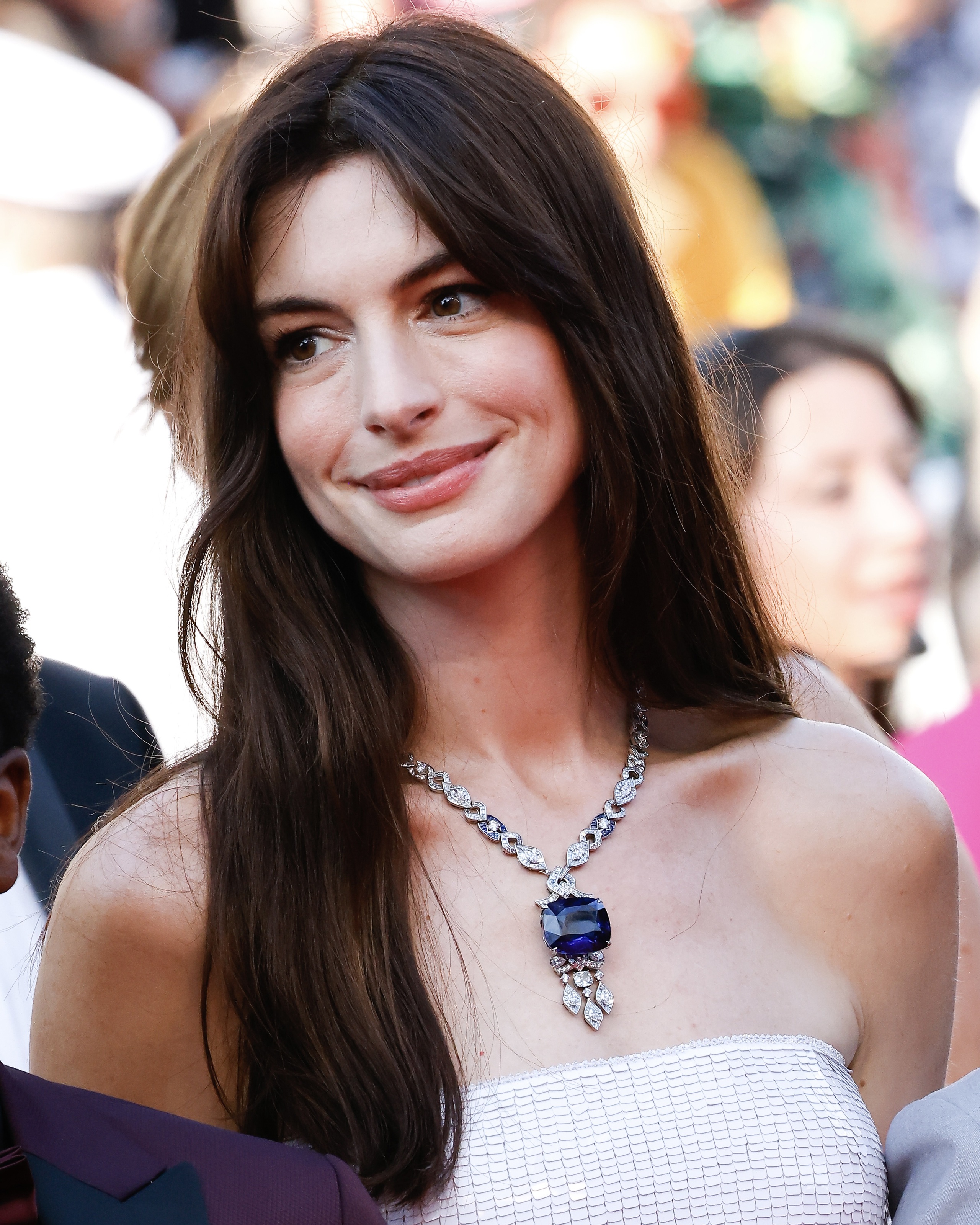
One of the most significant factors in Hathaway’s return to the spotlight's good graces was her partnership with stylist Erin Walsh. Starting around 2022, Hathaway’s appearances at events like the Cannes Film Festival and the Valentino show in Rome became viral sensations. She embraced bold colors, "Gen Z" aesthetics, and high-octane glamour. By leaning into the "theatricality" that people once hated, she reclaimed it as a strength. In 2026, she is considered one of the most influential fashion icons in the world, frequently fronting campaigns for brands like Versace and Bulgari.
Nostalgia and Gen Z Re-evaluation
As the generation that grew up with The Princess Diaries and The Devil Wears Prada reached adulthood, a wave of nostalgia swept through social media. Gen Z, in particular, rejected the "Hathahate" of the previous generation, viewing it as a symptom of early 2010s "cringe culture" and misogyny. They didn't see an "annoying" actress; they saw a talented woman who had been bullied for being good at her job.
The Idea of You and the Romantic Lead
The 2024 release of The Idea of You served as a pivotal moment in her career trajectory. Playing a 40-year-old woman in a romance with a younger pop star, Hathaway tapped into a new demographic. The film's success proved that she remained a bankable, charismatic lead who could headline streaming hits and theatrical releases alike. By the time we reached 2026, her "fall" was no longer a current event but a historical footnote used to illustrate the fickleness of fame.
Current Status in 2026: A Legacy Established
As of 2026, Anne Hathaway’s position in the spotlight is more secure than ever. She has successfully transitioned from "young starlet" to "prestige veteran." Her recent projects, including rumored sequels to her most iconic early works and high-concept indie dramas, show an actress who is no longer afraid of the spotlight's glare.
The lessons learned from her period of public "falling" have shaped how celebrities manage their digital footprints today. Hathaway’s journey taught the industry that public backlash is often a temporary storm that can be outlasted with grace, silence, and eventually, a triumphant return on one's own terms.
Key Factors in Her 2026 Success:
- Creative Diversification: Balancing blockbuster appeal with artistically challenging roles.
- Authentic Advocacy: Using her platform for the UN and various social causes without the "scripted" feel of earlier years.
- Embracing the Meme: Hathaway has shown a self-deprecating sense of humor about her past, which has humanized her in the eyes of former critics.
FAQ: Understanding the Hathaway Phenomenon
Why was Anne Hathaway hated in 2013?
The backlash, known as "Hathahate," was primarily driven by a perception that she was "insincere" or "over-rehearsed" during her 2013 awards sweep for Les Misérables. Critics and social media users found her "theater-kid energy" to be at odds with the "relatable" celebrity trend of that era.
How did Anne Hathaway respond to the "Hathahate" era?
Hathaway largely took the high road, choosing to step back from the intense public spotlight for several years. In later interviews, she acknowledged that the hate was "embarrassing" and "painful," but she focused on her work and waited for the cultural tide to turn.
What role did fashion play in her career comeback?
Fashion was a critical tool for Hathaway’s image rehabilitation. By collaborating with top stylists and embracing high-fashion, experimental looks (most notably her 2022-2024 "Versace era"), she transformed from a scrutinized actress into a celebrated style icon, garnering a new generation of fans.
Is Anne Hathaway still considered a "diva"?
In 2026, the "diva" label has almost entirely vanished from the discourse surrounding Hathaway. She is now widely cited by co-stars and directors as a consummate professional. The previous labels are now generally viewed as products of the gendered media climate of the 2010s.
What are some of Anne Hathaway's most successful movies after her "fall"?
Following her period of backlash, Hathaway found success in films like The Intern, Ocean's 8, Armageddon Time, and the 2024 hit The Idea of You. These roles showcased her range and helped solidify her comeback.
Final Recommendations: Navigating Public Perception
For those looking at "Anne Hathaway falling in the spotlight" as a case study in reputation management, the takeaway is clear: authenticity eventually outlasts trends. Hathaway’s "fall" was caused by a public that demanded a specific type of relatability she didn't naturally possess. Her "rise" occurred when she stopped trying to fit that mold and instead leaned into her true identity—an earnest, highly skilled, and glamorous artist.
For professionals and public figures facing similar scrutiny, the Hathaway model suggests three steps:
- De-escalate: Don't feed the cycle of outrage with defensive statements.
- Pivot: Find a new medium or niche (like Hathaway did with high fashion) to redefine your visual and professional narrative.
- Perform: Consistency in your core craft (acting, in her case) is the ultimate defense against reputational "falls."