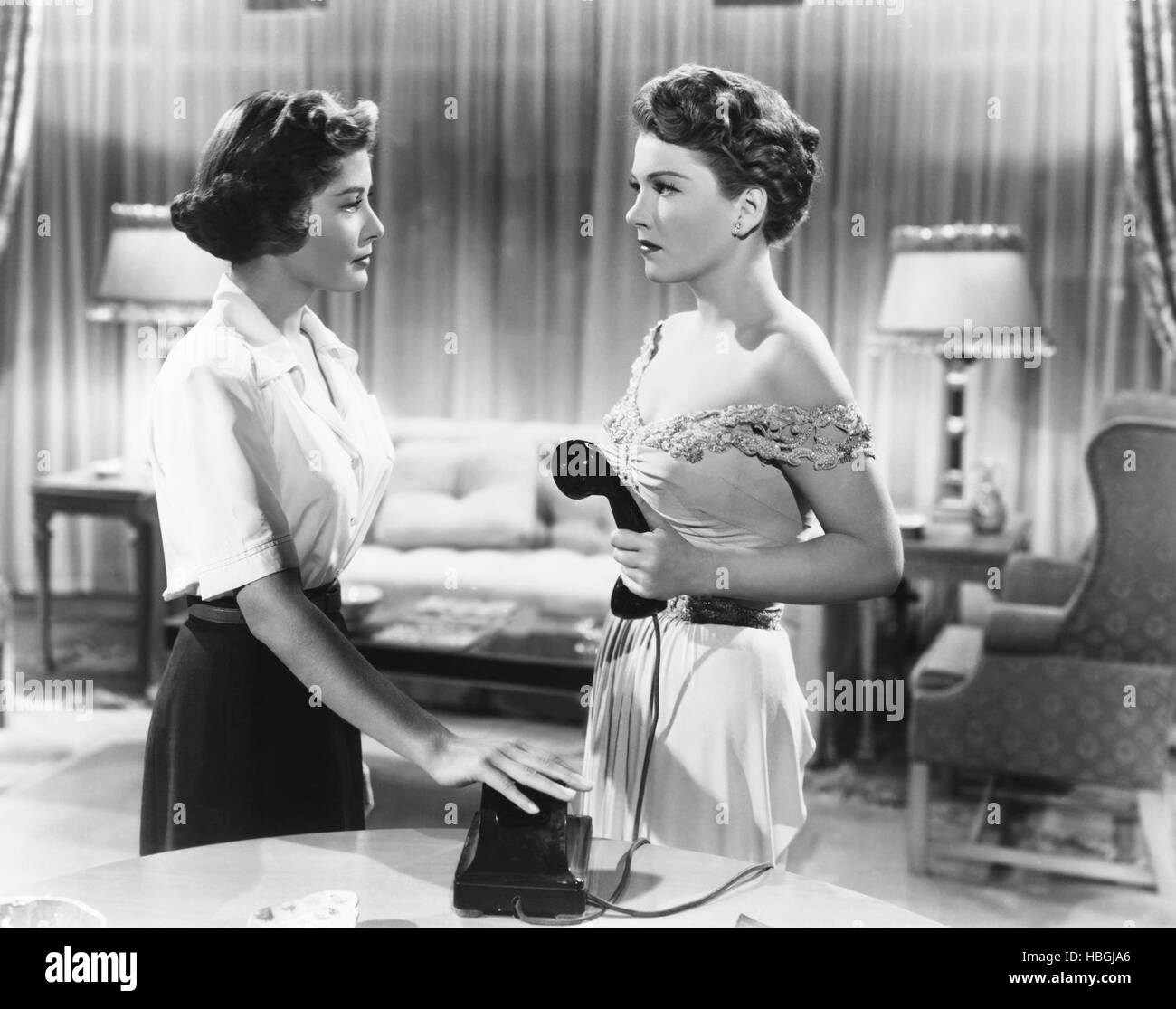
Anne Baxter portrayed the titular character, Eve Harrington, in the 1950 cinematic masterpiece All About Eve. Her performance as the deceptively humble and ruthlessly ambitious fan remains a masterclass in cinematic manipulation, earning her an Academy Award nomination for Best Actress and solidifying her place in Hollywood history as the ultimate "interloper."
The performance of Anne Baxter in All About Eve is often studied in film schools and acting workshops as a definitive example of a "mask-slipping" character arc. While Bette Davis delivered the film’s most famous lines as the aging Broadway star Margo Channing, it was Baxter who provided the narrative’s driving force. Her portrayal of Eve Harrington is a complex layering of performance within a performance, as Eve must convince the characters around her of her innocence while the audience slowly uncovers her predatory nature.
The Casting of Anne Baxter: Finding the Perfect Chameleon
In 1950, when writer-director Joseph L. Mankiewicz was casting the role of Eve, he needed an actress who could plausibly transition from a wide-eyed, rain-soaked waif to a cold, calculating Broadway predator. Anne Baxter was not the first choice—actresses like Jeanne Crain were considered—but Baxter possessed a unique "wholesome" quality that made her eventual betrayal feel all the more shocking.
Baxter came to the project with significant pedigree, having won a Best Supporting Actress Oscar for The Razor's Edge (1946). Her technical skill allowed her to play Eve with a subtle, breathy vocal quality in the first act of the film, which she gradually sharpened into a clipped, authoritative tone as her character gained power. This transition is essential to the film's success; if the audience or the other characters saw through Eve too early, the tension of the plot would collapse.
The Psychology of the Performance: The Art of the Slow Reveal
The brilliance of Baxter’s work lies in her restraint. For the first third of the film, she occupies the background, often literally. She is seen in the shadows of doorways or sitting at the feet of Margo Channing. This physical positioning establishes Eve’s supposed "place" in the hierarchy, making her subsequent ascent feel like a violation of the social order.
The Facade of Humility
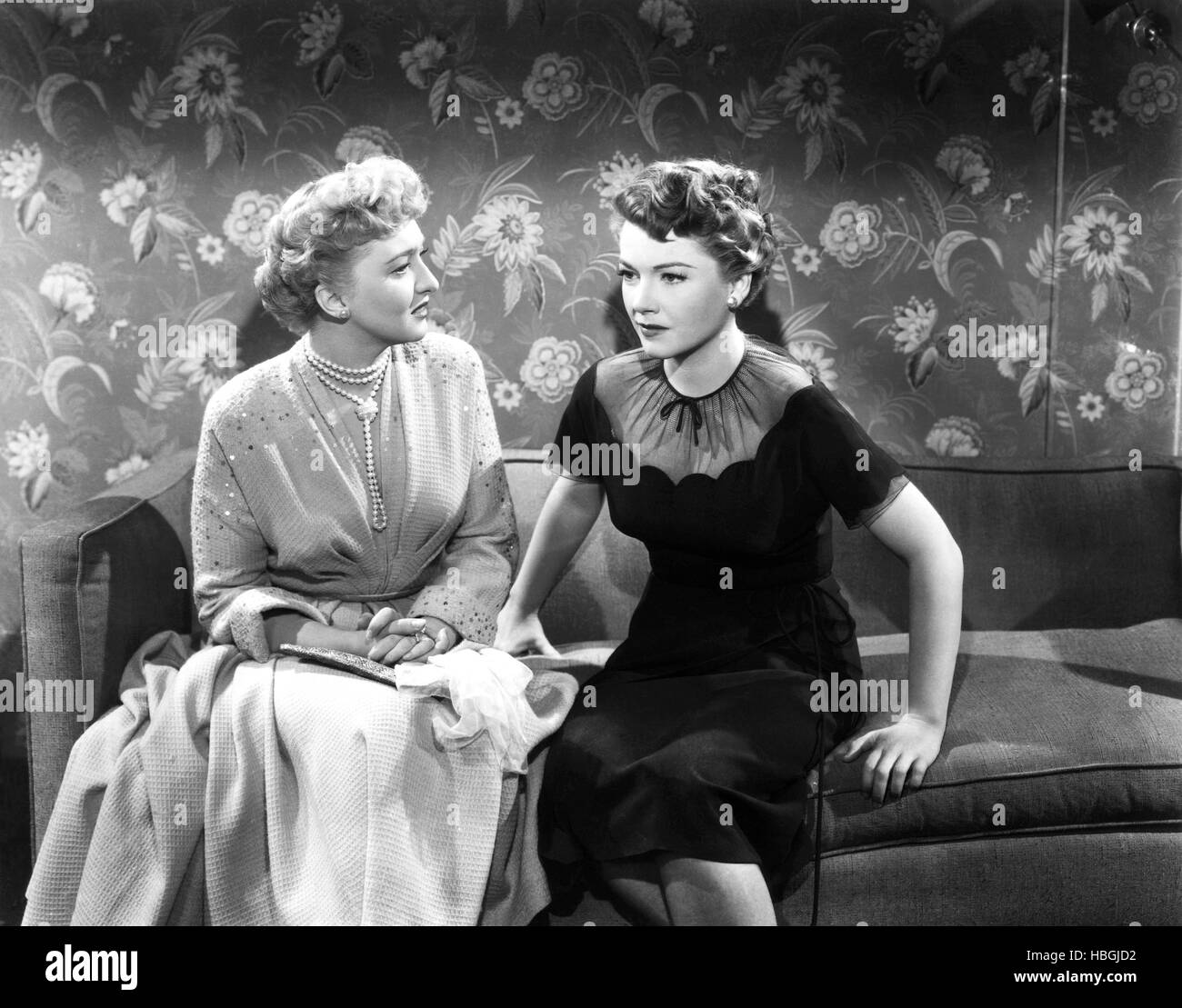
In the famous scene where Eve describes her tragic (and fabricated) past to Karen Richards (Celeste Holm), Baxter uses a soft, tremulous delivery. She weaponizes her vulnerability, a tactic that makes her character’s later ruthlessness even more jarring. Baxter understood that for Eve to be a successful villain, she first had to be a successful "victim."
The Mask Slips
The pivotal moment in Baxter’s performance occurs during the "curtain call" sequence and the subsequent confrontation with Margo. As Eve begins to understudy for Margo and eventually steals her spotlight, Baxter shifts her body language. The stooped shoulders of the fan disappear, replaced by the rigid, confident posture of a leading lady. Her eyes, which previously darted with feigned nervousness, become fixed and cold.
The 1951 Academy Awards Controversy
One of the most discussed aspects of Anne Baxter’s role in All About Eve is the off-screen drama regarding her Oscar nomination. Both Anne Baxter and Bette Davis were nominated for Best Actress at the 23rd Academy Awards.
Many film historians and critics at the time (and in the decades since) argued that Baxter should have campaigned for the Best Supporting Actress category. Because she and Davis both competed for Best Actress, they effectively split the vote among the Academy's "All About Eve" supporters. This division allowed Judy Holliday to win the award for Born Yesterday.
Baxter’s insistence on a Lead Actress nomination was, in many ways, a reflection of her character Eve Harrington's own ambition. She felt that because she played the title role and had the most screen time, she deserved lead status. This decision remains a classic case study in Academy Award strategy and the politics of Hollywood billing.
Technical Elements of Baxter’s Performance
To understand why Baxter's portrayal is so effective, one must look at the technical choices she made alongside director Joseph L. Mankiewicz and costume designer Edith Head.
| Performance Element | Early Film "Eve" | Late Film "Eve" |
|---|---|---|
| Vocal Tone | Breathy, hesitant, high-pitched. | Resonant, decisive, sharp. |
| Wardrobe | Trench coats, simple hats, "drab" fabrics. | High-fashion gowns, structured suits, furs. |
| Gaze | Downward, avoids direct eye contact. | Steady, piercing, predatory. |
| Movement | Fluid, quick to assist others. | Calculated, stationary, commanding space. |
| Social Tactics | Flattery and feigned helplessness. | Blackmail and professional leverage. |
The Role of Costuming
Edith Head’s costume design played a critical role in supporting Baxter’s performance. Early in the film, Baxter is swathed in oversized garments that make her look small and harmless. As she gains influence, her clothing becomes more architectural. The transformation culminates in the Sarah Siddons Award sequence, where Baxter wears a gown that signals she is no longer an outsider looking in, but the center of the industry.
The Relationship Between Eve and Margo
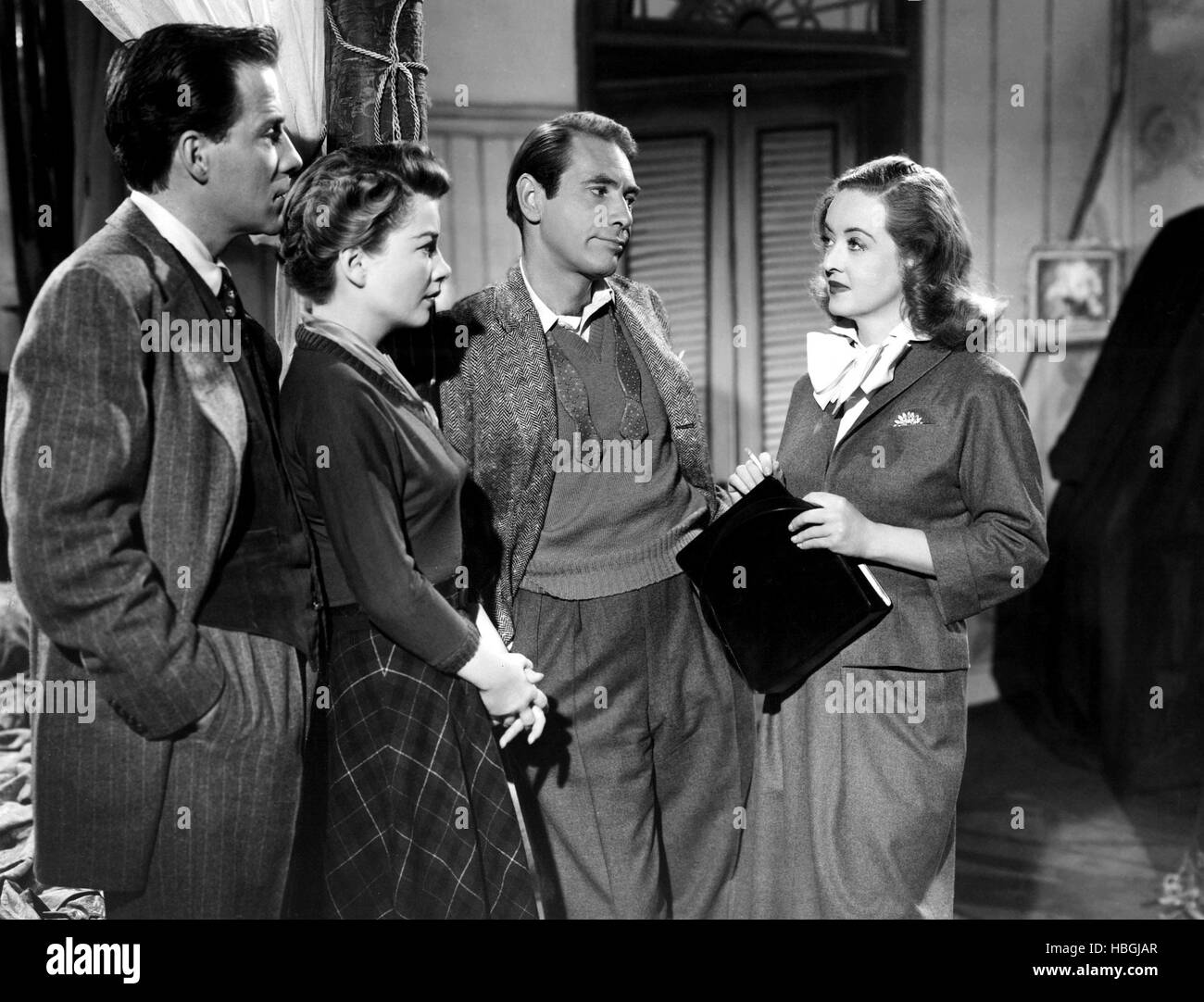
The chemistry between Anne Baxter and Bette Davis is the engine that runs All About Eve. While Davis provides the fire, Baxter provides the ice. Their interactions are a study in contrast: Davis is expressive, theatrical, and emotionally "big," while Baxter is contained and precise.
This dynamic was mirrored on set. Davis was the established queen of the lot, while Baxter was the younger, rising star. While there was mutual professional respect, the tension between the "aging star" and the "replacement" was a reality of the 1950s studio system. Baxter’s ability to hold her own against the formidable Davis is perhaps the greatest testament to her acting prowess. She did not try to out-shout Davis; she chose to out-wait her, mirroring the very tactics Eve Harrington used to dismantle Margo Channing's career.
The Legacy of Eve Harrington
Anne Baxter’s portrayal created a cultural archetype that persists in 2026. The term "an Eve Harrington" is still used in professional and social circles to describe someone who uses false humility to infiltrate a group and then systematically betrays their benefactors.
The film's final scene, featuring the character Phoebe (played by Barbara Bates) looking into a multi-paned mirror while holding Eve’s award, suggests a cycle of ambition and betrayal. Baxter’s performance is the anchor for this theme. She showed that the "Eve" of the world are not born of sudden malice, but of a calculated, patient desire for status that can hide behind the most innocent of faces.
Impact on Anne Baxter’s Career
While Baxter had a long and varied career, including her iconic role as Nefretiri in The Ten Commandments (1956), she remained most closely associated with Eve Harrington. The role proved that she could handle complex, "unlikable" protagonists—a rarity for young actresses in the 1950s who were usually relegated to "ingenue" or "girl next door" roles.
Baxter’s work in All About Eve redefined what a female antagonist could look like. She wasn't a "femme fatale" in the noir sense, using sex as her primary weapon. Instead, she used intelligence, observation, and the manipulation of social etiquette. This made the character far more terrifying to audiences because it felt grounded in the reality of office politics and social climbing.
Essential Scenes for Performance Analysis
For those looking to study Baxter's specific technical approach, three scenes stand out as essential viewing:
- The "Rain" Introduction: Notice how Baxter keeps her body slightly huddled, making herself appear physically smaller to evoke pity from Karen Richards.
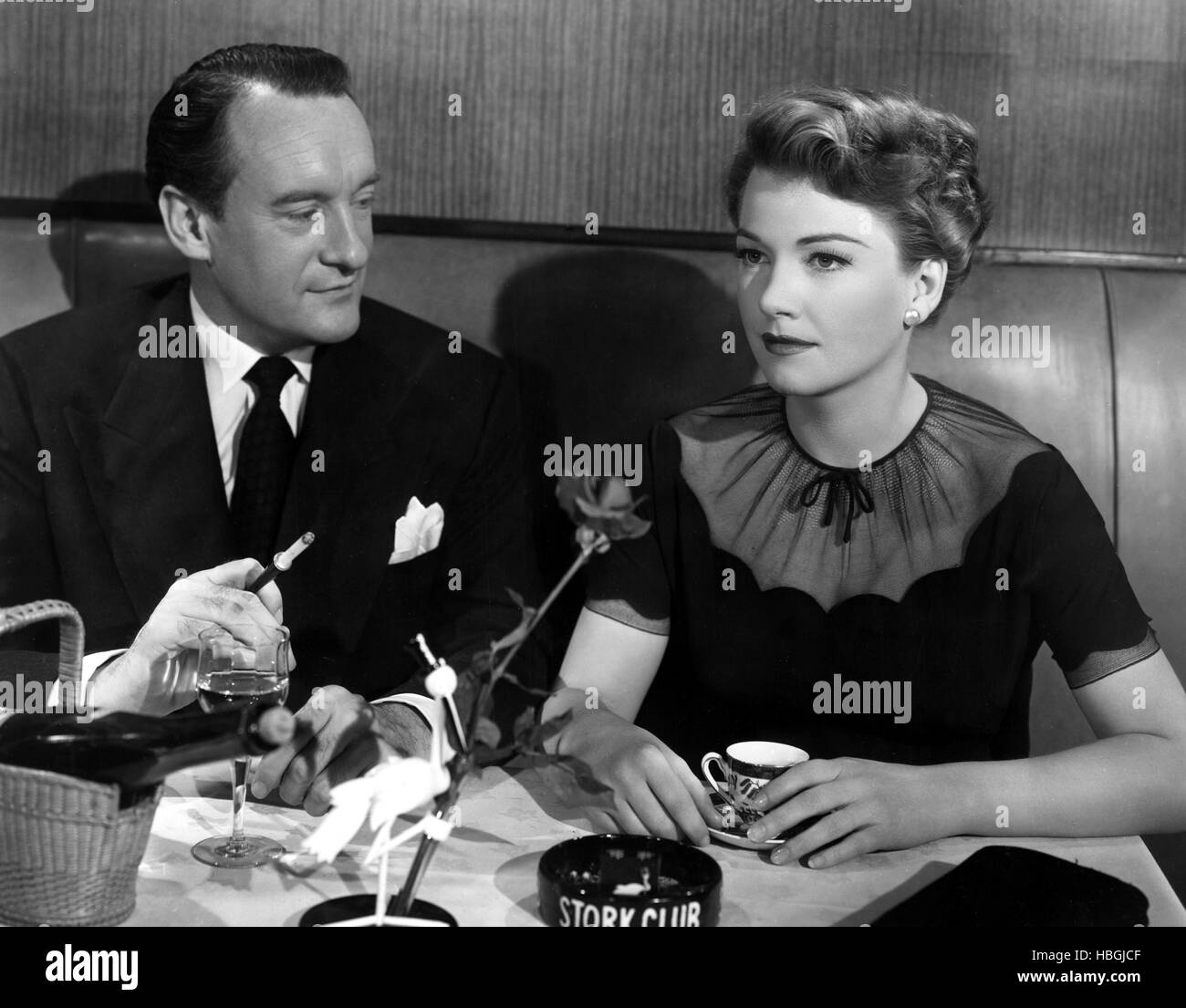
- The Apartment Confrontation with Addison DeWitt: When George Sanders' character finally corners Eve, Baxter’s "mask" drops completely. Her voice drops an octave, and she abandons the "sweet girl" persona. This is the first time the audience sees the "real" Eve.
- The Sarah Siddons Speech: At the end of the film, Eve gives an acceptance speech filled with the same false humility she used at the beginning. However, since the audience now knows her true nature, Baxter plays the scene with a subtle layer of smugness that makes the speech feel chillingly ironic.
FAQs About Anne Baxter in All About Eve
Did Anne Baxter win an Oscar for her role in All About Eve?
No, Anne Baxter did not win the Oscar for All About Eve. She was nominated for Best Actress, but the award went to Judy Holliday for Born Yesterday. Many believe that because both Baxter and her co-star Bette Davis were nominated in the same category, they split the votes, preventing either from winning.
Why did Anne Baxter insist on a Best Actress nomination instead of Best Supporting?
Baxter felt that her character, Eve Harrington, was the primary focus of the film—a logical conclusion given that the movie is titled All About Eve. Despite the studio's preference to run her in the "Supporting" category to ensure a win and avoid competing with Bette Davis, Baxter exercised her right to be considered a lead.
How did Bette Davis feel about Anne Baxter?
While there were rumors of tension, Bette Davis generally spoke with professional respect about Baxter’s talent. However, Davis was reportedly frustrated by the Oscar nomination situation, as she felt it cost her a third Academy Award. In interviews, Davis acknowledged that Baxter's performance was essential for making the film's conflict believable.
Was Anne Baxter the first choice to play Eve Harrington?
No. Several other actresses were considered, including Jeanne Crain and Donna Reed. Director Joseph L. Mankiewicz eventually chose Baxter because he felt she had the necessary "inner hardness" beneath a soft exterior to make the character’s transition work effectively.
What is the "Sarah Siddons Award" seen in the film?
In the film, the Sarah Siddons Award is a prestigious Broadway honor. Following the film’s massive success, a real-life "Sarah Siddons Society" was founded in Chicago in 1952, and they began awarding a real Sarah Siddons Award. Anne Baxter herself was a recipient of the real-life award in 1973.
Practical Recommendation for Viewers
To fully appreciate the nuance of Anne Baxter’s performance, viewers should watch All About Eve twice. On the first viewing, focus on Margo Channing (Bette Davis) and the external drama. On the second viewing, watch only Anne Baxter when she is in the background of scenes. Observe her reactions, her attentive listening, and the way she "records" the behavior of the socialites around her. This secondary viewing reveals the true depth of Baxter’s craft and why her portrayal of Eve Harrington remains the gold standard for cinematic deception.