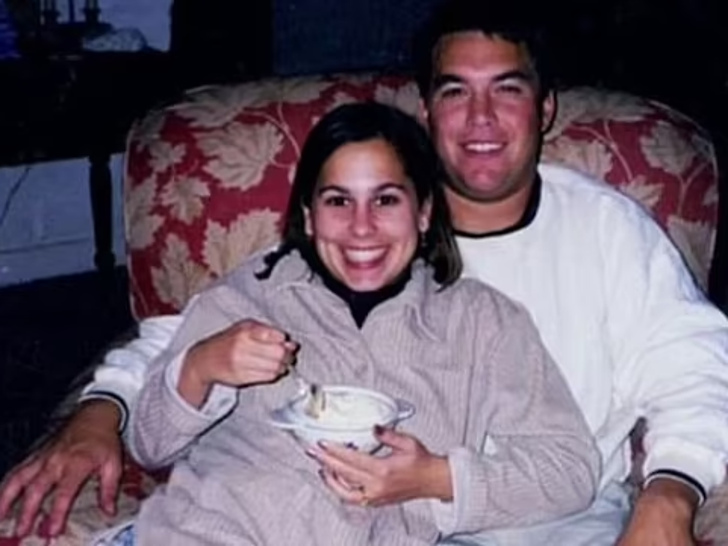
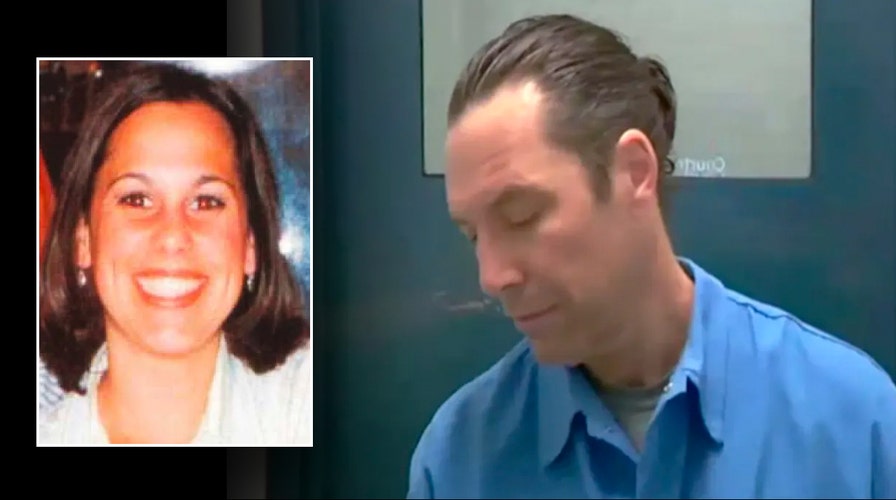
Anne Bird’s memoir, Blood Brother: 33 Reasons My Brother Scott Peterson Is Guilty, provides an intimate, chilling perspective on one of the most high-profile murder cases in American history. As Scott Peterson’s biological sister, Bird transitioned from a staunch supporter to a key witness for the prosecution after observing his disturbing behavior following the 2002 disappearance of his wife, Laci Peterson.
The Unique Perspective of Anne Bird
To understand the weight of Anne Bird’s memoir, one must first understand her unique position within the Peterson family. Anne Bird was the biological daughter of Jackie Peterson, Scott’s mother. However, she was given up for adoption shortly after birth in 1965. It was not until 1997 that Bird successfully sought out her biological mother and was introduced to her half-siblings, including Scott Peterson.
Because she grew up outside the Peterson household, Bird entered the family dynamic with a different lens than those who had known Scott his entire life. When Laci Peterson disappeared on Christmas Eve in 2002, Bird was initially welcomed into the inner circle of the search efforts. She stayed at the Peterson home, comforted Jackie and Lee Peterson, and attempted to support her brother. This proximity allowed her to witness private moments that the media and the public never saw—moments that eventually led her to believe her brother was a cold-blooded killer.
By the time she published her memoir in 2005, Scott had already been convicted of the first-degree murder of Laci and the second-degree murder of their unborn son, Conner. In the context of 2026, Bird’s account remains a foundational text for true crime analysts who study the psychological profile of Scott Peterson, especially as ongoing legal appeals and interest from organizations like the Los Angeles Innocence Project continue to keep the case in the headlines.
The Content and Structure of "Blood Brother"
The memoir is titled Blood Brother: 33 Reasons My Brother Scott Peterson Is Guilty for a very literal reason. Throughout the book, Bird lists specific observations and incidents that chipped away at her belief in Scott's innocence. The book is structured chronologically, beginning with her happy reunion with the family and descending into the nightmare of the investigation and trial.
Bird’s writing emphasizes the cognitive dissonance she experienced. She describes a brother who was charming, polite, and seemingly the "golden boy" of the family, contrasted against a man who showed almost no emotional distress while his pregnant wife was missing. The "33 Reasons" are not all legal evidence; many are character assessments and behavioral red flags that Bird felt were indicative of a sociopathic personality.
The Significance of the "33 Reasons"
Bird’s list served a dual purpose: it was a cathartic release for her own guilt for having supported him, and it was a public declaration of why she broke ties with her biological family. Some of the most notable reasons included:
- The Nursery Transformation: Bird noted with horror that Scott began talking about turning the baby’s nursery into a gym or a "man cave" shortly after Laci disappeared, long before there was any confirmation she wasn't coming home.
- Selling Laci’s Car: Within weeks of the disappearance, Scott sought to sell Laci's Land Rover, an act Bird found incomprehensibly callous for a grieving husband.
- The Lack of Grief: While the rest of the family was distraught, Bird observed Scott eating heartily, watching television, and acting as if the search for Laci was a chore rather than a desperate mission.
- The Amber Frey Revelation: Bird describes the shock of learning about Scott’s affair with Amber Frey and how Scott’s lies to Frey mirrored the lies he told his own family.
Behavior Patterns and Psychological Observations
One of the most compelling aspects of the memoir is Bird's description of Scott’s "mask." In true crime literature, the "mask of sanity" is a term often used to describe how individuals with antisocial personality traits project a normal, even exemplary, persona to the world.
Bird details how Scott would pivot from appearing helpful to the police to expressing annoyance that the investigation was "interrupting his life." She recounts a specific incident where she found Scott looking at a photo of Laci and Conner and, rather than showing sorrow, he made a comment about how "this was the first Christmas without Laci," spoken with a flat affect that Bird found terrifying.
The Insider-Outsider Dynamic
As a reunited adoptee, Bird occupied a fragile space. She desperately wanted the love and acceptance of the Peterson family, particularly Jackie. However, as she began to share her suspicions about Scott, she found herself increasingly isolated. The Peterson family, led by Jackie, maintained a fierce, unwavering defense of Scott. Bird’s memoir documents the painful process of being cast out of the family she had only recently found.
This dynamic adds a layer of tragedy to the book. Bird wasn't just losing a sister-in-law; she was losing the biological connection she had spent decades searching for. Her decision to cooperate with the prosecution and eventually write the memoir was seen by the Petersons as a ultimate betrayal—a "Judas" act motivated, in their view, by fame or money. Bird counters this in her writing, explaining that her loyalty to the truth and to Laci (whom she had grown to love) superseded her loyalty to the Peterson name.
Comparison of Perspectives: Supporters vs. Anne Bird
| Aspect of Case | Peterson Family/Defense View | Anne Bird’s Observation in "Blood Brother" |
|---|---|---|
| Reaction to Disappearance | Scott was "in shock" and grieving privately. | Scott was indifferent, eating well, and planning for a life without Laci. |
| Amber Frey Affair | A "mistake" unrelated to the disappearance. | A clear motive showing Scott’s desire to be "un-tethered." |
| Selling Laci’s Vehicle | A practical financial decision during a crisis. | A cold-hearted disposal of Laci’s presence and memory. |
| The Nursery | A way to cope with the pain of the empty room. | A disturbing eagerness to erase the baby’s existence. |
| Media Portrayal | Scott was a victim of a media "witch hunt." | Scott was a manipulator who enjoyed the attention on his own terms. |
The Impact on the Trial and Public Perception
While Bird’s memoir was published after the initial conviction, she was a significant figure during the trial. She testified about Scott’s behavior, providing the jury with a glimpse into the home life of the Petersons during the search. Her testimony helped humanize the prosecution's theory that Scott was not a grieving widower but a man who had "disposed" of a perceived burden.
The book resonated with the public because it validated the "gut feeling" many had about Scott Peterson. While the physical evidence in the case was largely circumstantial—hair found in a boat, GPS tracking, and the eventual discovery of the bodies in the San Francisco Bay—Bird provided the "behavioral evidence" that linked Scott’s character to the crime.
In the years following the publication of Blood Brother, the book has been used as a primary source for documentaries and podcasts. It serves as a counter-narrative to the various "innocence" projects that have sought to re-examine the forensics of the case. While DNA and technicalities are the focus of legal teams in 2026, Bird’s account focuses on the human element: the specific, granular actions of a man who seemingly didn't care that his wife was gone.
Critical Reception and Controversy
The memoir was not without its critics. Some legal analysts argued that Bird’s observations were subjective and colored by the "reunion" trauma of her adoption story. Others pointed out that many of the "33 reasons" were based on interpretations of social cues that could be misconstrued during times of extreme stress.
However, the majority of readers found Bird’s account to be courageous. She had little to gain and much to lose by turning against the Petersons. By siding with Laci’s family, the Rochas, Bird signaled that the evidence of her own eyes was more powerful than the bond of biological blood. The Rochas, specifically Laci’s mother Sharon Rocha, have expressed gratitude for Bird’s honesty, noting that Bird provided a window into Scott’s life that they were barred from seeing.
The Peterson Case in 2026: The Memoir’s Relevance
As of 2026, the Scott Peterson case remains in a state of legal flux. With the 2024 involvement of the Los Angeles Innocence Project and subsequent court hearings regarding DNA testing on items found at a nearby burglary site, some hope for a total exoneration. Others view these developments as standard legal maneuvers in a capital case (though Scott's death sentence was overturned in 2020, he remains sentenced to life without parole).
In this landscape, Anne Bird’s memoir acts as a historical anchor. It reminds researchers and the public of the behavioral context that led to the original conviction. While science may evolve and new DNA techniques may emerge, the witness accounts of Scott's behavior in December 2002 and January 2003 remain unchanged. Bird’s book captures a specific window of time that cannot be recreated by forensic testing—the immediate aftermath of the crime where Scott Peterson believed he had gotten away with it.
Frequently Asked Questions
Is Anne Bird still in contact with the Peterson family?
As of 2026, Anne Bird remains estranged from the Peterson family. Following the publication of her book and her cooperation with the prosecution, the relationship with Jackie and Lee Peterson was effectively severed. She has maintained a cordial relationship with Laci’s family, the Rochas, over the years.
What are the most cited "reasons" in her book?
The most frequently discussed "reasons" include Scott’s attempt to sell Laci's car, his lack of emotion during the candlelight vigils, and his comments about the nursery. These are often cited because they represent "active" steps toward moving on from Laci before she was even found.
Did Anne Bird make money from the book?
While authors of memoirs do receive royalties, Bird has stated in multiple interviews that her primary motivation was not financial but rather an effort to tell the truth and distance herself from the "golden boy" image the family tried to maintain. She felt it was her responsibility to speak for Laci and Conner.
Has Scott Peterson ever responded to the memoir?
Scott Peterson and his legal team have generally dismissed Bird’s accounts as opportunistic and factually thin. During the trial and in subsequent years, the defense has characterized her as someone who didn't truly know Scott and was projecting her own issues onto his behavior.
Does the memoir cover the trial?
The memoir primarily covers the period from the disappearance to the early stages of the trial. It focuses more on the personal experiences Bird had with the family and her internal realization of Scott's guilt rather than being a technical legal transcript of the courtroom proceedings.
Practical Recommendation for Readers
For those interested in the Scott Peterson case, reading Blood Brother is best done in conjunction with Sharon Rocha’s memoir, For Laci. While Bird provides the perspective of the "accuser from within," Rocha provides the perspective of the grieving mother. Together, these books offer a comprehensive look at the human toll of the case. If you are researching the psychological aspects of the crime, Bird’s book is an essential resource for understanding the behavioral red flags that often precede or follow domestic homicides.
As we move through 2026 and witness further legal developments, remembering the personal testimonies of those like Anne Bird ensures that the focus remains on the victims—Laci and Conner—and the reality of the events as they unfolded in Modesto over two decades ago.