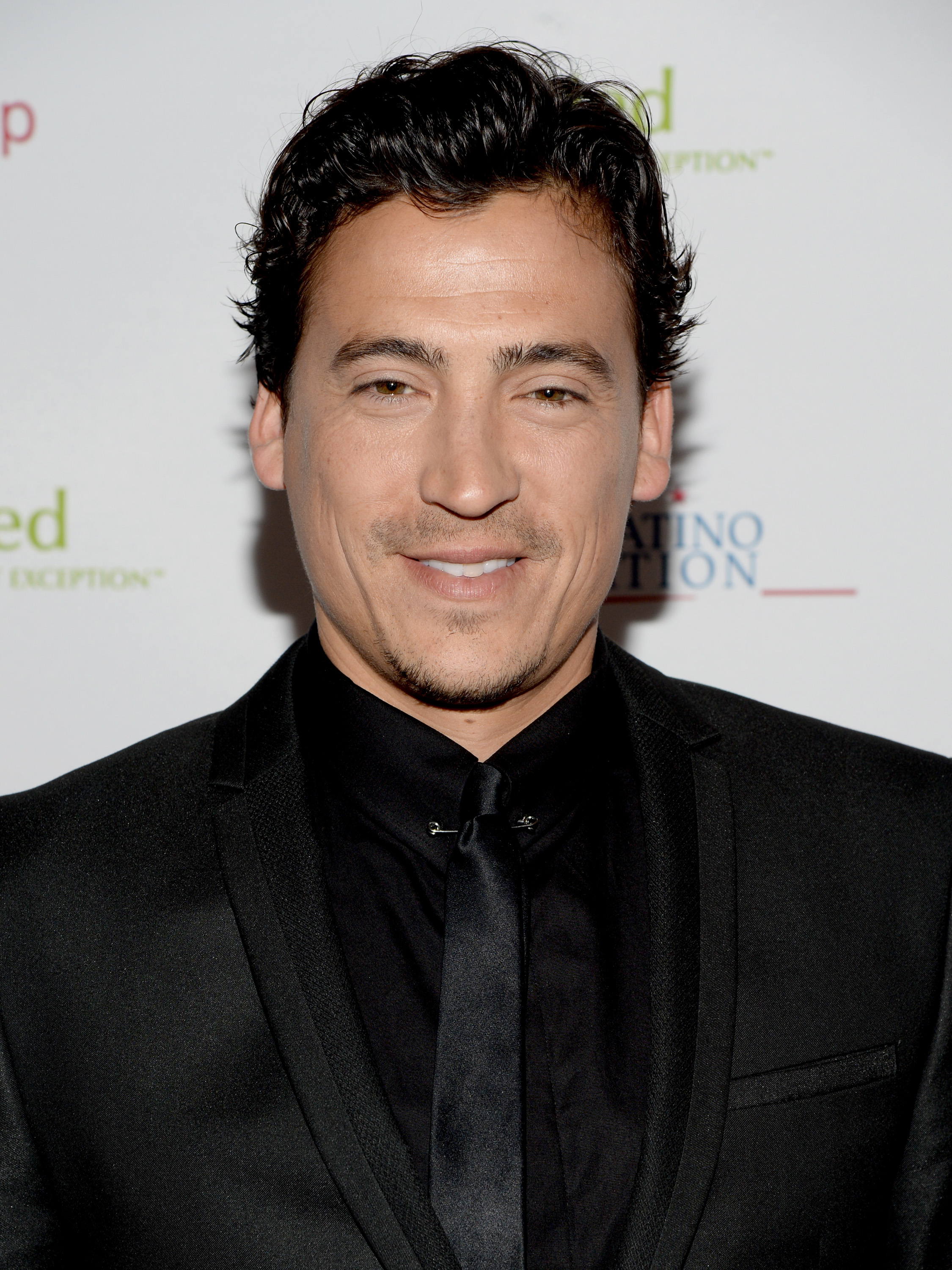
Andrew Keegan is an American actor best known for his iconic roles in 1990s pop culture classics, including 10 Things I Hate About You, 7th Heaven, and Camp Nowhere. As of 2026, Andrew Keegan’s estimated net worth stands between $1.5 million and $2 million. His financial portfolio stems from a multi-decade career spanning mainstream studio films, television residuals, independent cinema, and entrepreneurial ventures.
Understanding Andrew Keegan’s Financial Profile
Evaluating an actor’s net worth requires examining their total career arc beyond box office hits. For actors who reached prominence in the late 1990s and early 2000s, income streams frequently evolve from initial talent compensation fees to long-term passive royalties, voice performance earnings, and private business investments.
Unlike modern streaming actors who often receive upfront flat fees with minimal back-end participation, performers of Keegan's era benefited from traditional theatrical release models and syndication contracts negotiated under historical Screen Actors Guild (SAG) frameworks. Understanding Keegan’s current financial status requires looking at his primary income drivers across five key phases: early feature films, prime-time television, independent productions, commercial ventures, and modern acting credits.
1. The 1990s Studio Peak: Commercial Hits and Upfront Compensation
Keegan began his professional acting career in the early 1990s as a child and teen performer. His breakthrough came in 1994 with the Disney feature film Camp Nowhere, followed by appearances in major studio releases such as Independence Day (1996).
The financial highlight of his early career occurred during the late 1990s, when he became a staple of teen cinema and television:
- 10 Things I Hate About You (1999): Playing the narcissistic antagonist Joey Donner, Keegan starred alongside Heath Ledger, Julia Stiles, and Joseph Gordon-Levitt. The film grossed over $60 million worldwide against a $16 million budget. Mid-level supporting roles in studio teen comedies during this era typically yielded upfront talent compensation between $100,000 and $300,000, alongside contractual residual entitlements.
- O (2001): A modern adaptation of Shakespeare’s Othello, in which Keegan portrayed Michael Cassio alongside Mekhi Phifer and Josh Hartnett. The film delivered solid domestic returns, generating over $16 million against a modest budget and adding prestigious drama credits to his portfolio.
During this period, studio feature film scale for emerging leads was robust, allowing actors in Keegan’s demographic to establish substantial initial capital, secure union health and pension equity, and build brand recognition for secondary revenue streams.
| Estimated Historical Income Sources |
|---|
| Phase 1: Major Studio Features (Upfront Paychecks & Domestic Box) |
| Phase 2: Network TV Contracts (Per-Episode Rates & Syndication) |
| Phase 3: Residual Payouts (Cable Reruns & International Distribution) |
| Phase 4: Independent Cinema & Stage Work (Scale & Flat Fees) |
| Phase 5: Brand Partnerships & Special Media Appearances |
2. Television Syndication and Residual Streams
While feature films provided significant cash flow, television roles created long-term passive financial stability. In the late 1990s and early 2000s, broadcast television paid lucrative per-episode salaries for recurring cast members, supplemented by long-tail syndication payouts.
Key Television Projects Contributing to Wealth
- 7th Heaven (1997–2004): Keegan portrayed Wilson West in a recurring arc across several seasons. 7th Heaven was one of the highest-rated dramas on The WB network. Broadcast network guest and recurring rates in the late 1990s ranged from $15,000 to $35,000 per episode for featured guest stars. Because the series entered heavy international and domestic syndication, recurring actors continued to receive residual checks for decades.
- Party of Five (1997–1998): Playing Reed Isley in a recurring capacity on FOX’s popular drama further built his television resume and provided standard SAG prime-time network compensation.
- Boy Meets World & Full House: Early guest roles on top-tier network sitcoms added baseline income early in his career and continue to generate small quarterly residual payments under SAG-AFTRA rerun distribution guidelines.
Residual structures for traditional network television are governed by agreements established by SAG-AFTRA. When prime-time shows are rebroadcast on basic cable or local syndication networks, performers receive a percentage of the licensing fees. For an actor with dozens of 1990s television credits, these residual checks provide a predictable foundation of passive annual revenue.
3. Entrepreneurial Endeavors: The Full Circle Venice Venture
In 2014, Andrew Keegan expanded beyond performance art into community building and experiential entrepreneurship by co-founding Full Circle, a non-denominational spiritual and arts center housed in a historic church building in Venice, California.
| Category | Full Circle Financial Matrix |
|---|---|
| Core Operations | Event Space Rental, Workshops, Arts |
| Capital Requirements | Lease Holdings, Operations, Compliance |
| Operational Period | Active 2014 – 2017 |
Operational Scope and Financial Reality
- Capital Investment & Operations: Operating a multi-use spiritual and community center in prime coastal Los Angeles requires significant monthly overhead, including real estate lease agreements, insurance, staff compensation, and municipal permits.
- Revenue Models: Full Circle generated revenue through co-working spaces, yoga and meditation classes, cultural gatherings, and venue rentals for private events.
- Media Footprint vs. Profitability: While Full Circle received widespread national press coverage, non-profit and community-focused ventures in high-rent districts rarely yield large net profits. The center concluded its operations at the Venice location around 2017.
From a financial management perspective, Full Circle represented a diversification phase, shifting capital from traditional entertainment assets into experiential real estate and community engagement.
4. Independent Cinema and Contemporary Acting Projects
Following his teen heartthrob era, Keegan deliberately shifted toward independent film, short films, and theater. Independent filmmaking operates on a drastically different financial model than major studio projects.
The Economics of Independent Film Compensation
- SAG Scale Agreements: Low-budget independent feature films (under $2.5 million budgets) utilize SAG Low Budget Agreements. Scale wages for actors on these projects generally range from $335 to $1,000 per day, or weekly rates around $1,200 to $3,500.
- Deferred Compensation & Equity: Actors in independent projects often take reduced upfront fees in exchange for deferred pay or back-end net profit points. While back-end points rarely pay out substantially unless a film achieves major streaming or theatrical pickup, they offer potential upside.
- Recent Credits: In recent years, Keegan has appeared in project titles such as The Contract (2016), Living Among Us (2018), and unscripted television appearances, including reality competition shows and nostalga-based media retrospectives. These appearances provide immediate flat-rate talent fees while maintaining visibility in the commercial market.
Andrew Keegan Financial Snapshot: Key Metrics
The following structured snapshot breaks down the primary elements of Andrew Keegan’s financial standing, career phases, and revenue mechanics.
| Financial Metric / Phase | Primary Revenue Drivers | Estimated Scale / Range | Financial Impact & Liquidity |
|---|---|---|---|
| Estimated Net Worth (2026) | Cumulative acting, residuals, investments | $1.5M – $2.0 Million | Moderate liquidity; mix of equity & passive yields |
| 1990s Studio Peak | Upfront salaries (10 Things, Camp Nowhere) | $100K – $300K per major project | Initial wealth creation and capital foundation |
| Network TV (Syndication) | Reruns of 7th Heaven, Party of Five, sitcoms | Continuous quarterly residuals | Passive long-tail revenue stream |
| Entrepreneurial Phase | Full Circle Venice (venue, events, membership) | Mid-tier operating budget | High-overhead business venture (2014–2017) |
| Indie Film & Appearances | Scale contracts, festival films, TV guest spots | SAG Daily/Weekly Scale ($1K–$3.5K/wk) | Active supplemental earned income |
| Digital & Nostalgia Media | Fan conventions, interviews, special appearances | $2,500 – $10,000 per event | High-margin secondary cash flow |
5. Wealth Preservation Strategies for Working Actors
Maintaining a multi-million dollar net worth over three decades in Hollywood requires structured financial planning. Actors who experience early commercial success face specific economic challenges, including unpredictable cash flow gaps, high tax brackets during peak years, and changing industry business models.
Navigating Fluctuating Income
- Commission Structure: Standard actor gross earnings are immediately reduced by professional commissions: 10% to talent agents, 10% to 15% to personal managers, and 5% to entertainment attorneys. A $100,000 gross fee often results in $70,000 before federal and state taxes.
- Tax Mitigation & Loan-Out Corporations: Established performers frequently utilize S-Corporations or LLC "loan-out" entities. These structures allow actors to deduct legitimate business expenses—such as travel, coaching, public relations, and home office space—reducing their total taxable income burden.
- Real Estate Equity: In Southern California, real estate remains a primary wealth preservation vehicle for entertainment professionals. Property acquisition during peak earnings periods often forms the baseline of an actor's long-term net worth, protecting capital against inflation.
6. Comparing 1990s Actor Compensation to Modern Streaming Models
To accurately contextualize Andrew Keegan’s financial journey, one must contrast the legacy studio compensation model of the late 1990s with modern streaming realities.
| Legacy Model (1990s - 2000s) | Modern Streaming Model (2020s) |
|---|---|
| High upfront theatrical fees | Higher upfront buyout fees |
| Box office back-end bonuses | Minimal/No theatrical back-end |
| Robust, decades-long TV residuals | Buyout residuals (decreased long-tail) |
| Physical media sales (DVD/VHS) | Non-transparent platform metrics |
Actors like Keegan, who built their earnings foundation in the late 1990s, benefited from physical media booms (DVD and VHS sales) and broadcast syndication. A hit movie in 1999 generated multi-year revenue through home video rentals and sales—a stream that shared proceeds with performers through Guild-negotiated residual scales. Modern working actors often receive larger flat buyout rates from streaming platforms like Netflix or Amazon, but sacrifice the perpetual residual streams that historical actors still collect today.
Frequently Asked Questions
What is Andrew Keegan's current net worth in 2026?
Andrew Keegan’s estimated net worth is between $1.5 million and $2 million. This total reflects his accumulated earnings from feature film salaries, recurring network television roles, passive SAG-AFTRA residuals, independent projects, and private investments.
What was Andrew Keegan's biggest financial success in film?
Financially and culturally, his most prominent feature film was the 1999 romantic comedy 10 Things I Hate About You. The film was a global box-office success, grossing over $60 million against a $16 million budget, and continues to generate substantial residual earnings through cable broadcasts and streaming licensing.
Did Andrew Keegan make money from Full Circle Venice?
Full Circle was structured primarily as a non-denominational community and spiritual center. While it generated operational revenue through venue rentals, membership programs, and event bookings, high commercial real estate lease rates in Venice, California, meant that most gross revenue went directly toward operational overhead rather than net personal profit.
How do 1990s television actors continue to earn money today?
Actors from popular 1990s shows earn passive income through residuals. Under SAG-AFTRA collective bargaining agreements, whenever a television episode featuring a cast member is rebroadcast on network television, basic cable, or licensed to a foreign network or streaming service, the talent receives standard royalty payments.
Is Andrew Keegan still acting professionally?
Yes, Andrew Keegan continues to work in the entertainment industry. He frequently participates in independent films, stage productions, specialized voice work, unscripted television appearances, and nostalgia culture conventions.
Financial Takeaways for Independent Performers
Andrew Keegan’s career trajectory offers clear lessons for managing a career in the creative arts:
- Capitalize on Peak Earnings: High upfront earnings from early commercial success should be diverted into stable asset classes, such as real estate and diversified investment funds, to buffer against natural industry lulls.
- Protect Residual Rights: Passive income streams negotiated through union affiliations (such as SAG-AFTRA) remain essential for long-term stability when active production roles slow down.
- Manage Business Overhead Carefully: Launching entrepreneurial ventures in high-cost geographic markets requires strict capital allocation to prevent draining personal liquid reserves.
- Adapt to Changing Media Markets: Modern performers must balance classic acting engagements with fan conventions, digital appearances, and independent film equity to maintain steady cash flow.