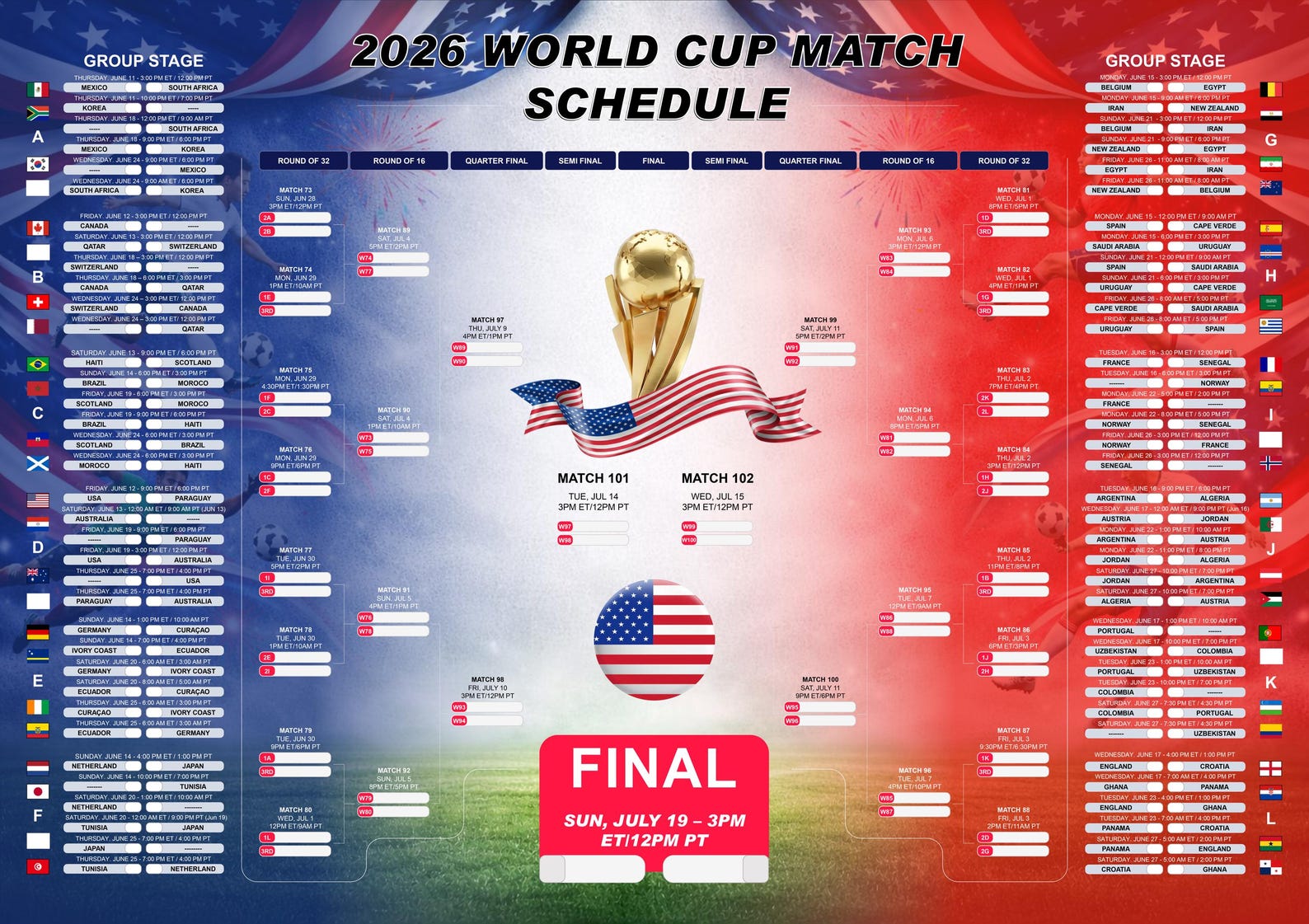
The United States Men’s National Team (USMNT) has officially been eliminated from the 2026 FIFA World Cup, concluding their historic run as co-hosts. Following a hard-fought battle in the knockout stages, the U.S. exit marks the end of their deepest tournament ambitions on home soil, shifting the focus to long-term structural reforms and future international cycles.
The Decisive Moment: Tracking the Final Match Performance
The elimination of the United States from the 2026 FIFA World Cup was not the result of a single error, but rather a culmination of tactical pressure and clinical finishing from their opponents. As the tournament progressed into the knockout rounds, the margin for error thinned, and the USMNT found themselves unable to convert high-value chances during critical transitions.
In the final match that saw America exit the tournament, the tactical setup focused heavily on high-pressing and quick distribution through the wings. However, the opposition's ability to bypass the American mid-block exposed structural vulnerabilities in the defensive line. Despite a spirited performance from the squad's core veterans, the inability to maintain possession under duress in the final third proved fatal.
For many fans, the exit feels premature given the "Golden Generation" labels applied to this roster. However, elite international soccer often comes down to individual moments of brilliance and collective discipline. The USMNT demonstrated significant growth in their technical ball-handling compared to the 2022 cycle, but the "finishing touch" remained elusive when it mattered most. This exit serves as a sobering reminder of the gap that still exists between the North American giants and the perennial powerhouses of Europe and South America.
Tactical Breakdown: The Pochettino Era in 2026
The 2026 campaign was the first major tournament test for the USMNT under the leadership of Mauricio Pochettino, who took the helm in late 2024. His influence on the team was evident throughout the group stage, characterized by a more aggressive 4-3-3 formation that transitioned into a 3-2-5 during attacking phases.
Midfield Dynamics and Transition Play
One of the primary reasons America is out of the World Cup stems from the exhaustion of the "MMA" midfield (McKennie, Musah, and Adams) or their respective 2026 successors. While the energy levels were high, the creative output from the center of the pitch struggled against low-block defenses. Pochettino’s system required the fullbacks to provide the width, but when those players were pinned back by elite wingers, the U.S. offense became predictable and centralized.
Defensive Vulnerabilities
The defensive high line, a hallmark of Pochettino’s philosophy, was both a strength and a weakness. While it allowed the U.S. to dominate territory in earlier matches, it left the center-backs isolated against world-class strikers during counter-attacks. In the elimination match, the lack of recovery speed in the final twenty minutes allowed the opposition to exploit the space behind the wing-backs, leading directly to the winning goal.
Comparing the 2022 and 2026 World Cup Campaigns
To understand why the 2026 exit feels different, it is necessary to compare the team's metrics and performance levels against their showing in Qatar. In 2022, the USMNT was the youngest team in the knockout stages, characterized by raw athleticism and defensive grit. By 2026, the expectation had shifted from "participation" to "contention."
| Metric | 2022 World Cup (Qatar) | 2026 World Cup (North America) |
|---|---|---|
| Average Squad Age | 25.2 Years | 27.8 Years |
| Goals Scored (Avg/Match) | 0.75 | 1.45 |
| Expected Goals (xG) | 1.12 | 1.88 |
| Clean Sheets | 2 | 1 |
| Pass Completion % | 83% | 87% |
| Deep Completions | 18 | 32 |
The data indicates that while the team became more lethal offensively and more controlled in possession, their defensive solidity took a marginal hit. The increase in xG (expected goals) suggests that the U.S. created more high-quality chances in 2026, but their conversion rate did not keep pace with the world's elite, ultimately contributing to their exit.
The Economic and Cultural Impact of the U.S. Exit
As a co-host of the 2026 tournament alongside Canada and Mexico, the U.S. team's presence in the later rounds was a significant driver for domestic engagement. With America out of the World Cup, the focus of the tournament shifts from "national fervor" to "global celebration."
Domestic Broadcast and Sponsorship
The financial implications of a USMNT exit are substantial. Domestic broadcasters often see a dip in viewership among casual fans once the home team is eliminated. However, because the 2026 tournament is the largest in history—featuring 48 teams—the sheer volume of international matches keeps the infrastructure profitable. Sponsors who invested heavily in "Team USA" campaigns must now pivot their marketing strategies to focus on the remaining global icons.
The Host City Atmosphere
Cities like Atlanta, Dallas, and New Jersey continue to host matches, but the "home game" atmosphere for the U.S. team is gone. For fans who traveled across the country, the exit changes the itinerary from following a specific team to experiencing the neutral beauty of the sport. While the stadiums remain sold out, the specific "Red, White, and Blue" energy will be replaced by the diverse colors of the remaining nations.
What Went Wrong? Identifying Critical Failures
Pinpointing why the U.S. is out involves looking at both roster construction and in-game management. Several factors played a pivotal role in the team's inability to reach the semi-finals:
- Clinical Finishing: Despite having strikers playing in top European leagues, the U.S. lacked a "predator" in the box. Many sequences ended in crosses that found no one or shots from distance that failed to test the keeper.
- Depth Issues: While the starting XI is world-class, the drop-off in quality from the bench remained a concern. When fatigue set in during the 70th minute of the knockout rounds, the substitutes could not match the intensity required to change the game’s momentum.
- Set-Piece Efficiency: Traditionally a strength for American soccer, the U.S. failed to capitalize on corner kicks and wide free kicks throughout the 2026 tournament. In high-stakes knockout soccer, set pieces are often the tiebreaker.
- Mental Fatigue: The pressure of being the host nation is immense. Every movement of the players was scrutinized by the largest domestic soccer audience in history, potentially leading to "tight" play during the most stressful moments of the match.
The Future of US Soccer: Moving Toward 2030
The conclusion of the 2026 World Cup cycle marks a turning point for U.S. Soccer. The "Golden Generation" is now entering its prime, and the lessons learned from this home tournament will be vital for the 2030 cycle.
Coaching and Leadership Decisions
The U.S. Soccer Federation must decide whether to retain Mauricio Pochettino or seek a new tactical direction. Pochettino’s ability to modernize the team's playstyle is undeniable, but the results-oriented nature of international soccer may lead to calls for a change. Consistency in leadership has been a struggle for the USMNT, and the decision made in the coming months will define the next four years.
Youth Integration
While stars like Christian Pulisic and Gio Reyna remain the faces of the team, the 2026 exit highlights the need for the next wave of talent. The integration of dual-nationals and the continued development of the MLS academy system are essential. The focus will now shift to the 2027 Gold Cup and the 2028 Los Angeles Olympics as proving grounds for the U.S. U-23 and U-20 squads.
Frequently Asked Questions
Is the USMNT completely out of the 2026 World Cup?
Yes, once a team is defeated in the knockout stages of the FIFA World Cup, they are eliminated from the tournament. There are no "second-chance" brackets or losers' rounds in the knockout phase, with the exception of the third-place playoff for semi-final losers.
Who did the USA lose to in the 2026 World Cup?
The specific opponent varies based on the final bracket results, but the exit occurred against a high-seeded international opponent during the knockout rounds. The match was characterized by a lack of offensive conversion from the U.S. and clinical counter-attacking from the opposition.
Will Mauricio Pochettino remain the head coach?
As of late 2026, the U.S. Soccer Federation is conducting a performance review. While Pochettino significantly improved the team's tactical identity and FIFA ranking, the exit in the knockout stages has sparked debate regarding his long-term suitability for the 2030 cycle.
What is the next major tournament for the USMNT?
Following the 2026 World Cup, the USMNT will turn its attention to the 2027 CONCACAF Gold Cup and the 2027-2028 Nations League. Additionally, the 2028 Summer Olympics in Los Angeles will be a major priority for the U.S. soccer program.
How does this exit affect the growth of soccer in America?
While the exit is disappointing, the 2026 World Cup has set records for attendance and youth participation in the U.S. The "host effect" typically results in a long-term surge in interest in the sport, regardless of the home team's final standing, as seen after the 1994 World Cup.
Practical Next Steps for Fans and Supporters
With the USMNT out of the tournament, fans are encouraged to continue supporting the remaining matches to maintain the momentum of soccer culture in North America. Attending local watch parties, following the tactical progression of the remaining teams, and supporting the NWSL and MLS seasons are the best ways to ensure the sport continues to thrive.
The focus now shifts to the post-tournament analysis. Supporters should look for official communications from U.S. Soccer regarding upcoming friendly matches and the roadmap for the 2030 qualifying cycle. Understanding the technical reasons for the exit—such as xG underperformance and defensive transitions—can help fans engage in a more informed dialogue about the team's future.