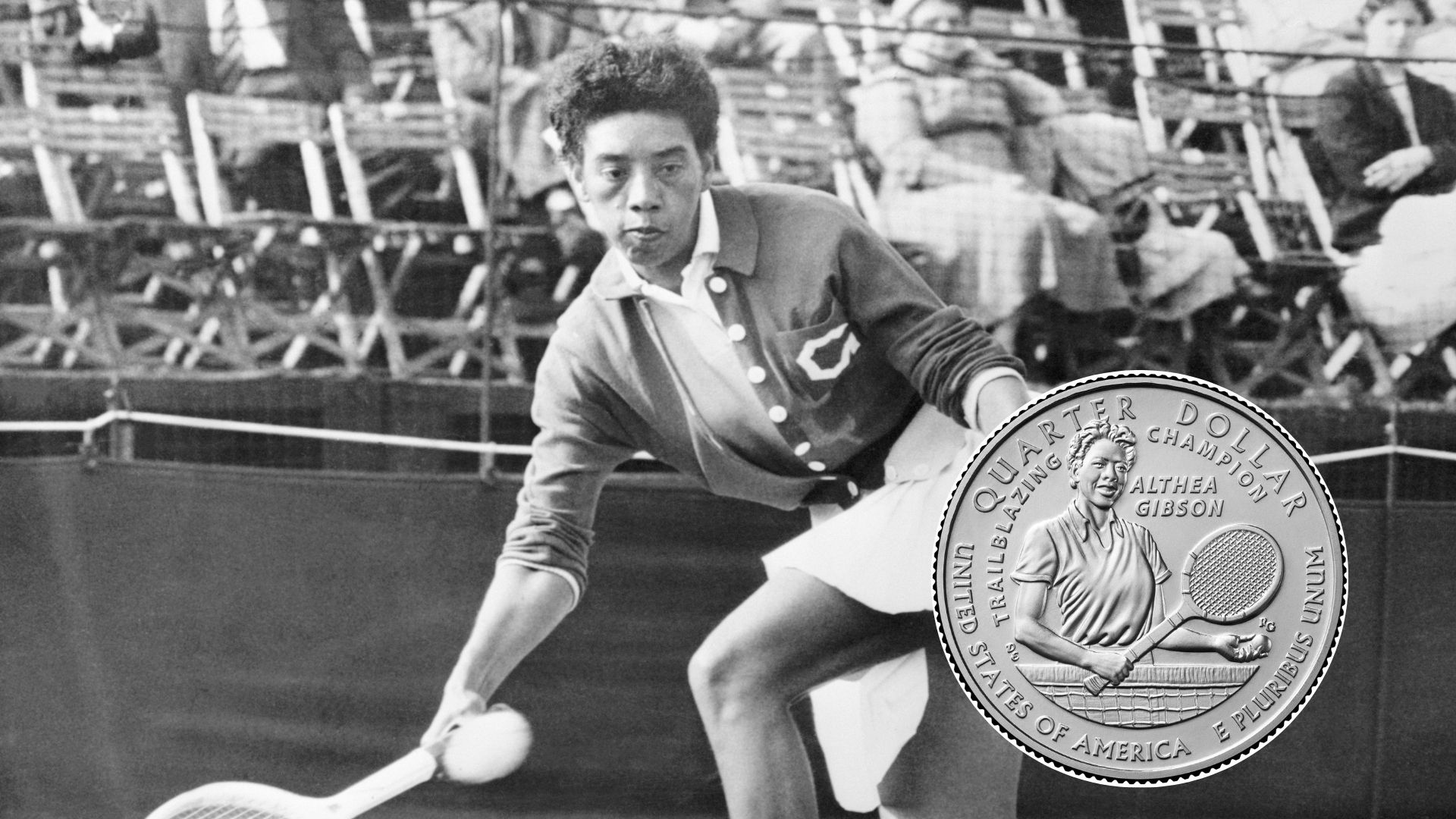
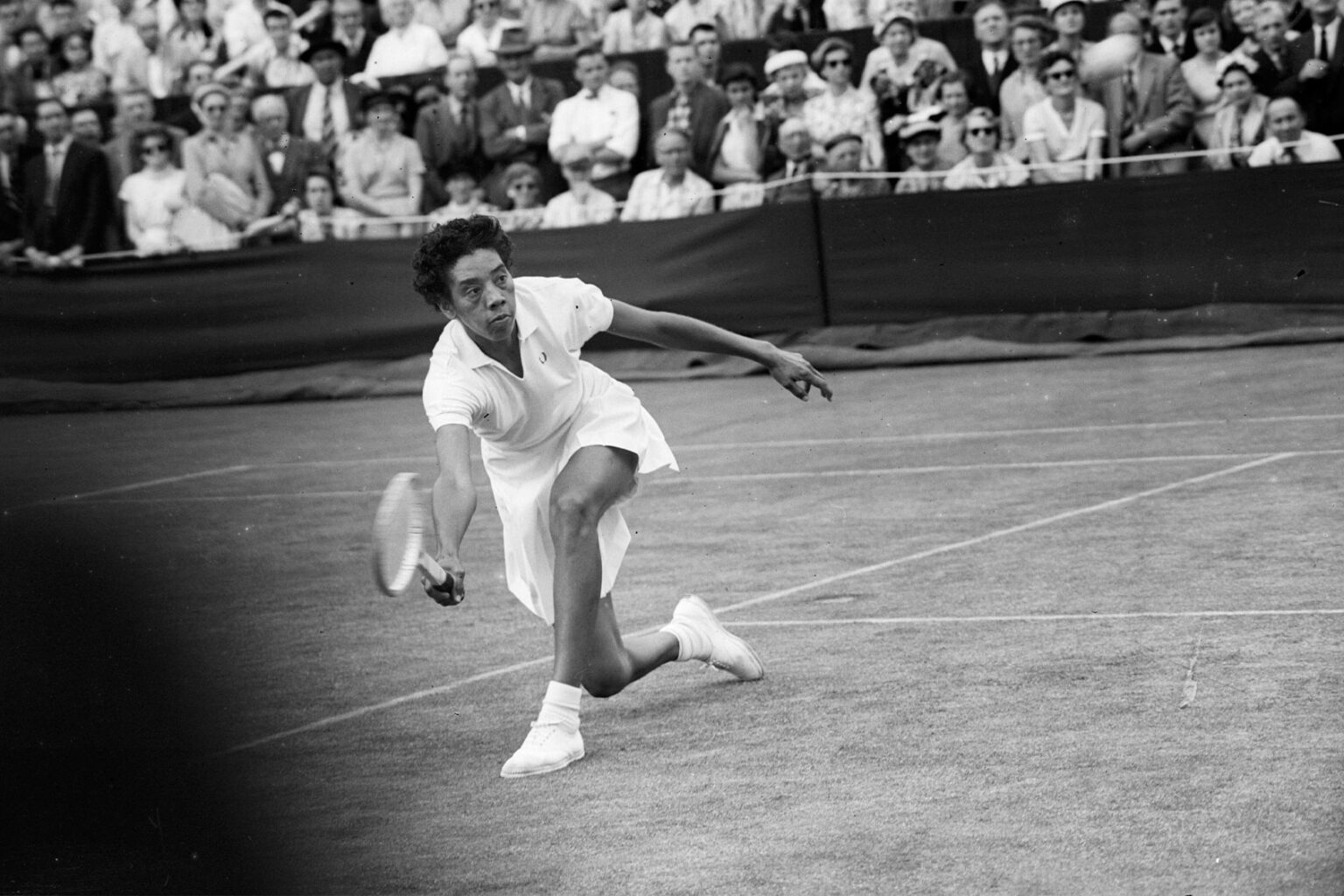
Althea Gibson, the trailblazing tennis champion who dismantled racial barriers in the 1950s, passed away on September 28, 2003, at the age of 76. Her death was caused by respiratory failure, a complication resulting from years of declining health, including a previous stroke and chronic heart issues. She died at East Orange General Hospital in New Jersey.
The Circumstances of Althea Gibson's Passing
In the late summer of 2003, the sports world lost one of its most significant historical figures. Althea Gibson's health had been in a fragile state for nearly a decade. By the time she was admitted to East Orange General Hospital in September 2003, her body was struggling against multiple systemic issues. While the immediate cause of death was recorded as respiratory failure, this diagnosis was the culmination of a long-term physical decline that began in the early 1990s.
Gibson’s health issues were not isolated to a single event. She had suffered a stroke in 1992, which significantly impaired her mobility and independence. In the years following the stroke, she also battled heart disease. These comorbidities are common in patients who eventually succumb to respiratory failure, as the heart and lungs operate in a tightly coupled system; when one fails, the other is frequently compromised.
At the time of her death, Gibson had been living a relatively quiet life in East Orange, New Jersey. Despite her monumental achievements—winning 11 Grand Slam titles, including five in singles—she lived her final years in near-poverty and isolation. The medical care she required was intensive, and the emotional toll of her physical limitations was documented by those close to her, including her long-time friend and doubles partner, Angela Buxton.
Understanding Respiratory Failure in a Clinical Context
To understand the cause of Althea Gibson’s death, one must look at the clinical definition and the physiological mechanics of respiratory failure. This condition occurs when the respiratory system fails in one or both of its gas exchange functions: oxygenation and carbon dioxide elimination.
Acute vs. Chronic Respiratory Failure
Respiratory failure is categorized into two main types:
- Type I (Hypoxemic): This occurs when the lungs cannot provide enough oxygen to the blood. It is often seen in conditions like pneumonia, pulmonary edema, or late-stage heart failure.
- Type II (Hypercapnic): This occurs when the body cannot remove enough carbon dioxide. This is common in patients with chronic obstructive pulmonary disease (COPD) or those who have suffered neurological damage, such as a stroke, which affects the muscles used for breathing.
In Gibson’s case, her history of a stroke and heart complications suggests a complex interplay between these two types. A stroke can weaken the neurological pathways responsible for involuntary breathing and the strength of the diaphragm. Combined with heart failure—where the heart cannot pump efficiently enough to support the lungs—the result is often a fatal inability to maintain blood-gas homeostasis.
The Role of Comorbidities
For an athlete of Gibson’s caliber, the decline in respiratory function is particularly stark. Having spent her youth in peak physical condition, her later years were marked by a body that could no longer meet its metabolic demands. When a patient presents with congestive heart failure, fluid can back up into the lungs (pulmonary edema), making it nearly impossible for the alveoli to transfer oxygen into the bloodstream. This physiological cascade is the most likely pathway that led to Gibson's final hospitalization and subsequent death.
The Long Road to 2003: A History of Health and Hardship
Althea Gibson’s path to her 2003 passing was paved with significant physical and financial hurdles. To grasp the gravity of her death, one must examine the decade preceding it.
The 1992 Stroke and Its Aftermath
The 1992 stroke was a turning point. For a woman who defined herself through movement, power, and athletic grace, the loss of motor function was devastating. Strokes often lead to dysphagia (difficulty swallowing) and muscle weakness, which increase the risk of aspiration pneumonia—a frequent precursor to respiratory failure in the elderly.
Following the stroke, Gibson became increasingly reclusive. She withdrew from the public eye, not wanting the world to see her in a weakened state. This isolation had practical consequences; she was unable to work or maintain the visibility required for the endorsements or coaching positions that might have provided a financial safety net.
Financial Instability and the Intervention of Peers
By the mid-1990s, Gibson’s situation was dire. She reached a point where she could no longer afford her rent or the medications required for her heart condition. In 1996, she famously told Angela Buxton that she was on the verge of taking her own life because she could no longer sustain her existence.
Buxton took immediate action, writing a letter to Tennis Week magazine to alert the public to Gibson’s plight. The response was a testament to Gibson’s impact on the sport. Fans and former competitors donated over $1 million to ensure she had the medical care and housing she needed. While this intervention improved her quality of life and allowed her to receive better medical monitoring, it could not reverse the underlying damage to her cardiovascular and respiratory systems.
Breaking the Color Line: The Foundation of Her Legacy
While her death was a somber conclusion, Althea Gibson’s life was defined by the barriers she shattered. Long before the era of Serena and Venus Williams, Gibson was the lone figure representing Black excellence in the predominantly white, upper-class world of mid-century tennis.
The 1950s Dominance
Gibson’s ascent was not just a sports story; it was a civil rights milestone. In 1950, after years of being barred from major tournaments, she became the first African American to play at the U.S. National Championships (now the US Open). Her breakthrough was championed by Alice Marble, a former champion who wrote a scathing editorial in American Lawn Tennis magazine, criticizing the sport's "de facto" segregation.
Her peak years, 1957 and 1958, saw her achieve a level of dominance that few have matched:
- Wimbledon: She won the singles title in both 1957 and 1958, becoming the first Black champion in the tournament's history.
- U.S. Nationals: She mirrored her Wimbledon success by winning back-to-back titles at Forest Hills.
- Ranking: She reached the World No. 1 ranking during this period.
Transitioning to Professional Golf
In an era where female athletes had few professional avenues, Gibson displayed remarkable versatility. After retiring from amateur tennis—where she was unable to earn prize money due to the "amateurism" rules of the time—she turned to professional golf. In 1964, she became the first Black woman to join the LPGA Tour. Although she did not achieve the same level of dominance in golf as she did in tennis, her presence on the tour was another significant blow to systemic segregation in American sports.
Comparative Overview of Major Career Milestones
The following table summarizes the pivotal moments in Althea Gibson's career and her posthumous recognition, reflecting her standing in the history of sports as of 2026.
| Year | Milestone | Impact / Significance |
|---|---|---|
| 1950 | First Black player at U.S. Nationals | Officially broke the color barrier in major American tennis. |
| 1956 | French Open Singles Title | First Grand Slam singles title for an African American. |
| 1957 | Wimbledon & U.S. Nationals Titles | Established her as the dominant force in women's tennis. |
| 1958 | Repeat Wimbledon & U.S. Titles | Confirmed her legacy; named AP Female Athlete of the Year. |
| 1964 | Joined the LPGA Tour | First Black woman to compete in the LPGA. |
| 1971 | International Tennis Hall of Fame | Inducted as a recognition of her historical and athletic contributions. |
| 1992 | Major Stroke | Beginning of the long-term health decline leading to her death. |
| 2003 | Death (Respiratory Failure) | The passing of a sports icon at age 76 in East Orange, NJ. |
| 2019 | Statue Unveiled at US Open | A permanent memorial at the Billie Jean King National Tennis Center. |
The Medical Legacy of Athletes and Aging
In 2026, medical researchers continue to study the long-term health outcomes of elite athletes from the pre-modern era. Althea Gibson’s case is often cited when discussing the transition from high-intensity physical activity to the sedentary lifestyle necessitated by aging and illness.
The physical toll of being a multi-sport pioneer in the 1950s and 60s was significant. Unlike today’s athletes, who benefit from advanced sports science, specialized nutrition, and rapid recovery protocols, Gibson played with heavy wooden rackets and competed in an era where medical intervention for sports injuries was primitive.
Furthermore, the "weathering" effect—a term used in public health to describe the physiological effects of social and economic adversity—cannot be ignored. The stress of being a racial pioneer, combined with the financial instability she faced later in life, likely contributed to the hypertension and cardiovascular strain that eventually led to her stroke and respiratory failure.
Remembering Althea Gibson: Honors and Tributes
Since her death in 2003, the appreciation for Althea Gibson’s contributions has only grown. For decades, many felt she had been unfairly forgotten by the sport she helped integrate. However, recent years have seen a concerted effort to rectify this.
In 2019, the United States Tennis Association (USTA) unveiled a statue of Gibson at the Billie Jean King National Tennis Center in New York. The monument serves as a reminder that before Arthur Ashe, and before the Williams sisters, there was Althea.
Her gravesite at Rosedale Cemetery in Orange, New Jersey, remains a point of pilgrimage for tennis fans. It is a modest site, but it represents the final resting place of a woman whose breath—though it eventually failed her—once powered a swing that changed the world of sports forever.
Frequently Asked Questions
What were the specific causes of Althea Gibson’s respiratory failure?
Respiratory failure is often a secondary condition. For Althea Gibson, it was likely caused by a combination of congestive heart failure and the long-term neurological effects of her 1992 stroke. When the heart cannot pump blood efficiently, fluid builds up in the lungs, preventing adequate oxygen intake.
Where did Althea Gibson die?
She died at East Orange General Hospital in East Orange, New Jersey. She had been a resident of the community for many years following her retirement from professional sports.
Did Althea Gibson have family with her when she died?
At the time of her death, Gibson was twice divorced and had no children. She was supported by close friends and the local community in East Orange. Her second husband, Sydney Llewellyn, remained a friend until his own death, but her final years were largely marked by the support of the tennis community rather than immediate family.
How did the tennis community react to her death?
The reaction was one of profound respect and some reflection on the sport's past failures to support her. Figures like Billie Jean King and Venus Williams have frequently cited Gibson as the primary reason they had a path to follow. Many tributes emphasized that she did not just play tennis; she endured the hardships of segregation so that others would not have to.
Is there a memorial for Althea Gibson today?
Yes, in addition to her statue at the USTA Billie Jean King National Tennis Center, there are several parks and tennis centers named in her honor, particularly in Newark and East Orange, New Jersey. Her legacy is also preserved through various scholarships and foundations aimed at supporting minority athletes.
Final Recommendation for Further Learning
To truly honor the memory of Althea Gibson, those interested in her life should look beyond the clinical details of her passing and engage with her autobiography, I Always Wanted to Be Somebody. This work provides the most intimate look at the internal drive that allowed her to overcome poverty and prejudice. Additionally, visiting the International Tennis Hall of Fame or the USTA’s official archives offers a deeper dive into the statistical and cultural impact of her career. Understanding the intersection of her physical health and her social struggles provides a complete picture of why she remains one of the most resilient figures in American history.