In 2026, Alpine Waste & Recycling continues to serve as a primary waste management provider for the Denver metropolitan area under the GFL Environmental umbrella. Residents and businesses can access residential trash and recycling pickup, commercial waste solutions, and specialized roll-off services by coordinating through the GFL Denver regional office or the localized service portals.
For decades, Alpine Waste & Recycling was the premier independent waste management company in Colorado. Since its acquisition and integration into GFL Environmental, the "Alpine" brand remains a household name for many Denverites. Navigating waste management in the Mile High City requires an understanding of how these private services interact with municipal regulations, particularly as Denver pushes toward aggressive zero-waste goals. Whether you are a homeowner in a managed HOA, a business owner complying with local ordinances, or a contractor managing a renovation, understanding the logistics, costs, and requirements of Alpine Waste's legacy services is essential for efficient disposal.
The Evolution of Alpine Waste and GFL in Denver
Alpine Waste & Recycling was founded in 1999 and grew to become the largest privately-owned waste company in the state. Its 2019 acquisition by GFL Environmental (Green For Life) marked a significant shift in the local landscape. As of 2026, while the trucks and bins have largely transitioned to the signature GFL green, the infrastructure established by Alpine—including the pioneering Altogether Recycling facility—remains the backbone of private waste processing in the Front Range.
The integration has allowed for a broader reach, covering Denver, Aurora, Arvada, Commerce City, and surrounding suburbs. For customers, this means that while you may still search for "Alpine Waste in Denver," your service agreements, billing, and customer support are handled through the GFL infrastructure. This transition has consolidated resources, allowing for more robust digital tracking and automated pickup scheduling, which are critical for the high-density growth Denver has experienced over the last few years.
Residential Waste and Recycling Services
In Denver, residential waste management is a split system. While the City and County of Denver provides services to many single-family homes, Alpine (GFL) provides the majority of services for homeowners’ associations (HOAs), apartment complexes, and residents in unincorporated areas or surrounding municipalities.
Standard Trash Collection
Residential service typically includes a 96-gallon or 64-gallon wheeled cart. In 2026, the emphasis is on volume-based pricing, often referred to as "Pay-As-You-Throw." By choosing a smaller trash bin and maximizing recycling or composting, households can significantly reduce their monthly service fees. Alpine’s residential routes are optimized using GPS technology to ensure timely pickups, which typically occur between 7:00 AM and 5:00 PM on your designated service day.
Single-Stream Recycling
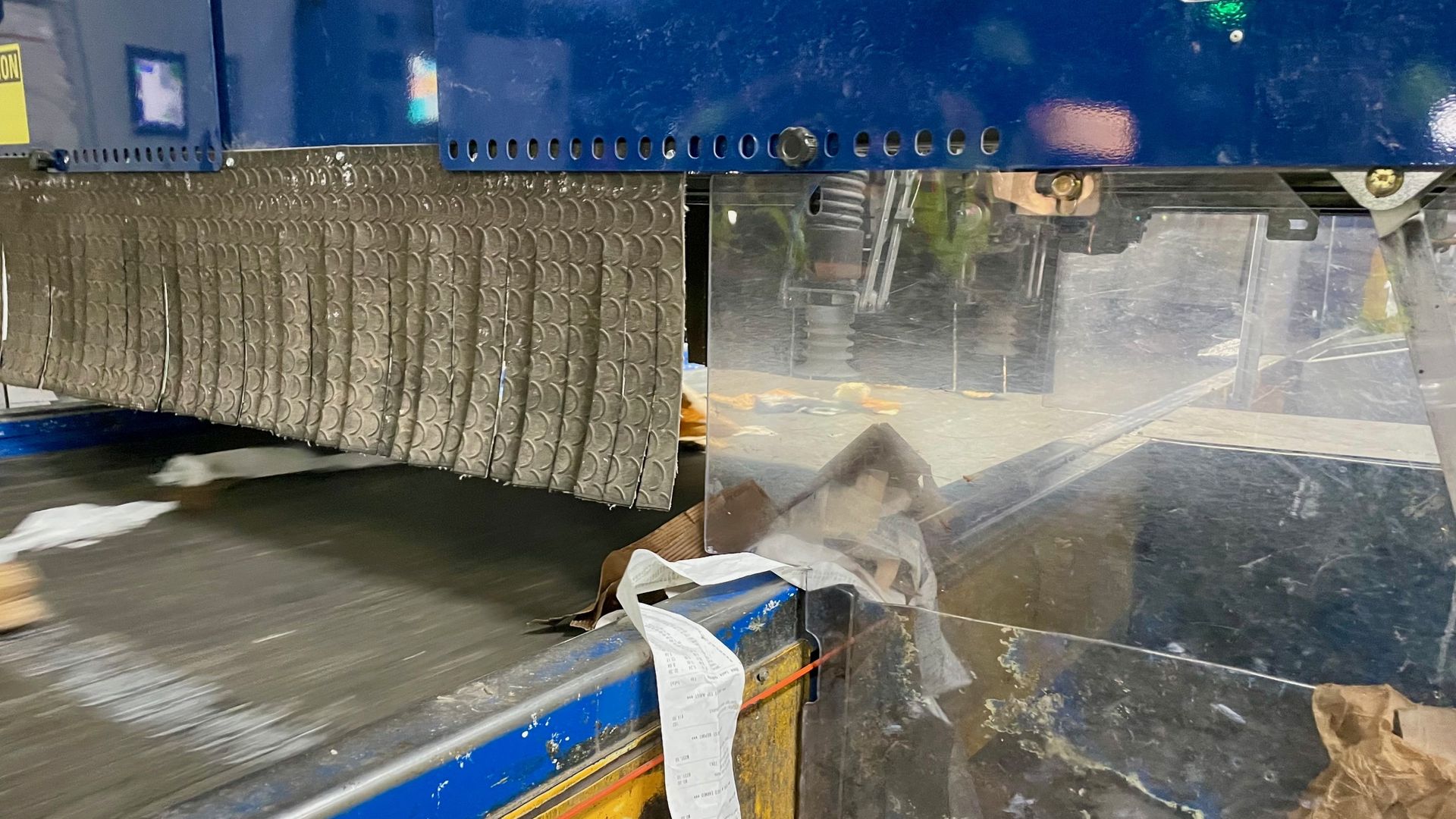
Alpine was a leader in implementing single-stream recycling in Colorado through its "Altogether Recycling" program. This system allows residents to place all recyclable materials—paper, cardboard, plastics #1-7, aluminum, and glass—into a single bin without sorting. In 2026, the facility utilizes advanced optical sorters and AI-driven robotics to separate these materials with higher purity rates than previous years.
Organic Waste and Composting
With Colorado's increasing focus on landfill diversion, Alpine/GFL has expanded organic waste collection. This service is particularly vital for Denver residents who are now subject to stricter organic disposal guidelines. Residential composting includes food scraps, yard trimmings, and certified compostable packaging. This material is diverted to regional industrial composting facilities rather than the Denver Regional Landfill.
Commercial Waste Management in Denver
For Denver business owners, waste management is no longer just about disposal; it is about compliance. The "Waste No More" ordinance, which has reached full implementation by 2026, mandates that all commercial businesses, including restaurants and retail, must provide recycling and organic waste collection for both employees and customers.
Custom Commercial Solutions
Alpine provides a variety of container sizes for businesses, ranging from 2-yard to 8-yard dumpsters. The frequency of pickup can be customized from once a week to daily, depending on the volume of waste generated. For high-volume businesses like grocery stores or manufacturing plants, Alpine offers onsite compactors that reduce the footprint of waste and decrease the frequency of necessary pickups, thereby lowering carbon emissions from truck traffic.
Compliance and Auditing
One of the specialized services Alpine offers in 2026 is waste auditing. To help businesses comply with Denver’s strict diversion mandates, specialists analyze the waste stream and provide a roadmap for better recycling. This is particularly useful for commercial entities looking to achieve LEED certification or those aiming to reduce their "Environmental Fee" surcharges by proving a high percentage of diverted waste.
The Altogether Recycling Facility: Denver’s Processing Hub
The Altogether Recycling facility in North Denver remains one of the most sophisticated Material Recovery Facilities (MRFs) in the Rocky Mountain region. If you utilize Alpine waste services, your recyclables are likely processed here.
The facility is designed to handle:
- Corrugated Cardboard: High demand from local shipping and packaging industries.
- Mixed Paper: Including newsprint, magazines, and office paper.
- Plastics: Specifically high-density polyethylene (HDPE) and polyethylene terephthalate (PET).
- Metals: Aluminum cans and steel/tin food containers.
- Glass: While many national haulers struggle with glass, the Denver facility maintains a robust glass recovery chain, often sending cullet to local bottle manufacturers or fiberglass producers.
Roll-Off Dumpsters for Construction and Cleanouts
For temporary projects such as home renovations, roofing, or commercial construction, Alpine provides roll-off containers. In 2026, these are a staple at job sites across the Denver skyline.
Sizing and Use Cases
- 10-Yard Containers: Ideal for heavy materials like dirt, concrete, or brick, as well as small basement cleanouts.
- 20-Yard Containers: The "Goldilocks" size for medium renovations or deck removals.
- 30-Yard Containers: Best for large-scale construction debris or whole-home decluttering projects.
- 40-Yard Containers: Reserved for commercial construction or major industrial projects.
Prohibited Items in Roll-Offs
To comply with Colorado Department of Public Health and Environment (CDPHE) regulations, certain items cannot be placed in Alpine roll-offs. These include:
- Hazardous waste (paints, solvents, pesticides).
- Electronics (E-waste laws in Colorado strictly prohibit landfilling computers or TVs).
- Tires and car batteries.
- Appliances containing Freon (refrigerators, AC units).
2026 Service Comparison and Features
The following table outlines the standard service offerings for Alpine Waste in the Denver area to help you determine the correct tier for your needs.
| Service Type | Primary User | Typical Frequency | Key Features |
|---|---|---|---|
| Residential Curbside | Single-family, HOAs | Weekly | Trash, Recycling, and Optional Compost |
| Commercial Front-Load | Restaurants, Retail, Offices | 1–7x per week | 2 to 8-yard bins; mandatory recycling compliance |
| Industrial Compactor | Manufacturers, Large Grocery | On-call / Scheduled | High volume; reduces pickup frequency |
| Temporary Roll-Off | Contractors, Homeowners | 7–14 day rental | 10 to 40-yard sizes; weight-limit based pricing |
| Altogether Recycling | Municipal/Commercial | Continuous | High-recovery sorting for single-stream materials |
Scheduling, Pricing, and Account Management
Managing your Alpine (GFL) account in 2026 is primarily done through the "My Account" online portal. This digital shift allows Denver customers to view their pickup calendars, pay bills, and report missed pickups without waiting for a customer service representative.
Understanding Your Bill
Your monthly or quarterly invoice from Alpine/GFL generally consists of several components:
- Base Service Rate: The flat fee for the container and pickup.
- Environmental Fee: Covers the cost of environmental compliance and investment in sustainable infrastructure.
- Fuel Surcharge: A variable fee that fluctuates based on the regional cost of diesel and Compressed Natural Gas (CNG).
- Regulatory Fees: Local Denver taxes or franchise fees required by the municipality.
Holiday Schedule
Alpine Waste typically observes six major holidays in Denver: New Year's Day, Memorial Day, Independence Day, Labor Day, Thanksgiving Day, and Christmas Day. If your service day falls on or after a holiday during the week, your pickup will generally be delayed by one day for the remainder of that week.
Sustainability and Local Impact
Alpine Waste has long been a pioneer in Denver’s sustainability efforts. In 2026, the company’s fleet is increasingly comprised of CNG-powered trucks, which emit significantly less particulate matter and nitrogen oxides compared to traditional diesel engines. This is a critical factor in the Denver metro area’s ongoing battle with "Ozone Friday" alerts and air quality management.
By choosing a hauler with a localized processing facility (Altogether Recycling), Denver residents help minimize the "waste miles" traveled by their recyclables. This local loop ensures that the energy savings gained from recycling are not offset by the carbon footprint of long-distance transportation.
Frequently Asked Questions
Why is my Alpine Waste bill now labeled as GFL Environmental?
Alpine Waste was acquired by GFL Environmental in 2019. By 2026, the transition is complete, meaning all administrative and billing functions are handled under the GFL name. The service routes, local drivers, and the Denver processing facilities remain largely the same, but the branding has moved to GFL’s signature green.
How do I dispose of "Hard-to-Recycle" items in Denver?
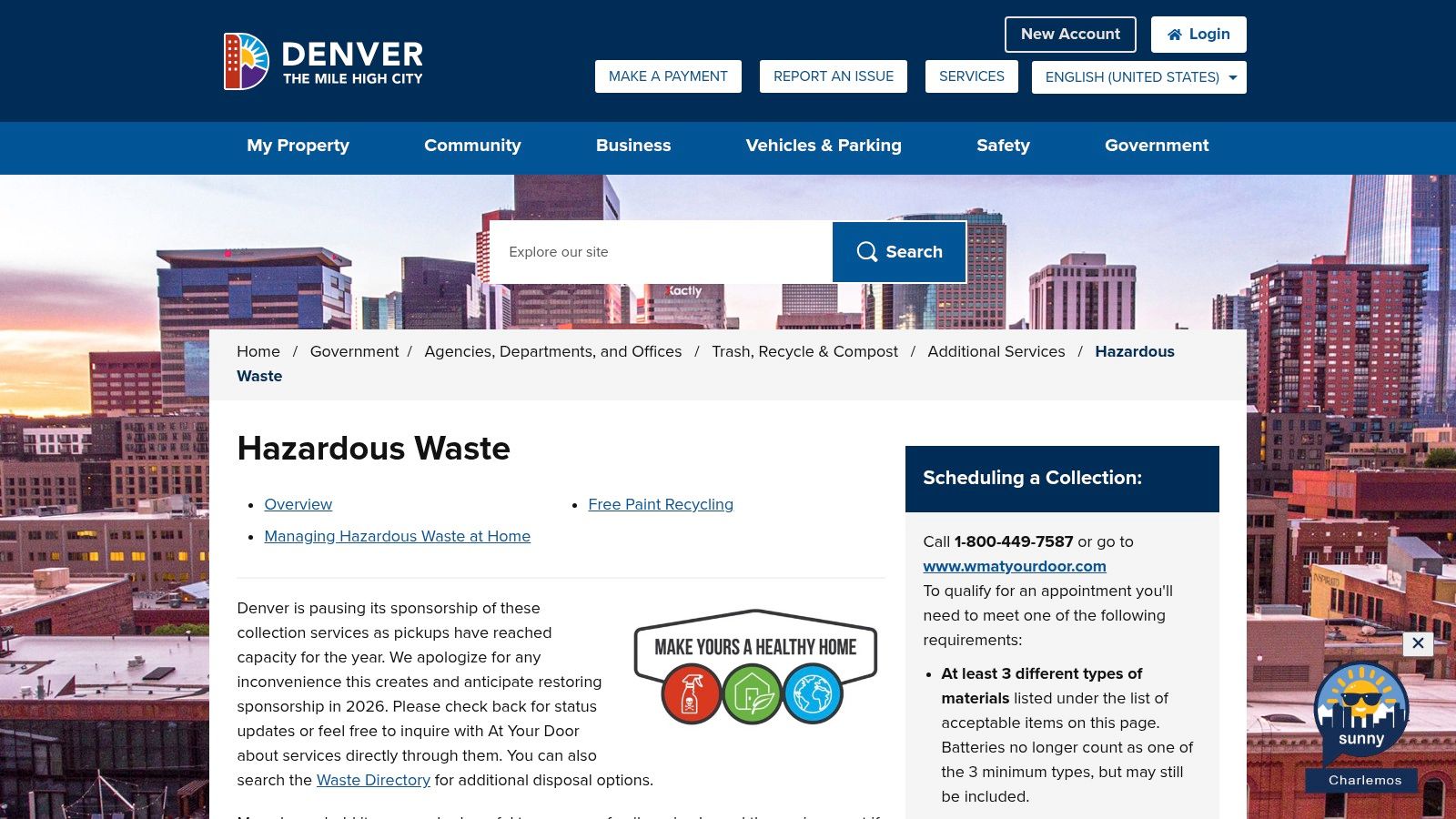
Alpine’s curbside recycling is for standard materials (paper, plastic, metal, glass). For items like batteries, lightbulbs, or chemicals, you should not use your Alpine bin. Instead, Denver residents can use the Denver Household Hazardous Waste Collection Program or visit specialized drop-off centers like the Center for Hard to Recycle Materials (CHaRM).
What should I do if my trash was not picked up?
First, ensure your bin was at the curb by 7:00 AM and that it was not blocked by parked cars or snowbanks. If the bin was accessible and still missed, you can report a missed pickup through the GFL/Alpine mobile app or website. Most missed pickups are rectified within 24 to 48 hours.
Can I set up composting through Alpine in all parts of Denver?
Compost service availability depends on your specific neighborhood and whether Alpine has an active organics route in that area. While Denver’s municipal service covers many residential areas, Alpine/GFL is the primary provider of composting for commercial businesses and multi-family units (apartments/condos) required to compost under the 2022 Waste No More ordinance.
Does Alpine Waste offer yard waste removal?
Yes, yard waste (branches, leaves, grass clippings) can be collected. For residential customers, this is often included in the compost service. For larger amounts of yard debris, such as after a spring cleanup or a storm, you may need to schedule a "bulk item" pickup or rent a small roll-off container.
Practical Recommendation for Denver Residents
To optimize your waste management experience with Alpine in 2026, audit your waste stream before signing a service contract. Many Denver residents and businesses overpay for large trash containers that are only half-full. By switching to a smaller trash bin and maximizing your recycling and composting bins—which are often priced more competitively to encourage diversion—you can lower your monthly costs while helping the city reach its goal of a 50% diversion rate by 2027. Always download the local service calendar to your mobile device to stay updated on holiday delays and "extra bag" collection events.