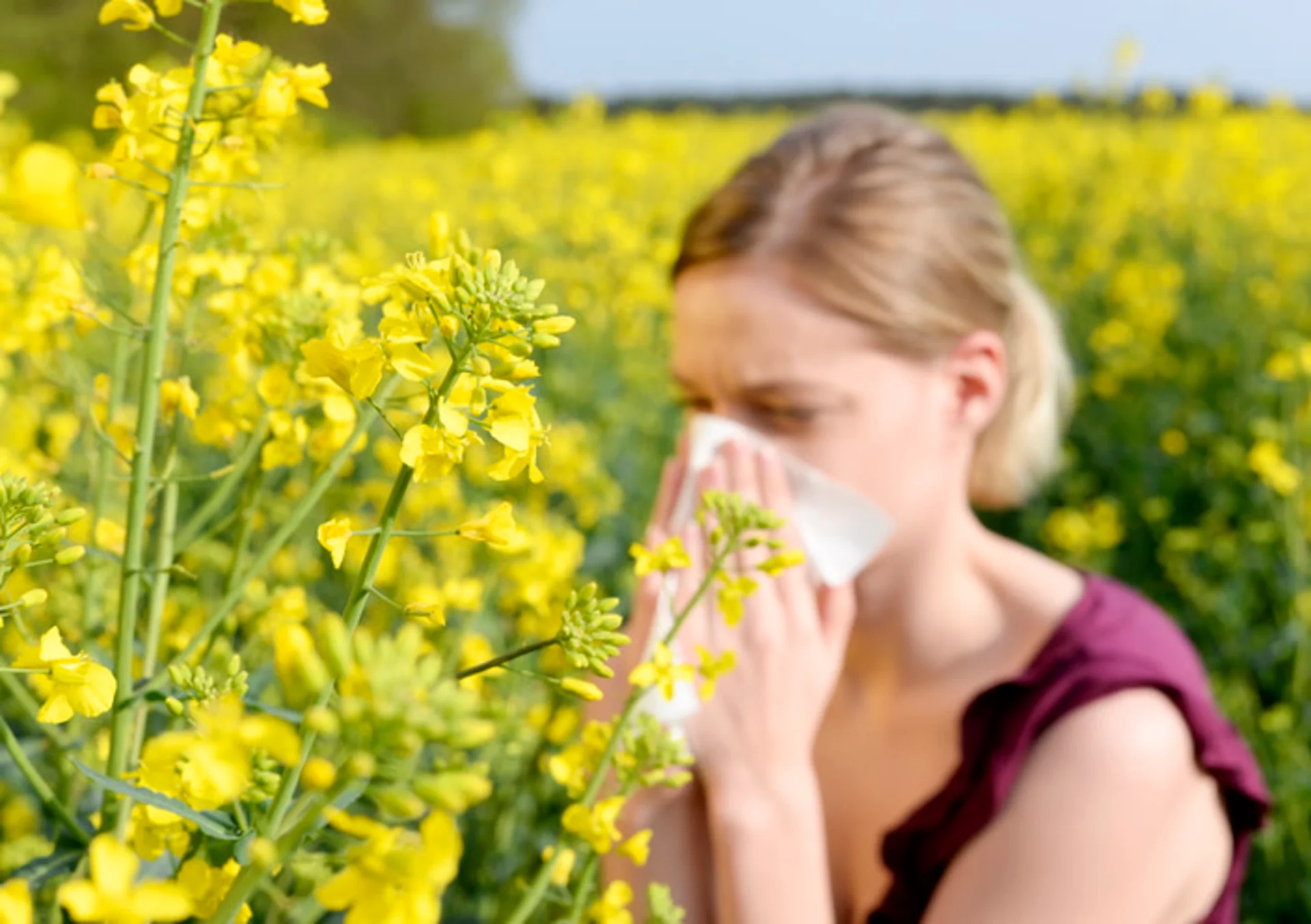
Allergies are significantly worse this year because of a combination of rising global temperatures, increased atmospheric carbon dioxide, and shifting urban landscaping trends. These factors have extended the pollen season by several weeks and increased the volume and potency of allergens, making standard seasonal sensitivities more intense and harder to treat with traditional methods.
The sensation that your sneezing, itchy eyes, and congestion are more severe than in previous decades is not merely anecdotal. Scientific data increasingly confirms that the "pollen season" is no longer a discrete window of time but a prolonged period of high-intensity exposure. For those living with allergic rhinitis or asthma, understanding the biological and environmental drivers of this shift is the first step toward reclaiming their quality of life.
The Scientific Reality Behind Worsening Allergy Seasons
To understand why allergies feel more punishing in 2026, we must look at the intersection of botany and meteorology. The primary drivers are environmental shifts that have fundamentally altered how plants grow and reproduce.
Climate Change and the Lengthening Pollen Season
For decades, the pollen season in North America and Europe followed a predictable pattern: tree pollen in the spring, grass pollen in the summer, and weed pollen (like ragweed) in the autumn. However, as global temperatures have risen, the "frost-free" period has extended. This means plants begin producing pollen earlier in the late winter and continue deep into the fall.
Studies from organizations like the American Academy of Allergy, Asthma & Immunology (AAAAI) have noted that pollen seasons are now approximately 20 days longer than they were in the 1990s. This extended duration prevents the immune system from recovering. When your body is in a state of chronic inflammation for six months rather than two, the symptoms become cumulative, leading to the "worse than ever" feeling many patients report.
Atmospheric CO2 and Pollen Potency
Carbon dioxide (CO2) acts as a powerful fertilizer for many allergen-producing plants. Research has demonstrated that plants grown in high-CO2 environments—like our current atmosphere—not only grow larger but also produce significantly more pollen per plant.
Furthermore, the pollen grains themselves are becoming more "potent." The concentration of the specific proteins that trigger the human allergic response (such as Amb a 1 in ragweed) has been shown to increase alongside CO2 levels. Essentially, you are not just breathing in more pollen; you are breathing in more aggressive pollen.
Environmental and Urban Factors Increasing Exposure
While global trends set the stage, local environments dictate the daily severity of symptoms. Urban dwellers often face unique challenges that exacerbate respiratory distress.
The Urban Heat Island Effect
Cities are typically several degrees warmer than surrounding rural areas due to asphalt, concrete, and a lack of vegetation. This "Urban Heat Island" effect acts as a micro-climate accelerator. In 2026, urban centers often see tree pollen peaks up to two weeks earlier than rural suburbs. The heat also traps pollutants like ozone and particulate matter at ground level. These pollutants can irritate the lining of the nasal passages, making them more permeable and sensitive to pollen—a phenomenon known as the "priming effect."
Botanical Sexism and Urban Planning
A less-discussed but critical factor in worsening urban allergies is the history of "botanical sexism" in city planning. For decades, urban landscapers and municipal governments preferred planting male trees because they do not produce "messy" seeds, fruits, or pods. However, male trees produce pollen.
By filling city streets with male-only clones of species like maple, ash, and oak, planners inadvertently created "pollen traps." Without female trees to catch and neutralize the pollen for fertilization, the airborne concentration remains exceptionally high, directly impacting those living and working in high-density areas.
Identifying Your Specific Triggers in 2026
Effective management requires knowing exactly what your body is reacting to. Symptoms of seasonal allergies often overlap with common colds or viral infections, leading to improper treatment.
- Tree Pollen (Late Winter/Spring): Common culprits include Birch, Oak, Cedar, and Maple. Symptoms often include intense eye itching and "allergic shiners" (dark circles under the eyes).
- Grass Pollen (Late Spring/Summer): Timothy, Kentucky Blue, and Orchard grasses are major triggers. This often manifests as severe sneezing fits and throat irritation.
- Weed Pollen (Late Summer/Fall): Ragweed is the dominant force here. A single ragweed plant can produce up to a billion grains of pollen in a single season.
- Mold Spores: Unlike pollen, mold can peak after heavy rains or during periods of high humidity. Mold allergies often cause a "heavy" feeling in the chest and can trigger asthma attacks more frequently than pollen.
Comparative Breakdown of Allergy Management Strategies
Selecting the right intervention depends on the severity of your symptoms and your lifestyle. The following table compares the most common approaches used in 2026.
| Strategy | Primary Use | Onset of Relief | Best For | Potential Side Effects |
|---|---|---|---|---|
| Oral Antihistamines | Sneezing, Itching, Runny Nose | 1–3 Hours | Mild to moderate daily symptoms | Drowsiness (with older versions), dry mouth |
| Nasal Corticosteroids | Nasal Congestion, Inflammation | 12 Hours to 3 Days | Chronic blockage and "heavy" allergies | Nasal dryness, occasional nosebleeds |
| Immunotherapy (Shots) | Long-term desensitization | 6–12 Months | Severe, life-disrupting allergies | Redness at site, rare systemic reaction |
| HEPA Filtration | Indoor allergen reduction | Immediate (Local) | Nighttime symptom relief and asthma | None (Mechanical only) |
| Nasal Saline Rinses | Mechanical removal of pollen | Immediate | Flushing out trapped allergens | Mild discomfort, "drowning" sensation |
Medical Interventions: From OTC to Immunotherapy
If your allergies are worse this year, your old over-the-counter (OTC) routine may no longer be sufficient. Modern allergy management often requires a multi-layered medical approach.
Standard Pharmacotherapy
Most patients start with second-generation antihistamines (such as cetirizine, loratadine, or fexofenadine). These are preferred because they do not cross the blood-brain barrier as easily as older drugs like diphenhydramine, meaning they cause less sedation.
However, the "gold standard" for moderate to severe allergies in 2026 remains the nasal corticosteroid spray. Unlike antihistamines, which only block the histamine response, steroids reduce the underlying inflammation in the nasal tissue. For best results, these should be started two weeks before your known trigger season begins. This "pre-loading" prevents the inflammatory cascade from gaining momentum.
The Rise of Sublingual Immunotherapy (SLIT)
For those who do not find relief through medication, immunotherapy is the only way to "cure" the allergy. While traditional allergy shots (Subcutaneous Immunotherapy) remain popular, Sublingual Immunotherapy (SLIT)—dissolvable tablets or drops placed under the tongue—has become a mainstream alternative. SLIT allows patients to treat themselves at home after an initial office visit, making it a more accessible option for busy professionals. These treatments train the immune system to tolerate the allergen, eventually eliminating the allergic response entirely.
Lifestyle and Home Modifications to Reduce Allergen Load
Medication works best when combined with aggressive environmental control. You cannot control the air outside, but you can control your "personal envelope."
- The "Buffer Zone" Strategy: When you return home from being outdoors, your clothes, hair, and skin are covered in microscopic pollen grains. To prevent transferring these to your furniture and bedding, change your clothes immediately upon entering the house and shower before going to bed.
- High-Efficiency Particulate Air (HEPA) Filters: Using a HEPA-certified air purifier in the bedroom can significantly reduce the "overnight load" on your immune system. Ensure the unit has a Clean Air Delivery Rate (CADR) appropriate for the room's square footage.
- Monitor the Pollen Count, Not the Weather: Use localized apps to track specific pollen counts. On days when counts are "Very High" or "Extreme," keep windows closed and set your car's climate control to "recirculate" to prevent pulling in outdoor air.
- Laundry Habits: Never hang laundry to dry outside during pollen season. Wet fabric acts as a magnet for airborne allergens, which you then press against your skin all day or breathe in all night.
When to See an Allergist
It is important to recognize when self-management is no longer safe or effective. Seasonal allergies are more than a nuisance; they are a significant risk factor for secondary complications. You should consult a board-certified allergist if:
- Your symptoms trigger wheezing, chest tightness, or shortness of breath (signs of allergic asthma).
- OTC medications no longer provide relief even at maximum dosages.
- You suffer from frequent sinus infections (sinusitis) or ear infections.
- Your symptoms interfere with your sleep, work performance, or ability to exercise.
An allergist can perform skin-prick testing or specific IgE blood tests to identify your exact triggers, allowing for a precision treatment plan rather than a "one-size-fits-all" approach.
Note: This information is for educational purposes and does not constitute medical advice. Always consult with a healthcare professional before starting new medications or treatments, especially if you have underlying health conditions.
Frequently Asked Questions
Why do my allergies feel like a cold that won't go away?
Allergies and colds share symptoms like a runny nose and congestion, but allergies lack a fever and typically involve intense itching (eyes, nose, or throat). Because the 2026 pollen season is so long, your body stays in a constant state of immune activation, mimicking a "permanent cold." If your mucus is clear and your eyes are itchy, it is likely allergies rather than a virus.
Can I develop allergies as an adult even if I never had them before?
Yes, adult-onset allergies are increasingly common. Changes in your environment, moving to a new geographic region, or shifts in your immune system's regulation can cause you to become sensitized to allergens you previously tolerated. The increased potency of pollen in 2026 also means that people who were "borderline" allergic in the past are now crossing the threshold into symptomatic reactions.
Does eating local honey actually help with seasonal allergies?
There is very little scientific evidence to support the claim that local honey reduces seasonal allergies. Most bees collect pollen from bright, flowering plants (like clover or wildflowers), but the pollens that cause allergies usually come from wind-pollinated trees, grasses, and weeds. The concentration of relevant pollen in honey is too low and inconsistent to act as a form of immunotherapy.
Is it safe to take allergy medication every day for several months?
Most modern, non-drowsy antihistamines and nasal steroids are designed for long-term seasonal use. However, you should avoid long-term use of decongestant nasal sprays (like oxymetazoline), as they can cause "rebound congestion" where your nose becomes permanently swollen unless you use the spray. Always review your long-term medication plan with a physician.
Why are my symptoms worse at night or early in the morning?
Many plants release their pollen at daybreak, causing a spike in atmospheric concentrations in the early morning. At night, as the air cools, pollen that was lifted high into the atmosphere during the heat of the day begins to settle back down to ground level. Additionally, if you haven't showered before bed, you may be breathing in pollen trapped in your hair or on your pillowcase throughout the night.
Practical Recommendation
If you find that "allergies are worse this year," the most effective action you can take is to transition from a reactive approach to a proactive one. Stop waiting for symptoms to appear before taking medication. Consult a specialist for a skin-prick test to identify your specific triggers, and begin using a nasal corticosteroid spray two weeks before that specific pollen peaks. Combine this with "entryway hygiene"—changing clothes and rinsing your hair after outdoor exposure—to minimize your total allergen load and protect your respiratory health throughout the extended 2026 season.