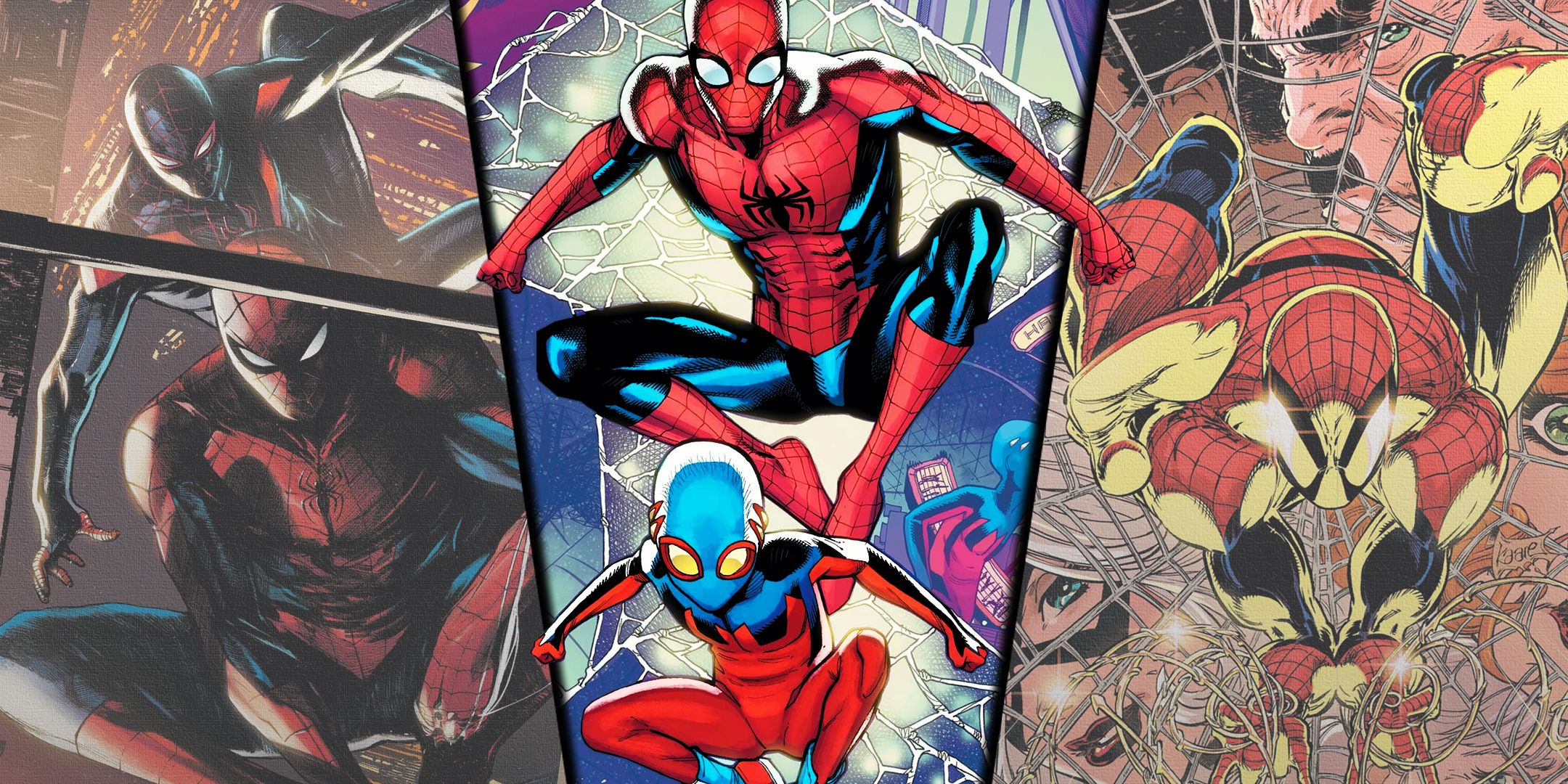
Spider-Man’s mythos spans over six decades of comic book history, encompassing a vast multiverse of variants, allies, and adversaries. While the primary search intent typically focuses on the identity of Peter Parker and his various counterparts, the expansive nature of the Marvel Universe means that hundreds of characters carry the Spider-Man mantle or operate within the localized Spider-Verse, ranging from classic iterations like Miles Morales and Gwen Stacy to niche alternate-reality versions.
Defining the Spider-Man Identity
To understand the vast array of characters, one must first distinguish between the primary incarnations and the broader collection of Spider-themed heroes. The identity of "Spider-Man" is not limited to a single individual; it is a legacy title, a biological manifestation of spider-based powers, and, in some cases, a mantle passed down through generations or across dimensions.
The most prominent figure remains Peter Parker, the original hero created by Stan Lee and Steve Ditko in 1962. However, the introduction of the Multiverse concept has allowed for infinite variations. When searching for "all Spider-Man characters," users are generally looking to categorize these entities into logical groups: those who were bitten by radioactive or genetically modified spiders, those who utilize advanced technology, and those who originate from distinct, non-canonical, or localized storylines.
Key Variations: The Primary Spider-People
The following list identifies the most significant characters who have officially adopted the name Spider-Man or operate as the primary "Spider-hero" within their respective realities.
Peter Parker (Earth-616)
The definitive Spider-Man. Peter Parker serves as the anchor for the Marvel Universe. His journey from an orphaned teenager in Queens to a seasoned hero defines the template for all other versions of the character.
Miles Morales (Earth-1610/616)
Introduced in 2011, Miles Morales has become the most significant successor to the Spider-Man title. Initially emerging from the Ultimate Marvel imprint, his inclusion in the core 616 continuity solidified him as a permanent fixture in the Marvel hierarchy.
Miguel O’Hara (Earth-928)
Known as Spider-Man 2099, Miguel O’Hara operates in a dystopian future. His existence demonstrates that the Spider-Man persona is not bound by the constraints of the 20th century.
Gwen Stacy (Earth-65)
While often referred to as Ghost-Spider or Spider-Gwen, in her home reality, she is the primary spider-powered protagonist. Her prominence in modern media has effectively elevated her to a tier equivalent to any major Spider-Man iteration.
The Spider-Verse Ecosystem: Categorization Table
Navigating the multitude of Spider-Man characters requires a structured approach. The following table highlights core distinctions based on origin, media, and status.
| Character Name | Primary Reality | Origin Type | Status |
|---|---|---|---|
| Peter Parker | Earth-616 | Radioactive Spider | Mainstream |
| Miles Morales | Earth-1610 | Genetically Altered | Active |
| Miguel O’Hara | Earth-928 | DNA Manipulation | Futuristic |
| Ben Reilly | Earth-616 | Clone | Supporting |
| May "Mayday" Parker | Earth-982 | Inheritance | Legacy |
| Pavitr Prabhakar | Earth-50101 | Mystical Totem | Regional |
| Hobie Brown | Earth-138 | Radioactive Waste | Revolutionary |
Understanding the Spider-Totems and Lore
A critical, often overlooked aspect of all Spider-Man characters is the concept of the "Spider-Totem." Introduced in the early 2000s, this narrative device explains that the spider powers held by Peter Parker and his variants are not merely accidental. Instead, they are part of a cosmic web—the Great Web of Life and Destiny.
This lore explains why so many different individuals across the multiverse manifest spider-powers. They are chosen avatars of the Spider-Totem, tasked with protecting the web from existential threats like the Inheritors. When exploring the names of all Spider-Man characters, understanding this metaphysical connection is essential for distinguishing between "random accidents" and "destined heroes."
Villains and Supporting Cast: Expanding the Scope
While "Spider-Man characters" primarily refers to those holding the name, the character's legacy is defined by his supporting cast and antagonists. A complete list of characters associated with Spider-Man must acknowledge the "Spider-Family," including Silk (Cindy Moon), Anya Corazon (Spider-Girl), and Kaine Parker (Scarlet Spider).
Furthermore, the villains often defined as "Spider-Man characters" constitute a rogue's gallery that is arguably the most famous in comic book history. Names such as Green Goblin (Norman Osborn), Doctor Octopus (Otto Octavius), Venom (Eddie Brock), and The Vulture (Adrian Toomes) are inextricably linked to the identity of Spider-Man. Without these characters, the definition of a "Spider-Man character" remains incomplete, as their development is deeply intertwined with the protagonist's growth.
Navigating Niche and Obscure Variants
The Spider-Verse is populated with thousands of minor characters who make brief appearances in event comics. These include versions such as:
- Spider-Ham (Peter Porker): A humorous take on the hero, proving the mantle can transcend species.
- Spider-Punk: A version emphasizing the counter-cultural aspects of the character.
- Supaidāman (Takuya Yamashiro): The star of the 1978 Japanese Spider-Man television series, which introduced the giant robot Leopardon to the franchise lore.
When compiling a comprehensive list, one must prioritize those with verified publication history over "throwaway" background characters who appear for only a single panel in large-scale crossover events.
Common Misconceptions Regarding Spider-Man Characters
A frequent error in research is the conflation of "characters with spider powers" and "characters who go by the name Spider-Man." While characters like Venom or Carnage possess spider-like abilities—specifically wall-crawling and organic webbing—they are not members of the Spider-Man family in a nominal or thematic sense.
Another common point of confusion is the status of Peter Parker’s clones. Characters like Ben Reilly and Kaine Parker have both held the title of Spider-Man at various points in time, yet they remain distinct individuals. It is vital to attribute the name to the character based on the specific publication period or storyline being referenced.
Frequently Asked Questions
Is there a definitive list of all Spider-Man characters?
Because Marvel continues to publish new stories across the multiverse, an absolute, static list does not exist. The term "Spider-Man" is applied to new characters annually through various comic lines, spin-off series, and animated features.
Are all spider-powered people considered Spider-Man?
No. While many characters share the "Spider" moniker (such as Spider-Woman, Spider-Girl, or Silk), they operate as distinct entities with their own missions and identities. Only those who have officially adopted the name Spider-Man—or occupy that specific role in their reality—are considered part of the Spider-Man name legacy.
Does Miles Morales have the same powers as Peter Parker?
Not entirely. While they share wall-crawling and spider-sense, Miles Morales possesses unique abilities such as the "Venom Blast" (bio-electric shock) and camouflage (invisibility). These differences ensure that his character remains unique, rather than just a replacement for the original.
What is the origin of the name Spider-Man?
In the original 1962 publication, Peter Parker chose the name after gaining his powers from a radioactive spider bite. The name was intended to sound mysterious and slightly menacing, fitting the initial "masked vigilante" trope common in the era's pulp-inspired comics.
Why do some characters look like Spider-Man but have different names?
This is due to the "Spider-Verse" narrative structure. To avoid confusion, characters in alternate universes are given unique titles (e.g., Ghost-Spider) even when their physical abilities and origin stories mirror those of Peter Parker.
Final Guidance for Tracking Characters
For readers aiming to track characters accurately, the best practice is to utilize official databases maintained by publishers, such as the Marvel Official Index or digital archives. These sources are updated periodically to account for new entries in the Spider-Verse. When performing your own research, always confirm the "Earth Number" (the designated universe) of the character, as this is the most reliable way to differentiate between multiple versions of the same name.