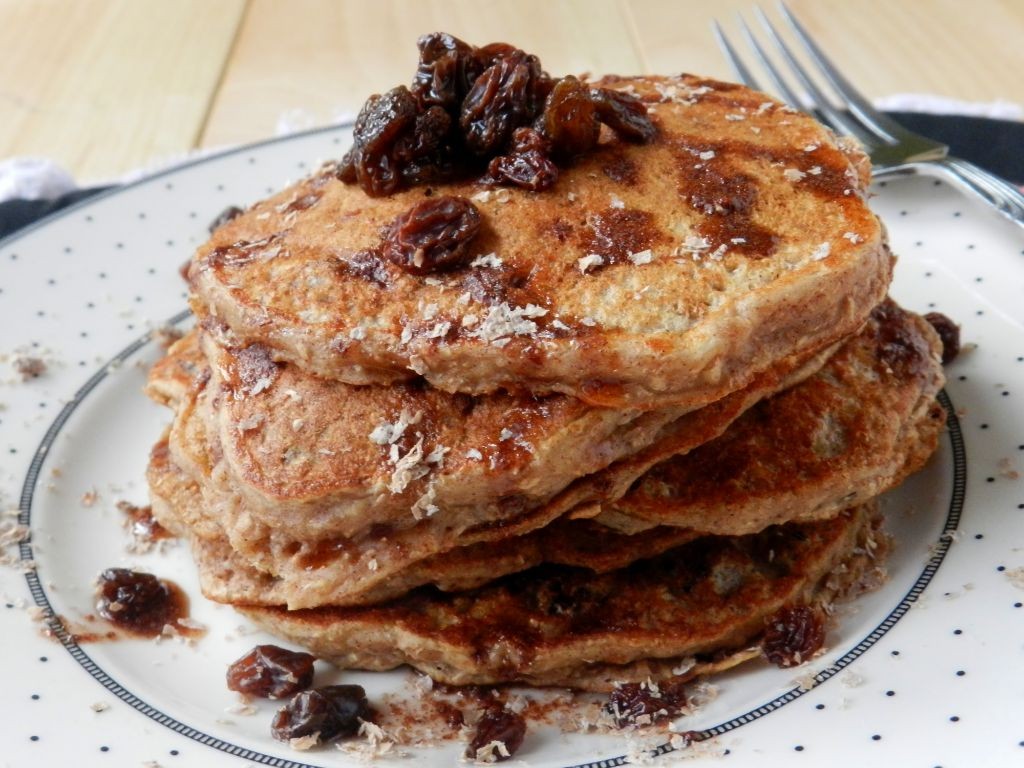
Incorporating All-Bran into your everyday cooking is an efficient way to increase dietary fiber through muffins, smoothies, and savory meat binders. By rehydrating the cereal in liquid before mixing, you can create moist, nutrient-dense meals that support digestive health without sacrificing flavor or the traditional textures of your favorite dishes.
Wheat bran cereals, specifically the Kellogg's All-Bran line, have remained a staple in functional nutrition through 2026. As more households prioritize gut health and prebiotic intake, the utility of these high-fiber twigs and flakes has expanded from a simple breakfast bowl to a versatile culinary ingredient. Whether you are using All-Bran Original, All-Bran Buds, or All-Bran Flakes, understanding how to manipulate their texture is the key to successful everyday cooking.
Understanding the Role of High-Fiber Cereal in Modern Cooking
In 2026, the focus on "functional foods"—ingredients that offer health benefits beyond basic nutrition—has never been higher. All-Bran is primarily composed of wheat bran, which is the hard outer layer of the wheat kernel. It is exceptionally high in insoluble fiber, a type of carbohydrate that the body cannot digest, which helps move waste through the digestive system.
When used in cooking, All-Bran serves three primary purposes:
- Fiber Fortification: It significantly raises the fiber count per serving, helping many adults reach the recommended 25 to 38 grams of fiber daily.
- Texture Modification: Depending on whether it is kept crunchy or soaked until soft, it can provide a nutty bite or a moist, dense crumb.
- Moisture Retention: Because bran is highly absorbent, it can help keep baked goods and meat dishes moist by holding onto liquids during the cooking process.
Before diving into specific recipes, it is important to distinguish between the product varieties. All-Bran Original (the "twigs") is best for soaking and blending into batters. All-Bran Buds contain psyllium fiber and have a crunchier, pellet-like shape that holds up well as a topping. All-Bran Flakes are lighter and better suited for breading or as a traditional cereal component in cookies.
The Essential "Soak" Technique for Baking
The most common mistake when cooking with All-Bran is adding the dry cereal directly to a batter or dough. Because wheat bran is extremely hydrophilic (water-loving), it will pull moisture from the other ingredients while in the oven, resulting in a dry, crumbly, and gritty final product.
To achieve a professional texture, use the soak method. This involves combining the All-Bran with the liquid component of your recipe—such as milk, buttermilk, yogurt, or applesauce—and letting it sit for at least 5 to 10 minutes. During this time, the bran softens and expands. This "pre-hydration" ensures that the moisture stays locked within the bran, contributing to a tender crumb in muffins, loaves, and cakes.
Classic and Modern Bran Muffin Variations
The bran muffin is the quintessential All-Bran recipe, but it doesn't have to be heavy or bland. By utilizing different add-ins, you can adapt this base for any day of the week.
The Foundation: The "Six-Week" Muffin Batter
A popular technique in 2026 for busy families is the refrigerated batter. Because of the preservative nature of the high fiber and the stability of the ingredients, a standard All-Bran muffin batter can often be kept in a sealed container in the refrigerator for up to several weeks, allowing you to bake fresh muffins one or two at a time.
- Sweet Variations: Fold in fresh blueberries, diced Granny Smith apples, or mashed bananas. For a more indulgent version, dark chocolate chips and orange zest provide a sophisticated flavor profile that masks the earthy taste of the bran.
- Savory Variations: Omit the sugar and add shredded sharp cheddar cheese, chopped scallions, and a pinch of cayenne pepper. These savory muffins serve as an excellent high-fiber accompaniment to chili or vegetable soups.
Nutritional Density in Every Bite
When preparing these muffins, consider replacing refined sugar with honey or maple syrup, and using unsaturated fats like avocado oil or melted coconut oil. The high fiber content of the All-Bran (approximately 12 grams per half-cup of the Original variety) helps to lower the glycemic index of the muffin, providing more stable energy levels throughout the morning.
Savory Applications: All-Bran as a Breadcrumb Substitute
Perhaps the most overlooked use for All-Bran in everyday cooking is as a substitute for traditional breadcrumbs or panko. Because the cereal is neutral in flavor (with a slight malty sweetness), it integrates seamlessly into savory dishes.
Meatloaf and Meatballs
In meat-based dishes, breadcrumbs are used as a binder to hold moisture and prevent the proteins from becoming too dense. Replacing half or all of the breadcrumbs with crushed All-Bran (crush them into a coarse meal using a food processor or a rolling pin) adds significant fiber without changing the structural integrity of the meatloaf.
When making meatballs, the bran acts as a sponge for the fats and juices released by the meat. This results in a juicier meatball. For a standard one-pound recipe of ground beef or turkey, use 3/4 cup of crushed All-Bran and an extra tablespoon of liquid (such as beef broth or tomato sauce) to account for the bran's absorbency.
Breading for Poultry and Fish
For a crunchy, fiber-rich coating, use All-Bran Flakes or crushed Original twigs. To ensure the coating sticks:
- Dredge the protein in whole-wheat flour.
- Dip it into an egg wash (egg beaten with a little water or milk).
- Press it firmly into a mixture of crushed All-Bran, garlic powder, onion powder, and dried herbs.
- Bake or air-fry until golden. The high surface area of the bran creates an exceptionally crispy exterior that rivals traditional frying.
Breakfast Beyond the Muffin: Smoothies and Bowls
If you prefer a quicker start to your day, All-Bran can be integrated into high-speed blender recipes or "overnight" preparations.
Fiber-Boosted Smoothies
Adding 1/4 cup of All-Bran to a smoothie provides a "thickener" effect similar to oats. In 2026, the trend of "smoothie bowls" remains popular, and bran helps provide the structural thickness needed to support toppings like sliced fruit and nuts.
- Pro Tip: If you dislike any hint of graininess, soak the bran in a small amount of your liquid base (almond milk, soy milk, or dairy) for 5 minutes before blending. Pair it with strong flavors like peanut butter, cocoa powder, or frozen berries to create a balanced palate.
All-Bran Overnight "Oats"
While traditional overnight oats use rolled oats, you can create a high-fiber hybrid by mixing 1/2 cup of rolled oats with 1/4 cup of All-Bran Buds. Add 1 cup of milk and a tablespoon of chia seeds. By the morning, the All-Bran will have softened into a porridge-like consistency that is significantly higher in prebiotic fiber than oats alone. This combination supports the gut microbiome by providing diverse fiber types for beneficial bacteria.
All-Bran in Desserts and Snacks
Cooking with bran isn't limited to health-focused meals; it can also add depth to desserts.
High-Fiber Cookies
In oatmeal raisin or ginger snap cookies, you can replace up to 25% of the flour with crushed All-Bran. This adds a "nutty" flavor and a chewy texture. In ginger snaps specifically, the molasses in the recipe complements the malted flavor of the wheat bran perfectly.
Energy Bites
For a no-bake snack, combine All-Bran Buds with almond butter, honey, and flaxseeds. Roll them into small spheres and refrigerate. These "energy bites" provide a portable, high-fiber snack that is shelf-stable for several days, making them ideal for work or school lunches.
Comparing All-Bran Varieties for Cooking
Choosing the right type of All-Bran is essential for the success of your everyday recipes. The following table highlights the best uses for each variety based on their physical properties.
| All-Bran Variety | Best For... | Texture Impact | Preparation Tip |
|---|---|---|---|
| Original (Twigs) | Muffins, Loaves, Meatballs | Soft and integrated (if soaked) | Must be soaked in liquid for 5+ mins. |
| Buds | Yogurt Topping, Smoothies | Crunchy, pellet-like | Use as-is for crunch; blend for smoothies. |
| Flakes | Breading, Granola, Cookies | Light and crispy | Crush into a coarse meal for breading. |
| Bran Plus/Specialty | Fortified porridges | Dense and filling | Check label for psyllium content; requires extra water. |
Troubleshooting Common Issues
Even experienced cooks may encounter challenges when first integrating high-fiber cereals into their repertoire.
- Dryness: If your baked goods are coming out like "bricks," you likely didn't use enough liquid. Increase the milk or water in the recipe by 2-3 tablespoons for every cup of All-Bran used.
- Blandness: Wheat bran has a very mild, earthy flavor. Do not be afraid to use bold spices. Cinnamon, nutmeg, cloves, and ginger are the best friends of bran-based recipes.
- Sticking: Because of the high sugar and fiber content in some bran cereals, muffins can stick to paper liners. Use a high-quality non-stick spray or silicone muffin liners for the best results.
- Heavy Texture: If your muffins aren't rising, ensure your baking powder or baking soda is fresh. The weight of the bran can sometimes weigh down the batter, so a strong leavening agent is required.
Health and Digestive Considerations
As of 2026, clinical guidelines continue to emphasize the importance of gradual fiber introduction. If you are not used to a high-fiber diet, do not start by eating All-Bran at every meal. According to the USDA Dietary Guidelines, increasing fiber too quickly can cause bloating or gas.
Start by replacing one component of your daily cooking with a bran alternative—perhaps use it in your meatloaf on Monday and a muffin on Wednesday. Most importantly, increase your water intake as you increase your fiber. Insoluble fiber needs water to move through the digestive tract effectively; without it, high-fiber cooking can have the opposite of the intended effect on digestive regularity.
FAQ
Can I substitute wheat bran for All-Bran in these recipes?
Yes, but with a caveat. Plain wheat bran is 100% bran and contains no added sugar, salt, or malt flavoring. If you use plain wheat bran instead of All-Bran cereal, you may need to add a tablespoon of sweetener (like honey or brown sugar) and a pinch of salt to match the flavor profile intended in the recipe.
Is All-Bran gluten-free?
No. All-Bran is made from wheat bran and often contains malt flavoring derived from barley. Both wheat and barley contain gluten. For a gluten-free high-fiber alternative in cooking, consider using certified gluten-free oat bran or psyllium husk, though the liquid ratios will differ significantly.
How should I store All-Bran for cooking?
To prevent the natural oils in the wheat bran from going rancid, store your cereal in a cool, dry place in an airtight container. If you buy bran in bulk for everyday cooking, you can even store it in the freezer to extend its shelf life for up to a year.
Can All-Bran be used in vegan cooking?
Absolutely. All-Bran itself is typically plant-based (check the specific label for vitamin D sources, as some D3 can be animal-derived). In recipes, you can soak the bran in soy, almond, or oat milk and use flax eggs (1 tbsp ground flaxseed mixed with 3 tbsp water) as a binder to create entirely vegan high-fiber meals.
What is the best way to crush All-Bran for breading?
The most consistent results come from using a food processor. Pulse the cereal until it reaches the consistency of coarse sand. If you don't have a processor, place the cereal in a heavy-duty freezer bag and use a rolling pin or the bottom of a heavy skillet to crush it manually.
Final Recommendation
For the best results in everyday cooking, start with the All-Bran Original and master the "soak" technique. Begin by incorporating it into familiar dishes like meatloaf or standard blueberry muffins. As you become accustomed to the way the bran absorbs moisture and alters texture, you can experiment with more advanced applications like fiber-rich pizza dough or savory pie crusts. Always remember to balance the high fiber content with adequate hydration to ensure both culinary success and digestive comfort.