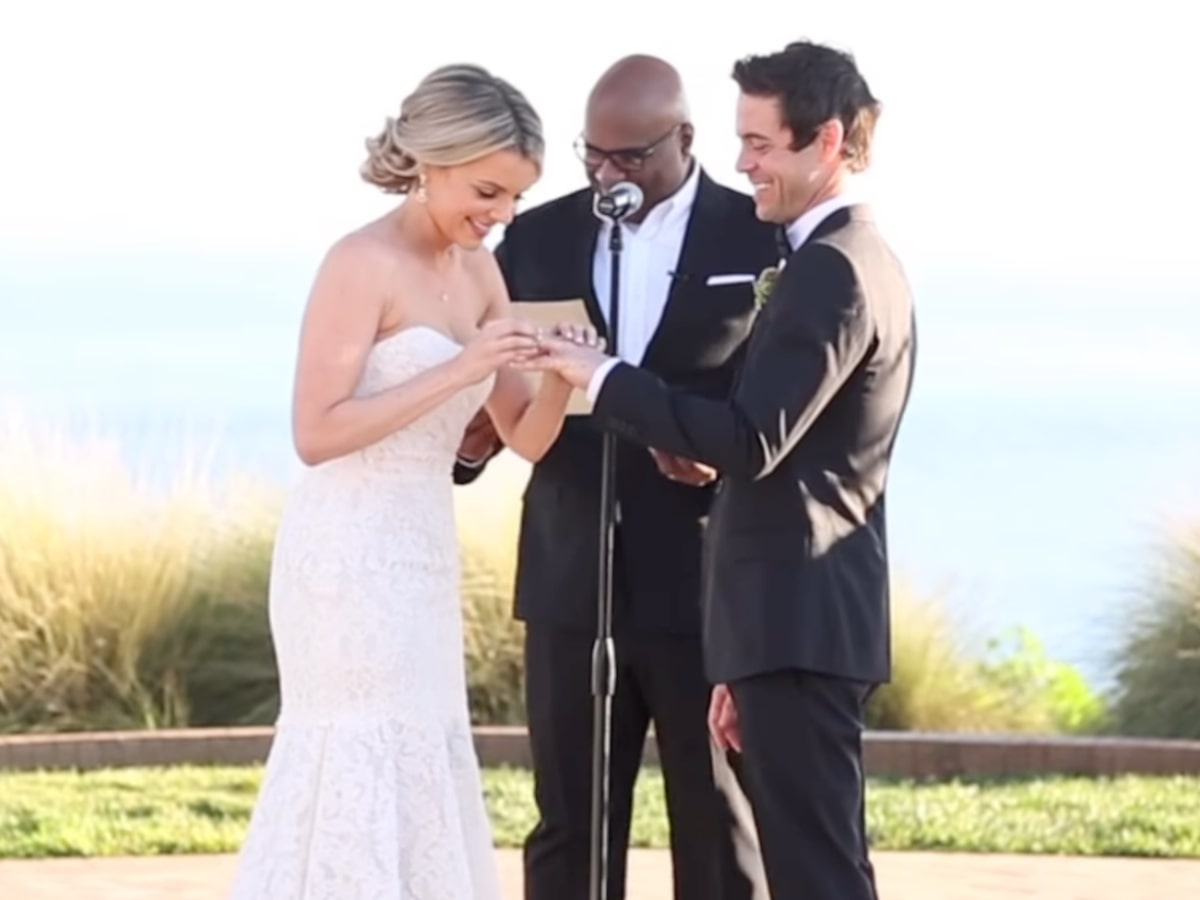
Ali Manno, widely recognized for her appearances on popular reality television programs such as The Bachelor and The Bachelorette, maintains a significant public profile. As of 2026, her age is frequently a point of interest for fans and followers who track her career evolution, personal milestones, and public life. Understanding how such information is presented in professional profiles requires distinguishing between verifiable biographical data and the varying ways digital platforms display, update, or occasionally omit personal details.
Determining the precise age of a public figure like Ali Manno involves cross-referencing documented birth records, which state she was born on September 22, 1983. As of the current date in 2026, she is 42 years old. Because her professional profile is often tethered to her history in the entertainment industry—specifically her debut in the late 2000s—readers often seek this information to contextualize her timeline. This article examines the nature of public profile data, the accuracy of biographical information in the digital age, and the mechanisms by which such personal statistics remain accessible to the public.
The Intersection of Public Profiles and Biographical Accuracy
In the era of digital archives, a public profile functions as a persistent record. For individuals who have spent significant time in the public eye, these profiles serve as a primary source of information for media outlets, fan databases, and social media aggregators. The "age in profile" inquiry is a common manifestation of the human desire to maintain an accurate timeline of a public figure’s life.
When we discuss Ali Manno’s age in the context of her profile, we are looking at a fixed point in time. Because birth dates are historical constants, the challenge is not in the data itself but in how platforms refresh that data. Automated systems on many websites often struggle with dynamic age calculations, sometimes relying on outdated cached versions of a biography. For the reader, verifying this information requires looking toward primary sources or established, long-standing biographical repositories that undergo regular updates.
Factors Influencing Data Presentation
Public figures often manage their own digital presence through various channels, including official websites, verified social media accounts, and professional representation sites. These platforms may present information differently based on their specific goals:
- Official Professional Sites: These often focus on current projects, recent work, and brand partnerships. They may exclude birth dates entirely to maintain a focus on current professional utility rather than chronological data.
- Media Databases: Platforms like IMDb or dedicated biography archives are designed to store consistent, historical data. These are typically the most reliable sources for identifying a subject's age and career timeline.
- Social Media: These platforms are inherently informal. A user’s "age" might be reflected in the milestones they celebrate in posts, such as birthday acknowledgments, rather than a formal profile field.
Verifying Personal Data in the Digital Age
The process of locating and verifying information about a public figure requires a degree of digital literacy. In 2026, the proliferation of AI-generated content and "content farm" websites means that generic biographical sketches often contain errors. Distinguishing between a high-authority source and a site that scrapes data for search engine traffic is essential for anyone seeking accuracy.
To verify a figure's age or professional standing, one should prioritize established publications that have maintained a consistent editorial standard over time. When analyzing a profile, consider these verification steps:
- Search for Primary Attribution: Does the source cite an official birth announcement, a credible interview, or a verified public registry?
- Evaluate Consistency: Do multiple, unrelated high-authority platforms report the same data? If one source stands out as a significant outlier, it is likely incorrect.
- Check Publication Dates: Always look for the last updated date on a biography page. If a page has not been updated in several years, the age reported therein will naturally be inaccurate for the current year.
Comparative Overview: Profile Data Across Media Types
To understand how information regarding Ali Manno is categorized and presented, it is helpful to contrast how different media entities handle biographical data. The following table illustrates the typical characteristics of various information sources.
| Source Type | Focus | Age Accuracy | Frequency of Updates |
|---|---|---|---|
| Official Biography | Brand/Career | High (if included) | Low |
| Industry Database | Fact-checking | Very High | Medium |
| Social Media | Engagement | Variable | High |
| Content Aggregator | SEO/Traffic | Low to Medium | High |
| News Archive | Historical Event | Very High | Zero (Fixed) |
This comparison highlights that "age in profile" is highly dependent on the platform's intent. While an entertainment news archive will provide an accurate, static record of a milestone, an aggregator may rely on an outdated script to display a current age, leading to potential discrepancies.
The Role of Public Records and Legal Transparency
In the United States, birth records are typically maintained at the state or county level. While these are public records, they are not typically integrated into the public "profiles" one sees on consumer-facing websites. When a website displays an exact age, they are generally performing a calculation based on a birth date gathered from historical public records or self-disclosure.
It is important for consumers to recognize that there is no single, globally synced database for personal information. When a profile displays a birth date, it is a compilation of information that has been scraped or manually input. If an individual wishes to have their profile information corrected, it is often a matter of contacting the site administrators of the specific platform, as there is no universal "edit" button for the internet's collective knowledge about an individual.
Common Misconceptions Regarding Profile Data
A frequent error in public perception is the belief that a profile is "live" or "intelligent." Many users assume that because an article is accessible in 2026, the information within it is being updated in real-time. This leads to the misconception that if a source says a person is 38, that must be their current age, even if the article was written several years prior.
Another issue is the prevalence of "ghost" profiles—pages created by automated services to fill search engine results for common search terms. These profiles are often rife with conflicting information, such as incorrect birth years or jumbled career histories. Navigating these requires a critical eye; when in doubt, default to the sources that provide the most specific evidence (e.g., specific dates of birth or specific citations of public appearances).
Practical Guidance for Researching Public Profiles
If your objective is to gather accurate data for personal research, professional context, or general interest, follow these best practices:
- Use Specific Queries: When searching, combine the subject's name with specific keywords like "birth date," "official biography," or "professional record" to bypass superficial content.
- Prioritize Established Outlets: Major media companies with dedicated editorial staffs are far less likely to provide erroneous biographical data than generic "net worth" or "profile" websites.
- Check Against Timelines: If a profile is unclear, look for external evidence. For instance, in the case of Ali Manno, her appearance on reality television provides a reliable anchor year (2010), which allows for the accurate calculation of her age relative to her stage in life during that period.
Frequently Asked Questions
1. Where is the most accurate place to check Ali Manno’s current age? The most accurate information is derived from her verified social media channels or reliable, long-standing entertainment industry databases. These sources are the most likely to contain corrected, current information.
2. Why do different websites show different ages for the same person? Different websites update their databases at different intervals. Some platforms use automated tools that may calculate age incorrectly, while others rely on static content that has not been refreshed since the article was originally written.
3. Does Ali Manno’s official profile display her age? Public figures often choose to focus their professional profiles on their current work and brand identity rather than personal statistics. Whether her age is displayed depends entirely on the specific platform and its editorial policy.
4. Is it possible for search engines to provide the wrong age? Yes. Search engines aggregate information from various websites. If a prominent but outdated source appears in the top results, the search engine may display that information in a knowledge panel, even if it is factually incorrect for the current year.
5. How can I confirm if a profile I am viewing is reliable? Check for citations or links to original sources. A reliable profile will often reference specific interviews, primary documentation, or verified announcements rather than making claims without context or source links.
Conclusion and Next Actions
When researching "ali manno age in profile," the key is to look past generic search results and utilize verifiable, high-authority sources. As of 2026, Ali Manno remains a public figure whose history is well-documented within the entertainment industry. By understanding that "age in profile" is a data point susceptible to technical limitations and varying update cycles, you can better discern accurate information from outdated or poorly maintained digital records. For future reference, always prioritize sources that clearly cite their data and exhibit signs of professional, active management.