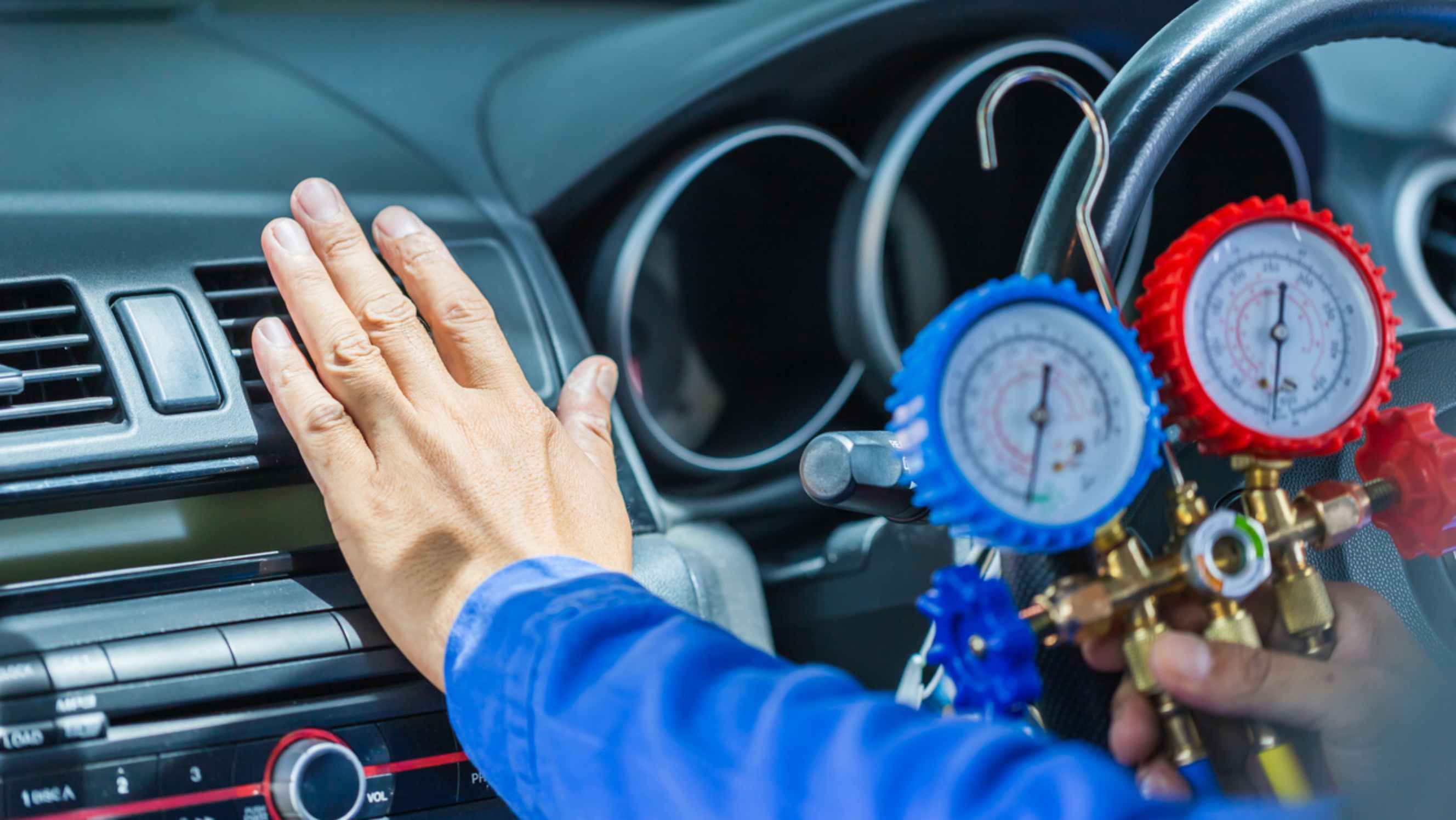
Effective air conditioning repair in Glendale, AZ, involves diagnosing mechanical failures, electrical issues, or refrigerant leaks common in high-heat environments. In 2026, homeowners must navigate updated EPA refrigerant regulations and SEER2 efficiency standards. Professional technicians provide diagnostic services, component replacement, and emergency repairs to restore cooling during Arizona's extreme summer temperatures.
The Critical Importance of AC Performance in Glendale’s Desert Climate
In Glendale, Arizona, air conditioning is far more than a luxury; it is a critical component of home safety and habitability. With summer temperatures frequently exceeding 110°F, a malfunctioning HVAC system can lead to dangerous indoor heat levels within hours. The local environment presents unique challenges for cooling systems, including extreme thermal stress, high particulate matter from desert dust, and the seasonal impact of monsoon storms.
As of 2026, the technology within these systems has become increasingly sophisticated. Most homes in the West Valley now utilize high-efficiency units that rely on complex electronic controls and variable-speed motors. While these advancements improve comfort and reduce energy bills, they also require specialized knowledge for accurate repair. Understanding the specific components that fail under Arizona’s "heat soak" conditions is the first step in ensuring your system remains operational when the cooling demand is at its peak.
Common Air Conditioning Failures in the West Valley
Glendale's climate accelerates the wear and tear on specific HVAC components. When a system stops blowing cold air or fails to turn on entirely, the culprit is often one of the following issues tailored to the local environment.
Capacitor and Electrical Component Stress
The start and run capacitors are the most common points of failure in Glendale. These components store electrical energy to "kick-start" the compressor and fan motors. High ambient temperatures degrade the chemical electrolytes inside capacitors. In 2026, many technicians are seeing a trend where even newer systems experience capacitor failure during July and August because the outdoor units (condensers) cannot shed heat effectively when the air temperature is already near the component's operating limit.
Refrigerant Leaks and the 2026 Regulatory Landscape
Refrigerant is the medium that moves heat from inside your home to the outside. In the past, R-22 and R-410A were the industry standards. However, as of 2026, the industry has shifted significantly toward A2L refrigerants like R-454B and R-32 due to global warming potential (GWP) regulations.
Leaks often occur in the evaporator coil due to formicary corrosion—a process where microscopic holes form in the copper tubing. If your system is low on refrigerant, a simple "recharge" is rarely a permanent solution. Professional repair in Glendale now emphasizes "leak searches" using electronic sniffers or ultraviolet dyes to identify the source before expensive, regulated refrigerants are added.
Dust Accumulation and Airflow Obstruction
Glendale is prone to dust storms (haboobs) which deposit fine desert silt into the outdoor condenser coils. When these coils are caked in dust, the system cannot release heat, causing the compressor to overheat and potentially shut down via the thermal overload switch. Furthermore, if indoor filters are not changed monthly during the peak season, the lack of airflow can cause the evaporator coil to freeze into a block of ice, even when it is 115°F outside.
Diagnostic Steps: Troubleshooting Before Calling a Professional
Before requesting an emergency service call, Glendale residents can perform a few basic checks to rule out simple issues. These steps can save the cost of a diagnostic fee if the problem is external to the AC machinery.
- Check the Thermostat Power: Modern smart thermostats often require a "C-wire" or fresh batteries. If the screen is blank, the system will not receive the signal to cool. Ensure the settings have not been accidentally switched to "Heat" or "Fan Only."
- Inspect the Circuit Breakers: HVAC systems pull significant amperage. A power surge during a Glendale monsoon can trip the dedicated breaker in your electrical panel. Flip the breaker all the way to "Off" and then back to "On" to reset it.
- Examine the Condensate Drain Line: Most systems in Arizona are equipped with a float switch. If the drain line (which carries away humidity) becomes clogged with algae or dust, the switch will trigger and shut down the system to prevent water damage to your home.
- Air Filter Verification: A severely clogged filter restricts return air so much that the system's sensors may shut it down to prevent the compressor from "slugging" liquid refrigerant.
2026 Repair Cost Estimates in Glendale, AZ
Labor and parts pricing in the Phoenix metropolitan area have adjusted to reflect current economic conditions and the complexity of modern SEER2-compliant systems. While prices vary by contractor, the following table provides a baseline for typical repairs in Glendale.
| Repair Type | Estimated Cost (Parts & Labor) | Typical Time to Complete | Urgency Level |
|---|---|---|---|
| Capacitor Replacement | $250 – $450 | 1 Hour | High |
| Contactor Replacement | $200 – $400 | 1 Hour | Moderate |
| Blower Motor (Standard) | $600 – $900 | 2–3 Hours | High |
| ECM/Variable Speed Motor | $1,200 – $2,000 | 2–4 Hours | High |
| Evaporator Coil Repair | $1,500 – $3,500 | 4–6 Hours | Critical |
| Refrigerant Recharge (R-410A) | $150 – $300 per lb | 1–2 Hours | High |
| Condensate Pump/Drain Clear | $150 – $300 | 1 Hour | Moderate |
Note: These figures are estimates based on 2026 market trends in the Glendale area and do not include diagnostic fees, which typically range from $75 to $150.
Technical Deep Dive: The Impact of SEER2 and New Refrigerants
As of January 2023, the Department of Energy implemented the SEER2 (Seasonal Energy Efficiency Ratio 2) standards, which use a more rigorous testing procedure to reflect real-world ductwork conditions. By 2026, most systems being repaired in Glendale fall under these guidelines.
When a technician arrives for a repair, they are no longer just looking at "freon levels." They must calculate Subcooling (for systems with a Thermal Expansion Valve) or Superheat (for systems with a fixed orifice) to ensure the system is operating within the narrow efficiency windows mandated by SEER2.
Furthermore, the transition to A2L refrigerants means that if your system was installed after 2024, it likely contains mildly flammable refrigerants. Repairing these units requires "spark-proof" tools and specific vacuum pumps. Glendale homeowners should ensure their chosen technician is Section 608 Certified by the EPA and has specific training in A2L handling, as older techniques can lead to equipment damage or safety hazards in these newer systems.
Choosing a Qualified AC Repair Service in Glendale
The Arizona Registrar of Contractors (ROC) regulates HVAC professionals in the state. When searching for "air conditioning repair glendale az," it is vital to verify the credentials of the service provider to ensure they meet the 2026 standards for safety and technical proficiency.
- License Verification: Always check the Arizona ROC website to ensure the company holds a valid CR-39 (Air Conditioning and Refrigeration) license. This protects the homeowner in the event of substandard work.
- NATE Certification: Look for technicians who are certified by North American Technician Excellence (NATE). This indicates a higher level of technical training and a commitment to industry best practices.
- Localized Experience: A company based in a cooler climate may not understand the specific high-head-pressure issues common in Glendale. Local companies are more likely to stock the specific heavy-duty capacitors and fan motors designed for desert use.
- Transparent Pricing: Reputable Glendale contractors provide "upfront pricing" or "flat-rate" quotes after the diagnostic is complete. Be wary of companies that give a final price over the phone without seeing the unit, as HVAC variables are too complex for remote guessing.
Preventive Maintenance: Avoiding the Emergency Call
In the harsh Glendale environment, preventive maintenance is the most effective way to avoid the $3,000 "surprise" repair. A standard 2026 maintenance protocol should include:
- Chemical Coil Cleaning: Removing the "calcium crust" that forms on condenser coils from hard Arizona water and dust.
- Amp Draw Testing: Measuring the electrical current of the compressor and motors. If a motor is drawing more amps than its "Rated Load Amps" (RLA), it is a sign of impending failure.
- Static Pressure Test: Checking how hard the system has to work to push air through the ducts. High static pressure is a leading cause of premature blower motor failure in Glendale's newer, tightly-sealed homes.
- Tightening Electrical Connections: Heat causes metal to expand and contract, which can loosen wire terminations over time, leading to electrical arcing.
Frequently Asked Questions
Why is my AC running but the house isn't getting cooler?
This often indicates a heat transfer issue. In Glendale, this is usually caused by a dirty condenser coil, a failing compressor, or a refrigerant leak. If the air coming out of the vents is not 15-20 degrees cooler than the air going into the return, the system is not dehumidifying or cooling effectively and requires a professional diagnostic.
How often should I change my air filters in Glendale?
During the peak cooling season (May through October), filters should be checked every 30 days. If you have pets or live near areas of new construction—common in the northern parts of Glendale near the Loop 303—you may need to replace them more frequently to prevent airflow restriction.
Is it worth repairing a 10-year-old AC unit in 2026?
With the 2026 cost of R-410A refrigerant rising and the increased efficiency of new SEER2 units, the "Rule of 5,000" is often applied: multiply the age of the unit by the repair cost. If the result exceeds $5,000, replacement is generally more cost-effective than repair. Additionally, older units may not be compatible with newer, cheaper refrigerants.
What should I do if my AC starts making a loud screeching noise?
Shut the system off at the thermostat immediately. A screeching noise usually indicates a failing blower motor bearing or a compressor issue. Continuing to run the system can cause a "catastrophic failure," where metal shavings are sent through the entire refrigerant line, necessitating a total system replacement.
Can I use a higher MERV filter to improve air quality?
While higher MERV (Minimum Efficiency Reporting Value) filters catch more dust, they also create more resistance. In the extreme Glendale heat, a filter that is too restrictive (MERV 13 or higher) can cause the evaporator coil to freeze or the blower motor to burn out. Consult with a technician to see if your ductwork can handle a high-MERV filter.
Professional Recommendation for Glendale Homeowners
Given the extreme heat conditions in Glendale, AZ, homeowners should prioritize immediate action when a cooling discrepancy is noticed. Waiting until a system fails completely often results in longer wait times for service during "heat waves" when local contractors are at maximum capacity.
The most effective strategy in 2026 is to maintain a service agreement with a licensed Glendale HVAC provider. This ensures priority status for emergency repairs and includes the biannual tune-ups necessary to combat the abrasive effects of desert dust and high-amperage electrical demands. If your system is over 12 years old and requires a major component like a compressor or coil, we recommend requesting a quote for a new SEER2-compliant system to take advantage of lower operating costs and the latest refrigerant technologies.