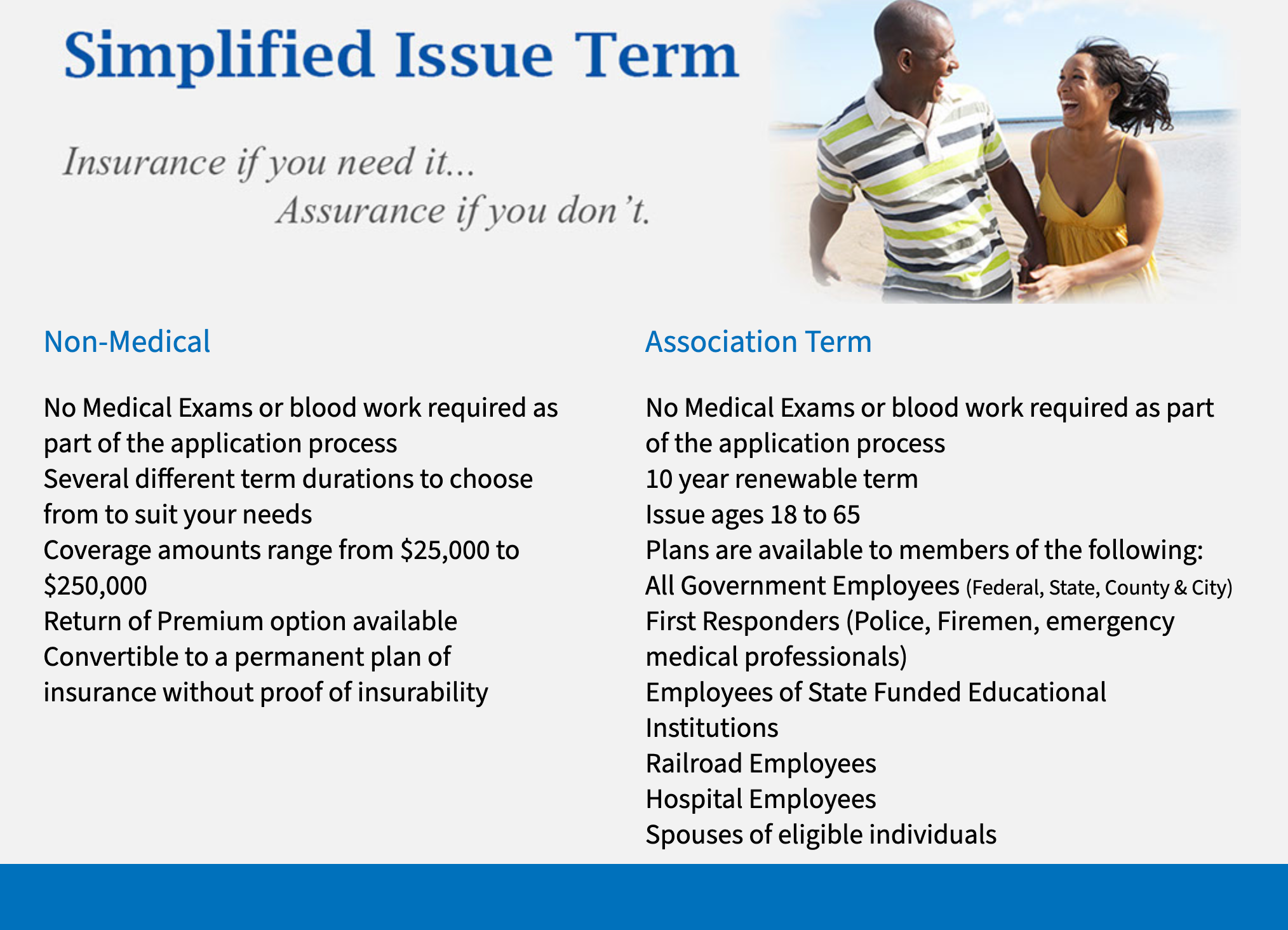
Afro American term life insurance refers to term-based life coverage sought by or specifically marketed to the Black community to address unique financial needs, bridge the wealth gap, and ensure family protection. In 2026, these policies provide a fixed death benefit for a specific period, offering the most affordable way to secure a financial legacy.
Life insurance has long played a pivotal role in the African American community, serving as a primary tool for wealth transfer and financial stability. Unlike permanent insurance, which lasts a lifetime but carries higher premiums, term life insurance offers high coverage amounts for a lower cost during the years when a family’s financial vulnerability is at its peak—such as during mortgage years or while raising children. As of 2026, navigating the market requires an understanding of underwriting nuances, historical context, and modern digital tools that have made access more equitable.
The Strategic Importance of Term Life Insurance for Black Families
For many African American families, life insurance is more than just a safety net; it is a fundamental component of estate planning. Historically, systemic barriers limited access to traditional wealth-building avenues like homeownership and corporate pensions. In this context, life insurance emerged as a "guaranteed estate," allowing individuals to create an immediate influx of capital for their heirs that would otherwise take decades to accumulate through savings.
Term life insurance is particularly effective because of its high death benefit-to-premium ratio. This allows families to purchase $500,000 or $1,000,000 in coverage for a relatively modest monthly fee. In 2026, this capital is often used to:
- Eliminate Household Debt: Ensuring that mortgages, car loans, and student loans do not pass on to surviving family members.
- Fund Education: Providing the capital necessary for children or grandchildren to attend college without the burden of predatory lending.
- Business Succession: Allowing Black-owned businesses to survive the loss of a founder by providing liquidity for buy-sell agreements.
- Intergenerational Wealth: Providing the seed money for the next generation to invest in real estate or the stock market.
Navigating Underwriting and Health Disparities
A significant hurdle in securing affordable term life insurance has traditionally been the underwriting process. Insurance companies use actuarial tables to determine risk, focusing heavily on health metrics such as blood pressure, BMI, and glucose levels. Because of the "Social Determinants of Health"—environmental and economic factors that disproportionately affect the Black community—African American applicants may sometimes face higher premiums due to higher incidences of hypertension or diabetes.
However, in 2026, the industry has shifted toward algorithmic underwriting and alternative data. This shift allows insurers to look at a broader picture of an individual’s health and financial responsibility rather than relying solely on traditional medical exams.
Managing the Medical Exam
If a policy requires a medical exam (paramedical), it is crucial to prepare. Underwriters look for stability. If you have a pre-existing condition like hypertension, showing a consistent history of medication adherence and doctor visits can lead to a "Standard" or even "Preferred" rating rather than a "Substandard" rating. Many modern carriers now offer Simplified Issue term life, which waives the medical exam in favor of a digital health questionnaire and a review of pharmacy records.
Comparing Term Life to Other Common Insurance Products
Deciding which type of insurance fits a household budget and long-term goals is the first step in the application process. While the focus here is on term life, understanding how it compares to permanent options is essential for an informed decision.
| Feature | Term Life Insurance | Whole Life Insurance | Final Expense (Burial) |
|---|---|---|---|
| Duration | Fixed period (10, 20, 30 years) | Lifetime | Lifetime |
| Premium Cost | Lowest; fixed for the term | High; fixed for life | Moderate; depends on age |
| Cash Value | None | Builds over time | None or minimal |
| Primary Goal | Income replacement & debt | Lifetime legacy & savings | Funeral/burial costs |
| Coverage Limit | Very high (up to millions) | Moderate to High | Low ($5k - $50k) |
| Best For | Growing families & homeowners | High-net-worth estate planning | Seniors with no other coverage |
Choosing the Right Term Length and Coverage Amount
Selecting the "term" (the duration of the policy) is a balance between your current age and your financial milestones. In 2026, the most common terms are 10, 15, 20, and 30 years.
- The 30-Year Term: Ideal for young families who have just purchased a home. This ensures the mortgage is covered until it is paid off.
- The 20-Year Term: Often chosen by parents of young children to cover the "dependency years" until the children graduate from college and enter the workforce.
- The 10-Year Term: Suitable for those nearing retirement who want to cover the final few years of their working life or a specific short-term debt.
To calculate the coverage amount, many financial advisors recommend the DIME formula:
- D (Debt): Total of all immediate debts, excluding mortgage.
- I (Income): Your annual salary multiplied by the number of years your family needs support (usually 10-15 years).
- M (Mortgage): The remaining balance on your home loan.
- E (Education): The estimated cost of tuition for your children.
By adding these four components, you arrive at a coverage amount that ensures your family can maintain their current standard of living in your absence.
Finding Culturally Competent Agents and Black-Owned Providers
While the insurance landscape has consolidated, there is a renewed interest in 2026 in working with agents and companies that understand the specific financial dynamics of the Black community.
Historical entities like Atlanta Life Insurance Company have paved the way for a new generation of minority-led brokerage firms and insurtech startups. Working with a culturally competent agent can be beneficial because they may have deeper insights into community-specific needs, such as "Final Expense" considerations or the role of the church in beneficiary designations.
Furthermore, these agents can often navigate the "Mistrust Gap." There is a documented historical mistrust regarding the insurance industry due to past discriminatory practices (such as race-based premiums that were common in the early 20th century). Modern, transparent agents focus on education and fiduciary duty to rebuild that trust.
Key Policy Riders to Consider
Riders are "add-ons" to a basic term life policy that provide extra protection. When applying for Afro American term life insurance in 2026, look for these specific options:
- Accelerated Death Benefit: This allows you to access a portion of the death benefit while you are still alive if you are diagnosed with a terminal illness. This is crucial for covering medical bills and hospice care.
- Waiver of Premium: If you become totally disabled and cannot work, the insurance company waives your monthly premiums while keeping the policy in force.
- Child Term Rider: Provides a small amount of life insurance for all children in the household. This is an affordable way to ensure funeral costs are covered for dependents without needing separate policies.
- Convertible Rider: This is one of the most important features. It allows you to convert your term policy into a permanent (whole life) policy at the end of the term without a new medical exam. This is vital if your health declines during the term.
Common Obstacles and How to Overcome Them
Despite the benefits, many individuals remain uninsured or underinsured. Understanding these obstacles is the first step to overcoming them.
1. The Perception of Cost
Many people overestimate the cost of term life insurance by as much as 300%. In 2026, a healthy 30-year-old can often secure $500,000 in coverage for less than the cost of a monthly streaming subscription. Requesting multiple quotes from different carriers is the best way to find a rate that fits your budget.
2. Prioritizing Immediate Needs
When inflation or economic shifts occur, insurance is often viewed as a "luxury." However, in 2026, financial experts argue that insurance is a "fixed necessity." If a family is struggling to save, the death benefit of a term policy provides the only immediate way to create an emergency fund for survivors.
3. Complexity of Jargon
Terms like "actuarial risk," "beneficiary designations," and "contestability periods" can be daunting. Using resources from the National Association of Insurance Commissioners (NAIC) can help demystify these terms. Always ask an agent to explain a policy in "plain English" before signing.
Steps to Apply for Coverage in 2026
If you are ready to secure a policy, follow these steps to ensure you get the best possible terms:
- Audit Your Finances: Determine your total debt and your family's monthly cash flow needs.
- Gather Documentation: Have your medical history, current medications, and financial records ready.
- Compare Quotes: Use online comparison tools to look at at least 3-5 different carriers.
- Review the "Free Look" Period: Most states provide a 10-30 day period after you receive the policy to review it and cancel for a full refund if it doesn't meet your needs.
- Designate Beneficiaries Carefully: Ensure your beneficiaries are updated. Avoid naming "The Estate" as a beneficiary, as this can lead to the funds being tied up in probate court. Instead, name specific individuals or a trust.
Frequently Asked Questions
Can I get term life insurance if I have Sickle Cell Trait?
Yes. Having the Sickle Cell Trait is different from having Sickle Cell Disease. Most insurance companies in 2026 do not penalize applicants for the trait alone, though they will look at your overall health profile. It is important to disclose this accurately on your application to avoid issues during the contestability period.
What happens if I outlive my 20-year term?
When the term ends, the coverage simply expires. You will no longer owe premiums, but there is no death benefit paid out. This is why many people choose a Convertible Rider, which allows them to switch to a permanent policy before the term expires, or they purchase a new, smaller "Final Expense" policy to cover burial costs in their later years.
Is the death benefit from a term policy taxable?
In almost all cases, the death benefit paid to beneficiaries is income tax-free. This is one of the most significant advantages of life insurance. However, if the benefit goes into your estate and your estate exceeds federal or state limits, it may be subject to estate taxes. Consult a tax professional for specific advice regarding 2026 tax laws.
Can I have more than one term life insurance policy?
Yes. This is often called "laddering." For example, you might have a 30-year policy to cover your mortgage and a separate 10-year policy to cover your peak earning years while your children are in college. This can be more cost-effective than having one giant policy for 30 years.
Does term life insurance cover COVID-19 or other pandemics?
Yes. Standard term life insurance policies cover deaths from natural causes, including respiratory illnesses and pandemics. As long as you did not misrepresent your health status on the initial application, the policy will pay out.
Practical Recommendation
For most African American families in 2026, the most effective strategy is to secure a 20-year or 30-year term life policy with a coverage amount at least 10 times their annual income. Prioritize policies that offer "Accelerated Death Benefits" and "Convertibility." If you are unsure where to start, seek out a broker who specializes in the "independent market," as they can shop your application across multiple companies to find the most favorable health rating for your specific situation. Securing this coverage today is the single most definitive step you can take to protect your family's financial future and contribute to the growth of community wealth.