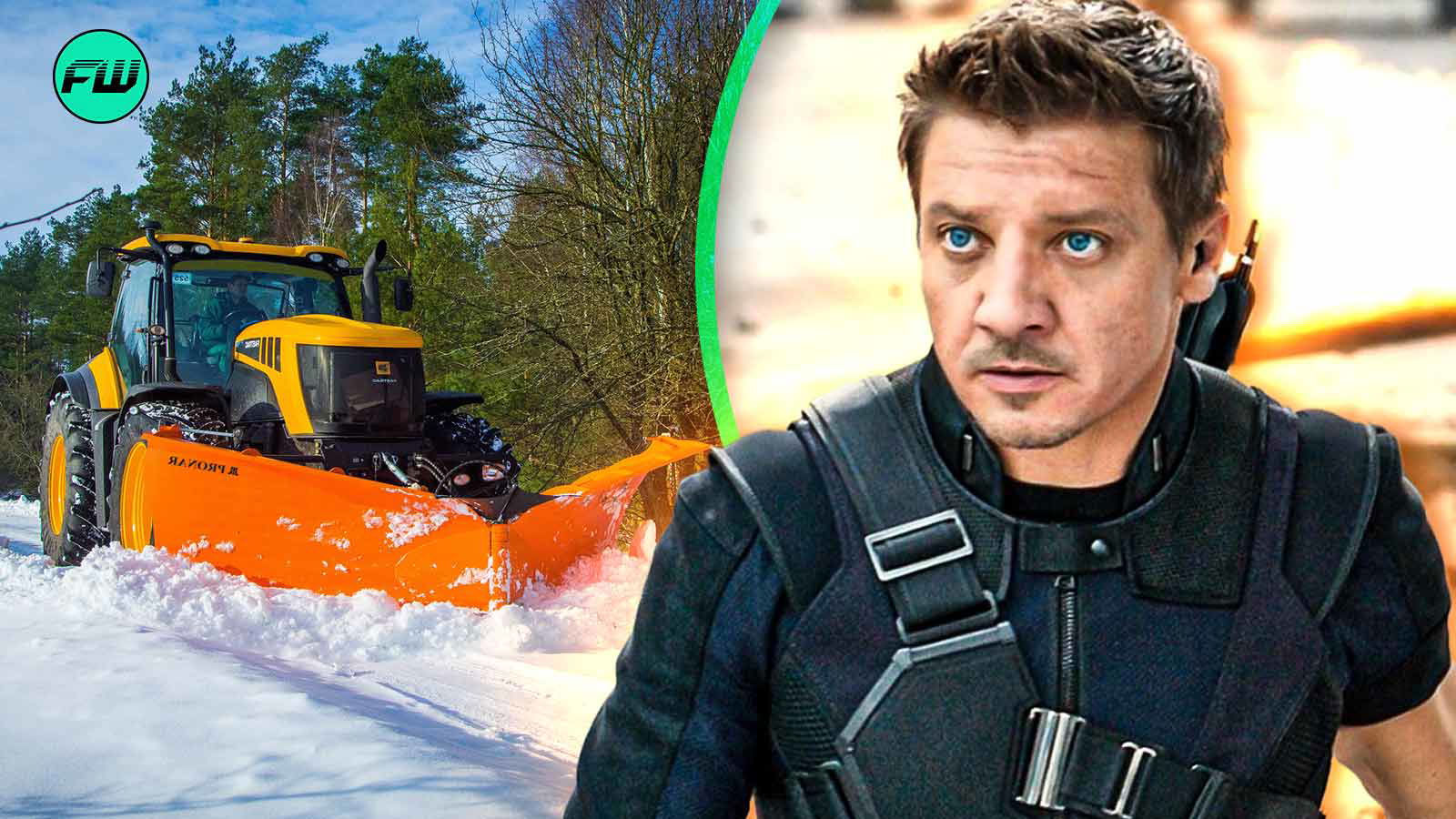
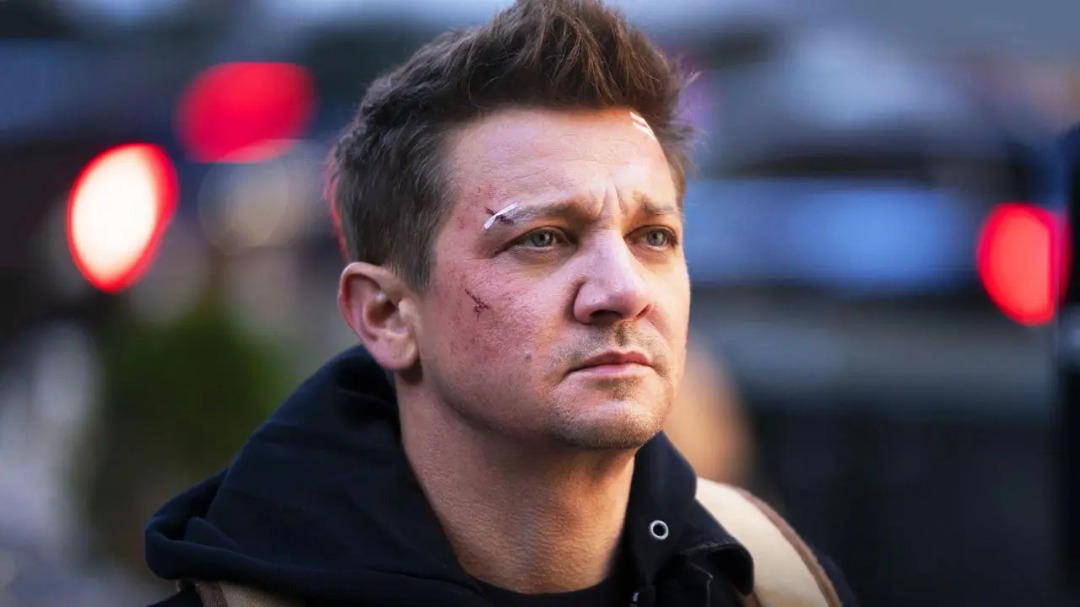
On January 1, 2023, Academy Award-nominated actor Jeremy Renner was critically injured by a 14,300-pound PistenBully snow groomer while clearing snow near his Nevada home. The accident resulted in more than 30 broken bones and significant blunt chest trauma. By 2026, Renner’s extensive rehabilitation and return to acting have established him as a prominent figure in trauma recovery advocacy.
Understanding the "Actor Snow Plow" Incident
The phrase "actor snow plow" refers almost exclusively to the life-threatening accident involving Marvel Cinematic Universe star Jeremy Renner. While many actors live in snowy climates, the scale of Renner's incident—involving a piece of heavy industrial machinery rather than a standard residential plow—captured global attention. The incident occurred on New Year’s Day in the Mt. Rose Highway area near Reno, Nevada, a region that had been hit by a severe winter storm.
To understand the event, one must distinguish between a common "snow plow" attached to a pickup truck and the vehicle Renner was operating. Renner was using a PistenBully 100, a large-scale snow groomer typically used by ski resorts to level trails. These machines utilize tracks rather than tires to distribute weight and maintain traction on deep powder and steep inclines. The sheer mass of the PistenBully—approximately seven tons—is what made the accident so devastating when the machine ran over the actor.
Detailed Timeline of the January 1 Accident
The events of the morning were documented by the Washoe County Sheriff’s Office and corroborated by Renner in subsequent interviews. The primary goal of Renner's activity that morning was to assist a family member whose vehicle had become stuck in the heavy snow.
- The Extraction: Renner successfully used the PistenBully to tow his nephew’s truck out of the driveway and onto the main road.
- The Descent: After the truck was freed, the PistenBully began to slide sideways down a hill.
- The Exit: Renner exited the cab to check on his nephew or to attempt to stop the vehicle. Crucially, the investigation revealed that the parking brake was not engaged at the time he exited the cab.
- The Attempted Re-entry: Realizing the machine was heading directly toward his nephew, Renner attempted to jump back into the driver’s seat to steer or stop the groomer.
- The Injury: During the attempt to re-enter the moving vehicle, Renner was pulled under the tracks. The machine continued to move, rolling over him before eventually coming to a stop further down the road.
The immediate aftermath was a race against time. A neighbor, who happened to be a physician, applied a tourniquet to Renner’s leg, which was bleeding profusely. This intervention is credited with saving his life before emergency responders could airlift him to a regional trauma center.
Technical Specifications: The PistenBully 100
When discussing the "actor snow plow," it is helpful to understand the machinery involved. The PistenBully 100 is not a consumer-grade tool. It is a professional-grade groomer designed for high-altitude environments.
| Feature | PistenBully 100 Specification | Impact on the Incident |
|---|---|---|
| Weight | Approx. 14,330 lbs (6,500 kg) | Caused massive crush injuries and 30+ fractures. |
| Drive System | Diesel-powered hydraulic tracks | Designed for grip; the tracks caught the operator during re-entry. |
| Safety Features | Parking brake, emergency shut-off | The failure to engage the brake was a primary factor in the accident. |
| Primary Use | Ski slope maintenance, trail grooming | Large footprint makes it difficult to stop quickly on ice. |
| Control Cabin | Elevated glass enclosure | Difficult to enter or exit while the vehicle is in motion. |
The Washoe County Sheriff’s Office report indicated that the "brake" indicator light inside the cab was not functioning correctly, which may have contributed to the confusion regarding whether the vehicle was secured. However, the primary mechanical finding was that the PistenBully's safety sensors did not prevent it from moving once the operator left the seat.
Medical Reality: The Extent of Renner's Injuries
The medical community frequently cites Renner’s case as a "miracle" of modern trauma surgery and physical therapy. The "blunt chest trauma" mentioned in initial reports masked the complexity of his orthopedic injuries.
Renner's injuries included:
- Orthopedic Damage: Over 30 broken bones, including his ankles, knees, ribs, shoulders, and jaw.
- Internal Trauma: A collapsed lung and a liver pierced by a broken rib.
- Ocular Injury: One eye socket was shattered, which initially led to fears regarding his vision.
- Vascular Issues: Significant blood loss from the leg being crushed by the metal tracks.
By 2026, it is clear that the surgical intervention involved extensive "hardware"—titanium plates and screws used to reconstruct his rib cage and stabilize his limbs. This period of his life is often referred to by Renner himself as his "titanium era," a nod to the metal now holding his skeletal structure together.
The Road to Recovery (2023–2026)
The recovery process for an accident of this magnitude is typically measured in years, not months. Renner’s journey back to health involved a multi-disciplinary approach that combined traditional medicine with advanced recovery technologies.
Early Rehabilitation (Months 1–6)
The first half of 2023 was dedicated to basic mobility. Renner utilized an anti-gravity treadmill (AlterG), which allowed him to walk while the machine supported a percentage of his body weight, reducing the load on his healing legs and ankles. This was critical for maintaining muscle mass without risking the integrity of the surgical repairs.
Advanced Therapy (Months 6–18)
As 2024 approached, Renner moved into more aggressive therapies. These included:
- Hyperbaric Oxygen Therapy (HBOT): Used to speed up tissue repair and bone healing by flooding the body with pure oxygen in a pressurized chamber.
- Cold Plunge and Heat Therapy: Utilized to manage chronic inflammation and improve circulation.
- Exoskeleton Technology: Some reports indicated the use of wearable robotic suits to assist in gait training during the mid-stages of recovery.
Return to Work (2025–2026)
By 2025, Renner had made a high-profile return to the set of Mayor of Kingstown for its third season. Observers noted that while he performed many of his own scenes, the production made accommodations for his physical limitations, such as reducing the number of high-impact stunts. In 2026, he remains active in the industry, though he has pivotally shifted toward roles and projects that allow him to highlight stories of human endurance and safety advocacy.
Safety Lessons and Heavy Machinery Protocols
The "actor snow plow" incident serves as a significant case study for safety experts regarding the operation of heavy snow removal equipment. Whether operating a commercial PistenBully or a residential tractor, several safety protocols are paramount.
Never Exit a Running Vehicle
The most critical error in the Renner incident was exiting the cab while the engine was running and the machine was on an incline. Safety manuals for tracked vehicles emphasize that the operator must never leave the seat without first engaging the mechanical parking brake and, ideally, shutting down the engine.
The Danger of Re-entry
Attempting to jump back into a moving vehicle—often called "chasing the machine"—is a leading cause of fatalities in agricultural and construction accidents. The momentum of a 14,000-pound machine is impossible for a human to counteract. In almost all scenarios, it is safer to let the machine collide with property than to risk being pulled under the wheels or tracks.
The "Buddy System" in Extreme Weather
While Renner was with his nephew, the incident highlights the difficulty of communication in loud, snowy environments. Effective safety protocols suggest using hand signals and maintaining a "danger zone" radius of at least 50 feet around any operating heavy machinery.
Comparative Analysis of Snow Removal Tools
For homeowners or property managers, choosing the right tool for snow removal is a matter of safety and efficiency. The following table compares common equipment types.
| Equipment Type | Best Use Case | Risk Level | Key Safety Feature |
|---|---|---|---|
| Walk-Behind Blower | Residential driveways | Low/Moderate | Deadman's switch (stops blades when handles are released). |
| Truck-Mounted Plow | Long driveways, private roads | Moderate | Enclosed cab, standard automotive brakes. |
| Skid Steer (Bobcat) | Heavy drifts, commercial lots | High | Roll-over protection system (ROPS). |
| Snow Groomer (PistenBully) | Ski trails, deep mountain snow | Very High | Multi-point braking and hydraulic locks. |
FAQs Regarding the Jeremy Renner Snow Plow Accident
Was the snow plow accident caused by a mechanical failure?
The Washoe County Sheriff's Office concluded that while there were some minor mechanical issues—specifically a non-functioning brake indicator light—the primary cause was the failure to engage the parking brake before exiting the vehicle. The machine did not have a "seat sensor" that would automatically apply brakes when the operator stood up, a feature found in newer or different classes of machinery.
How many surgeries did Jeremy Renner have?
While the exact number has not been publicly finalized as a single figure, Renner underwent multiple surgeries in the first 48 hours following the accident to stabilize his internal organs and chest. Subsequent surgeries throughout 2023 and 2024 focused on orthopedic reconstruction, including the placement of titanium plates in his rib cage and pins in his lower extremities.
Can a PistenBully be operated by a civilian?
Yes, individuals can own and operate snow groomers like the PistenBully 100, especially those living on large rural estates or in mountainous regions with private roads. However, they require specialized training. They are not "street legal" in the traditional sense and are designed for off-road, snow-surface use only.
Has Jeremy Renner returned to the Marvel Cinematic Universe (MCU)?
As of 2026, there have been various reports regarding Renner’s return to his role as Hawkeye. While his physical recovery has been nearly total, the actor has expressed a preference for projects that reflect his new physical reality. However, modern filming techniques (CGI and stunt doubles) make his continued participation in the MCU entirely possible.
What is the most important safety tip for using a snow plow?
The "Golden Rule" of snow removal machinery is to never exit the vehicle until the engine is off and the parking brake is set. Most accidents occur during quick exits to move a debris item or check a towing hitch.
Practical Recommendations for Snow Safety
The "actor snow plow" story is more than a celebrity news item; it is a reminder of the power of industrial machinery. If you live in an environment that requires heavy snow removal, consider the following actions:
- Audit Your Equipment: Ensure that all safety sensors, including seat switches and brake lights, are fully operational before the first snowfall of the season.
- Emergency Communication: Always carry a satellite-enabled device or a high-powered radio when clearing snow in remote areas, as cellular service can fail in extreme cold or heavy storms.
- Invest in Training: If you purchase a tracked vehicle or a tractor with a plow attachment, seek professional operator training. Understanding the center of gravity on an incline can prevent the "sliding" that initiated Renner's accident.
- Maintain a "Clear Zone": Ensure that no bystanders, especially children or pets, are within 50 to 100 feet of the machinery while it is in operation.
Jeremy Renner’s resilience has turned a tragic accident into a platform for health and safety awareness. His recovery serves as a testament to the importance of immediate medical response and the advancements in orthopedic surgery available in the mid-2020s.