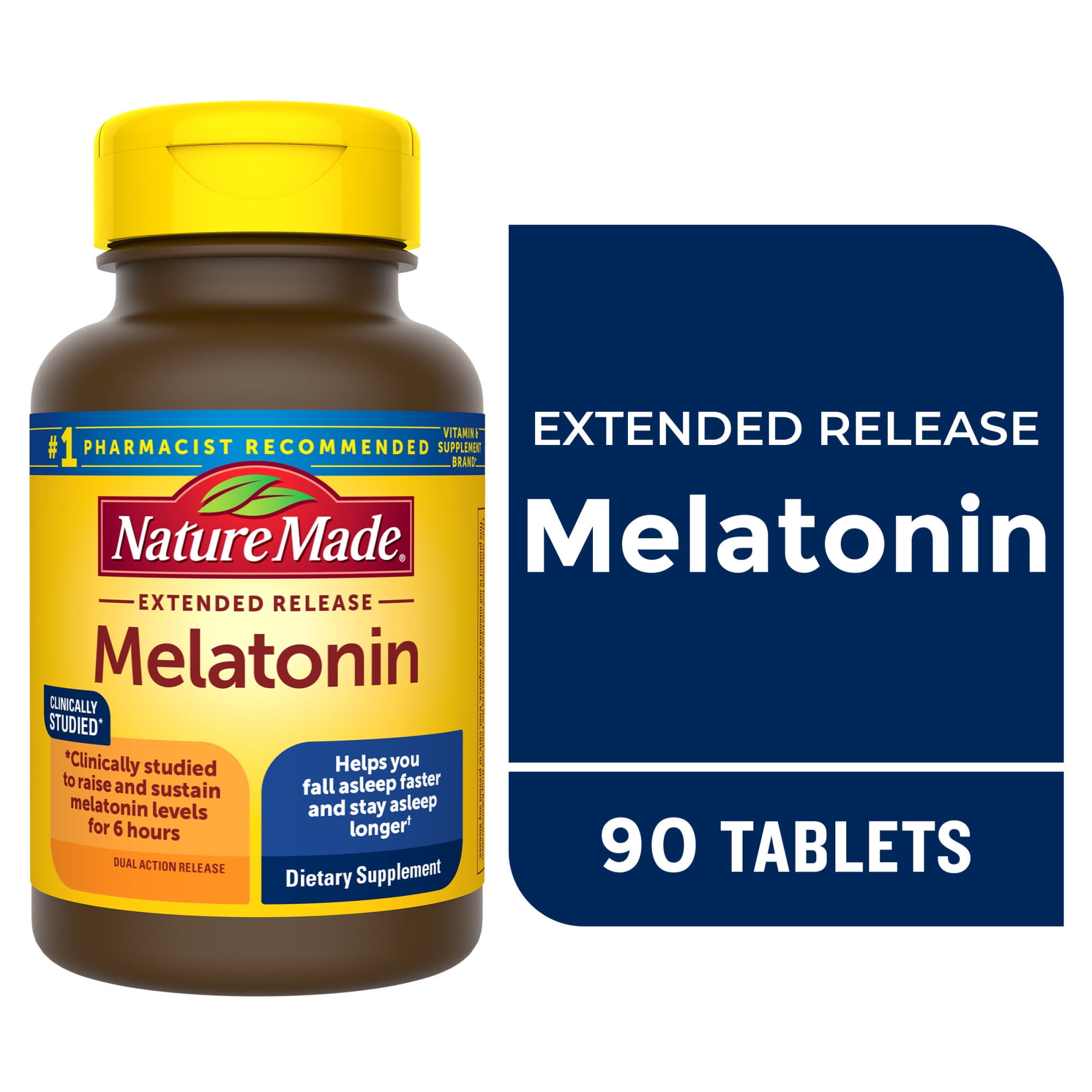
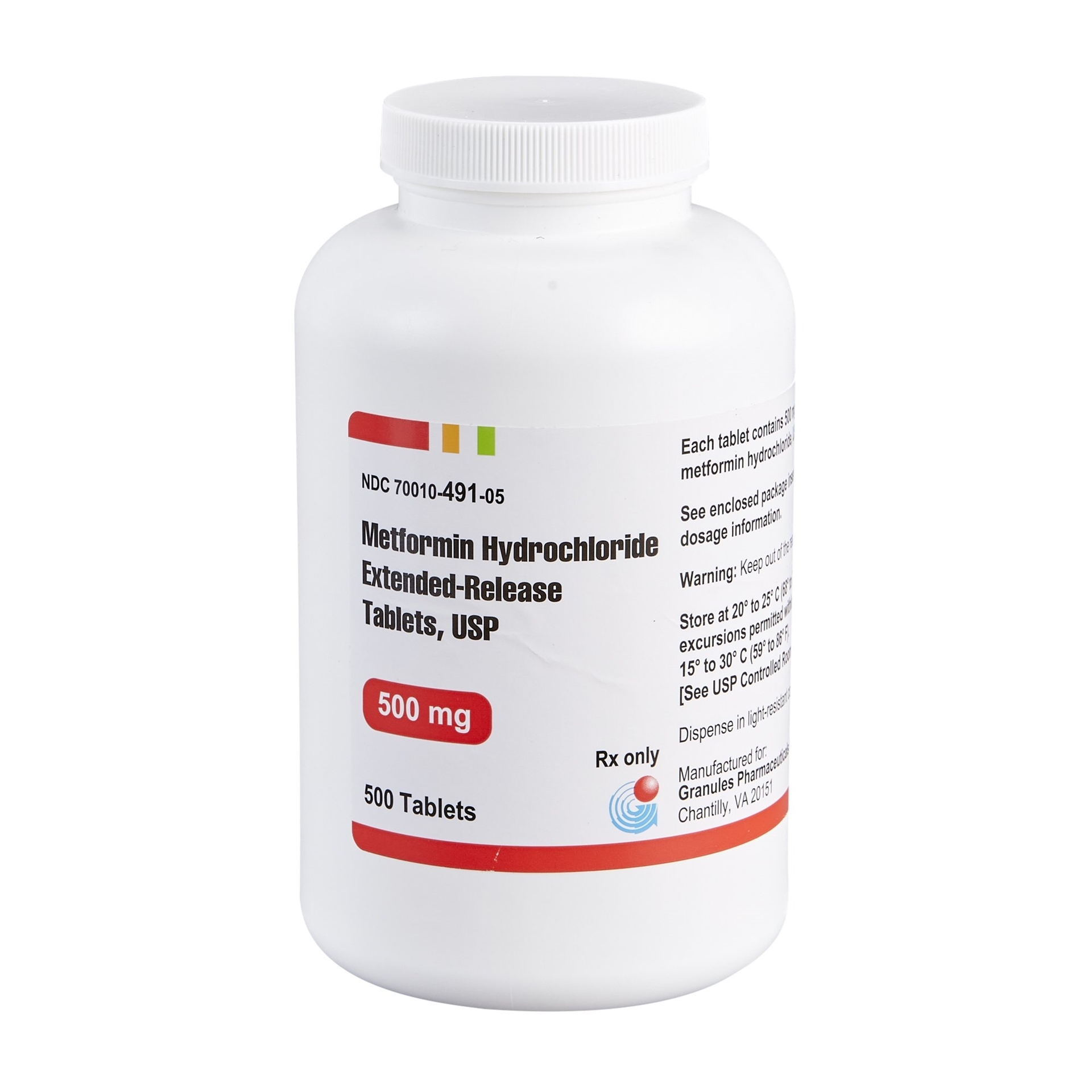
The standard abbreviation for extended release is ER or XR. Pharmacies, pharmaceutical manufacturers, and prescribers use these two-letter acronyms interchangeably on drug labels and prescriptions to signify that a medication is formulated to release its active ingredient gradually into the bloodstream over a prolonged period.
Understanding prescription drug abbreviations is a critical component of medication literacy and patient safety. Beyond ER and XR, healthcare providers utilize several related abbreviations—such as XL, SR, CR, LA, and CD—to designate modified-release drug delivery systems. While these terms all indicate that a pill or capsule acts longer than its standard, immediate-release counterpart, subtle distinctions exist in their drug-delivery mechanisms, release rates, and dosing schedules.
This comprehensive guide breaks down every common abbreviation for extended release, explains the underlying pharmaceutical technology, highlights critical safety protocols like avoiding pill crushing, and provides clear answers to frequently asked prescription questions.
Primary Abbreviations for Extended-Release Medications
When a pharmaceutical manufacturer designs a medication to release slowly over 8, 12, or 24 hours, the product name typically includes a specific suffix. Understanding these designators helps patients and caregivers identify how a medication functions in the body.
1. ER (Extended Release)
ER is the official standard abbreviation recognized across North American clinical practice and official pharmacopeias. When appended to a drug name (e.g., Metoprolol Succinate ER or Morphine ER), it indicates that the oral dosage form has been modified to prolong the absorption rate of the active ingredient compared to an immediate-release (IR) formulation.
2. XR (Extended Release)
XR is an equivalent abbreviation for extended release, widely favored by brand-name drug manufacturers for trademarking and marketing purposes. Popular examples include Adderall XR (mixed amphetamine salts) and Effexor XR (venlafaxine). Functionally, XR and ER serve the identical clinical purpose of extending the therapeutic effect over several hours.
3. XL (Extended Length / Extra-Long Acting)
XL typically stands for "extended length" or "extra long-acting." It generally denotes a formulation designed for once-daily (24-hour) dosing. A prominent example is Wellbutrin XL (bupropion hydrochloride), which is taken once daily, in contrast to Wellbutrin SR (sustained release), which is usually prescribed twice daily.
4. SR (Sustained Release)
SR stands for sustained release. In clinical pharmacokinetics, sustained-release formulations maintain a steady drug concentration in the bloodstream over an extended duration, typically 12 hours. While similar to ER, SR formulations often exhibit a slightly different dissolution rate and are frequently dosed twice per day.
5. CR (Controlled Release)
CR stands for controlled release. Controlled-release delivery systems are engineered to release the drug at a predetermined, constant rate (zero-order kinetics) to maintain consistent plasma concentrations over time. Examples include Ambien CR (zolpidem) and Carbatrol CR (carbamazepine).
6. LA (Long-Acting)
LA stands for long-acting. This suffix is commonly used for both extended-release oral capsules (such as Ritalin LA or Inderal LA) and long-acting injectable suspensions. It indicates that the therapeutic effect lasts significantly longer than the drug's baseline half-life.
7. CD (Controlled Delivery) & TR (Timed Release)
- CD (Controlled Delivery): Indicates a specialized membrane or bead matrix engineered to control when and where the drug dissolves (e.g., Cardizem CD).
- TR (Timed Release): An older term indicating that the release of active ingredients is timed at specific intervals following ingestion.
Key Differences: Delayed Release (DR) vs. Extended Release (ER)
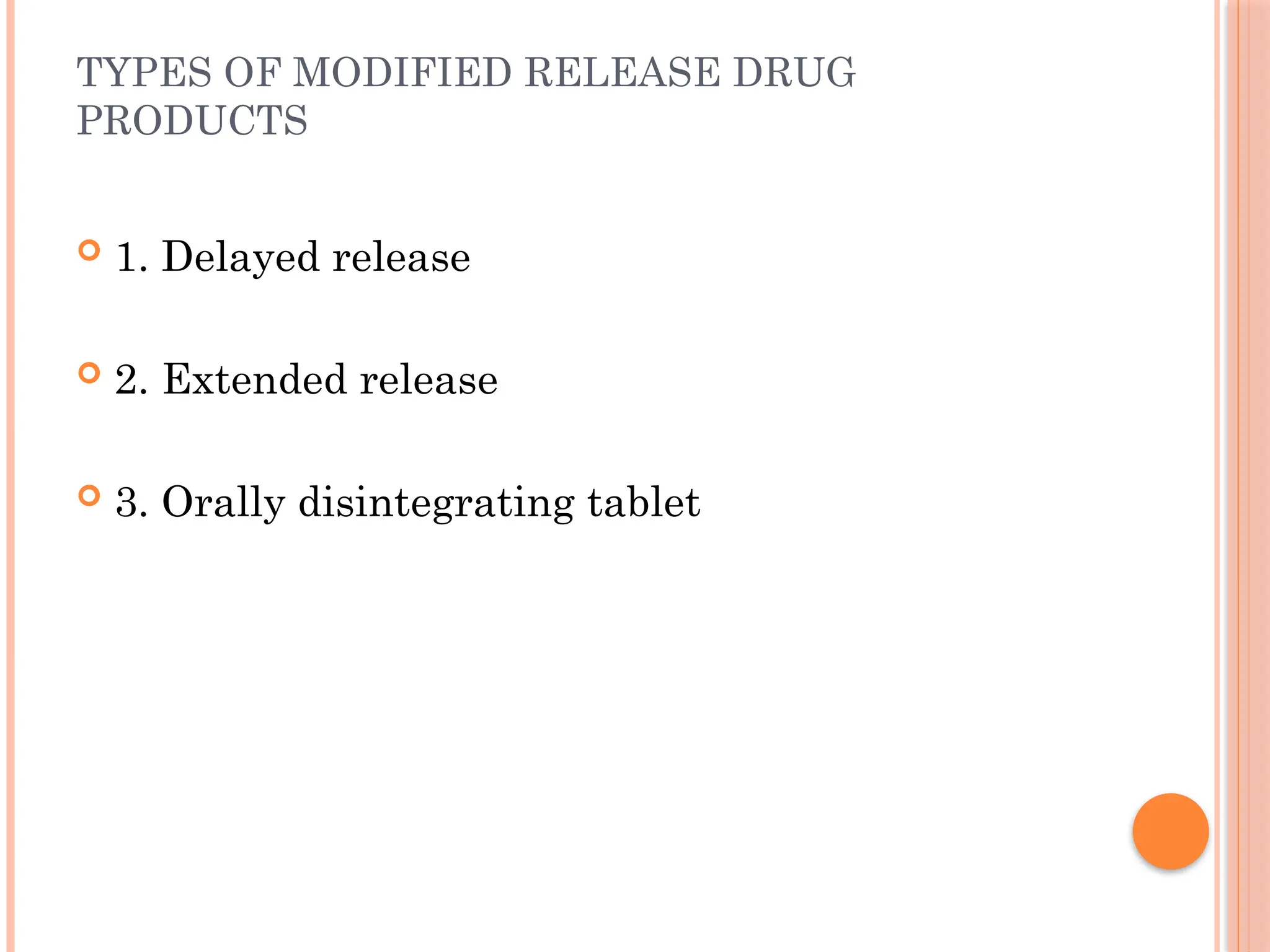
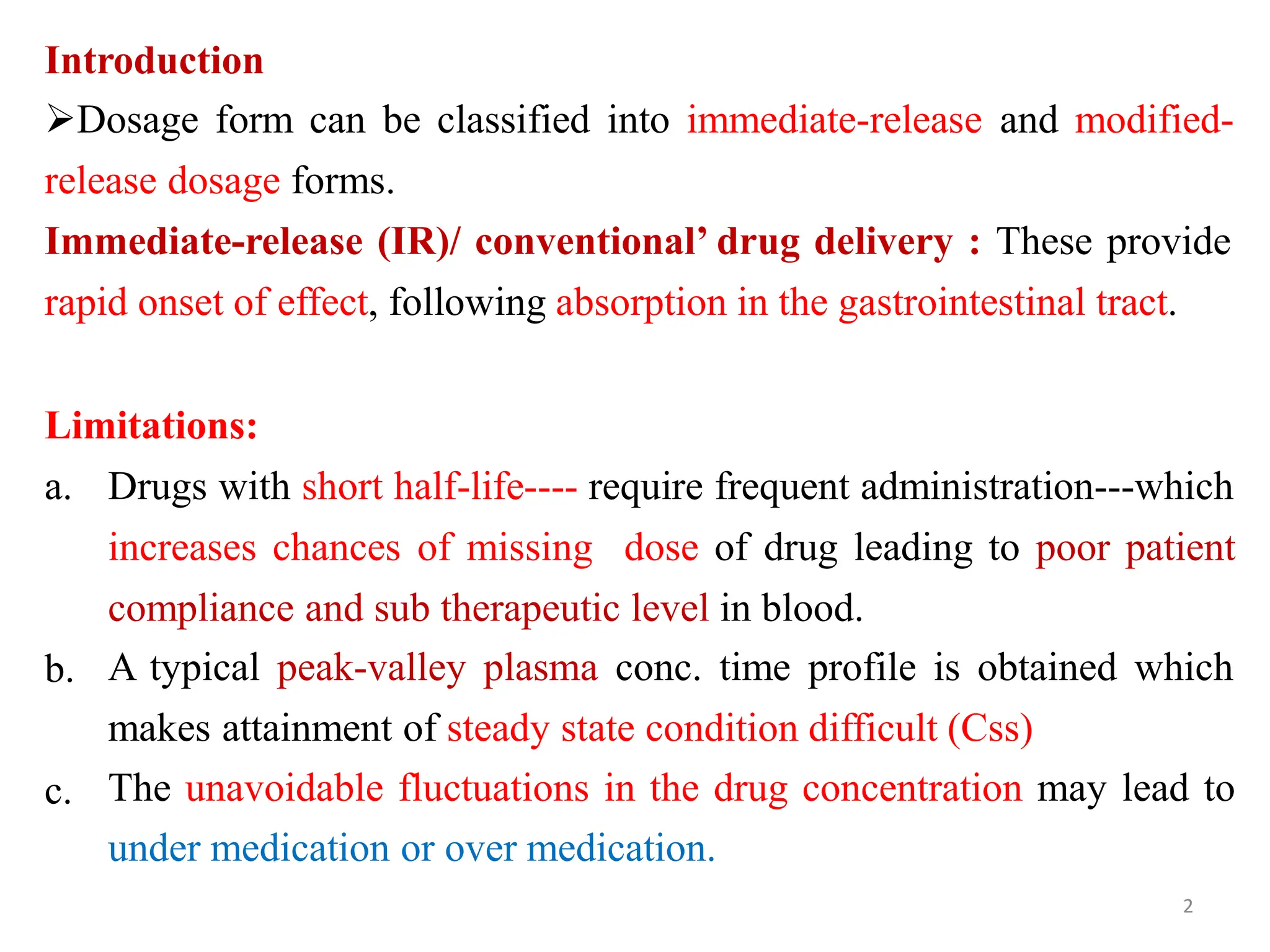
A common point of confusion in pharmacy practice is the difference between extended release (ER/XR) and delayed release (DR). Although both belong to the broader category of modified-release dosage forms, their mechanisms and clinical objectives differ fundamentally:
Extended Release (ER/XR/XL): The drug is released continuously over a prolonged duration after ingestion. The objective is to lengthen the duration of action and reduce dosing frequency.
Delayed Release (DR): The drug release is intentionally delayed for a period after administration. This is usually accomplished via an enteric coating that resists acidic gastric fluid in the stomach, allowing the pill to pass intact into the small intestine before dissolving. The goal is to protect stomach tissue from irritation (e.g., Aspirin DR) or prevent stomach acid from destroying the drug (e.g., Omeprazole DR).
Immediate Release (IR)
- Rapid dissolution in stomach
- Sharp spike in blood levels
Delayed Release (DR)
- Bypasses stomach intact
- Dissolves rapidly in intestine
Extended Release (ER)
- Slow, steady release
- Smooth blood level over 12-24 hours
Comparison Matrix of Modified-Release Abbreviations
The following reference table outlines the standard abbreviations used on prescription labels, their full expanded titles, typical dosing intervals, and common pharmaceutical examples.
| Abbreviation | Expanded Term | Typical Dosing Frequency | Primary Mechanism / Purpose | Common Examples |
|---|---|---|---|---|
| ER | Extended Release | 12 to 24 hours | Gradual, prolonged drug absorption | Metoprolol ER, Propranolol ER |
| XR | Extended Release | 12 to 24 hours | Brand-preferred extended-release designation | Adderall XR, Effexor XR |
| XL | Extended Length / Extra Long | 24 hours (Once daily) | Long-duration release profile | Wellbutrin XL, Glucotrol XL |
| SR | Sustained Release | 12 hours (Twice daily) | Prolonged release intermediate between IR and XL | Wellbutrin SR, Morphine SR |
| CR | Controlled Release | 12 to 24 hours | Zero-order, constant plasma level delivery | Ambien CR, Depakote CR |
| LA | Long-Acting | 12 to 24 hours | Extended therapeutic effect | Ritalin LA, Inderal LA |
| CD | Controlled Delivery | 24 hours | Multi-bead membrane control | Cardizem CD |
| DR | Delayed Release | Varies (Not extended) | Enteric coated; delays release until intestine | Omeprazole DR, Aspirin DR |
| IR | Immediate Release | 4 to 8 hours | Standard non-modified release | Adderall IR, Oxycodone IR |
How Extended-Release Formulations Work
Pharmaceutical scientists use advanced engineering to modify how oral dosage forms dissolve inside the human gastrointestinal (GI) tract. Instead of disintegrating instantly upon contact with stomach fluids, extended-release products rely on distinct technology platforms to control drug liberation.
Matrix Systems
In a hydrophilic matrix tablet, the active drug is uniformly blended with water-swellable polymers (such as hydroxypropyl methylcellulose). When swallowed, the outer layer of the tablet absorbs digestive fluids and forms a viscous gel barrier. The drug slowly diffuses through this gel layer while the matrix gradually erodes, maintaining a steady release rate over many hours.
Osmotic Pump Systems (OROS)
The Osmotic Controlled-Release Oral Delivery System (OROS) utilizes osmotic pressure to drive drug release. The tablet consists of a rigid, semipermeable outer membrane housing an active drug core and an osmotic "push" layer.
As water from the digestive tract permeates the outer membrane, the push layer expands, forcing the dissolved drug solution out through a precision laser-drilled hole at a constant rate. The rigid shell itself does not dissolve and passes out of the body intact.
- Laser-Drilled Release Orifice
- Active Drug Solution
- Semipermeable Membrane
- Expanding Push Engine
Multi-Particle Coated Bead Systems
Some capsules (such as Adderall XR or Dexilant) contain hundreds of microscopic beads coated with varying polymers of different thicknesses. Some beads release immediately in the stomach, while others are coated with delayed-release or extended-release polymers that dissolve hours later in the intestinal tract. This dual-release mechanism produces a sustained therapeutic effect across the day.
The Pharmacokinetics of Extended Release
From a clinical standpoint, extended-release drug design alters key pharmacokinetic parameters: peak concentration ($C_{\max}$), time to peak concentration ($T_{\max}$), and therapeutic half-life.
Medication Plasma Concentration Over Time:
- IR: High Peak, Quick Fall
- ER: Steady Profile
- Toxic Threshold
- Minimum Effective Level
- Lower Peak Plasma Concentration ($C_{\max}$): Immediate-release drugs produce a rapid spike in blood levels shortly after ingestion, which can trigger side effects. Extended-release formulations damp this peak, smoothing out side effect profiles.
- Extended Duration ($T_{\max}$ and AUC): By slowing absorption, the total area under the concentration-time curve (AUC) is distributed over 12 to 24 hours rather than 2 to 4 hours.
- Improved Compliance: Reducing dosing frequency from three or four times daily down to once daily significantly increases medication adherence in chronic condition management.
Prescribing Rules and Regulatory Standards
The naming and labeling of extended-release products are strictly overseen by regulatory bodies like the U.S. Food and Drug Administration (FDA) and standards organizations such as the United States Pharmacopeia (USP).
Non-Interchangeability Warning
A critical rule in pharmacy practice is that different extended-release acronyms for the same drug are not automatically bioequivalent or interchangeable.
For example, Wellbutrin SR (150 mg twice daily) cannot be automatically substituted at the pharmacy for Wellbutrin XL (300 mg once daily) without a revised prescription from a physician. The different delivery rates can lead to therapeutic failure or adverse effects if substituted improperly.
Patients should always verify the exact suffix on their prescription bottle when receiving a refill or generic substitution.
Crucial Patient Safety Guidelines
Because extended-release tablets contain a higher total dose of medication intended for slow release over an entire day, altering the physical structure of the pill can cause severe health hazards.
The Danger of "Dose Dumping"
Dose dumping occurs when the modified-release mechanism of a pill is compromised—typically by crushing, chewing, breaking, or dissolving it.
If an extended-release tablet containing a 24-hour supply of a potent drug is crushed and swallowed, the entire dose enters the bloodstream all at once. This leads to dangerously high peak drug levels, resulting in toxicity, overdose, or life-threatening organ damage.
Crushing an ER Tablet:
- 24-Hour Dose in 1 Pill
- Crushing / Chewing
- Entire Dose Release in 15 Minutes
- Danger of Overdose / Toxicity
Safety Checklist for ER/XR Medications
- Do Not Crush or Chew: Always swallow extended-release tablets or capsules whole unless explicitly instructed otherwise by a pharmacist or package insert.
- Check for Scoring Lines: Most ER tablets should never be split. However, a small number of extended-release medications (such as Toprol XL / Metoprolol Succinate ER) are specially scored and designed to be cut in half if prescribed. Even when split, these halves must be swallowed whole without chewing.
- Opening Capsules: Certain multi-bead capsules (e.g., Kadian or Focalin XR) may be opened and sprinkled onto soft food like applesauce for patients with swallowing difficulties. However, the beads themselves must be swallowed whole without chewing or crushing.
- Beware of Alcohol Interactions: Consuming alcohol with certain extended-release medications (especially extended-release opioids) can accelerate the breakdown of the polymer matrix, causing rapid dose dumping.
Understanding "Ghost Tablets" in Stool
Patients taking medications manufactured with osmotic pump technology (such as Concerta, Glucotrol XL, or Procardia XL) may occasionally notice an intact-looking tablet shell in their stool.
This shell is known as a ghost tablet or ghost matrix. It is completely normal and expected. The digestive system extracts the active drug while passing the insoluble polymer casing out of the body intact. Seeing a ghost tablet does not mean the medication failed to absorb.
Frequently Asked Questions
Are ER and XR the exact same thing?
Yes. ER and XR both stand for extended release and are clinically equivalent terms. ER is the standardized USP term used on generic labels and official clinical documents, while XR is a trademarked suffix frequently chosen by brand-name drug manufacturers (e.g., Adderall XR).
What does XL stand for in medication names?
XL generally stands for "extended length" or "extra long." It typically designates an extended-release formulation designed to last 24 hours, requiring only once-daily dosing, whereas SR (sustained release) often requires twice-daily administration.
Why can't I crush an extended-release tablet?
Crushing an extended-release tablet destroys the special polymer matrix or membrane designed to slow down drug absorption. This releases the entire dose into your body at once ("dose dumping"), which can cause dangerous overdose, severe side effects, or toxicity.
Is delayed release (DR) the same as extended release (ER)?
No. Delayed release (DR) delays the start of drug dissolution—usually to prevent stomach irritation or protect the drug from stomach acid—but releases the drug quickly once it reaches the intestines. Extended release (ER) continuously releases the drug over a prolonged period (12 to 24 hours).
What should I do if I accidentally chew an ER pill?
If you chew or crush an extended-release pill by mistake, contact a healthcare provider, pharmacist, or poison control center immediately. Depending on the medication and dosage, immediate medical evaluation may be required to monitor for toxicity caused by dose dumping.
Summary and Practical Next Steps
When managing prescription medications, recognizing abbreviations like ER, XR, XL, SR, and CR helps ensure proper dosing and administration:
- Verify Your Prescription Label: Confirm whether your medication has an ER/XR suffix to ensure you follow the correct dosing schedule.
- Never Alter the Dosage Form: Keep ER pills intact—do not crush, chew, split, or dissolve them unless your pharmacist or physician explicitly directs you to do so.
- Consult Your Pharmacist: If you have trouble swallowing pills, ask your pharmacist if an oral liquid, transdermal patch, or sprinkle formulation is available instead of trying to crush an extended-release tablet.
Disclaimer: This guide is provided for educational purposes only and does not constitute formal medical advice. Patients should always consult a licensed physician or registered pharmacist before making any changes to their prescription regimen or administration methods.