AARP single premium life insurance—often provided through policies underwritten by New York Life—is a financial product where you pay a one-time lump sum to secure a permanent death benefit. It is designed for seniors seeking to cover end-of-life expenses or leave a legacy without the burden of ongoing monthly premium payments.
Understanding Single Premium Life Insurance
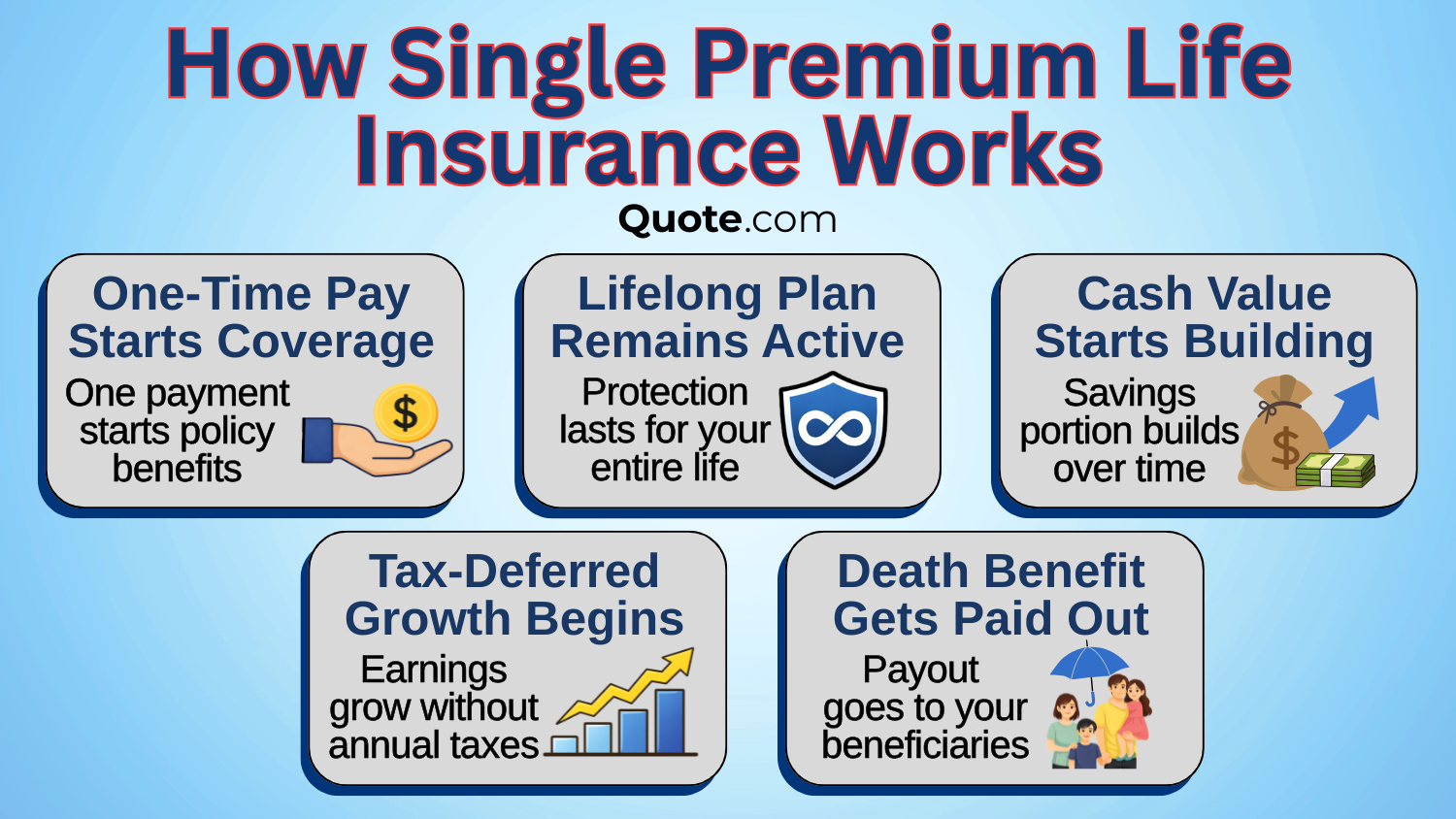
Single premium whole life insurance represents a departure from the traditional model of paying monthly, quarterly, or annual premiums for the duration of one's life. Instead, the policyholder makes a single, significant payment upfront at the time of purchase. Once this payment is made, the policy is considered "paid up," meaning the owner is never required to make another payment to keep the coverage in force, regardless of how long they live.
For many AARP members, the primary appeal of this structure lies in its simplicity and security. It eliminates the risk of a policy lapsing due to a missed payment, which is a common concern for individuals on fixed incomes or those who may experience cognitive decline. Because the policy is permanent, it remains active as long as the insured is alive, provided they meet the initial underwriting requirements.
The AARP and New York Life Partnership
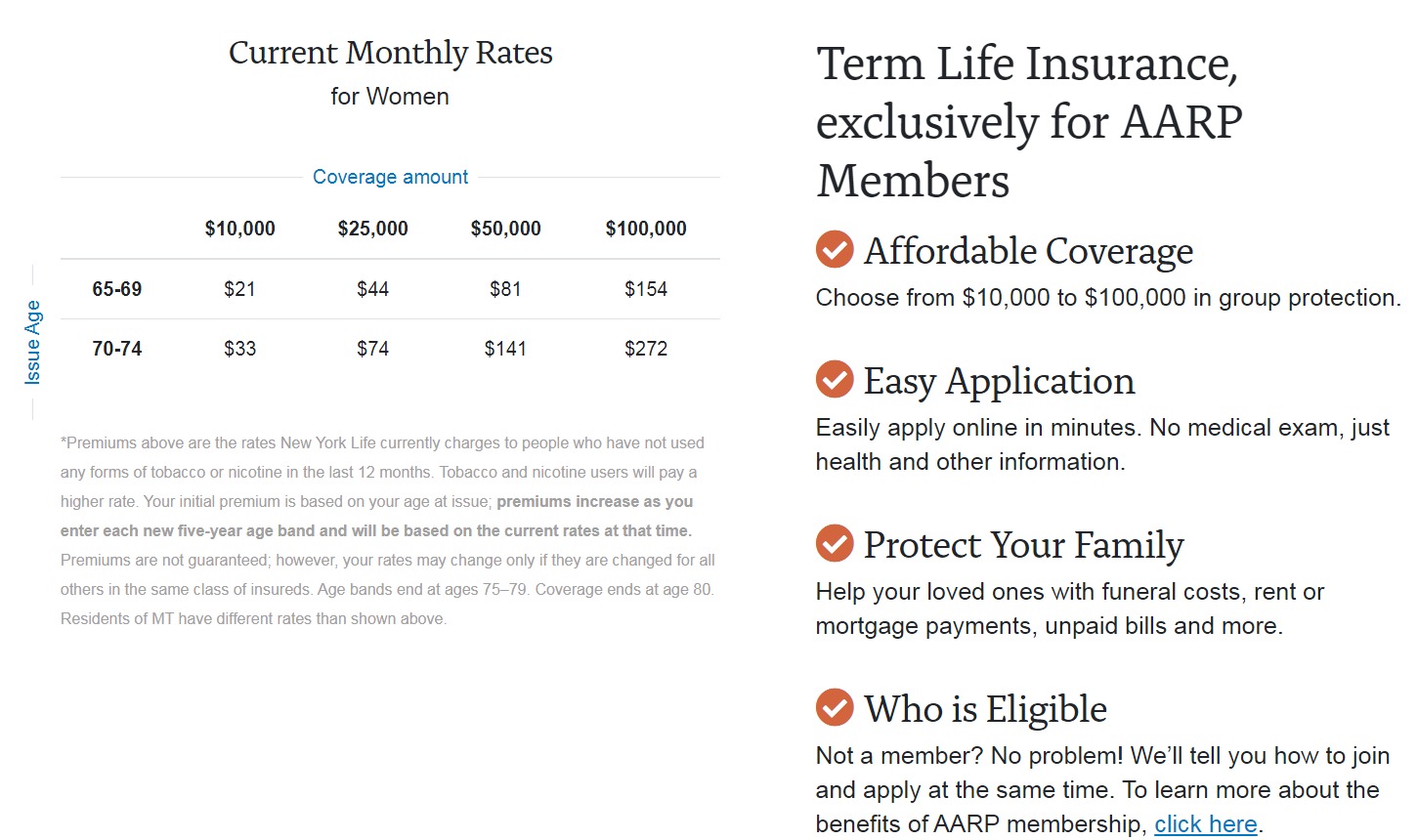
It is essential to clarify that AARP does not act as an insurance carrier itself. Instead, AARP licenses its name to insurance companies, most notably New York Life, which underwrites the policies marketed through the AARP Life Insurance Program. When you research "AARP single premium life insurance," you are typically looking at products specifically designed for the AARP membership base.
These policies are structured to be accessible. Unlike some high-end private wealth management insurance products, these offerings are generally tailored to be easier to qualify for, focusing on providing a straightforward death benefit that can be used for funeral costs, estate settlement, or as a transfer of wealth to beneficiaries.
Core Features and Benefits
The structure of a single premium policy comes with several distinct characteristics that distinguish it from term life or traditional whole life insurance:
- Fixed Death Benefit: The amount of coverage is set at the time of purchase and does not fluctuate. Your beneficiaries will receive the full face value of the policy upon your passing.
- Guaranteed Cash Value: These policies often build cash value over time. Because the premium is paid in full at inception, the cash value begins to accrue immediately based on the insurer's interest crediting schedule.
- No Ongoing Premiums: The most significant advantage is the elimination of future bills. This makes it an attractive "set it and forget it" financial planning tool.
- Tax-Advantaged Growth: The cash value within the policy grows on a tax-deferred basis. Additionally, the death benefit is generally paid out to beneficiaries income-tax-free, which can provide a significant benefit for estate planning.
Who Should Consider This Product?
Single premium life insurance is not a universal solution; it is a specific tool for a specific demographic. It is most suitable for:
- Individuals with Excess Liquid Assets: If you have cash in a savings account earning minimal interest and you do not anticipate needing those funds for daily living, moving that money into a single premium policy can provide a better return in the form of a death benefit.
- Those Planning for Final Expenses: Many people purchase this specifically to ensure they do not leave their families with the burden of funeral or burial costs.
- Estate Planners: Parents or grandparents who wish to leave a specific, guaranteed amount of money to heirs can use this as a vehicle to transfer wealth without the complexities of other investment accounts.
Comparative Overview: Single Premium vs. Other Insurance Types
| Feature | Single Premium Whole Life | Term Life Insurance | Universal Life Insurance |
|---|---|---|---|
| Payment Frequency | One-time lump sum | Periodic (monthly/yearly) | Periodic (flexible) |
| Coverage Duration | Permanent (Lifetime) | Temporary (10–30 years) | Permanent (if funded) |
| Cash Value | Yes, immediate growth | No | Yes, market-linked |
| Premium Risk | None (paid in full) | High (renewal cost) | High (if underfunded) |
Financial Considerations and Limitations
Before committing to a single premium policy, it is crucial to understand the implications of locking away capital. Once you pay the premium, accessing that money can be difficult. While you can technically withdraw or borrow against the cash value, doing so will reduce the death benefit and could have adverse tax consequences if not managed properly.
Furthermore, inflation can erode the purchasing power of the death benefit over time. If you purchase a $20,000 policy today, that amount will buy fewer services or goods in twenty years than it does now. It is important to calculate whether the fixed death benefit aligns with your long-term financial goals.
The Application and Underwriting Process
Even though these policies are designed for seniors, they are not necessarily "guaranteed issue." Depending on the specific product, you may still be required to answer health-related questions.
- Selection: You choose the death benefit amount that fits your needs.
- Application: You provide personal information and respond to health questions.
- Underwriting: The insurer assesses your risk profile. While some AARP-branded products have simplified underwriting, they are not always strictly "no-medical-exam" policies.
- Funding: Once approved, you transfer the lump sum.
- Issuance: The policy is issued, and your beneficiaries are named.
Legal and Tax Implications
Life insurance proceeds are generally exempt from federal income tax when paid to a named beneficiary. However, if the policy is owned by the insured, the death benefit may be included in the taxable estate for federal estate tax purposes, depending on the size of the estate and current tax laws in 2026. If the policy is meant to provide a legacy, you might consider setting up an irrevocable life insurance trust (ILIT) to keep the proceeds out of your taxable estate, though this is a complex step that requires legal counsel.
Disclaimer: The information provided here is for educational purposes only and does not constitute financial, legal, or tax advice. Insurance laws and tax codes are subject to change. Always consult with a qualified financial advisor or estate planning attorney regarding your specific financial situation.
Frequently Asked Questions
1. Can I get my money back if I change my mind? Most life insurance policies include a "free look" period, usually ranging from 10 to 30 days, during which you can cancel the policy and receive a full refund of your premium. After this period, canceling the policy will usually result in receiving the cash surrender value, which is often less than the original premium paid, especially in the early years.
2. Does a single premium policy qualify for Medicaid eligibility? This is a critical area for seniors. In many jurisdictions, the cash value of a life insurance policy is considered a countable asset for Medicaid purposes. You should consult with an elder law attorney in your state to determine how such an asset might affect your eligibility for long-term care assistance.
3. Is the death benefit guaranteed? Yes, provided the policy is not surrendered or borrowed against excessively. Because the premium is paid in full, the insurance company assumes the risk of the policyholder living a long life, guaranteeing the death benefit payout regardless of the actual duration of the insured’s life.
4. Can I add to the policy later? Typically, no. A single premium policy is designed as a standalone, one-time transaction. If you decide you need more coverage later, you would generally need to purchase a separate policy, subject to the underwriting requirements in effect at that time.
5. What happens if the insurer fails? Life insurance companies are regulated at the state level. They are required to participate in state guaranty associations, which provide a safety net for policyholders if an insurance carrier becomes insolvent. Limits on this protection vary by state, so you may want to verify your state's specific coverage limits through the National Organization of Life and Health Insurance Guaranty Associations.
Practical Next Steps
If you are considering an AARP-endorsed single premium life insurance policy, start by reviewing your current financial snapshot. Determine the specific goal of the insurance—is it to cover final expenses, or is it to leave a specific inheritance?
Once you have defined your goal, request a formal quote from the official AARP life insurance portal or the licensed insurance provider. Review the policy prospectus carefully, paying close attention to the cash value growth, the surrender charges (if any), and the process for claiming the death benefit. Compare this against other safe, liquid investment vehicles to ensure that the locked-in nature of the insurance policy aligns with your liquidity needs.