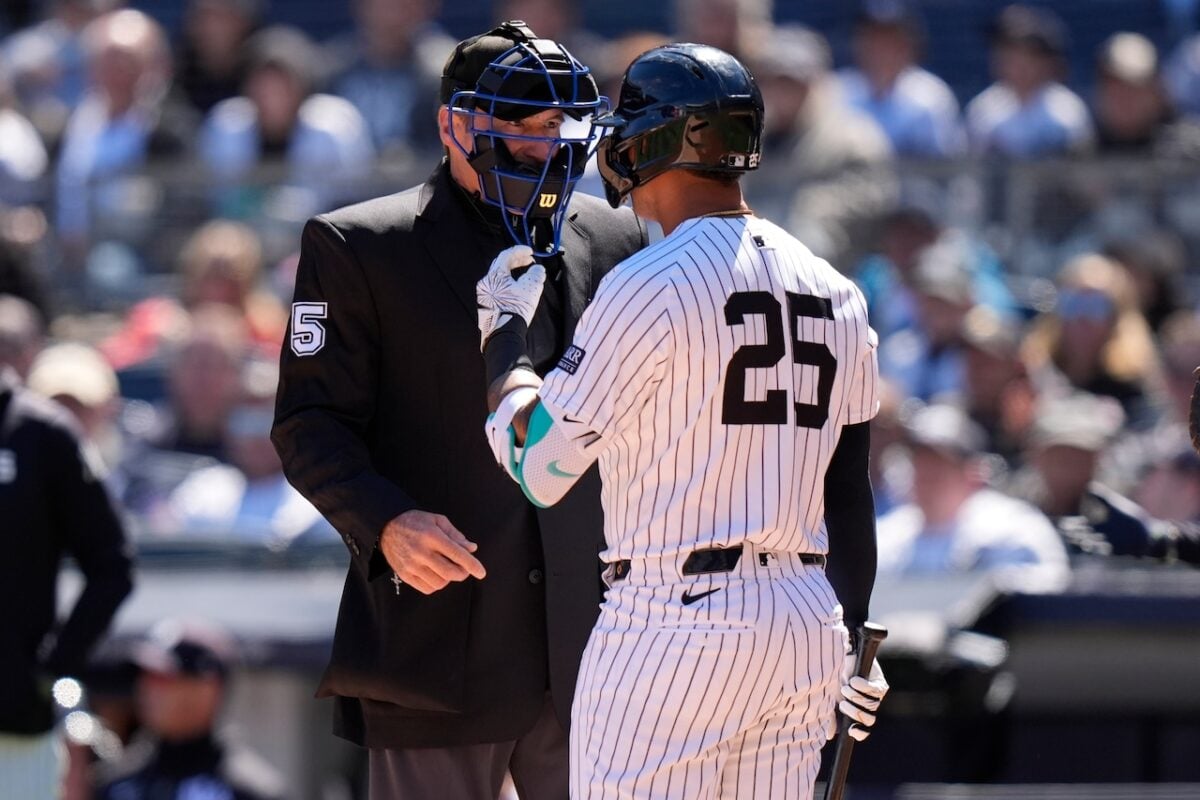
Aaron Hernandez is a name most prominently associated with professional football and a heavily publicized criminal case, but sports fans occasionally search for an "Aaron Hernandez umpire in baseball" due to name-matching queries, distinct minor league athletic paths, or broader digital curiosity. While no Major League Baseball umpire by this exact name has ever achieved prominent status or worked World Series games, the intersection of names and sports histories often leads to confusion that requires careful disambiguation.
Disambiguation and the Search for Aaron Hernandez in Baseball
When individuals search for "Aaron Hernandez umpire in baseball," they are typically navigating a complex web of sports trivia, digital name collisions, or inquiries into whether a former athlete attempted a career transition. In professional sports, the name Aaron Hernandez instantly conjures memories of the former tight end for the New England Patriots. However, the world of baseball features its own distinct personnel, and understanding how different individuals share names across distinct sports leagues helps clear up common misconceptions.
Major League Baseball (MLB) and Minor League Baseball (MiLB) employ hundreds of umpires at any given time, rigorously tracked through official governing bodies such as Minor League Baseball Umpire Development and the MLB Umpire Camps. Official rosters from these organizations do not feature a prominent or historical Major League umpire by the name of Aaron Hernandez. When inquiries about an umpire with this name arise, they usually stem from one of three sources: amateur leagues, local collegiate or high school officiating associations where umpires share common names, or automated search engine query patterns that associate a famous name with a distinct athletic profession.
Resolving this distinction requires looking closely at how sports databases function, why fans search for specific combinations of names and professions, and the actual roster of professional baseball officials. By examining the structural reality of professional umpiring, sports enthusiasts can better navigate search results and find accurate historical data regarding baseball officials.
The Structure of Professional Baseball Officiating
To understand why a specific name might or might not appear in baseball records, it is essential to examine how professional umpires enter and ascend through the ranks. Officiating in professional baseball is a merit-based, highly competitive profession governed by strict standards of training, evaluation, and performance.
- Umpire Evaluation Camps & Umpire Training Academy
- Minor League Baseball Assignment (Rookie through Triple-A)
- Professional Evaluation & Minor League Call-Ups
- Major League Baseball Staff Promotion
Aspiring umpires typically begin by attending professional training academies sanctioned by baseball governing bodies. Top graduates are selected to work in Minor League Baseball, starting in rookie leagues or Class A and working their way up through Double-A and Triple-A classifications. Advancement depends on rigorous evaluations by field supervisors who assess rule knowledge, judgment, positioning, and temperament.
Because of this structured pipeline, every official who steps onto a professional diamond—whether in the Florida Complex League or at Dodger Stadium—is cataloged in official databases maintained by organizations like Retrosheet, Baseball-Reference, and Major League Baseball. A search through these comprehensive historical archives confirms that professional umpiring rosters do not include a notable figure named Aaron Hernandez.
Common Misconceptions and Name Collisions in Sports Media
Search queries involving athletes and officials often cross paths due to the mechanics of search engine algorithms and public interest spikes. The notoriety of the name Aaron Hernandez means that any association with the word "baseball" or "umpire" generates algorithmic curiosity, even if the connection is entirely nonexistent in reality.
Several factors contribute to these cross-sport search patterns:
- Name Collisions: Common first and last name combinations frequently appear across different levels of athletics, ranging from high school athletes and local referees to collegiate club players.
- Algorithmic Association: Search engines group trending names with major sports terms (such as "baseball" or "umpire") based on user search behavior rather than verified biographical facts.
- Hypothetical Discussions: Online sports forums, trivia sites, and fan fiction discussions occasionally explore fictional scenarios or misremembered sports figures, which index in search engines and prompt further user inquiries.
Recognizing these patterns helps sports researchers separate verified historical facts from digital noise. When evaluating sports personnel, relying on primary databases and official league media guides remains the most reliable method for verifying identities.
Comparative Overview of Sports Officiating vs. Professional Athletics
To maintain clarity when researching sports figures, it is helpful to contrast the tracking of professional athletes with that of game officials. The table below outlines the key differences in documentation, career paths, and public recognition between MLB umpires and professional football players.
| Feature | Major League Baseball Umpires | Professional Football Players (e.g., NFL) |
|---|---|---|
| Governing Body | Office of the Commissioner of Baseball / MLB | National Football League Operations |
| Career Pipeline | Umpire Training Academy to MiLB (Rookie to AAA) | Collegiate Football (NCAA) to Draft or Scouting |
| Public Tracking | Official rosters, uniform numbers, game logs | Comprehensive player stats, contracts, transaction logs |
| Name Uniqueness | Strictly documented by legal name and crew assignments | Widely publicized individual profiles and media coverage |
| Primary Focus | Rule enforcement, game management, objectivity | On-field athletic performance, team strategy |
This structural comparison underscores why specific names carry vastly different weights depending on the sport and the professional context in which they are researched.
Frequently Asked Questions
Was there ever a Major League Baseball umpire named Aaron Hernandez?
No official records from Major League Baseball, Minor League Baseball, or historical baseball databases indicate that an umpire by the name of Aaron Hernandez has ever officiated at the professional level.
Why do search results connect Aaron Hernandez with baseball or umpiring?
Search queries often link high-profile names with general sports terms due to algorithmic associations, name collisions in amateur or local sports leagues, and online discussions or trivia inquiries.
How are professional baseball umpires chosen and tracked?
Professional umpires are selected through specialized training academies, ascend through the Minor League Baseball system based on performance evaluations, and are thoroughly documented in official league personnel records and historical databases.
Where can I find verified rosters of MLB umpires?
Verified rosters, crew chief assignments, and biographical information for current and historical Major League Baseball umpires are available through official league websites, Retrosheet, and recognized baseball research publications.
Conclusion and Next Actions
When researching sports queries involving specific names and roles—such as an Aaron Hernandez umpire in baseball—it is essential to rely on verified historical databases and official league records rather than automated search suggestions. To verify any professional sports official or player, consult official league media guides, historical archives like Baseball-Reference, or governing body rosters to ensure accurate information.