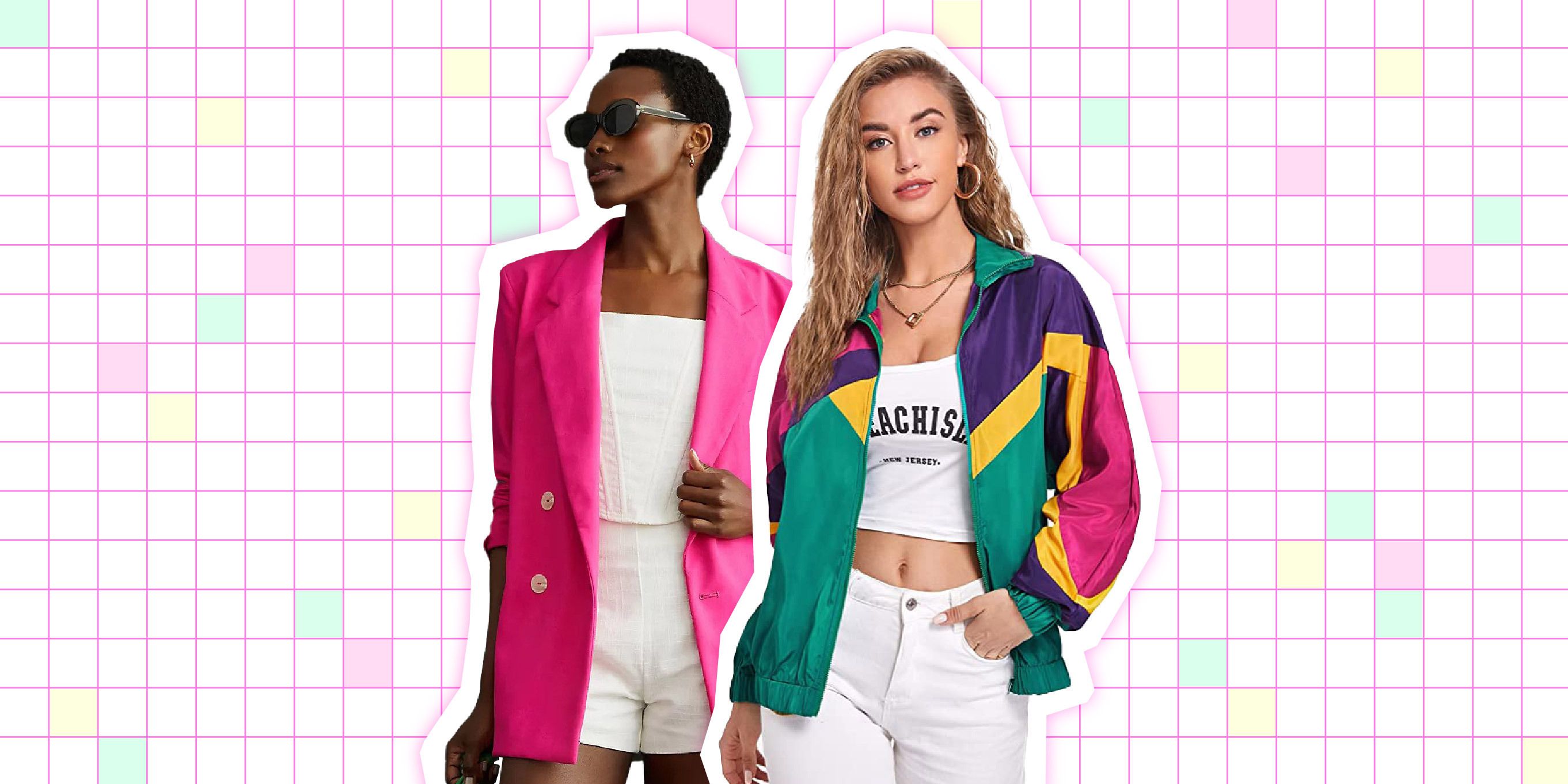
The fashion landscape of the 1980s and 1990s was defined by a transition from neon-drenched maximalism and "power dressing" to the grit of grunge and the rise of logomania. Iconic brands like Guess, Tommy Hilfiger, Benetton, and Members Only created cultural signatures that remain highly sought after by collectors and vintage enthusiasts in 2026.
The Cultural Shift: From 80s Excess to 90s Irony
To understand the clothing brands of the 1980s and 1990s, one must first recognize the economic and social drivers behind the aesthetics. The 1980s were characterized by a "dress for success" mentality. This was the era of the Yuppie (Young Urban Professional), where brands served as immediate indicators of status and upward mobility. Clothing was structured, colorful, and intentionally loud.
By contrast, the 1990s acted as a stylistic palate cleanser. The early part of the decade embraced "grunge," a subculture born in the Pacific Northwest that rejected the polished artifice of the 80s in favor of flannel, ripped denim, and thrifted layers. However, the 90s also birthed the modern streetwear movement, where hip-hop culture moved from the fringes to the center of global fashion, making brands like FUBU and Karl Kani household names.
As of 2026, the market for "archival" pieces from these decades has matured significantly. While 80s fashion is often appreciated for its kitsch and costume value, 90s minimalism and streetwear have become foundational elements of contemporary high-end design.
Iconic Clothing Brands of the 1980s
The 80s were dominated by brands that understood the power of television marketing and the burgeoning "mall culture."
Members Only
Founded in 1975 but reaching its zenith in the mid-80s, Members Only became synonymous with the "racer jacket." Characterized by its epaulets, throat latch, and ribbed trim, the jacket was a ubiquitous wardrobe staple. In the 80s, owning a Members Only jacket was a literal badge of belonging. The brand’s marketing—famously stating, "When you put it on, something happens"—tapped into the decade's desire for exclusivity.
Benetton (United Colors of Benetton)
The United Colors of Benetton transformed the retail experience by focusing on vibrant knitwear and provocative social commentary. Under the creative direction of photographer Oliviero Toscani, Benetton’s advertising campaigns touched on themes of racial harmony, the AIDS crisis, and global conflict. Technologically, Benetton was a pioneer in garment dyeing—a process where clothes are knitted in neutral colors and dyed only after orders are placed, allowing the company to respond rapidly to 1980s color trends.
Esprit
Esprit was the quintessential "cool girl" brand of the 80s. Founded in San Francisco, it combined a laid-back California aesthetic with high-quality materials and a distinctive triple-bar "E" logo. Esprit was also one of the first major brands to embrace social and environmental responsibility, a precursor to the sustainability movements seen in 2026. Their catalogs were legendary, featuring "real people" (employees and friends) rather than professional models, which fostered a deep sense of brand loyalty.
Guess
If any brand defined 80s sex appeal, it was Guess. Known for their stone-washed, slim-fitting denim, Guess utilized black-and-white photography featuring "Guess Girls" like Claudia Schiffer and Anna Nicole Smith. Their signature triangle logo on the back pocket became a global status symbol. Guess was instrumental in proving that denim could be a high-fashion, premium product, a concept that paved the way for the designer denim boom of the early 2000s.
The 90s Revolution: Minimalism, Hip-Hop, and Grunge
As the 1990s dawned, the silhouette loosened, and the "brand" became the focus of the entire garment.
Tommy Hilfiger
Tommy Hilfiger’s rise in the 90s is a case study in cultural cross-pollination. While the brand initially targeted a "preppy" Northeastern aesthetic, it was adopted by the hip-hop community, which favored Hilfiger’s oversized fits and bold primary colors (red, white, and blue). After Snoop Dogg wore a Hilfiger sweatshirt on Saturday Night Live in 1994, the brand's sales skyrocketed. Today, vintage Hilfiger "Big Logo" windbreakers and rugby shirts are among the most expensive archival items on the 2026 secondary market.
Calvin Klein
While the 80s were loud, Calvin Klein in the 90s was whisper-quiet but incredibly impactful. The brand pioneered the "heroin chic" aesthetic, featuring waif-like models like Kate Moss. Their slip dresses, neutral color palettes, and iconic underwear waistbands defined 90s minimalism. This was "aspirational boredom"—a look that suggested the wearer was too cool to try hard.
FUBU (For Us, By Us)
Founded in 1992 by Daymond John and his friends in Queens, New York, FUBU was a seminal force in 90s streetwear. It was one of the first major brands created specifically for the Black community, by the Black community. FUBU’s oversized hockey jerseys and denim sets weren't just clothes; they were a movement. The brand’s success proved that "street" styles were the new mainstream, forever changing the trajectory of the fashion industry.
JNCO
No discussion of the 90s is complete without JNCO (Judge None Choose One). Representing the extreme end of the decade's silhouette, JNCO produced jeans with leg openings ranging from 20 to 50 inches. Popularized by rave and skater subcultures, JNCOs were a direct rebellion against the slim-fit denim of the 80s. While they were once a punchline, original JNCO "Mammoth" and "Crime Scene" models now command high prices in 2026 among collectors of experimental fashion.
Technical Innovations and Material Trends
The 80s and 90s were not just about logos; they were periods of significant textile evolution.
- Synthetic Blends: The 80s saw the widespread adoption of Spandex (Lycra) in everyday wear, driven by the aerobics craze. Leggings and "body-con" dresses became possible through these high-stretch fabrics.
- Denim Processing: The 90s popularized "acid wash" and "stone wash" techniques. Acid washing involved soaking pumice stones in chlorine to create high-contrast patterns on denim, while stone washing used physical abrasion to soften the fabric and provide a "broken-in" feel.
- Performance Outerwear: The mid-90s saw the migration of technical outdoor gear into the urban wardrobe. Brands like The North Face (specifically the Nuptse puffer jacket) and Helly Hansen became staples of New York and London street style, introducing GORE-TEX and high-loft down to a non-sporting audience.
Comparison of Legacy Brands and Market Positioning
The following table compares key brands across both decades, highlighting their core items and their status in the current 2026 fashion economy.
| Brand | Peak Era | Signature Item | Primary Aesthetic | 2026 Market Status |
|---|---|---|---|---|
| Members Only | 1980–1986 | Racer Jacket | Clean-cut / Preppy | Niche / Kitsch |
| Guess | 1983–1992 | 3-Zip Marilyn Jean | Glamour / Sex Appeal | Global Mid-Market |
| Benetton | 1984–1990 | Multi-colored Knits | Socially Conscious | Heritage / Active |
| Calvin Klein | 1992–1998 | Slip Dress / Underwear | Minimalist / Grunge | Global Luxury |
| Tommy Hilfiger | 1994–1999 | Big Logo Windbreaker | Urban Preppy | Global Premium |
| FUBU | 1992–1998 | FB Shield Jersey | Streetwear / Hip-Hop | Archival / Boutique |
| JNCO | 1996–1999 | 30" Leg Denim | Subculture / Alt | High-Value Vintage |
The Enduring Legacy: Why These Brands Matter in 2026
The fascination with 80s and 90s clothing brands in 2026 is driven by more than just nostalgia. There is a tangible appreciation for the construction quality of vintage garments compared to the "fast fashion" of the 2010s. Many pieces from this era were manufactured in the United States, Italy, or Hong Kong using heavier-weight cotton and more durable stitching techniques.
Furthermore, these brands represent the last era before the total digitization of fashion. In the 80s and 90s, brands were discovered through magazines, MTV, and physical stores. This created a slower, more deliberate "brand story" that modern labels struggle to replicate. For the 2026 consumer, wearing an original 1992 Tommy Hilfiger rugby shirt is a way to claim a piece of that authentic cultural history.
Frequently Asked Questions
How can I verify if an 80s or 90s brand item is authentic vintage?
To verify authenticity, examine the care tags and "Made In" labels. Most 80s and 90s items from major brands were produced in the USA, Canada, or Europe. Check for the style of the tag; vintage tags are often woven rather than printed. Additionally, look for heavy-duty YKK zippers and consistent, high-density stitching, as these were standard for the period.
Why is 90s streetwear more expensive in 2026 than 80s fashion?
90s streetwear, particularly brands like FUBU, Cross Colours, and early Tommy Hilfiger, is viewed as the "blueprint" for modern luxury fashion (which now mimics these oversized silhouettes). Because many of these items were worn heavily and treated as everyday gear, finding "Deadstock" (unworn) or "Mint" condition pieces is difficult, driving up the price due to scarcity.
Are any 80s "athleisure" brands still relevant?
Yes, brands like Reebok and Lotto have seen a significant resurgence. Reebok’s "Freestyle" Hi-top, originally released in 1982 as a women's aerobics shoe, remains a staple in 2026 for its retro-minimalist look. These brands have successfully pivoted by re-releasing their "Archive" collections.
What is the best way to care for vintage 80s/90s denim?
Avoid frequent washing to preserve the original dye and structural integrity. When necessary, wash in cold water on a gentle cycle and always hang dry. The heat from modern dryers can break down the older cotton fibers and any elastic (Spandex) blends common in late 80s clothing.
Which 90s brand is considered the "holy grail" for collectors?
While subjective, early Polo Ralph Lauren (specifically the "Snow Beach" or "Stadium" collections) and Nike (early Air Max apparel) are generally considered the "holy grails." Their limited production runs and deep connection to 90s subcultures make them high-value assets in the 2026 vintage market.
Practical Recommendation for Enthusiasts
If you are looking to build a collection of 80s and 90s clothing, focus on materials first. Seek out 100% cotton "heavyweight" tees and denim from brands like Levi’s (look for the "Big E" or red tab), Guess, and Calvin Klein. These items have the highest durability and will likely continue to appreciate in value. For those interested in the 90s aesthetic, prioritize "logomania" pieces from Tommy Hilfiger and Nautica, but ensure the logos are embroidered rather than screen-printed, as embroidery holds its value better over decades of wear.