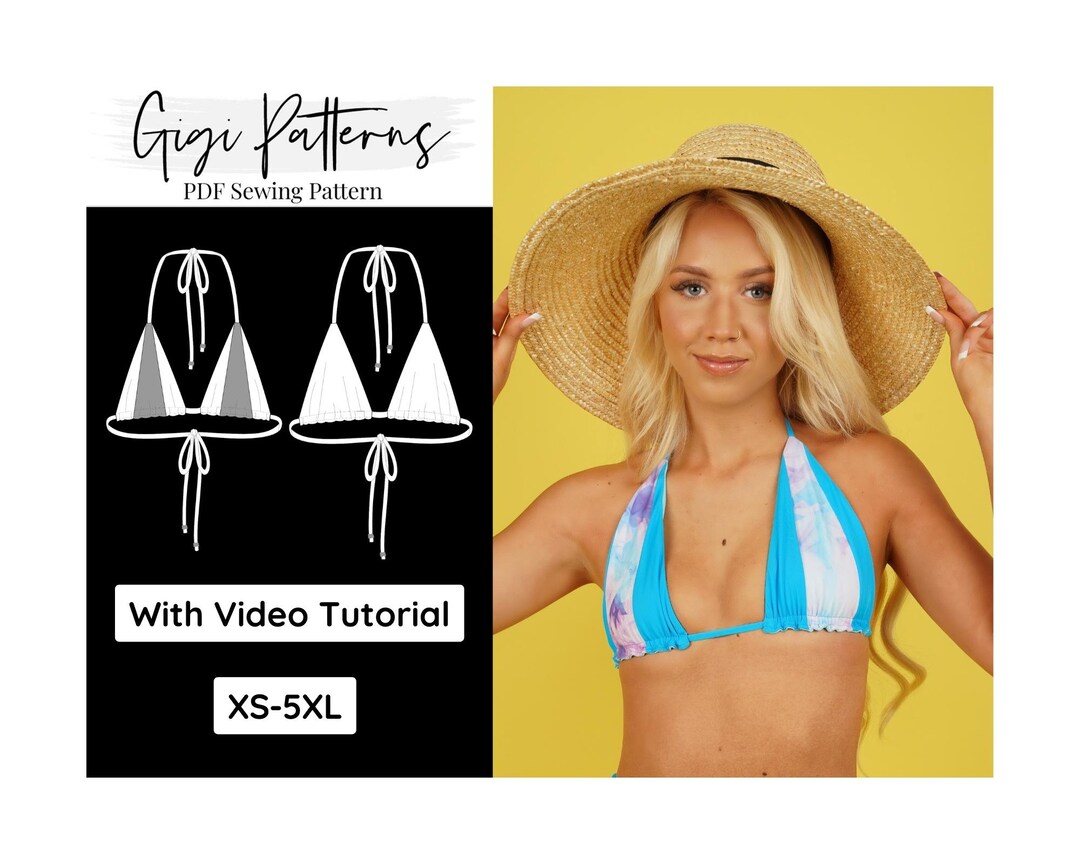
Choosing the perfect crochet triangle bikini top depends on balancing aesthetic preference with functional support and material durability. Whether you are aiming for a minimalist classic, a bohemian festival look, or a secure sporty fit, selecting the right stitch density and yarn fiber is essential for a piece that maintains its shape when wet.
Crochet swimwear has transitioned from a niche craft project to a staple of summer fashion. As we move through 2026, the emphasis on handmade, sustainable apparel has never been stronger. The triangle bikini top remains the most popular silhouette due to its adjustable nature and relatively simple construction. However, "simple" does not mean "one-size-fits-all." The way a triangle is constructed—whether from the bottom up, the top down, or from the center out—drastically changes the drape and support of the garment.
To create a professional-grade bikini top, you must consider the "beach vibe" you want to project. This guide explores five distinct patterns, detailing the technical requirements, yarn choices, and construction methods necessary to achieve a high-quality result.
1. The Classic Minimalist: The Solid Stitch Triangle
The Classic Minimalist vibe is defined by clean lines, a perfect fit, and a lack of distracting embellishments. This pattern focuses on the foundational geometry of the triangle, using dense stitches to ensure full coverage without the immediate need for a fabric lining, although lining is always recommended for longevity.
Technical Construction
This pattern typically utilizes the Single Crochet (sc) or Half Double Crochet (hdc) stitch. Starting at the bottom edge, you work a foundation chain that matches your desired cup width. By decreasing at the beginning and end of specific rows, you create a sharp, clean taper toward the apex.
Why It Works
The simplicity of the solid stitch allows the texture of the yarn to shine. In 2026, many makers are opting for mercerized cotton or high-twist Pima cotton. Mercerization is a treatment for cellulose fabric and yarn (typically cotton) that gives it a lustrous appearance and strengthens it. This prevents the "sag" often associated with traditional wool or acrylic yarns when they encounter water.
Styling and Finish
To maintain the minimalist aesthetic, use "I-cord" straps rather than simple chain stitches. An I-cord is a narrow tube of knitting (or crochet) that provides significantly more structural integrity and comfort against the skin, preventing the straps from digging into the neck.
2. The Boho-Chic Festival: The Granny Ripple and Lace
For those seeking a "Bohemian" or "Festival" vibe, the focus shifts from solid coverage to intricate texture and decorative borders. This style often incorporates "Negative Space" elements—areas where the stitch pattern allows skin to show through, usually layered over a nude-colored liner.
Technical Construction
The Boho-Chic pattern often uses a variation of the Granny Square technique adapted into a triangle. Instead of working in rows, you might work in the round from the center of the triangle outward. This creates a radial pattern that naturally draws the eye toward the center of the cup.
Key elements include:
- Picot Edging: Small loops of chain stitches added to the final row to create a delicate, scalloped border.
- Shell Stitches: Clusters of several double crochets into one stitch, creating a fan-like appearance.
- Tassel Integration: Adding fringe or tassels to the bottom band for movement.
Yarn Selection
For this vibe, matte cotton blends or even linen-based yarns are preferred. Linen is exceptionally durable and becomes softer with every wash, making it ideal for high-wear festival environments.
3. The Sporty & Secure: The Ribbed Wide-Band Triangle
A common critique of crochet bikinis is their lack of support for active beach days. The Sporty & Secure vibe solves this by moving away from thin strings and toward structural ribbing and wider base bands. This is the pattern for swimming, volleyball, or surfing.
Technical Construction
This pattern utilizes Back Loop Only (BLO) stitching to create a ribbed texture that mimics the elasticity of store-bought swimwear. The triangle is often worked sideways (from one side of the cup to the other) rather than bottom-up. This orientation allows the ribbing to stretch horizontally around the body, providing a much firmer "grip."
The "Wide-Band" refers to the bottom strap. Instead of a single tie, a 1-to-2-inch crocheted band is worked separately and the cups are attached to it. This distributes the weight of the bust across the ribcage rather than putting all the pressure on the neck ties.
Material Requirements
For a sporty fit, look for yarns that contain a small percentage of elastic or Patex. While 100% cotton is traditional, a 90% cotton/10% elastic blend is the gold standard for activewear in 2026. This allows the garment to "spring back" to its original shape after being stretched by water or movement.
4. The Vintage Retro: The High-Apex Picot Top
The Vintage vibe draws inspiration from the 1950s and 60s, characterized by higher coverage and a "pointed" or structured silhouette. It is often paired with high-waisted bottoms, but the top itself stands out through its unique shaping.
Technical Construction
The High-Apex pattern features a taller triangle that extends further up toward the shoulder. This is achieved through a slower decrease rate. Instead of decreasing every row, you might decrease every second or third row.
Retro patterns frequently use the Star Stitch or Waffle Stitch to provide a thick, luxurious texture that feels more like a structured garment than a flimsy bikini. These stitches use more yarn but offer unparalleled modesty and a "couture" look.
Color and Contrast
To lean into the retro aesthetic, use a contrasting color for the border. A navy blue cup with a crisp white border (or vice versa) creates a classic nautical theme that never goes out of style.
5. The Modern Glam: The Metallic Mesh and Beadwork
The Modern Glam vibe is intended for "resort wear"—think lounging by the pool or attending a beach club. This style prioritizes shimmer, sophisticated color palettes (like champagne, copper, or onyx), and hardware integration.
Technical Construction
The Glam pattern often uses a Double Crochet (dc) Mesh. By alternating double crochets with chain spaces, you create a grid-like fabric. This mesh serves as a canvas for:
- Beadwork: Pre-threading glass or metallic beads onto the yarn before you start crocheting so they can be "dropped" into the stitches as you work.
- Metallic Yarn: Using yarns with a "Lurex" or metallic filament strand.
- Hardware: Incorporating gold or silver "O-rings" at the center of the chest or the apex of the triangles to connect the straps.
Technical Considerations
Metallic filaments can sometimes be scratchy. When choosing a glam yarn, ensure the base fiber is a soft viscose or bamboo. Bamboo yarn is particularly prized for its silk-like sheen and natural antibacterial properties, making it an excellent choice for luxury swimwear.
Technical Comparison of Bikini Top Styles
The following table compares the five styles based on their construction complexity, support levels, and recommended materials to help you decide which project to undertake.
| Vibe | Difficulty | Best Stitch | Recommended Fiber | Support Level |
|---|---|---|---|---|
| Classic Minimalist | Beginner | Single Crochet (sc) | Mercerized Cotton | Moderate |
| Boho-Chic | Intermediate | Shell / Granny Stitch | Linen or Hemp Blend | Light |
| Sporty & Secure | Advanced | BLO Ribbing | Cotton/Elastic Blend | High |
| Vintage Retro | Intermediate | Star Stitch | Heavyweight Pima Cotton | High |
| Modern Glam | Advanced | Mesh + Beadwork | Bamboo with Lurex | Light/Moderate |
Essential Prerequisites for Crochet Swimwear
Before starting any of these patterns, there are several technical hurdles unique to swimwear that you must address to ensure the final product is wearable.
The Importance of Gauge
In most crochet projects, being off by a centimeter isn't a disaster. In a bikini top, it is. If your gauge is too loose, the top will expand significantly when wet, leading to "cup gapping." Always crochet a 4x4 inch swatch, wash it, and let it dry to see how the fiber behaves before starting your actual garment. Use a hook size slightly smaller than the yarn label recommends to ensure a tighter, more "opaque" fabric.
Lining Your Work
Regardless of the stitch density, crochet is a perforated fabric. For professional results, you should line your bikini top with Swimsuit Liner (a four-way stretch polyester/spandex fabric).
- Trace your finished crochet triangle onto the lining fabric.
- Cut the lining about 0.5 inches smaller than the crochet piece.
- Hand-stitch the liner to the inside of the cup using a "whip stitch" or a "blanket stitch."
- Optionally, insert removable foam bra cups between the crochet and the lining for added shape and modesty.
Strap Durability
The weakest point of any crochet bikini is the neck tie. A simple chain of stitches will stretch and thin out under the weight of the garment. To prevent this:
- Work a Row of Slip Stitches: After making your initial chain for the strap, work a row of slip stitches back down the chain to double its thickness.
- Use Foundation Stitches: Learn the Foundation Single Crochet (fsc) to create straps that have built-in elasticity and strength.
Frequently Asked Questions
What is the best yarn for a crochet bikini in 2026?
The industry standard for 2026 has shifted toward recycled cotton-polyester blends and mercerized cotton. These fibers offer the best balance of water resistance, colorfastness (resistance to fading in chlorine or salt water), and structural integrity. Avoid 100% animal fibers like wool, which absorb too much water and become heavy, or 100% acrylic, which can feel plastic-like and hot against the skin.
Will my crochet bikini top sag when it gets wet?
All crochet will expand slightly when wet because the fibers absorb water. However, you can minimize this by using a smaller hook to create a dense fabric, choosing a cotton/elastic blend yarn, and always lining the cups. The lining acts as a structural skeleton that prevents the crochet from stretching beyond a certain point.
How do I wash a handmade crochet bikini?
To preserve the shape and the elasticity of the yarn, hand wash only in cold water using a mild detergent or a dedicated "wool wash." Never wring the top; instead, lay it flat on a towel and roll the towel up to absorb excess moisture. Air dry in the shade, as direct sunlight can degrade the elastic fibers and fade the colors over time.
How do I adjust these patterns for larger bust sizes?
For larger busts, the key is not just a larger triangle, but a wider base and thicker straps. Increase the number of rows before beginning your decreases to provide more side-coverage. Most importantly, transition from a "tie-back" style to a "racerback" or "cross-back" strap configuration to distribute weight more evenly across the back and shoulders.
Can I use these patterns for a regular bra top?
Yes. These patterns are highly versatile. By choosing a non-mercerized, softer cotton or a bamboo blend, you can use these same construction methods to create comfortable bralettes for everyday wear or layering under sheer tops.
Practical Recommendation
If you are a beginner, start with the Classic Minimalist using a 100% mercerized cotton yarn. It is the easiest way to learn the geometry of the triangle and the importance of tension. Once you have mastered the fit, you can experiment with the more complex textures of the Boho-Chic or the structural requirements of the Sporty & Secure styles. Always remember that the quality of your finish—the weaving in of ends and the neatness of your lining—is what separates a "homemade" look from a "hand-crafted" boutique piece.
For more technical guidance on fiber standards, refer to the Craft Yarn Council for updated 2026 guidelines on yarn weights and hook sizes.