Finding the right auto insurance policy requires evaluating multiple quotes to balance coverage limits, deductibles, and premium costs effectively. The best places to compare car insurance include dedicated comparison marketplaces like The Zebra and Insurify, aggregator tools provided by major media networks like Bankrate and NerdWallet, and direct-to-consumer digital insurance platforms such as Jerry. These tools streamline the quoting process by pulling rates from top national and regional carriers, allowing drivers to evaluate policy features side by side without repeatedly entering their personal information across dozens of separate websites.
Securing affordable and comprehensive auto coverage is one of the most important financial responsibilities for vehicle owners. Because insurance companies use wildly different algorithms to price risk—weighing factors like credit history, driving records, zip codes, and vehicle makes differently—rates for the exact same coverage levels can vary by hundreds or even thousands of dollars between providers. Traditional shopping methods required consumers to visit individual insurance provider websites one by one, filling out lengthy forms repeatedly. Modern digital insurance marketplaces and aggregator websites have transformed this process, consolidating quotes into a single interface. However, not all comparison platforms operate under the same business model or offer the same depth of coverage options. Evaluating the strengths, weaknesses, and mechanisms of the top comparison destinations helps drivers navigate the market efficiently.
Understanding How Car Insurance Comparison Works
Before diving into specific platforms, it is essential to understand the mechanics behind online car insurance comparison tools. These services generally fall into two categories: insurance aggregators (or marketplaces) and lead-generation sites. Aggregators allow consumers to input their details once and view actual, bindable quotes from multiple carriers directly on the platform or seamlessly transition to the carrier's site to finalize purchase. Lead-generation sites, conversely, collect your information and sell it to local agents or multiple insurance companies who will then contact you via phone, email, or text.
When using any comparison tool, accuracy depends entirely on the information provided. Discrepancies between your actual motor vehicle record and what you input can result in inaccurate preliminary rates that change significantly once the underwriting process is complete. Most platforms require basic identifying information, vehicle identification numbers (VINs) or make/model details, annual mileage estimates, and current coverage levels if you are already insured.
1. The Zebra
The Zebra is widely recognized as one of the most comprehensive independent insurance comparison sites in the United States. Operating as an insurance agency, it allows users to compare real-time quotes from over a hundred different insurance providers, ranging from massive national brands like Progressive and GEICO to smaller regional carriers.
Features and User Experience
The platform stands out for its user-friendly interface and commitment to user privacy. Unlike many lead-generation sites that monetize your data by selling your contact information to third-party marketers, The Zebra generates quotes directly through its interface. Users can adjust coverage limits, deductibles, and optional coverages—such as roadside assistance or rental car reimbursement—to see how changes immediately impact the premium across multiple carriers simultaneously.
Pros and Cons
- Pros: Access to a massive roster of carriers, transparent side-by-side comparisons, minimal spam or unwanted sales calls, and educational resources explaining complex insurance terms.
- Cons: Depending on your location and driving history, some minor carriers may not provide instant bindable quotes online, requiring you to speak with a representative to finalize the policy.
2. Insurify
Insurify utilizes advanced virtual assistant technology to help drivers compare auto insurance quotes quickly. The platform has gained traction for its data-driven approach and its focus on helping users uncover hidden discounts they might otherwise miss.
Features and User Experience
Insurify prompts users with an intuitive questionnaire that evaluates driving history, vehicle usage, and demographic details. Once submitted, the platform displays a ranked list of quotes. A notable feature of Insurify is its "Insights" tool, which analyzes your profile to suggest specific ways to lower your rates, such as bundling policies or improving your credit score. Insurify partners with dozens of top-tier carriers, allowing customers to purchase policies directly through the platform or transition smoothly to the carrier's checkout portal.
Pros and Cons
- Pros: Fast quoting engine, helpful discount discovery features, and clean interface.
- Cons: Like most comparison tools, rates shown are estimates until the carrier completes a final verification of your driving record and credit history.
3. Bankrate
While Bankrate is primarily known as a financial publication and comparison engine for mortgages, banking, and credit cards, its insurance comparison portal is a robust tool backed by extensive financial industry data.
Features and User Experience
Bankrate’s insurance tool connects users with quotes from major national insurance carriers. Rather than acting as a direct insurance agency in every instance, Bankrate often serves as a high-powered aggregator that guides users through a streamlined questionnaire before matching them with appropriate carrier options. The primary advantage of using Bankrate is the wealth of accompanying editorial content, carrier reviews, and financial strength ratings (such as A.M. Best ratings) available right alongside the quoting interface. This allows consumers to weigh price against the financial stability and customer satisfaction ratings of prospective insurers.
Pros and Cons
- Pros: Exceptional educational content, trusted financial brand, and easy comparison of major national brands.
- Cons: Offers fewer niche or ultra-small regional carriers compared to specialized insurance marketplaces like The Zebra.
4. NerdWallet
NerdWallet is another prominent personal finance website that offers a dedicated car insurance comparison tool. Known for its rigorous analytical approach to consumer finance, NerdWallet's insurance section focuses heavily on helping users understand what constitutes adequate coverage.
Features and User Experience
NerdWallet’s comparison tool evaluates your inputs and pairs you with personalized rate estimates from top insurance companies. The standout feature of NerdWallet is its integration of editorial guidance directly into the shopping experience. As you review your quotes, the platform highlights potential coverage gaps, explains state minimum requirements, and details how specific deductibles affect your out-of-pocket exposure in the event of a claim.
Pros and Cons
- Pros: Strong emphasis on consumer education, unbiased reviews, and clean, ad-free quoting layouts.
- Cons: Some quotes may require redirection to the partner carrier's website to complete the formal application and binding process.
5. Jerry
Jerry is a modern, app-based insurance comparison and management platform designed specifically for mobile-first users. Operating as a licensed digital insurance broker, Jerry simplifies the entire lifecycle of finding, switching, and managing car insurance.
Features and User Experience
Jerry distinguishes itself by allowing users to upload a photo of their current insurance declarations page. The app's optical character recognition (OCR) technology extracts your current coverage details automatically, eliminating the tedious task of manually entering your policy information. Once processed, Jerry’s algorithm scans quotes from dozens of insurance partners. Furthermore, Jerry handles the administrative burden of switching policies, including helping you cancel your old policy and notifying your previous insurer or lienholder.
Pros and Cons
- Pros: Innovative document-scanning feature, full-service switching assistance, and continuous monitoring to find better rates at renewal time.
- Cons: Best utilized via its mobile application, which may be less appealing to desktop-focused shoppers.
Comparison of Top Car Insurance Comparison Platforms
| Platform | Primary Model | Carrier Selection | Key Advantage | Best For |
|---|---|---|---|---|
| The Zebra | Independent Broker / Marketplace | 100+ National & Regional | Comprehensive filters and zero data-selling policy | Drivers wanting maximum carrier variety |
| Insurify | Digital Insurance Agency | Dozens of Top Carriers | Built-in discount finder and virtual assistant | Uncovering overlooked discounts |
| Bankrate | Financial Aggregator | Major National Carriers | Integrated financial strength ratings and reviews | Brand-conscious shoppers valuing stability |
| NerdWallet | Financial Guidance Platform | Major National Carriers | Deep educational context and coverage gap analysis | Consumers prioritizing coverage education |
| Jerry | Mobile-First Insurance Broker | Dozens of Partners | Declarations page scanning and automated switching | App users seeking hands-off policy management |
Key Factors to Consider When Comparing Quotes
Comparing car insurance involves much more than simply selecting the cheapest monthly premium. A cheap policy that lacks adequate protection can lead to catastrophic financial consequences after an accident. When evaluating quotes across these platforms, keep the following core elements in mind:
Coverage Types and Limits
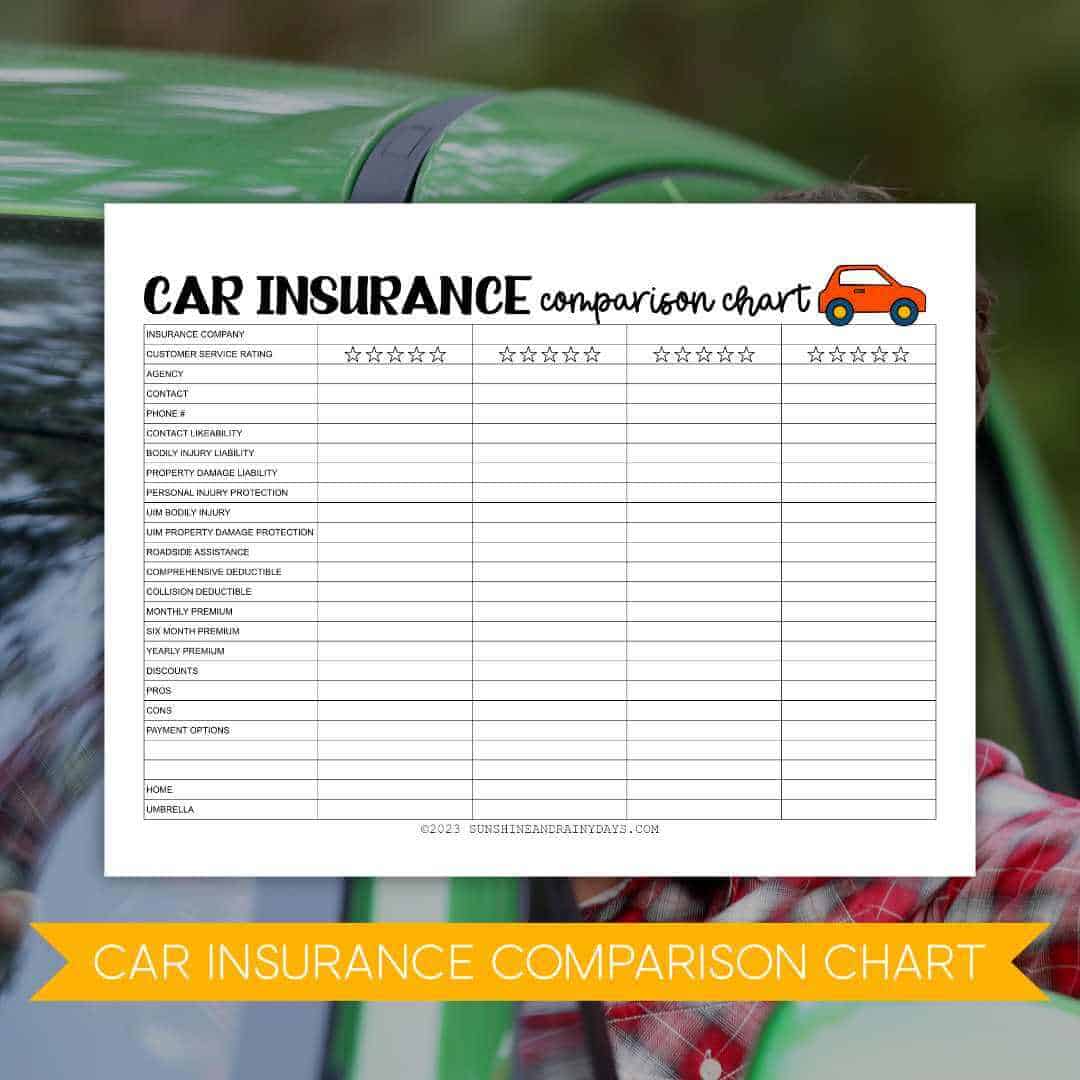
Ensure that every quote you compare utilizes the exact same coverage limits. Comparing a quote with state-minimum liability limits against one with comprehensive and collision coverage, plus high liability limits, is entirely meaningless. Look closely at bodily injury liability, property damage liability, uninsured/underinsured motorist coverage, and your chosen deductibles for comprehensive and collision claims.
Insurer Financial Strength
A low-cost policy from an unstable company can spell disaster if the insurer struggles to pay out claims promptly following a major regional disaster or accident. Check independent rating agencies like A.M. Best, Moody's, or Standard & Poor's to verify the financial health rating of any unfamiliar carrier you encounter on comparison sites.
Customer Service and Claim Satisfaction
Price is important, but customer service quality dictates your experience when you actually need to use your policy. Look at third-party studies, such as J.D. Power auto insurance customer satisfaction surveys, alongside user reviews on platforms like Bankrate and NerdWallet to gauge how efficiently a carrier handles claims processing.
Common Mistakes to Avoid When Shopping for Car Insurance
Navigating online insurance marketplaces can occasionally lead to missteps that compromise your coverage or cost you money. Avoid these frequent pitfalls during your search:
- Failing to Disclose Accurate Information: Omitting accidents, speeding tickets, or regular drivers in your household may result in an initially low quote that spikes dramatically once the insurance company runs your official motor vehicle report.
- Focusing Exclusively on the Monthly Premium: Choosing the lowest price often means accepting high deductibles or omitting crucial coverages like personal injury protection (PIP) or comprehensive protection.
- Ignoring Available Discounts: Many comparison tools miss niche discounts unless you explicitly check the boxes or answer qualifying questions. Always inquire about safety feature discounts, good student discounts, paperless billing, and low-mileage programs.
- Leaving Gaps in Coverage: If you switch insurers, ensure your new policy starts the exact minute your old policy expires. Even a single day of uncovered status can lead to legal penalties, lender violations, and elevated future premium rates.
Frequently Asked Questions
Is it free to use car insurance comparison websites?
Yes, reputable car insurance comparison platforms are entirely free for consumers to use. These platforms make money by receiving a commission or referral fee directly from the insurance carrier when you purchase a policy through their service, meaning the price you pay is typically identical to what you would pay by going direct.
Will comparing quotes hurt my credit score?
Most initial online comparison tools perform a "soft credit pull" to estimate your rates. Soft credit checks do not impact your credit score. However, once you select a policy and proceed to official underwriting, the insurance carrier may perform a "hard credit inquiry" depending on state regulations and company policy, which can cause a minor, temporary dip in your credit score.
Why are my actual quotes different from the online estimates?
Online comparison tools rely on the self-reported data you enter during the initial questionnaire. Final quotes may differ once the insurer runs official Motor Vehicle Reports (MVR), comprehensive loss underwriting exchange (CLUE) reports, and formal credit checks, which verify your driving history and past claims activity.
How often should I compare car insurance rates?
It is generally recommended to compare car insurance rates at least once a year or whenever you experience a major life event, such as moving to a new zip code, buying a new vehicle, adding a teen driver to your policy, or getting married. Insurance markets shift frequently, and loyalty does not always translate to the best rates.
Can I buy the policy directly on a comparison site?
Many modern comparison marketplaces, such as The Zebra, Insurify, and Jerry, allow you to complete the purchase and bind your policy directly through their platform or app. Others may direct you to the official checkout portal of the chosen insurance carrier to finalize the transaction securely.
Conclusion and Next Actions
Comparing car insurance rates is one of the most effective ways to lower your household expenses without sacrificing financial security. By leveraging platforms like The Zebra, Insurify, Bankrate, NerdWallet, or Jerry, you can bypass the tedious process of visiting dozens of individual sites. To maximize your savings, gather your current policy declarations page, verify your driving history, and input consistent coverage limits across multiple platforms. Evaluate quotes not just on price, but on carrier financial strength and customer satisfaction, and aim to review your rates annually to ensure you maintain optimal value.