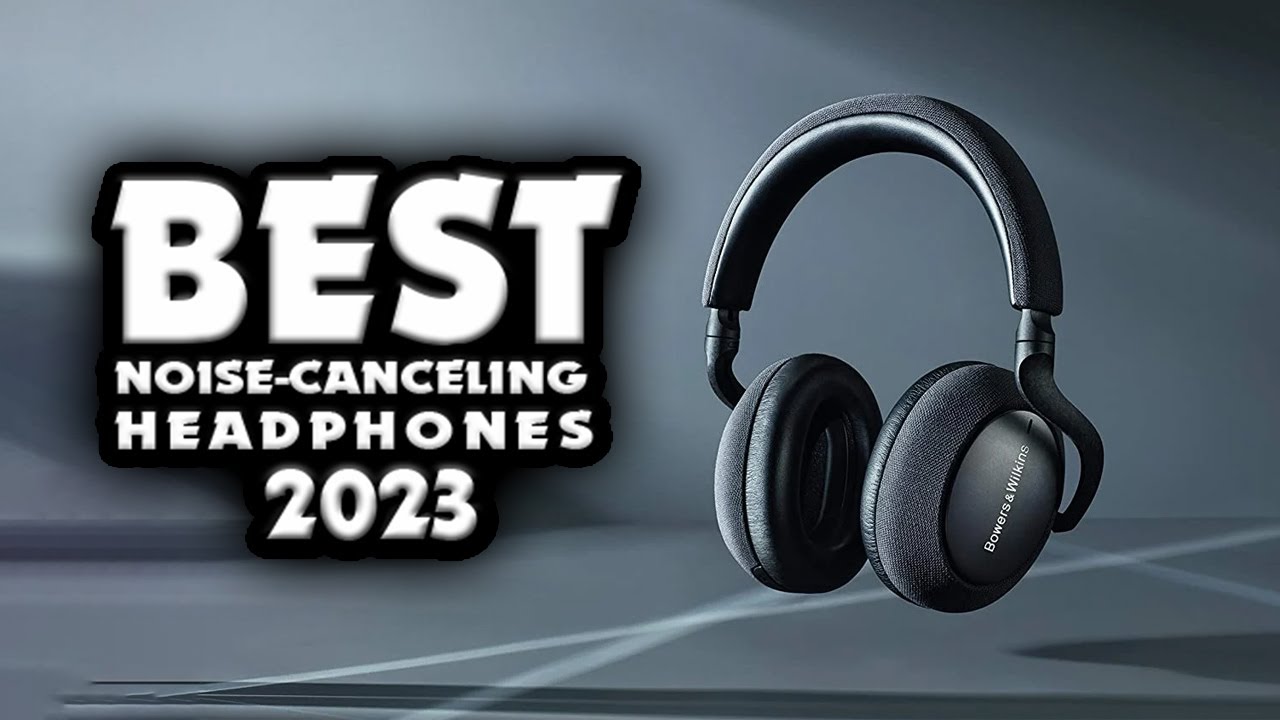
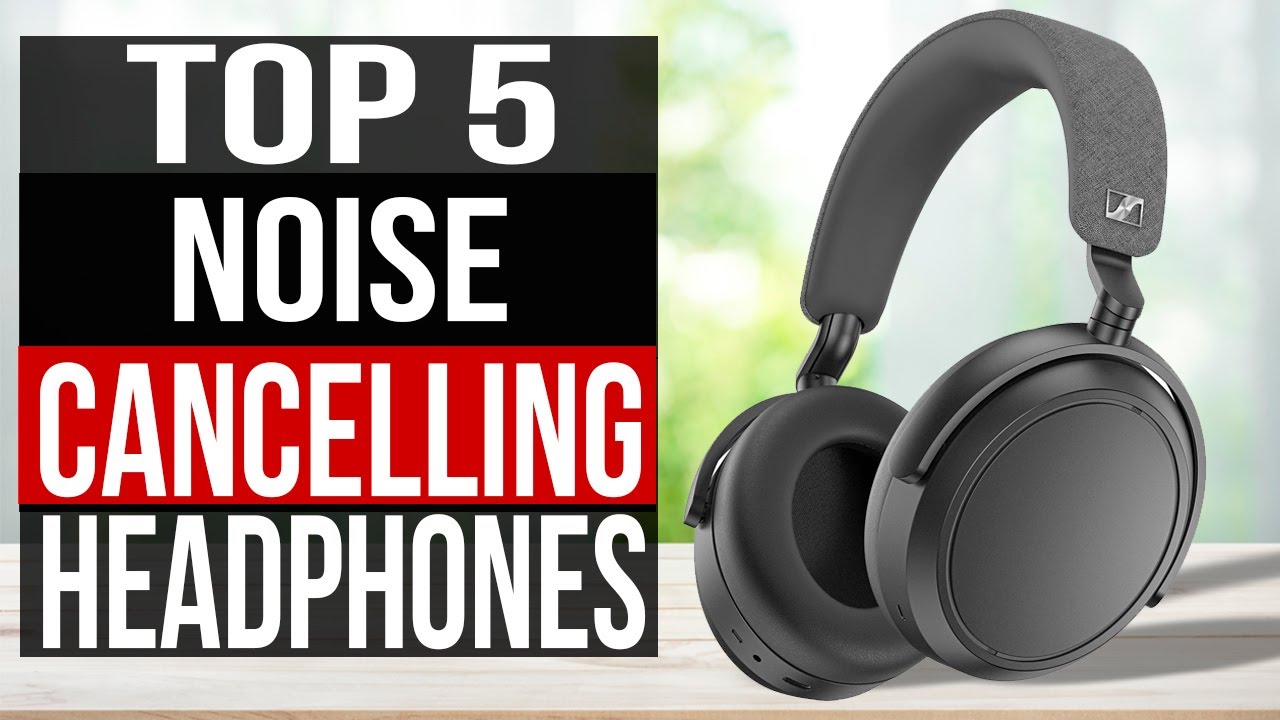
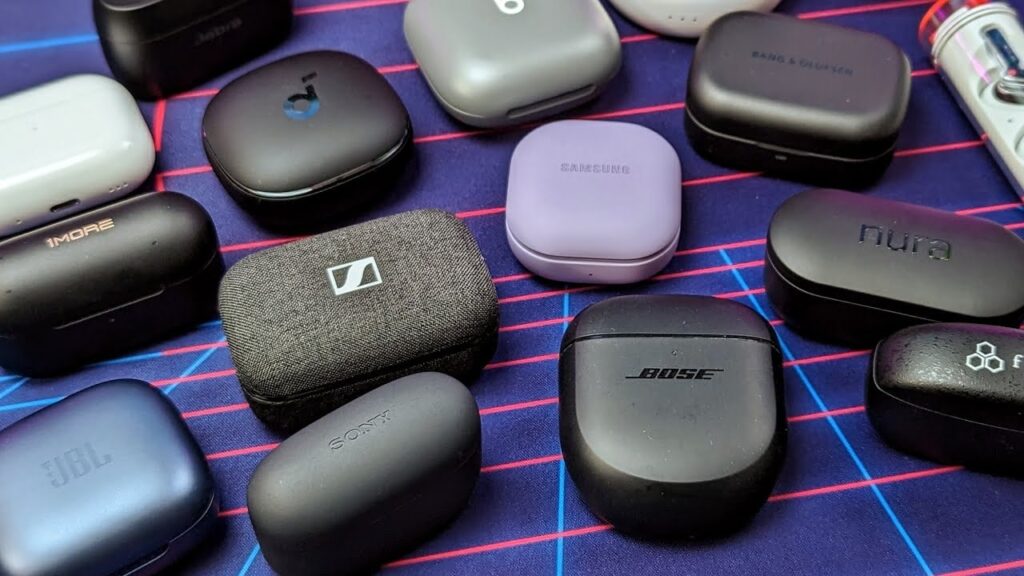
Finding the right noise-blocking headphones requires balancing active cancellation performance, passive isolation, acoustic accuracy, and wearing comfort. High-performance models utilize sophisticated microphone arrays and advanced digital signal processing to eliminate low-frequency environmental rumble, while ergonomic ear cushions create a tight acoustic seal against high-frequency chatter.
Selecting the appropriate audio gear depends heavily on your daily environment, preferred listening habits, and ergonomic requirements. Whether you commute through loud urban transit, work in an open-plan office, or require absolute silence for deep focus, understanding the nuances of modern noise-blocking technology ensures you invest in hardware that delivers tangible acoustic isolation.
Understanding Noise-Blocking Technology: Active vs. Passive Isolation
To appreciate what makes a pair of headphones effective at blocking unwanted sound, it is essential to distinguish between the two primary methods of noise reduction: Active Noise Cancellation (ANC) and passive noise isolation. Both mechanisms work in tandem, but they target entirely different frequency ranges and rely on fundamentally different physical principles.
Passive Noise Isolation
Passive isolation is entirely mechanical. It relies on the physical properties of the headphone design—such as over-ear (circumaural) or on-ear (supra-aural) earcups, clamping force, headband design, and dense acoustic foam ear cushions—to physically block sound waves from entering the ear canal.
- High-frequency sounds, such as human voices, clicking keyboards, and sharp clatter, are best managed by passive isolation because high-frequency sound waves have short wavelengths that are easily obstructed by solid physical barriers.
- Materials matter significantly here; memory foam infused with cooling gel or wrapped in protein leather provides a better seal than standard foam, directly improving high-frequency attenuation.
Active Noise Cancellation (ANC)
Active Noise Cancellation relies on electronics. Tiny microphones mounted on the exterior (feed-forward) and interior (feedback) of the earcups sample ambient environmental noise in real time. A dedicated digital signal processor (DSP) inverts the phase of the captured sound wave by 180 degrees, creating an "anti-phase" wave that is played alongside your audio.
- Low-frequency, continuous sounds—such as airplane cabin drone, train rumble, and HVAC hums—have long wavelengths that easily bend around physical barriers. ANC excels at neutralizing these predictable, low-frequency pressure waves.
- Advanced hybrid ANC systems utilize multiple microphones per side to analyze noise from broader angles, adapting dynamically to fluctuating environments.
Key Criteria for Evaluating Noise-Blocking Headphones
When reviewing and comparing noise-blocking headphones, audio engineers and consumer advocates look at several objective benchmarks. Relying purely on manufacturer claims can be misleading, so practical evaluation requires examining specific performance vectors.
1. Acoustic Performance and Sound Quality
Isolation should never come at the expense of audio fidelity. Poorly implemented ANC can introduce an audible hiss (white noise floor) or muddy the mid-range frequencies by aggressively compressing the soundstage. The best models maintain balanced frequency response curves, ensuring crisp highs, articulate mids, and controlled, distortion-free bass regardless of whether ANC is toggled on or off.
2. Ergonomics, Clamp Force, and Weight
Because noise-blocking headphones are frequently worn for hours at a time during long-haul flights or intensive work sessions, physical comfort is paramount.
- Over-ear models should distribute weight evenly across the crown via padded headbands.
- Clamping force must be firm enough to maintain a tight acoustic seal for passive isolation, yet gentle enough to prevent pressure points on the jaw or temples.
- Weight distribution plays a major role; models exceeding 250 grams can cause neck fatigue during extended wear if poorly balanced.
3. Battery Life and Power Management
Active noise cancellation requires continuous electrical power to drive the microphones and the DSP chips. Battery endurance ranges drastically across models:
- Standard operating windows range from 30 to 60 hours with ANC enabled.
- Fast-charging capabilities (e.g., providing 3 to 5 hours of playback from a 10-minute charge via USB-C) are standard expectations for modern portable electronics.
- Auto-pause and smart wear detection features preserve battery by sleeping when the headphones are removed.
4. Transparency Modes and Connectivity
Complete isolation can be dangerous in urban environments or workplace settings. Transparency modes (or ambient sound modes) use the exterior microphones to feed outside sounds directly into the drivers, allowing users to converse or hear traffic without removing their headphones. Additionally, multi-point Bluetooth connectivity allows seamless switching between a laptop and a smartphone, enhancing daily productivity.
Detailed Reviews: The 5 Best Noise-Blocking Headphones
The following selections represent the market standards for noise isolation, acoustic fidelity, and build quality. Each model excels in distinct categories, catering to varying user priorities.
1. Sony WH-1000XM5: The Industry Standard for Adaptive ANC
| Feature | Specification / Performance |
|---|---|
| ANC Type | Advanced Multi-Processor Hybrid ANC |
| Battery Life | Up to 30 hours (ANC enabled) |
| Weight | 250 grams |
| Connectivity | Bluetooth 5.2, Multipoint, SBC, AAC, LDAC |
The Sony WH-1000XM5 represents the pinnacle of consumer noise cancellation, building upon the legacy of its predecessor (the XM4) by refining both its digital processing and physical design. Powered by the Integrated Processor V1 and an HD Noise Cancelling ProcessorQN1, the WH-1000XM5 utilizes eight microphones to dramatically reduce mid-to-high frequency sounds alongside industry-leading low-frequency attenuation.
Performance and Isolation
The automatic NC optimizer adjusts isolation performance dynamically based on atmospheric pressure (ideal for air travel) and personal wearing styles. While the passive seal relies on softer synthetic leather cushions that fold less compactly than the XM4, the active cancellation is exceptionally consistent. Sudden sharp noises are clamped down quickly without noticeable audio artifacts.
Sound and Usability
Out of the box, the WH-1000XM5 delivers a slightly bass-forward, engaging sound signature that can be fully customized via the Sony Headphones Connect companion app. Call quality is exceptionally clear, aided by precise beamforming microphones and AI-based noise reduction algorithms that isolate your voice from background wind and chatter.
2. Bose QuietComfort Ultra Headphones: Unmatched Comfort and Quiet
| Feature | Specification / Performance |
|---|---|
| ANC Type | Custom CustomAudioCustomTune Active Isolation |
| Battery Life | Up to 24 hours (22 hours with Immersive Audio) |
| Weight | 253 grams |
| Connectivity | Bluetooth 5.3, Multipoint, SBC, AAC, aptX Adaptive |
Bose has long been synonymous with quiet, and the QuietComfort Ultra headphones cement that reputation. Designed with plush ear cushions and a balanced headband that distributes weight evenly across the head, these headphones prioritize wearability for continuous, all-day use.
Performance and Isolation
The QuietComfort Ultra introduces CustomTune technology, which analyzes the acoustic properties of your ear canal every time you power them on, tailoring the noise cancellation and sound profile to your unique anatomy. The ANC performance is remarkably isolating, creating a deep vacuum-like silence that excels in office environments and commercial airplanes. The "Aware Mode" with ActiveSense technology smoothly steps in to soften loud transient noises (like passing sirens or construction thuds) while keeping ambient sound natural.
Sound and Usability
In addition to world-class isolation, the QC Ultra features Bose Immersive Audio, a spatial processing mode that anchors sound to a fixed point in front of you, creating a speaker-like listening experience for stereo tracks. Physical buttons are retained alongside touch controls, offering reliable tactile feedback in cold weather or while wearing gloves.
3. Apple AirPods Max: Premium Materials and Spatial Integration
| Feature | Specification / Performance |
|---|---|
| ANC Type | Dual Apple H1 Chip Powered Hybrid ANC |
| Battery Life | Up to 20 hours (ANC and Spatial Audio enabled) |
| Weight | 384.8 grams |
| Connectivity | Apple H1 Chip, Bluetooth 5.0, Multipoint (Apple Ecosystem) |
The Apple AirPods Max cater directly to users deeply integrated within the Apple ecosystem, offering luxury build quality characterized by an anodized aluminum ear cup construction, a breathable mesh canopy headband, and stainless steel telescoping arms.
Performance and Isolation
Driven by dual Apple H1 chips (one in each earcup), the AirPods Max perform 9 billion operations per second to execute real-time noise cancellation. The acoustic seal created by the magnetic memory foam ear cushions provides outstanding passive isolation. Active cancellation suppresses ambient hums and office chatter with minimal white noise floor hiss. Transparency mode sounds strikingly natural, making it easy to forget you are wearing over-ear headphones.
Sound and Usability
The custom dynamic drivers deliver high-fidelity audio with ultra-low distortion across the audible frequency range. Adaptive EQ adjusts music playback in real time based on the fit and seal of the ear cushions. Spatial audio with dynamic head tracking provides an immersive theater-like experience for supported movies and music. The primary drawback is the substantial weight (nearly 385 grams) and the minimalist smart case, which does not provide a complete physical closure.
4. Sennheiser Momentum 4 Wireless: Audiophile Sound with Robust Isolation
| Feature | Specification / Performance |
|---|---|
| ANC Type | Hybrid Adaptive Noise Cancellation |
| Battery Life | Up to 60 hours (ANC enabled) |
| Weight | 293 grams |
| Connectivity | Bluetooth 5.2, Multipoint, SBC, AAC, aptX, aptX Adaptive |
For listeners who refuse to compromise on sound fidelity for the sake of noise cancellation, the Sennheiser Momentum 4 Wireless offers a compelling middle ground. It combines exceptional acoustic tuning with highly capable adaptive noise-blocking technology.
Performance and Isolation
The Momentum 4 utilizes a hybrid adaptive system that automatically adjusts to your environment. While its maximum absolute isolation falls slightly short of the specialized Bose QuietComfort Ultra in extreme environments, it easily handles standard office noise, train travel, and urban commuting. The passive seal is enhanced by deeply padded, soft leatherette ear pads that clamp securely without causing discomfort.
Sound and Usability
Acoustically, the Momentum 4 shines with 42mm transducers that deliver rich, detailed, and dynamic sound reproduction with wide soundstage clarity. High-resolution codec support (aptX Adaptive) ensures maximum bitrate transmission from compatible mobile devices. Furthermore, its class-leading 60-hour battery life makes it the ideal travel companion for users who want to avoid frequent recharging.
5. Anker Soundcore Space One: Exceptional Value and Balanced Performance
| Feature | Specification / Performance |
|---|---|
| ANC Type | Targeted Active Noise Cancellation |
| Battery Life | Up to 40 hours (ANC enabled) / 55 hours (ANC off) |
| Weight | 265 grams |
| Connectivity | Bluetooth 5.3, Multipoint, SBC, AAC, LDAC |
High-end noise-blocking headphones often command steep prices, but the Anker Soundcore Space One proves that advanced isolation features can be accessible at a fraction of the cost. It bridges the performance gap between budget audio gear and premium flagships.
Performance and Isolation
The Space One features upgraded noise-cancelling structure designed to target and block out voices and intermediate frequencies specifically, rather than just low-end rumbles. While wind noise handling and ultra-low frequency attenuation are less refined than the Sony WH-1000XM5, the adaptive ANC successfully reduces commuter hubbub and coffee shop noise.
Sound and Usability
Equipped with 40mm customized dynamic drivers supporting LDAC codec transmission for Hi-Res Wireless Audio, the Space One delivers punchy bass and clear vocals. The Soundcore companion app offers extensive EQ customization, hearID testing for personalized sound profiles, and adjustable transparency levels. Comfortable ergonomics and a lightweight folding frame complete a package that delivers remarkable value for budget-conscious buyers.
Comprehensive Comparison Table
To assist in evaluating these options side-by-side, the following table summarizes key specifications, battery life, weight, and primary isolation traits.
| Model Name | ANC Performance | Battery Life (ANC On) | Weight | Codec Support | Primary Strength |
|---|---|---|---|---|---|
| Sony WH-1000XM5 | Industry-Leading | 30 Hours | 250g | SBC, AAC, LDAC | Adaptive intelligence & call clarity |
| Bose QC Ultra | Exceptional | 24 Hours | 253g | SBC, AAC, aptX Adaptive | Supreme comfort & vacuum silence |
| Apple AirPods Max | Excellent | 20 Hours | 385g | SBC, AAC | Apple ecosystem & spatial audio |
| Sennheiser Momentum 4 | Very Good | 60 Hours | 293g | SBC, AAC, aptX, aptX Adaptive | Audiophile sound & battery life |
| Anker Soundcore Space One | Good | 40 Hours | 265g | SBC, AAC, LDAC | Exceptional price-to-performance |
Common Mistakes When Using Noise-Blocking Headphones
Even the highest-rated noise-blocking headphones can underperform if used incorrectly. Avoiding common pitfalls ensures you receive the maximum acoustic benefit from your hardware.
- Neglecting the Physical Seal: ANC cannot compensate for a broken passive seal. Wearing thick glasses frames, earrings, or having long hair trapped between your ear and the ear cushion creates micro-gaps that let high-frequency sound leak directly into the ear.
- Ignoring Ear Cushion Maintenance: Over time, skin oils, sweat, and environmental dust degrade protein leather and foam density. Replacing worn ear pads every 12 to 18 months restores the crucial passive acoustic seal necessary for effective isolation.
- Over-Reliance on ANC in High-Wind Environments: Standard feed-forward microphones pick up wind turbulence, creating an annoying buffering sound. Switching to a manual lower ANC setting or activating wind-reduction modes in companion apps mitigates this artifact.
- Failing to Update Firmware: Manufacturers frequently push algorithmic updates that refine noise-cancellation responsiveness, fix Bluetooth dropouts, and optimize power management. Periodically checking the companion app ensures optimal performance.
Frequently Asked Questions
Do noise-blocking headphones protect hearing health?
Yes, by significantly lowering ambient background noise (such as airplane cabin rumble or subway screech), noise-blocking headphones allow you to listen to music, podcasts, or audiobooks at safe, lower volume levels. Without ANC, users often dangerously crank up their volume to overpower external noise. However, ANC does not protect against sudden, extremely loud impulse noises like gunshots or industrial explosions.
Can I use noise-blocking headphones without playing music?
Absolutely. All modern ANC headphones allow you to turn on the power and engage noise cancellation without connecting to a Bluetooth device or playing audio. This makes them exceptional tools for studying in quiet libraries, sleeping on noisy flights, or meditating in shared living spaces.
Does active noise cancellation cause ear pressure or discomfort?
Some users experience a mild sensation similar to altitude cabin pressure when wearing headphones with aggressive ANC. This is caused by the anti-phase sound waves neutralizing low-frequency pressure. Most people adapt to this sensation within a few days of use, but adjustable ANC sliders (found in apps from Sony, Bose, and Sennheiser) allow users to dial back the cancellation intensity if discomfort persists.
Are wired headphones better at blocking noise than wireless models?
Wired over-ear headphones rely entirely on passive isolation unless they feature specialized active battery compartments. While passive-only closed-back studio monitors provide excellent high-frequency isolation, wireless ANC headphones combine both passive isolation and active electronics, making them vastly superior for eliminating low-frequency environmental noise in transit.
How do I clean and maintain my noise-blocking headphones?
Wipe down the ear cushions and headband regularly using a microfiber cloth slightly dampened with water or a mild, alcohol-free lens cleaner. Avoid harsh chemical solvents or submerging the earcups in water, as moisture can damage the sensitive internal microphones used for active noise cancellation.
Conclusion and Final Recommendation
Choosing the right noise-blocking headphones ultimately hinges on identifying your specific priorities. If your primary goal is absolute, vacuum-like silence paired with unmatched all-day ergonomics, the Bose QuietComfort Ultra remains the benchmark choice. If you value adaptive intelligence, superior microphone clarity, and versatile companion software, the Sony WH-1000XM5 stands unmatched. Audiophiles who prioritize uncompromised sound reproduction and marathon battery life will find their ideal match in the Sennheiser Momentum 4 Wireless, while budget-conscious buyers can secure robust performance without breaking the bank via the Anker Soundcore Space One. Assess your daily listening environment, check your device ecosystem, and select the model that provides the ideal balance of isolation and comfort.