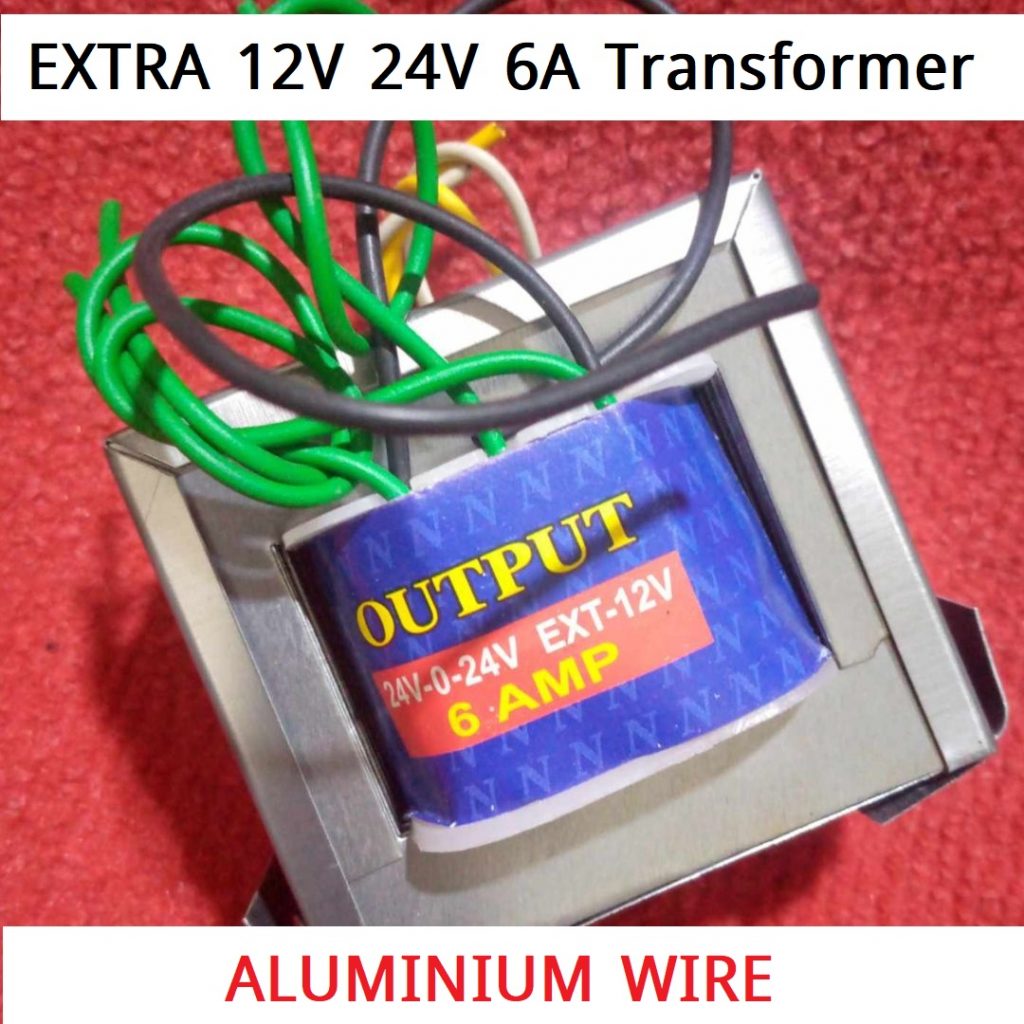
A 24V transformer is an electrical device designed to step down standard line-voltage electricity—typically 120V AC in North American residential settings—to a safer, low-voltage 24V AC output. These components serve as the critical power foundation for modern HVAC control systems, smart home doorbells, and various industrial automation circuits, ensuring that delicate control electronics operate within safe, manageable power parameters.
The Role of 24V Transformers in Modern Infrastructure
At its core, a 24V transformer functions on the principle of electromagnetic induction. When the higher voltage (primary side) flows through the input coil, it creates a magnetic field that induces a lower voltage (secondary side) in the output coil. In the context of building systems, this transformation is essential because it isolates the control logic of heating and cooling systems from the dangerous, high-amperage power used by compressors and blowers.
By utilizing 24V as the "control voltage," manufacturers have standardized how thermostats communicate with furnaces and air handlers. If you are replacing a smart doorbell or upgrading an HVAC thermostat, the transformer is likely the first piece of equipment you will encounter. It effectively bridges the gap between the power utility grid and the sensitive low-voltage components that make climate control and modern building automation possible.
Key Technical Specifications
To select or troubleshoot a 24V transformer, one must look beyond the output voltage. Understanding the interplay between these specifications is vital for preventing premature equipment failure or fire hazards.
Volt-Amperes (VA) Rating
The VA rating is the most misunderstood metric by DIY installers. It represents the "power capacity" of the transformer—specifically, how many total watts of load the device can handle safely. For example, a 40VA transformer can support a load of 40 watts (Volts × Amps = VA). If your total system draw (thermostat, doorbell, zone valves) exceeds this rating, the transformer will overheat, potentially causing internal thermal fuse failure or damage to the connected control boards.
Primary and Secondary Voltage
Most residential transformers are labeled for 120V input (primary) and 24V output (secondary). However, in older homes or specific industrial applications, you may encounter multi-tap transformers that accept 208V or 240V inputs. Always verify the input voltage with a multimeter before installation to avoid destroying the primary windings.
Mounting Styles
Transformers are designed with specific mounting configurations to suit their environment:
- Foot-Mount: Features a flat bracket with holes for direct mounting to a junction box or equipment chassis.
- Plate-Mount: Designed to snap into the side of a standard 4-inch square electrical junction box.
- Clamp-Mount: Uses a threaded hub to mount directly through a knockout hole in an electrical box.
Comparative Analysis of Common Transformer Types
| Feature | Standard HVAC Transformer | Smart Doorbell Transformer | Industrial Control Transformer |
|---|---|---|---|
| Typical VA | 40VA - 75VA | 10VA - 30VA | 100VA - 500VA+ |
| Duty Cycle | Continuous | Intermittent/Continuous | Continuous |
| Protection | Internal Thermal Fuse | Integrated Breaker/Fuse | External Circuit Protection |
| Environment | Enclosed/Internal | Weather-Resistant/Remote | Electrical Cabinet |
Installation and Safety Considerations
Installing or replacing a 24V transformer requires strict adherence to electrical safety protocols. Because you are working with both line voltage (120V) and low voltage (24V), the risk of electrical shock is real if the power is not properly managed.
- Power Disconnection: Never attempt to handle a transformer without first confirming the circuit is de-energized at the main service panel. Use a non-contact voltage tester to verify the absence of current.
- Overcurrent Protection: Always install an appropriate fuse or breaker on the secondary side if one is not built into the transformer. This protects the low-voltage wiring and the connected device from shorts.
- Heat Dissipation: Transformers generate heat during operation. Ensure the mounting location allows for adequate airflow. Do not wrap the device in insulation or install it in a completely airtight, unventilated box.
- Polarity and Grounding: While 24V AC systems do not have traditional "positive" and "negative" polarity like DC, they do have a "hot" side and a "common" side. Maintaining consistency with the common (C-wire) is essential for the functionality of modern Wi-Fi thermostats.
Troubleshooting Common Transformer Issues
If your control system is unresponsive, the transformer is often the first place to check. Symptoms of a failing transformer include flickering indicator lights on a thermostat, "chattering" contactors (the rapid clicking sound of a relay failing to engage), or a total loss of power to the secondary side.
- Step 1: Check Line Voltage: Use a multimeter set to AC voltage to test the primary leads. If you have 0V, the issue is likely a tripped breaker or a blown line-side fuse, not the transformer itself.
- Step 2: Test Secondary Output: If the primary side has 120V but the secondary reads 0V, the transformer’s internal thermal fuse has likely opened. This is usually triggered by a short circuit in the wiring or an excessive electrical load.
- Step 3: Inspect for "Humming": A loud, audible buzzing from the transformer is often a sign of loose laminations within the iron core or the device being pushed beyond its VA capacity. While not an immediate failure, it is an indicator that replacement should be scheduled.
The Impact of Smart Home Demands
As of 2026, the rise of "always-on" smart home devices—such as video doorbells and smart thermostats with color touchscreens—has significantly increased the power requirements for low-voltage circuits. Many legacy systems installed decades ago used 10VA or 20VA transformers, which are insufficient for modern requirements. When upgrading your home technology, verify the VA rating on your existing transformer. It is common practice to upgrade from a 20VA unit to a 40VA or 50VA unit to accommodate the higher draw of modern hardware.
Frequently Asked Questions (FAQ)
Can I connect two 24V transformers in parallel to increase power? No. Connecting two transformers in parallel without precision synchronization is dangerous and will likely cause one or both devices to burn out, as even minor voltage differences between the two outputs will force current to flow between them, creating a massive short circuit.
What does it mean if my transformer is "Class 2"? A Class 2 transformer is designed to be inherently limited in its energy output. This classification means that, under normal or fault conditions, the transformer will not exceed a specific voltage and current threshold, reducing the risk of fire and shock, and often allowing for less stringent wiring installation requirements under the National Electrical Code.
Why does my doorbell camera reboot when the chime rings? This is a classic sign of an underpowered transformer. When the doorbell chime activates, it creates a temporary power surge. If the transformer cannot handle the combined load of the smart camera and the physical chime solenoid, the voltage will drop, causing the camera to lose power. You likely need a transformer with a higher VA rating.
Does a 24V transformer consume electricity when nothing is connected? Yes, but in negligible amounts. Transformers have a small amount of "quiescent" power loss due to magnetic hysteresis and eddy currents within the iron core. This is why a transformer will feel slightly warm even if the thermostat or device it powers is idle.
How do I determine the VA rating if the label has worn off? If the label is illegible, you can often determine the rating by the physical size (weight is a strong indicator of the iron core mass) or by finding the model number and cross-referencing it with the manufacturer’s documentation. If in doubt, replacing it with a known 40VA unit is the safest, standard approach for residential systems.
Final Guidance for Installation
When preparing to work with a 24V transformer, prioritize safety and documentation. Always label the wires before removal to ensure the new unit is wired exactly as the old one. If you are installing a high-draw device like a video doorbell, ensure the wiring gauge from the transformer to the device is sufficient; over long distances, thin-gauge wires can result in a voltage drop that compromises performance regardless of the transformer's quality. If you are unsure about the electrical load of your devices, consult a licensed electrician or refer to the technical specifications provided by the device manufacturers.