Direct-to-consumer genetic testing kits like 23andMe serve as a double-edged tool for student health, offering accessible insights into genetic predispositions, ancestry, and wellness traits while simultaneously carrying risks of misinterpretation, data privacy concerns, and psychological distress for young adults navigating university life.
As direct-to-consumer (DTC) genetic testing has matured, it has transitioned from a niche novelty into a mainstream consumer product. For university and college students—a demographic defined by high autonomy, acute stress, and a growing interest in proactive wellness—kits like 23andMe represent an appealing shortcut to self-discovery. However, utilizing genetic data during these formative academic years introduces a complex matrix of psychological, ethical, and clinical challenges. Understanding how to interpret these results within a scientific framework is essential for students who wish to leverage genetic insights without falling prey to deterministic thinking or unnecessary health anxiety.
The Appeal of Direct-to-Consumer Genetics for College Students
College students frequently experience a pivotal developmental window characterized by the transition into independent healthcare decision-making. During this phase, many young adults seek out personalized health information to optimize their diets, fitness routines, and mental health management. 23andMe packages complex genomic data into colorful, user-friendly dashboards that promise personalized insights into carrier status, genetic health risks, and wellness traits such as metabolism and sleep patterns.
This accessibility makes genetic testing particularly attractive to tech-savvy students. Unlike traditional clinical genetics, which typically requires a physician's referral, a specialized consultation, and explicit diagnostic suspicion, DTC kits require only a saliva sample and an online account. For students studying biology, psychology, or public health, examining their own raw genetic data can also serve as an engaging, hands-on extension of classroom learning. However, the commercial nature of these platforms means that scientific communication is often tailored for consumer engagement rather than rigorous clinical application, setting the stage for potential misunderstandings.
Health Risks and Wellness Traits: What the Reports Actually Show
The 23andMe service is broadly divided into two main categories: Health + Ancestry service and Ancestry + Traits service. Within the health portion, reports are further subdivided into genetic health risks (such as late-onset Alzheimer's disease or Parkinson's disease) and carrier status reports (detailing conditions like cystic fibrosis or sickle cell anemia that individuals could pass on to future children).
It is vital for students to understand that 23andMe reports do not provide a definitive diagnosis. Instead, they offer probabilistic assessments based on a targeted subset of single nucleotide polymorphisms (SNPs).
- Genetic Health Risks: These reports estimate the risk of developing certain conditions based on specific genetic markers. For most conditions, genetics are only one piece of a larger puzzle that includes lifestyle, environment, and family history.
- Carrier Status: These tests are designed to identify whether an individual carries a variant for a recessive condition. For college students exploring family planning from a long-term perspective, this information can be clinically useful, though confirmatory testing through a genetic counselor is standard medical practice before making reproductive decisions.
- Wellness and Traits: These reports cover non-medical characteristics, such as caffeine consumption tendencies, muscle composition, and deep sleep movement. While generally harmless, these traits often exhibit low predictive value at the individual level.
| Report Category | Description | Clinical Utility for Students | Potential Pitfall |
|---|---|---|---|
| Carrier Status | Identifies recessive gene variants for hereditary conditions. | High for long-term family planning and reproductive health awareness. | Misinterpreting carrier status as an active personal health diagnosis. |
| Genetic Health Risks | Estimates predisposition to specific complex diseases. | Low to moderate; serves as an entry point for lifestyle discussions. | Causing unwarranted anxiety regarding late-onset conditions without clinical context. |
| Wellness & Traits | Explores how DNA influences physical traits and metabolism. | Moderate for general curiosity regarding diet, fitness, and sleep. | Over-relying on generalized genetic tips rather than evidence-based habits. |
The Psychological Burden and Anxiety in Academic Settings
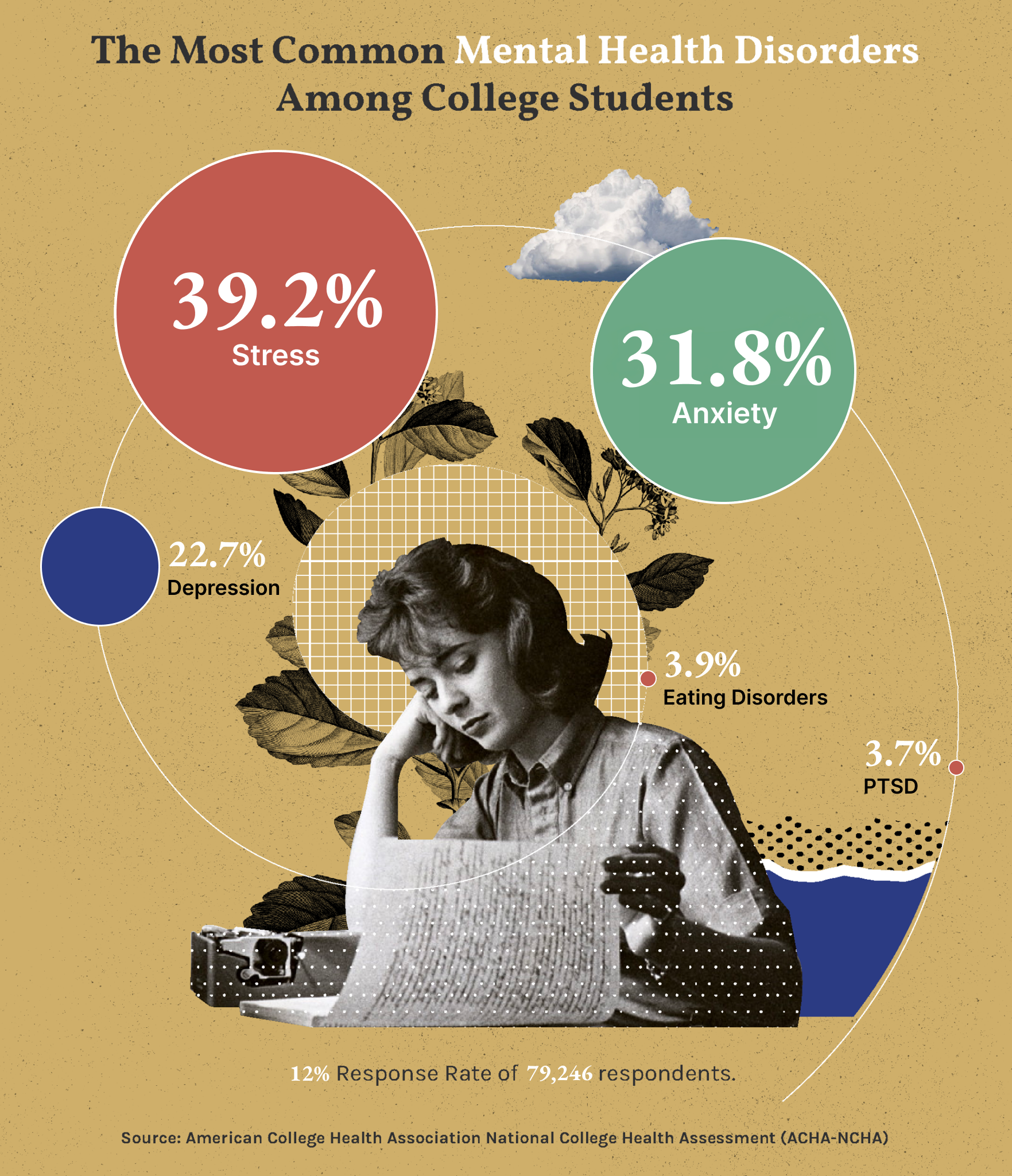
The psychological impact of receiving unexpected or difficult genetic information is one of the primary reasons 23andMe functions as a double-edged sword for student health. University life is already associated with high rates of anxiety, depression, and adjustment disorders. Introducing probabilistic risk data for chronic or neurodegenerative diseases into this environment can exacerbate psychological distress.
For example, discovering a genetic variant associated with an increased risk of a condition like late-onset Alzheimer's disease can be deeply unsettling for a young adult who lacks the psychological maturity or clinical guidance to contextualize lifetime risk probabilities. Unlike older adults, who may process such information with established coping mechanisms and broader life experience, college students may struggle to separate statistical predisposition from immediate destiny. Furthermore, campus student health centers are rarely equipped to provide specialized genetic counseling, leaving students to navigate complex existential questions in isolation.
Data Privacy, Security, and Institutional Considerations
Beyond personal health and psychological implications, utilizing commercial genetic testing services involves sharing highly sensitive biological data with private corporations. When students register a 23andMe kit, they agree to terms of service that govern how their genetic data is stored, anonymized, and utilized for internal or third-party research partnerships.
While 23andMe implements robust data encryption and strips explicit identifiers before sharing data with researchers, the evolving landscape of digital privacy warrants caution. Students should consider the following data governance factors:
- Research Consent: Users can opt in or out of participating in academic and pharmaceutical research. While contributing to scientific discovery is a noble pursuit, consumers should consciously evaluate whether they wish for their genomic data to be utilized in commercial drug development.
- Law Enforcement Access: 23andMe has historically maintained strict transparency reports regarding law enforcement requests, requiring a valid warrant or subpoena to disclose user information. However, policies and legal frameworks around genetic privacy are subject to legislative changes.
- Insurance Implications: In the United States, the Genetic Information Nondiscrimination Act (GINA) protects individuals from genetic discrimination by health insurers and employers. However, GINA does not cover long-term care, disability, or life insurance policies, meaning that extensive genetic disclosures could theoretically impact future financial planning.
The Limitations of Direct-to-Consumer Genomic Science
It is a common misconception that genetic testing sequences an individual's entire genome. In reality, microarray-based DTC tests analyze a specific subset of genetic variants known to be associated with certain traits or conditions. This targeted approach creates significant limitations, particularly across diverse ancestral populations.
Most genetic research historically focused on populations of European descent. Consequently, 23andMe’s predictive models and risk algorithms are often less accurate for students of non-European ancestry. A variant that confers high risk in one demographic may have a completely different clinical significance in another. Students must recognize that a negative result on a DTC panel does not mean they are entirely free from a genetic predisposition; it simply means that the specific variants tested were not detected. This distinction is frequently lost in translation when consumers view raw data files or third-party interpretation tools.
Practical Guidance for Students Considering Genetic Testing
For students determined to utilize 23andMe or similar services, approaching the process with scientific literacy and caution can mitigate potential harms.
- Consult Student Health Services: Before purchasing a kit, discuss your motivations with a primary care provider or a campus health clinician. They can help determine whether testing aligns with your personal medical history.
- Review Privacy Policies Carefully: Read the company's data retention and research consent agreements before submitting your saliva sample. Opt out of research programs if you are uncomfortable with commercial data sharing.
- Avoid Making Radical Lifestyle Changes: Do not alter your diet, exercise regimen, or medication schedule based solely on genetic wellness reports. Always cross-reference findings with established public health guidelines and professional medical advice.
- Seek Professional Interpretation for Medical Findings: If a report indicates a significant health risk or carrier status, do not panic. Schedule an appointment with a certified genetic counselor who can provide accurate context and recommend appropriate follow-up testing.
Frequently Asked Questions
Can 23andMe diagnose medical conditions in college students?
No. 23andMe provides risk estimates and carrier status information, not clinical diagnoses. These tests are intended for informational and educational purposes and cannot replace professional medical evaluations, diagnostic testing, or clinical screening protocols.
Does GINA protect students against all forms of genetic discrimination?
The Genetic Information Nondiscrimination Act (GINA) protects individuals from health insurance and employment discrimination based on genetic data. However, GINA does not apply to life insurance, disability insurance, or long-term care insurance providers, which may inquire about genetic test results in certain jurisdictions.
How accurate are the health predisposition reports?
The accuracy of the laboratory assay itself is generally high, but the clinical validity—how well a genetic variant predicts actual disease development—varies widely. For complex conditions influenced by lifestyle and environment, genetic risk scores offer limited predictive certainty at the individual level.
What should a student do if raw data files show a scary variant?
Do not panic or rely on third-party interpretation software, which often generates false positives. Consult a licensed genetic counselor or a physician who can review the clinical significance of the finding within the context of your personal and family medical history.
Are my genetic data secure with commercial testing companies?
Companies employ stringent digital security and encryption protocols, and user data are stripped of direct identifiers before being used for research. However, no digital database is entirely immune to breaches, and users must weigh the convenience of the service against the inherent privacy trade-offs of storing biological data digitally.
Conclusion and Next Actions
Direct-to-consumer genetic testing offers a fascinating window into personal ancestry and wellness, but it remains a blunt instrument when applied to individual healthcare. Students approaching these platforms should do so with a clear understanding of their probabilistic nature, privacy implications, and psychological impact. Before registering a kit, review the company's privacy policies, discuss your goals with a healthcare professional, and commit to viewing genetic data as an educational supplement rather than a medical decree. If you have already received unexpected or concerning results, schedule a consultation with a campus clinician or a qualified genetic counselor to interpret the findings safely and accurately.