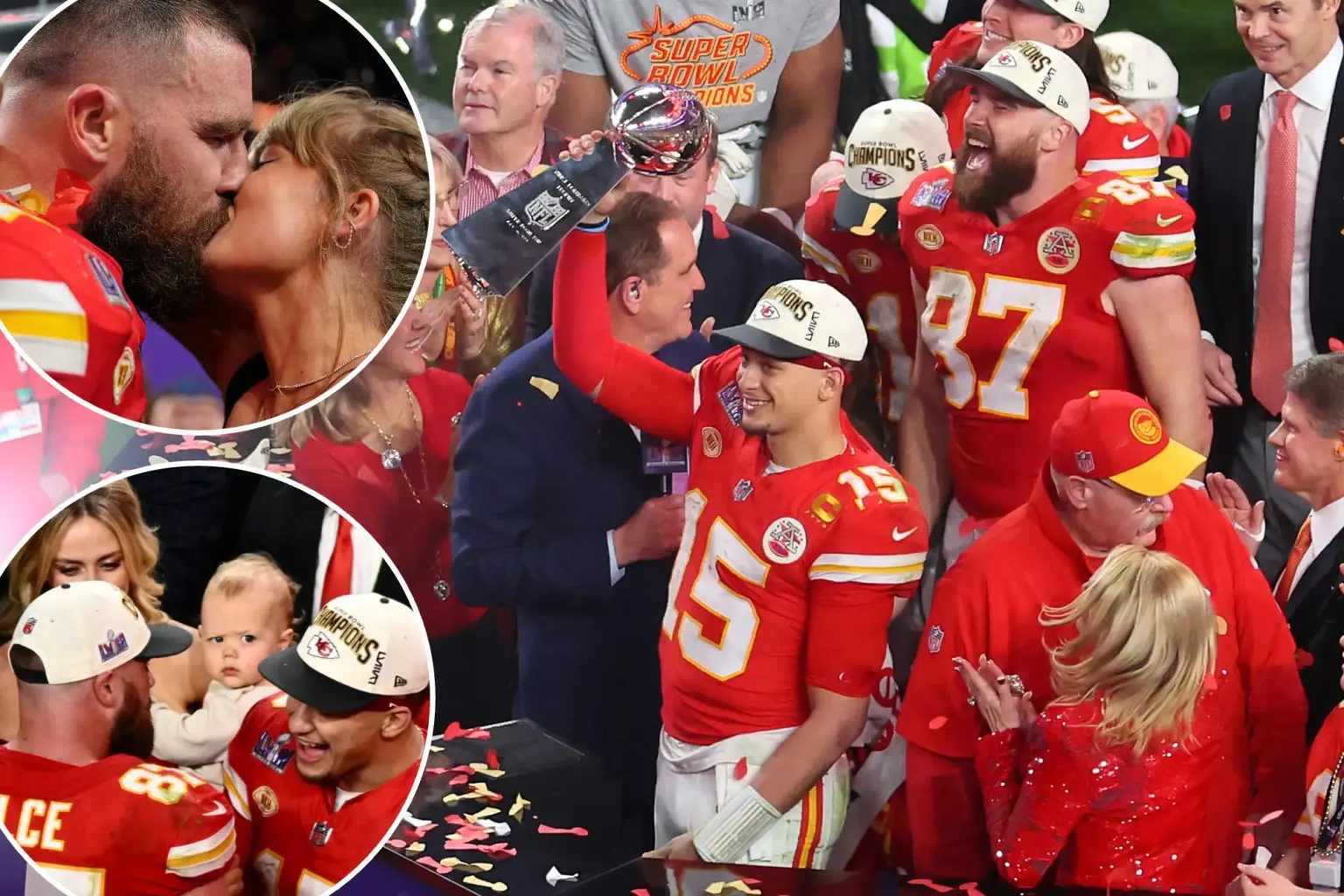
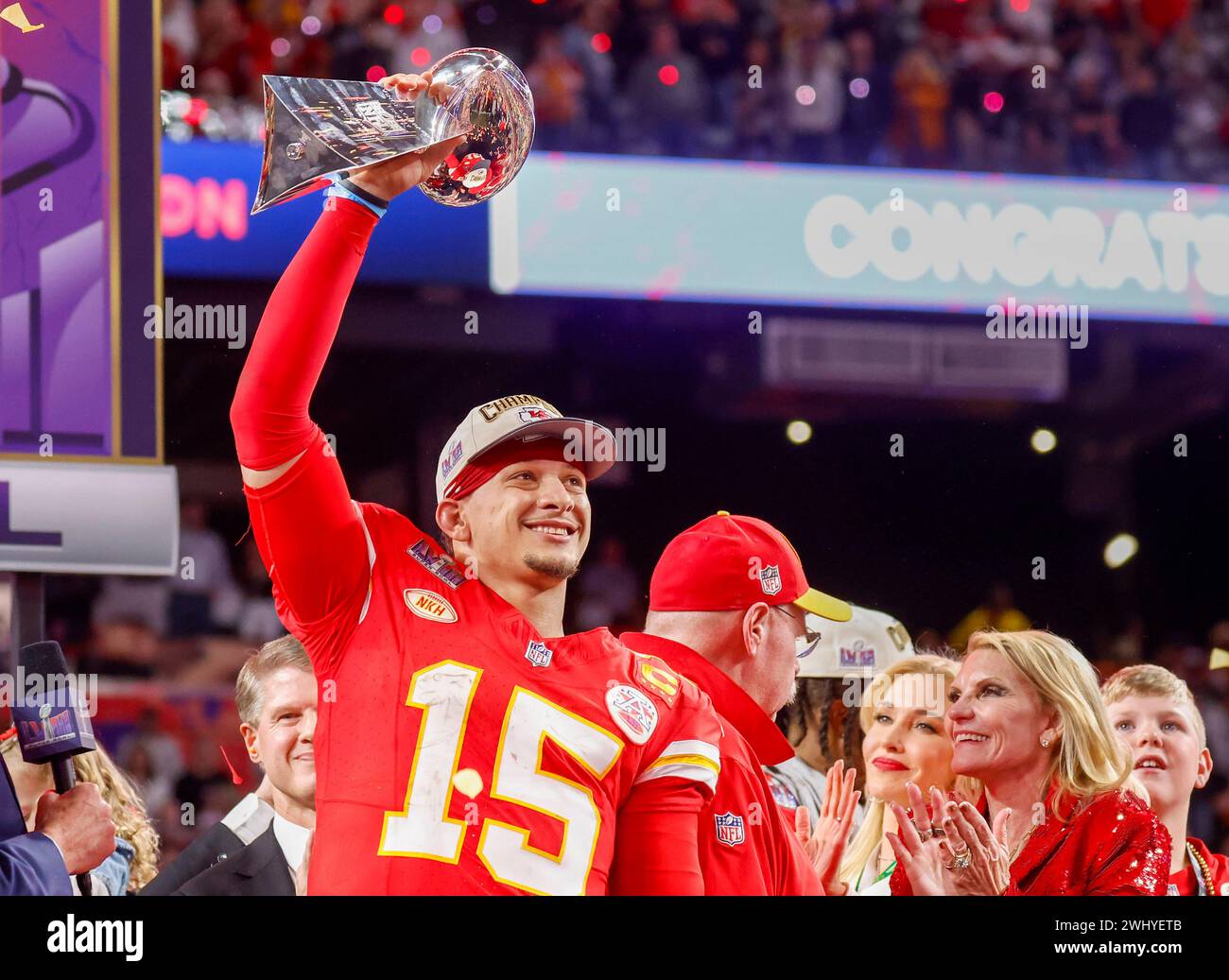
Super Bowl LVIII, held on February 11, 2024, at Allegiant Stadium in Las Vegas, saw the Kansas City Chiefs defeat the San Francisco 49ers 25–22 in a thrilling overtime finish. This victory secured the Chiefs' status as a modern dynasty, marking their second consecutive championship and third title in five seasons.
The Road to Super Bowl LVIII: Context and Stakes
The journey to the 2024 Super Bowl was defined by a shift in the NFL’s competitive landscape. Entering the 2023-2024 season, the Kansas City Chiefs were the defending champions, yet they faced significant hurdles throughout the regular season. Their offense, usually explosive, struggled with inconsistency and a lack of reliable wide receiver play. However, as the playoffs arrived, the veteran leadership of Patrick Mahomes and the defensive brilliance of coordinator Steve Spagnuolo propelled them through a grueling AFC gauntlet, defeating the Miami Dolphins, Buffalo Bills, and the top-seeded Baltimore Ravens.
Conversely, the San Francisco 49ers entered the postseason as the NFC’s dominant force. Led by "Mr. Irrelevant" Brock Purdy and a roster overflowing with All-Pro talent like Christian McCaffrey, Deebo Samuel, and George Kittle, the 49ers were the odds-on favorites for much of the year. Their path to Las Vegas was marked by dramatic comeback victories against the Green Bay Packers and the Detroit Lions, setting the stage for a rematch of Super Bowl LIV.
For the NFL, this game represented a milestone: the first Super Bowl ever hosted in Las Vegas. The transition of the city from a "forbidden zone" for professional sports due to gambling concerns to the ultimate host of the league's flagship event signaled a new era for the league’s relationship with the gaming industry and entertainment capital of the world.
Allegiant Stadium: A High-Tech Stage for History
Allegiant Stadium, often referred to as the "Death Star" due to its sleek, black exterior, provided a state-of-the-art backdrop for the event. Completed in 2020, the $1.9 billion facility features a retractable grass field and a climate-controlled environment, ensuring that the desert heat would not impact the game.
The atmosphere in Las Vegas during the week leading up to the game was unprecedented. The city’s infrastructure was pushed to its limits as hundreds of thousands of fans descended upon the Strip. Security was at a Tier 1 national level, with federal and local agencies coordinating to manage the unique challenges posed by the dense urban environment of the Las Vegas Strip. According to reports from the Las Vegas Review-Journal, the economic impact exceeded initial projections, cementing the city's status as a premier global sports destination.
First Half: A Defensive Chess Match
The first half of Super Bowl LVIII was characterized by physical defense and uncharacteristic mistakes from both offenses. Many viewers, accustomed to high-scoring Chiefs games, were surprised by the low-scoring affair.
- Opening Exchanges: Both teams traded punts early on. The 49ers' defense, led by Fred Warner and Nick Bosa, successfully pressured Patrick Mahomes, preventing the Chiefs from establishing a rhythm.
- The McCaffrey Fumble: San Francisco had a prime opportunity early in the first quarter, but a rare fumble by Christian McCaffrey—forced by Leo Chenal—stalled their momentum.
- The Trick Play: The deadlock was broken in the second quarter when 49ers head coach Kyle Shanahan reached into his bag of tricks. Wide receiver Jauan Jennings threw a lateral pass back across the field to McCaffrey, who sprinted 21 yards for a touchdown.
- Chiefs Struggles: The Kansas City offense was visibly frustrated. A notable sideline moment involved tight end Travis Kelce expressing his frustration to head coach Andy Reid after a fumble by Isiah Pacheco. By halftime, the 49ers held a 10–3 lead, with the Chiefs' only points coming from a Harrison Butker field goal.
Second Half: Momentum Shifts and Special Teams Blunders
The third quarter began with more struggles for Kansas City, including a Patrick Mahomes interception. However, the tide began to turn through a combination of defensive resilience and a critical special teams error by San Francisco.
Midway through the third quarter, a Chiefs punt struck the leg of a 49ers player (Darrell Luter Jr.) and was recovered by Kansas City deep in San Francisco territory. Mahomes immediately capitalized, throwing a touchdown pass to Marquez Valdes-Scantling to give the Chiefs their first lead at 13–10.
The fourth quarter was a back-and-forth battle of nerves. San Francisco reclaimed the lead with a touchdown pass from Purdy to Jennings, but a blocked extra point by the Chiefs' Leo Chenal proved to be one of the most consequential plays of the game. That single point kept the game within a range where field goals could force overtime.
With under two minutes remaining and the 49ers leading 19–16, Mahomes led a drive that allowed Harrison Butker to kick a 29-yard field goal, tying the game at 19–19 and sending the Super Bowl into overtime for only the second time in NFL history.
The Overtime Thriller: Navigating New Rules
Super Bowl LVIII was the first postseason game to utilize the NFL’s new overtime rules, which guaranteed both teams a possession regardless of whether the first team scored a touchdown. This change, implemented in 2022, added a layer of strategic complexity to the game’s conclusion.
The 49ers won the coin toss and elected to receive the ball. This decision became a point of significant post-game debate. By receiving first, the 49ers hoped to score and then put the pressure on Kansas City. They navigated a long drive down the field but were ultimately held to a field goal by the Chiefs' "bend-but-don't-break" defense.
The Chiefs then took possession, knowing that a field goal would extend the game, but a touchdown would win it instantly. Patrick Mahomes solidified his legend on this drive, using his legs to convert a critical 4th-and-1 and later a 3rd-and-6. With 3 seconds remaining in the first overtime period, Mahomes rolled right and found Mecole Hardman Jr. for a 3-yard touchdown.
Final Score: Kansas City Chiefs 25, San Francisco 49ers 22.
Key Player Statistics and Performances
The 2024 Super Bowl featured several standout individual performances that dictated the flow of the game.
| Player | Team | Notable Statistics | Impact |
|---|---|---|---|
| Patrick Mahomes | Chiefs | 333 Pass Yds, 2 TD, 66 Rush Yds | Named Super Bowl MVP for the third time. |
| Brock Purdy | 49ers | 255 Pass Yds, 1 TD, 0 INT | Managed the game well but struggled in the red zone. |
| Christian McCaffrey | 49ers | 80 Rush Yds, 80 Rec Yds, 1 TD | The primary engine of the 49ers' offensive production. |
| Travis Kelce | Chiefs | 9 Receptions, 93 Rec Yds | Dominant in the second half and overtime. |
| Jauan Jennings | 49ers | 1 Pass TD, 1 Rec TD | Joined Nick Foles as the only players with a pass and catch TD in a Super Bowl. |
| Harrison Butker | Chiefs | 4/4 FG, Long of 57 Yards | Set the record for the longest field goal in Super Bowl history. |
The Usher Halftime Show and Entertainment
Beyond the gridiron, the 2024 Super Bowl was a massive cultural event. Usher headlined the Apple Music Super Bowl LVIII Halftime Show, delivering a high-energy performance that celebrated his 30-year career.
The setlist included hits like "Caught Up," "U Got It Bad," and "Yeah!" Usher was joined by an array of guest stars, including Alicia Keys, H.E.R., Will.i.am, Lil Jon, and Ludacris. The performance was praised for its choreography and Las Vegas-inspired production, including a segment where Usher performed on roller skates.
The national anthem was performed by Reba McEntire, and Post Malone sang "America the Beautiful," both of which were well-received and contributed to the high-prestige atmosphere of the inaugural Vegas Super Bowl.
The Cultural Phenomenon: Viewership and "The Taylor Swift Effect"
Super Bowl LVIII became the most-watched television program in United States history at that time. According to Nielsen, the game averaged 123.4 million viewers across all platforms.
A significant contributor to this surge was the "Taylor Swift Effect." The singer-songwriter’s relationship with Chiefs tight end Travis Kelce brought a new demographic to the NFL. Data indicated a massive spike in viewership among teenage girls and young women, a group the NFL had long sought to engage more deeply. The media coverage of Swift’s arrival from her Eras Tour in Japan to attend the game in Las Vegas created a "crossover" event that transcended sports.
Technical Analysis: Why the Chiefs Won
While Mahomes and Kelce receive the headlines, the technical victory belonged to the Chiefs' coaching staff and defense.
- Defensive Containment: Steve Spagnuolo’s defense utilized "simulated pressures" to confuse Brock Purdy. By showing blitz and dropping into coverage, they forced Purdy to make quick, sometimes suboptimal, decisions.
- The Overtime Strategy: Post-game interviews revealed that the Chiefs had extensively studied the new overtime rules. While the 49ers players later admitted they weren't fully aware of the rule nuances, the Chiefs had a specific plan: they wanted to kick off second so they would know exactly what was needed (a field goal to tie or a touchdown to win) on their possession.
- Conditioning: In the dry Las Vegas air, the Chiefs appeared to have more stamina in the late fourth quarter and overtime. This allowed their pass rush to remain effective even as the game stretched past the four-hour mark.
Historical Significance and the Chiefs' Dynasty
With this victory, the Kansas City Chiefs became the first team to win back-to-back Super Bowls since the New England Patriots in 2003 and 2004. This win effectively ended any debate regarding their "dynasty" status.
Patrick Mahomes joined Tom Brady and Joe Montana as the only players to win at least three Super Bowl MVP awards. At only 28 years old at the time of the win, Mahomes' trajectory suggested he was the only player in history with a realistic chance of challenging Brady's record of seven Super Bowl rings.
Frequently Asked Questions
Who won the 2024 Super Bowl?
The Kansas City Chiefs won the 2024 Super Bowl, defeating the San Francisco 49ers 25–22 in overtime. It was their second consecutive title and their third in five years.
Where was Super Bowl LVIII played?
The game was held at Allegiant Stadium in Las Vegas, Nevada. This marked the first time the city of Las Vegas and the state of Nevada hosted a Super Bowl.
What were the new overtime rules used in the 2024 Super Bowl?
The new rules ensured that both teams had the opportunity to possess the ball at least once, even if the first team to possess it scored a touchdown. If the score remained tied after both teams had a possession, the next score would win.
Who performed at the 2024 Super Bowl halftime show?
Usher was the headline performer for the halftime show. He was joined by several guests, including Alicia Keys, Ludacris, Lil Jon, H.E.R., and Will.i.am.
What record did Harrison Butker break during the game?
Chiefs kicker Harrison Butker set a new record for the longest field goal in Super Bowl history with a 57-yard kick in the third quarter. This broke the record set just earlier in the same game by 49ers kicker Jake Moody (55 yards).
Next Steps for Fans and Historians
For those looking to relive the details of Super Bowl LVIII, the full game and condensed "Mic'd Up" versions are available through NFL+. Additionally, the Pro Football Hall of Fame in Canton, Ohio, houses several artifacts from the game, including Patrick Mahomes' jersey and the game-winning ball. Understanding this game is essential for any fan tracking the evolution of the NFL in the 2020s and the rise of the Kansas City dynasty.