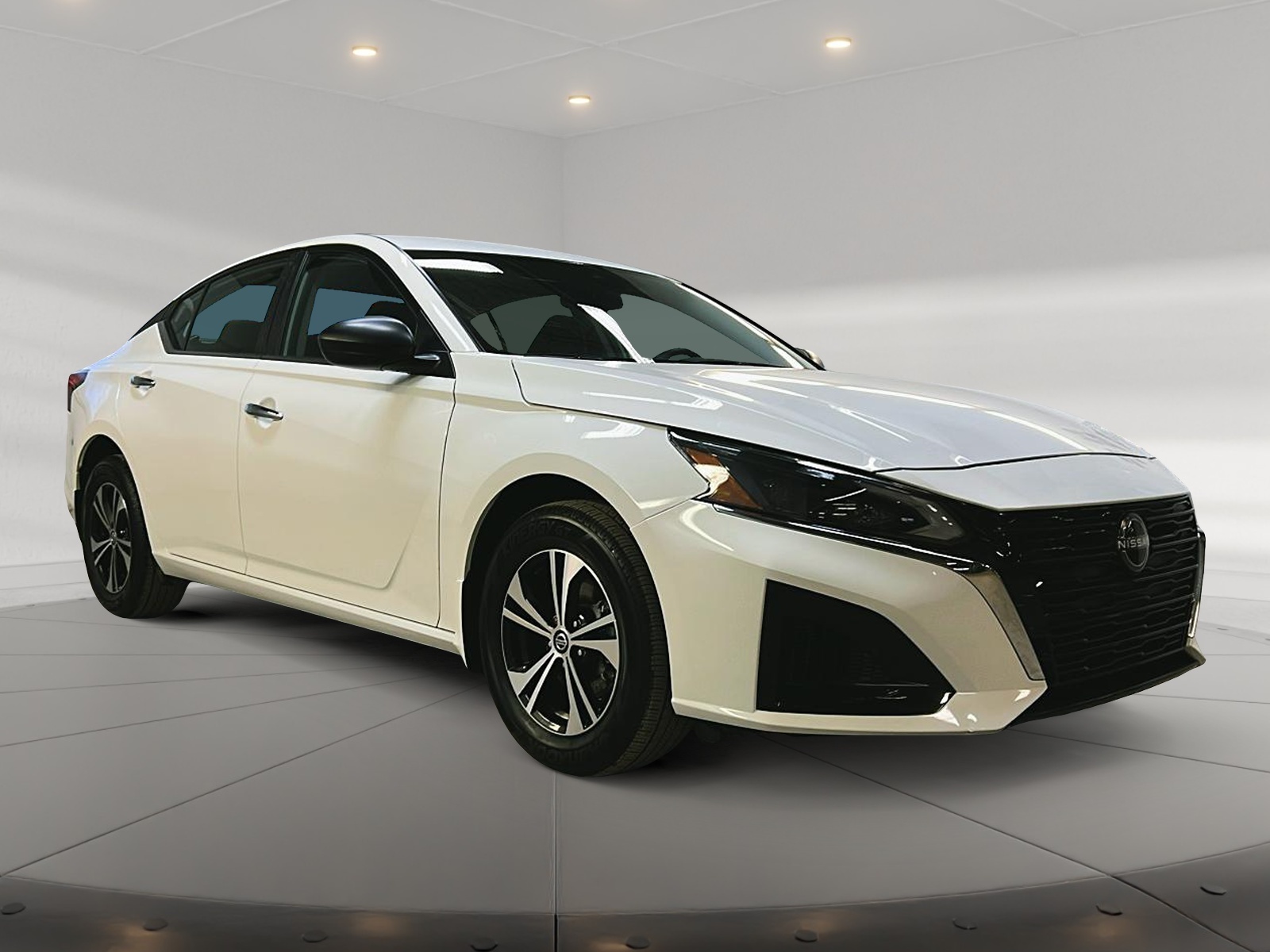
The 2024 Nissan Altima does not feature a 3.5-liter V6 engine, as that powertrain option was discontinued in prior model years. For 2024, the vehicle is exclusively equipped with a 2.5-liter four-cylinder engine or an optional 2.0-liter Variable Compression Turbo (VC-Turbo) four-cylinder engine, depending on the trim level selected by the consumer.
Evolution of the Nissan Altima Powertrain
To understand the current performance landscape of the Nissan Altima, it is necessary to recognize the shift in manufacturing strategy that occurred over the last several years. For many generations, the Altima was widely recognized for offering an optional 3.5-liter V6 engine, which provided a significant power boost compared to the standard base model. This configuration was a hallmark of the sedan's mid-size performance aspirations, appealing to drivers who prioritized acceleration and highway passing power over maximum fuel economy.
However, the automotive industry has undergone a systemic shift toward smaller-displacement, forced-induction engines. This transition is driven by stringent emissions regulations, the demand for improved fuel efficiency, and advancements in turbocharging technology that allow smaller engines to produce power outputs comparable to traditional larger-displacement engines. Consequently, the 3.5-liter V6 was phased out of the Altima lineup, marking the end of that specific configuration for new models like the 2024 edition. Prospective buyers searching for a 2024 model seeking the specific performance characteristics of the older V6 may find the current powertrain options—specifically the VC-Turbo—to be the modern equivalent, albeit with different mechanical properties.
The 2.5-Liter Direct Injection Engine
The standard engine found across the majority of the 2024 Nissan Altima trim levels is the 2.5-liter Direct Injection Gasoline (DIG) DOHC 16-valve 4-cylinder engine. This power unit is designed primarily for efficiency and daily usability. In front-wheel-drive (FWD) configurations, this engine is rated to produce approximately 188 horsepower and 180 lb-ft of torque. When paired with the available Intelligent All-Wheel Drive (AWD) system, the output is slightly adjusted to 182 horsepower and 178 lb-ft of torque due to the additional mechanical load and power distribution requirements of the AWD setup.
This engine utilizes a Continuously Variable Transmission (CVT). Unlike traditional automatic transmissions that use fixed gear ratios, the Nissan Xtronic CVT provides a seamless acceleration experience by theoretically offering an infinite range of ratios. This allows the engine to remain in its most efficient RPM range during steady cruising or to quickly reach peak power levels during demand-based acceleration. For the average commuter, this engine provides a balanced experience, offering reliable performance for urban environments and highway travel without the complexity of forced-induction cooling systems.
The 2.0-Liter VC-Turbo Alternative
For buyers who feel the absence of the 3.5-liter V6 most keenly, the 2.0-liter Variable Compression Turbo (VC-Turbo) engine is the performance-oriented substitute. Available exclusively on the SR VC-Turbo trim, this engine is a testament to Nissan’s engineering focus on combining efficiency with high-output performance.
The "Variable Compression" aspect of the engine refers to its ability to mechanically adjust the reach of the pistons. By changing the compression ratio on the fly, the engine can optimize itself for power or efficiency depending on the driver's current input. Under high-load situations, such as merging onto a highway or aggressive acceleration, the engine lowers the compression ratio to maximize power output and prevent engine knock. During low-load cruising, it increases the compression ratio to enhance fuel economy.
With this technology, the 2.0-liter engine produces up to 248 horsepower and 273 lb-ft of torque when utilizing premium fuel. This performance profile provides a noticeably sharper throttle response and superior mid-range torque compared to the standard 2.5-liter engine, bridging the gap for those who previously preferred the V6 experience.
Technical Performance Comparison
The following table summarizes the performance metrics for the two powertrain options available for the 2024 Nissan Altima.
| Feature | 2.5L 4-Cylinder (FWD) | 2.5L 4-Cylinder (AWD) | 2.0L VC-Turbo (FWD) |
|---|---|---|---|
| Engine Type | Naturally Aspirated | Naturally Aspirated | Turbocharged |
| Horsepower | 188 hp | 182 hp | 248 hp |
| Torque | 180 lb-ft | 178 lb-ft | 273 lb-ft |
| Transmission | Xtronic CVT | Xtronic CVT | Xtronic CVT |
| Primary Use | Daily Commuting | All-Weather Stability | Performance Focus |
Maintenance and Ownership Considerations
When evaluating these engines, prospective owners should consider the long-term maintenance requirements associated with each. The 2.5-liter naturally aspirated engine is generally considered less complex to maintain over the long term. Because it lacks a turbocharger, there are fewer heat-sensitive components, such as intercoolers, wastegates, and high-pressure oil lines, which typically require more frequent inspection and monitoring as a vehicle ages.
Conversely, the 2.0-liter VC-Turbo engine, while technologically impressive, requires more diligent maintenance to ensure its longevity. The use of forced induction increases the thermal load on the engine oil. It is imperative that owners adhere strictly to the manufacturer-recommended oil change intervals and use the specific synthetic oil grades required by the turbocharged system. Furthermore, while the 2.5-liter engine can often run on standard 87-octane fuel, the VC-Turbo's peak performance figures are achieved using premium 93-octane fuel. Failure to use the recommended octane rating in a high-compression turbo engine can lead to reduced performance and potential long-term issues related to engine timing adjustments.
Intelligent All-Wheel Drive and Driving Dynamics
A common point of confusion for buyers transitioning from older V6 models is the availability of All-Wheel Drive. In previous generations, the V6 Altima was almost exclusively a front-wheel-drive platform. The 2024 model offers Intelligent AWD on the 2.5-liter models, which provides significant advantages in regions with inclement weather.
The system is designed to be reactive, monitoring wheel slip and distributing torque to the rear wheels when necessary. Under normal driving conditions, the system directs power primarily to the front wheels to maintain fuel efficiency. While this provides a safety benefit, it is important to note that this system is tuned for stability rather than performance handling. Drivers who prioritize the "sporty" feel of the previous V6 era might find that the front-wheel-drive VC-Turbo model offers a more engaging driving experience, despite lacking the four-wheel traction of the AWD 2.5-liter trims.
Transmission Performance and CVT Reliability
The Xtronic CVT has been a staple of the Nissan lineup for years. While early iterations of CVTs faced scrutiny regarding reliability, the version utilized in the 2024 Altima represents years of iterative improvements. Modern Nissan CVTs feature advanced thermal management systems to prevent overheating during prolonged highway driving, which was a common issue in older designs.
Drivers should be aware that the driving feel of a CVT is fundamentally different from a stepped automatic or a manual transmission. Because there are no physical "gears" shifting, the engine noise may remain constant while the vehicle gains speed, creating a sensation of "rubber banding" that some traditionalists dislike. However, for a mid-size sedan intended for comfort and reliability, the CVT ensures that the engine stays in the most efficient power band, which contributes to the Altima’s competitive fuel economy ratings.
Frequently Asked Questions
Does the 2024 Nissan Altima offer a V6 engine? No, the 2024 Nissan Altima does not offer a V6 engine. The last generation of the Altima to feature a 3.5-liter V6 concluded several years ago. The current engine lineup consists of a 2.5-liter 4-cylinder and a 2.0-liter VC-Turbo 4-cylinder.
Which 2024 Altima trim is the most powerful? The SR VC-Turbo trim is the most powerful variant. It features a 2.0-liter Variable Compression Turbo engine that produces 248 horsepower and 273 lb-ft of torque when fueled with premium gasoline.
Can I get an AWD model with the Turbo engine? No, for the 2024 model year, the Intelligent All-Wheel Drive system is exclusive to the 2.5-liter naturally aspirated engine. The 2.0-liter VC-Turbo engine is only available in a front-wheel-drive configuration.
Is premium fuel required for the 2024 Altima? Premium fuel is recommended for the 2.0-liter VC-Turbo engine to achieve its maximum advertised performance figures. The 2.5-liter engine is designed to operate optimally on regular 87-octane unleaded gasoline.
How does the 2.0-liter engine compare to the old 3.5-liter V6? While the 2.0-liter VC-Turbo produces less raw displacement than the old 3.5-liter V6, its torque output is higher, providing a similar—if not superior—feeling of acceleration. The engine is more fuel-efficient and technologically complex than the older, larger V6.
Next Steps for Buyers
If you are currently evaluating a 2024 Nissan Altima, your primary decision point should be the trade-off between all-weather capability and high-end power. If you live in a region with significant seasonal snowfall and prioritize security, the 2.5-liter AWD model is the most practical choice. If you are specifically looking for the performance and acceleration that characterized previous V6 models, you should prioritize test-driving the SR VC-Turbo trim. Always consult your local Nissan dealership to verify specific inventory, as trim availability can vary by region.