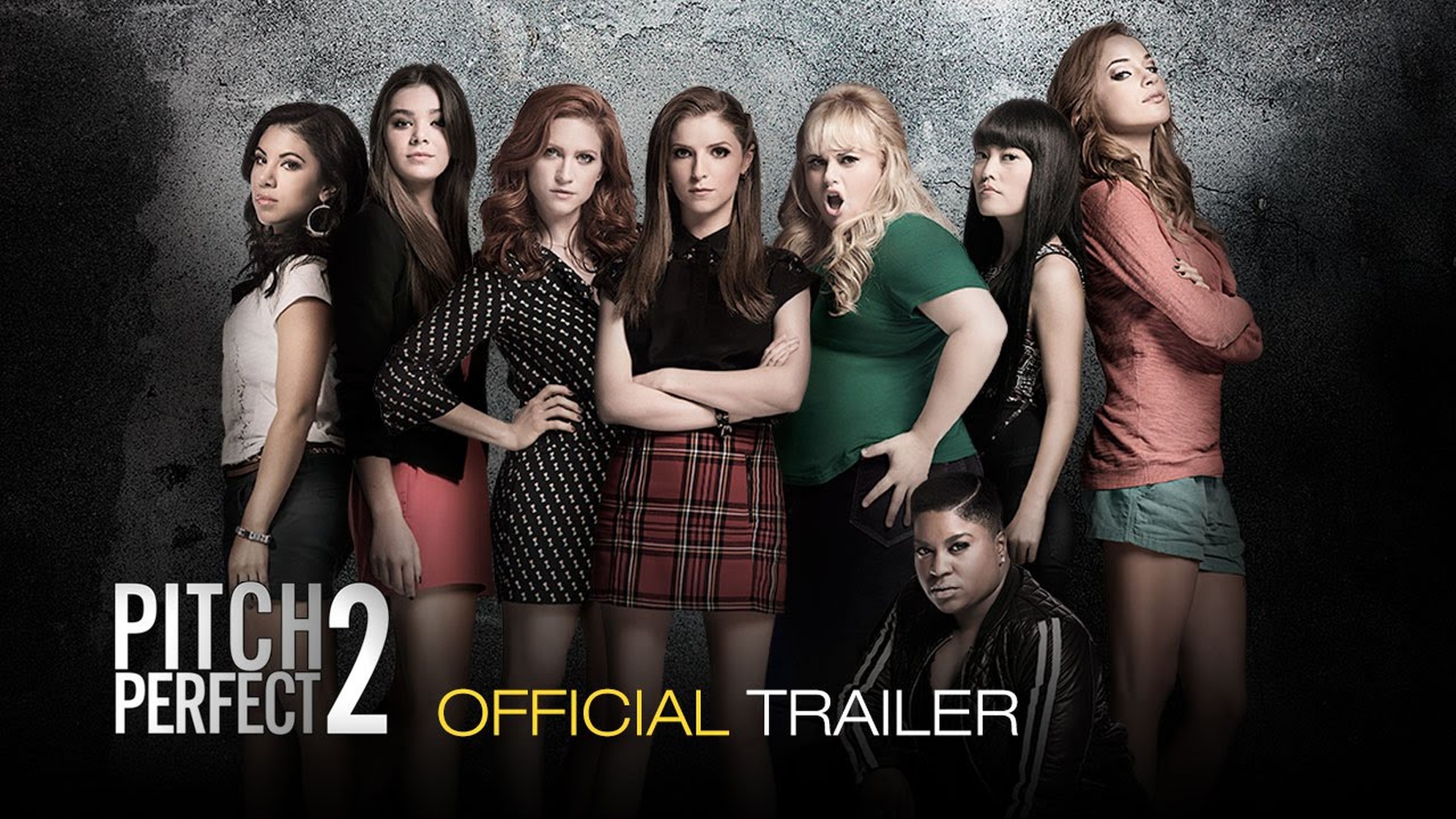
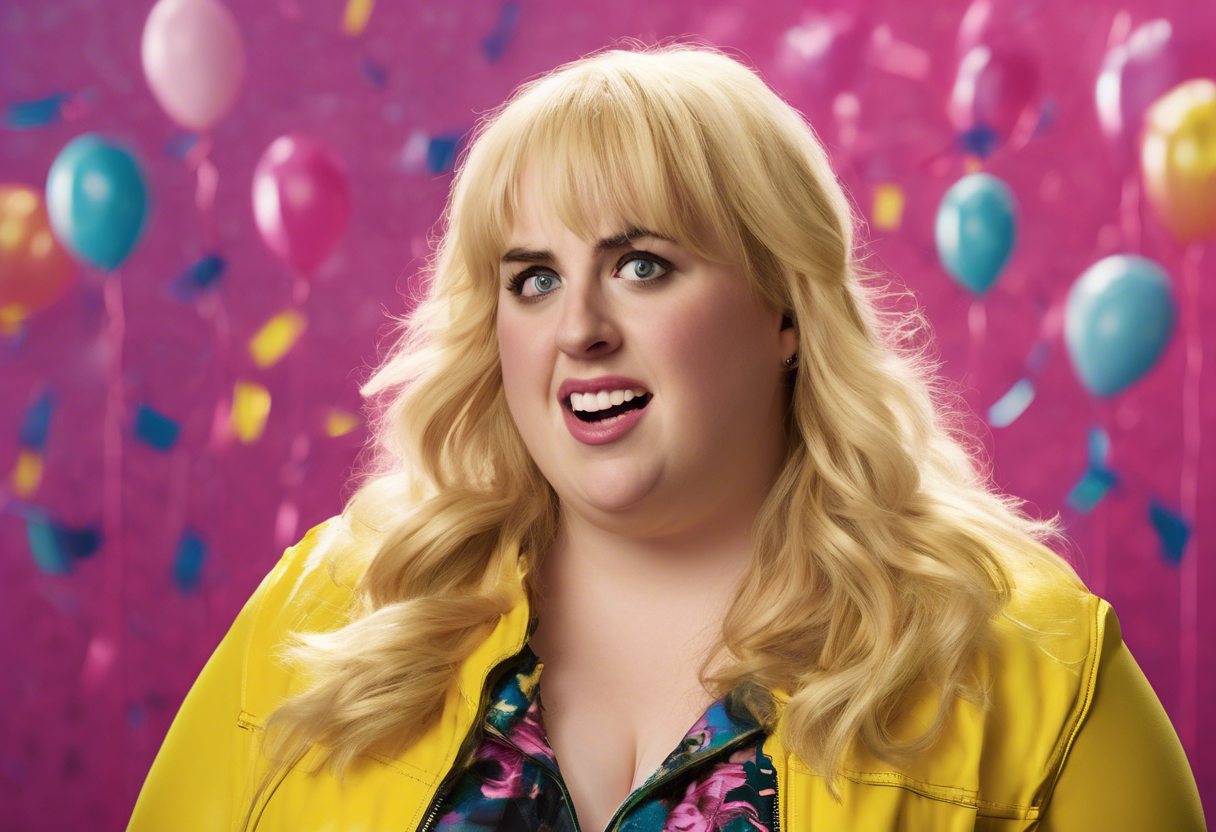
The "2024 Fat Amy Update" refers to the continued cultural discourse and retrospective analysis surrounding the character Fat Amy, portrayed by Rebel Wilson in the Pitch Perfect film franchise. In 2024, discussions pivoted toward how modern audiences perceive the character’s self-referential humor and the shifting standards of body-positive representation in cinema compared to the franchise's origin in 2012.
Historical Context of the Character
The character "Fat Amy," introduced in the 2012 film Pitch Perfect, served as a focal point for the franchise’s comedic structure. Her self-chosen nickname—a tactic she claimed was used to beat others to the punch—became a defining trope of the character. Over the course of three films, the character evolved from a breakout comedic relief figure into a protagonist who possessed significant agency, particularly regarding her confidence and romantic relationships.
By 2024, the conversation regarding this character reached a point of professional and critical re-evaluation. The "2024 update" to this discourse is not a technical software patch or a new film installment, but rather a maturation of the conversation regarding fatphobia, representation, and the evolution of comedy in the mid-2010s. Critics and audiences alike began analyzing the character through the lens of modern standards, questioning whether the reliance on "fat jokes" diminished the character’s otherwise strong writing.
The Shift in Narrative Standards
In 2024, industry analysts and media scholars noted that the character of Fat Amy represents a complex legacy. While the character was celebrated for her unapologetic attitude and lack of insecurity—a departure from many side-character tropes of that era—the reliance on her weight as the primary source of humor is now viewed with a more critical eye.
The discourse during this period highlighted the tension between "empowerment comedy" and "stereotypical reliance." The character’s famous line regarding why she calls herself "Fat Amy" was, for many years, cited as an example of reclaiming a slur or a negative label. However, updated analysis suggests that while it served as an act of defiance within the film's narrative, it also anchored the character to her body size in a way that limited her character development to physical attributes for a segment of the viewing audience.
Impact on Modern Character Development
The ongoing dialogue serves as a case study for writers and producers working in 2026. Understanding why the 2024 discourse occurred is vital for creators who want to build characters that feel authentic without falling into the "comedic crutch" trap.
Key factors currently informing modern character development include:
- Agency vs. Definition: Modern audiences prefer characters whose agency is derived from their choices, skills, and personal growth rather than their relationship to their own appearance.
- The Persistence of Self-Deprecation: While self-deprecating humor remains a staple, there is a clear shift toward humor that is situational rather than identity-based.
- Intersectionality in Comedy: Contemporary critics examine whether the character's background and motivations were fully realized or if they remained secondary to the comedic "bits" associated with her archetype.
Comparative Analysis of Character Representation
To better understand the shift in perception, it is helpful to compare the tropes associated with Fat Amy against the evolving standards of the industry between 2012 and 2026.
| Feature | 2012–2017 Perception | 2024–2026 Critical Analysis |
|---|---|---|
| Humor Source | Physicality and weight-based jokes | Situational competence and eccentricity |
| Character Agency | High (within comedic bounds) | High (but often hampered by external tropes) |
| Audience Reception | Widely lauded as a "body-positive" icon | Viewed as a complex, mixed-result representation |
| Cultural Impact | High-quotability, breakout success | Legacy subject of media/representation studies |
Navigating the Legacy of the Franchise
For fans revisiting the Pitch Perfect trilogy in 2026, the 2024 discourse provides a roadmap for how to enjoy the films while maintaining a critical awareness of their limitations. The films remain technically proficient examples of the musical-comedy genre, featuring high-quality arrangements and strong ensemble performances. The update to the conversation suggests that one does not need to discard the films to acknowledge the problematic nature of specific jokes.
Many educators and media commentators now suggest using the franchise as a teaching tool to discuss how comedy moves on. By isolating the character’s scenes, viewers can distinguish between instances where Fat Amy is the "butt of the joke" and instances where she is the "driver of the scene." This nuanced approach helps preserve the entertainment value of the franchise while fostering a more sophisticated understanding of media consumption.
Frequently Asked Questions
Is there a new "Fat Amy" movie or official update released in 2024? No. There is no official movie, spin-off, or "update" to the character. The term refers strictly to the evolution of critical and audience discourse surrounding the character’s legacy within the Pitch Perfect franchise.
Why does the discourse focus on the year 2024? The year 2024 marked a cycle of retrospective analysis where several cultural publications revisited mid-2010s media. This, combined with the general maturation of social media discourse regarding body image and inclusion, led to a peak in academic and journalistic interest in the character’s long-term impact on pop culture.
Does this mean the character is considered "cancelled"? No. The character is not considered cancelled. The discourse is characterized by complexity and critique rather than calls for removal. The consensus among critics is that while the writing relied on outdated tropes, the character remains a significant cultural touchstone for that decade.
How should a modern audience interpret the character's jokes? It is recommended that viewers view these jokes as artifacts of a specific time in Hollywood. Modern media literacy encourages acknowledging that the character was a product of the industry standards of 2012, which heavily favored physical, identity-based humor. Recognizing this context allows for an appreciative viewing experience without ignoring the evolution of social standards.
Is Rebel Wilson involved in these 2024 updates? Rebel Wilson has been vocal throughout her career about her experience with body image and the typecasting she faced in Hollywood. Her personal reflections, shared in various interviews and memoirs leading up to 2026, often align with the critical consensus that the industry in the 2010s often limited actors to specific "types," which she has worked to transcend in her later career.
Next Actions for Viewers and Analysts
If you are currently researching this topic for academic, creative, or entertainment purposes, the most effective next step is to perform a comparative viewing of the Pitch Perfect trilogy. Note the frequency and nature of jokes directed at or made by the character across the three films (2012, 2015, 2017). Observe how her role in the plot changes—from comic relief to a character with a defined romantic arc and professional aspirations.
By mapping these changes against the broader cultural commentary emerging from 2024, you can form your own conclusions about the character’s trajectory. Engagement with the material should be balanced with an understanding that pop culture evolution is a continuous process; what is acceptable in one decade often faces rigorous, necessary scrutiny in the next. Maintaining this perspective allows for both the enjoyment of the craft and the critical analysis of the content.