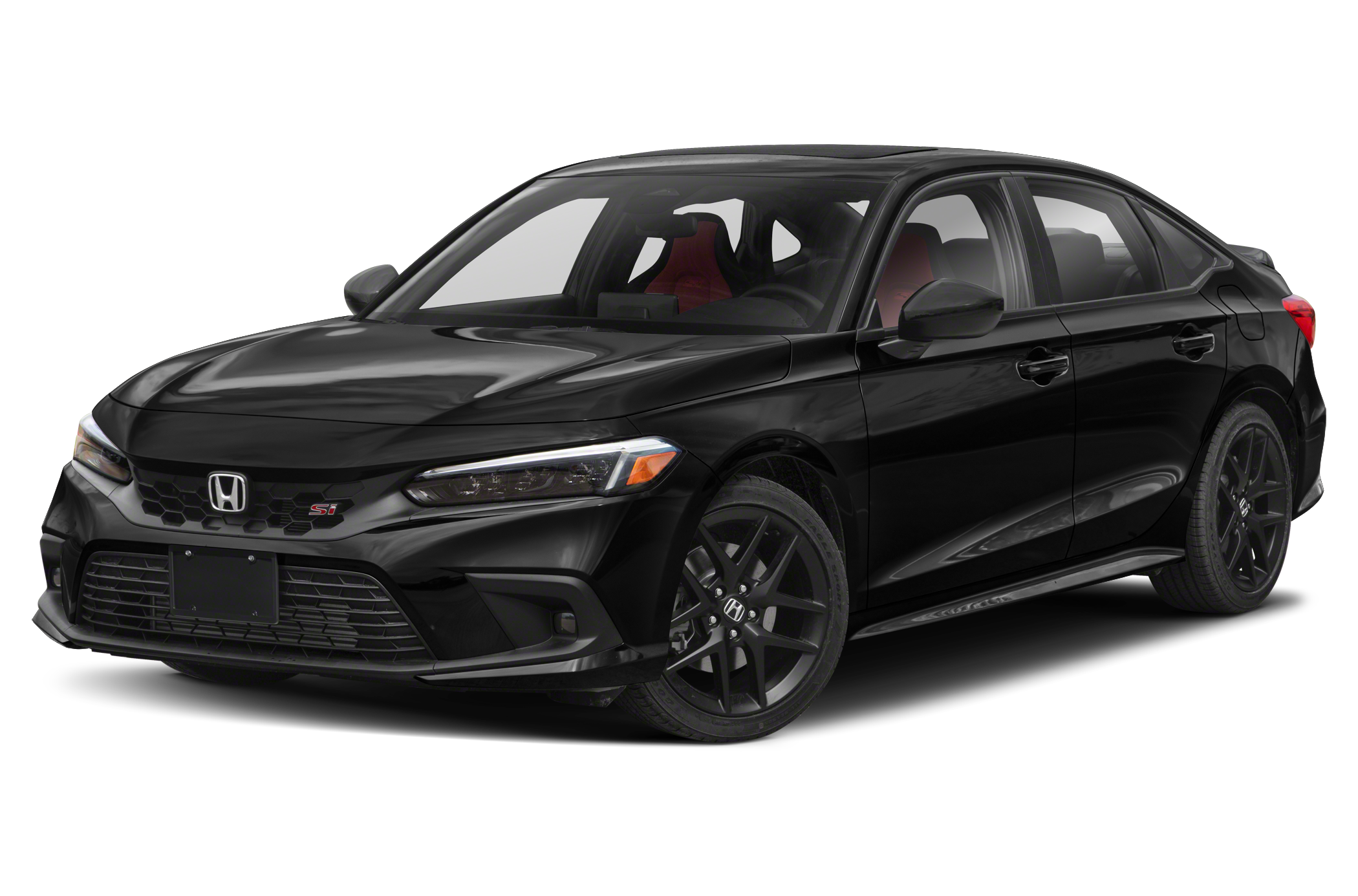
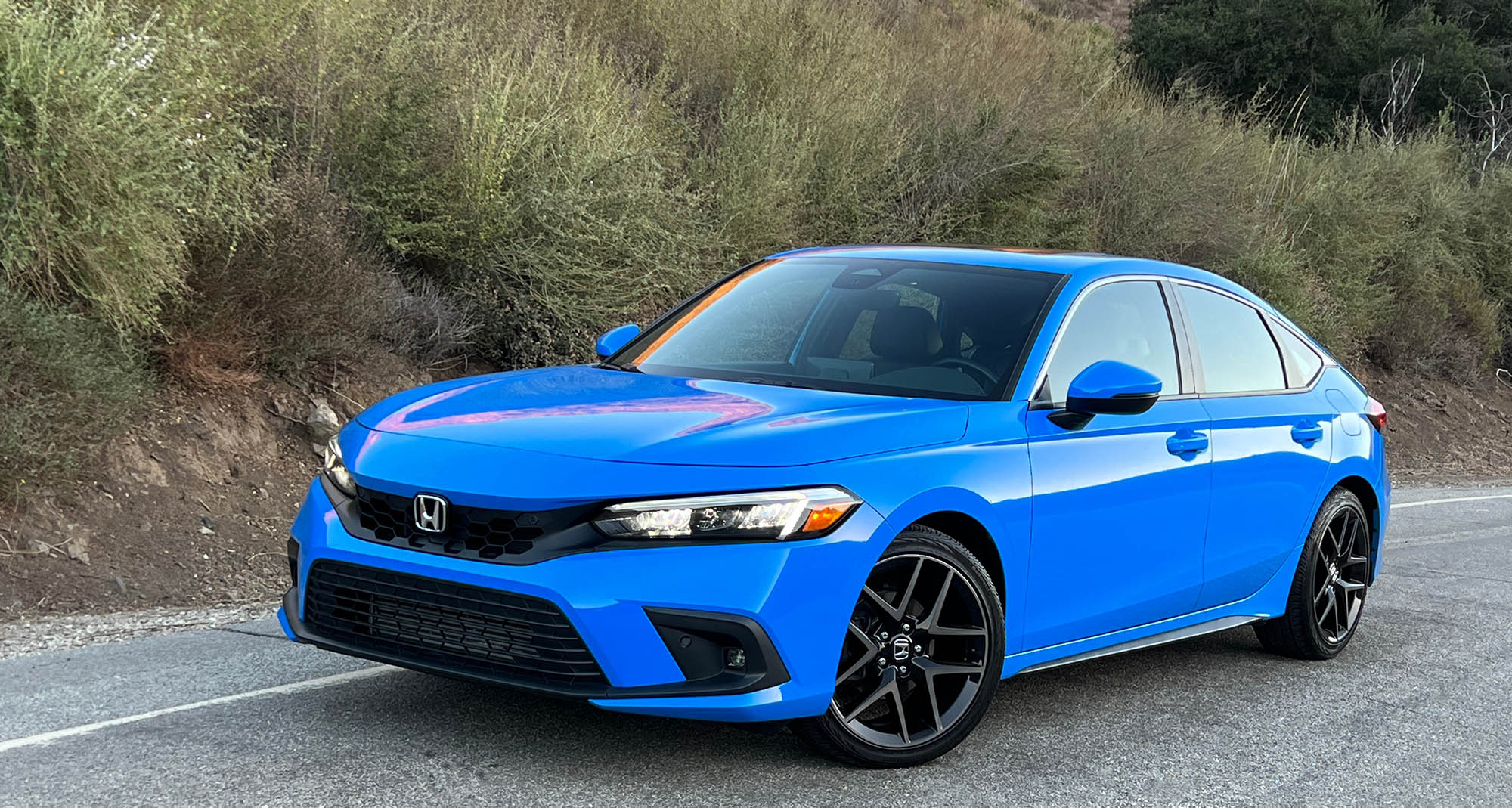
The 2022 Honda Civic Sport Touring produces 180 horsepower at 6,000 rpm and 177 lb-ft of torque between 1,700 and 4,500 rpm. This power is generated by a 1.5-liter turbocharged inline-4 engine, which serves as the premium powertrain option for the 11th-generation Civic lineup.
The 2022 model year marked a significant transition for the Honda Civic, introducing the "11th Gen" architecture that emphasized a more mature design language and a refined interior. While the "Sport Touring" trim is exclusive to the hatchback body style, its mechanical heart—the L15CA engine—represents the pinnacle of Honda’s non-Si or Type R performance for that year. As we look back from 2026, the 2022 Sport Touring remains a benchmark for balancing daily efficiency with engaging driving dynamics.
The Engineering Behind the 180 Horsepower
To understand the 180 hp figure, one must look at the technical architecture of the 1.5-liter VTEC Turbo engine. Honda utilized several advanced engineering techniques to extract this level of performance from a relatively small displacement engine while maintaining the fuel economy expected of a commuter vehicle.
Turbocharging and Air Management
The engine features a low-inertia mono-scroll turbocharger. By using a small turbine, Honda engineers reduced "turbo lag"—the delay between pressing the accelerator and feeling the boost. This allows the 2022 Sport Touring to reach its peak torque of 177 lb-ft as early as 1,700 rpm. For the driver, this translates to immediate responsiveness when merging onto highways or accelerating from a stoplight.
The plumbing of this system includes an intercooler that sits behind the front bumper. Its role is to cool the compressed air coming from the turbo before it enters the engine. Cooler air is denser, containing more oxygen molecules, which allows for more efficient combustion and contributes to the sustained 180 hp output without heat-soaking the engine during spirited drives.
VTEC and Valve Timing
While many modern turbos rely solely on variable timing, the 2022 Sport Touring utilizes Variable Valve Timing and Lift Electronic Control (VTEC) specifically on the exhaust side. By adjusting the lift and duration of the exhaust valves, the engine can more efficiently clear spent gases, allowing the turbocharger to spool faster. This synergy between traditional VTEC and modern turbocharging is why the 180 hp feels more robust than the numbers might suggest on paper.
2022 Honda Civic Sport Touring Performance Specifications
The Sport Touring trim is unique because it offers two distinct transmission choices, each affecting how that 180 hp is delivered to the front wheels.
| Specification | Value (CVT) | Value (6-Speed Manual) |
|---|---|---|
| Engine Type | 1.5L Turbocharged Inline-4 | 1.5L Turbocharged Inline-4 |
| Peak Horsepower | 180 hp @ 6,000 rpm | 180 hp @ 6,000 rpm |
| Peak Torque | 177 lb-ft @ 1,700–4,500 rpm | 177 lb-ft @ 1,900–5,000 rpm |
| 0-60 MPH (approx.) | 7.3 - 7.5 Seconds | 7.1 - 7.3 Seconds |
| Fuel Requirement | Regular Unleaded (87 Octane) | Regular Unleaded (87 Octane) |
| Drive Type | Front-Wheel Drive (FWD) | Front-Wheel Drive (FWD) |
| Curb Weight | ~3,102 lbs | ~3,068 lbs |
The slight difference in torque delivery between the CVT (Continuously Variable Transmission) and the 6-speed manual is intentional. The manual transmission allows for a slightly broader torque plateau, though the CVT is often faster in simulated city driving due to its ability to hold the engine at the ideal RPM for the turbo's boost profile.
Transmission Dynamics: CVT vs. 6-Speed Manual
The 2022 Honda Civic Sport Touring was one of the few vehicles in its class to retain a manual transmission in its top-tier trim. This decision significantly influenced the "feel" of the 180 horsepower.
The Refined CVT
The CVT in the 2022 model was updated with "Step-Shift" programming. Under full throttle, the transmission simulates traditional gear changes rather than holding a constant, high-pitched drone. This makes the 180 hp feel more like a traditional automatic's power delivery. It also includes steering-wheel-mounted paddle shifters, allowing drivers to "downshift" through pre-set ratios to utilize engine braking or prepare for a pass.
The Enthusiast's 6-Speed Manual
For those who choose the manual, the Sport Touring offers short throws and a light clutch take-up. The manual transmission allows the driver to wring out every bit of the 180 hp, pushing the engine toward its 6,600 rpm redline. Because the driver has total control over gear selection, the 1.5L turbo feels more "alive," though it requires more work in heavy traffic compared to the CVT.
Real-World Performance and Driving Impressions
While 180 horsepower might seem modest compared to modern electric vehicles or dedicated sports cars, the power-to-weight ratio of the 2022 Civic Sport Touring makes it quite nimble. The vehicle's curb weight sits around 3,100 pounds, meaning each horsepower is only responsible for moving about 17 pounds.
Passing Power and Highway Stability
On the highway, the 1.5L turbo shows its strength. Unlike the base 2.0-liter naturally aspirated engine found in the lower Sport trim (which produces 158 hp), the Sport Touring does not need to downshift aggressively to find power. The mid-range torque allows for effortless passing from 50 to 70 mph.
The 11th-generation chassis is notably stiffer than the previous 10th-gen, and the Sport Touring trim benefits from 18-inch alloy wheels wrapped in 235/40 R18 all-season tires. This setup ensures that the 180 hp is translated effectively to the asphalt with minimal wheel spin, even in wet conditions.
Handling and Suspension
The Sport Touring utilizes a MacPherson strut front suspension and a multi-link rear suspension. Honda tuned the dampers specifically for this trim to handle the additional weight of the sunroof and premium audio components. The result is a car that feels planted and composed. The variable-ratio electric power steering provides enough feedback to make the 180 hp usable in corners, rather than just in a straight line.
Fuel Efficiency and the Cost of Power
One of the primary reasons buyers choose the 1.5L Turbo over a larger naturally aspirated engine is the balance of power and efficiency. Despite having 180 hp, the 2022 Civic Sport Touring (Hatchback) achieves an EPA-estimated 30 city / 37 highway / 33 combined MPG with the CVT.
The manual transmission variant takes a slight hit in efficiency, rated at roughly 28 city / 37 highway / 31 combined MPG. It is important to note that while the engine is designed to run on 87-octane regular unleaded fuel, some owners and tuners have noted that using 91 or 93 octane can help the ECU (Engine Control Unit) maintain more aggressive timing in hot weather, potentially preventing a slight "pulling" of power during extreme heat.
Comparison: Sport Touring vs. Other 2022 Civic Trims
To put the 180 hp into perspective, it is helpful to see where the Sport Touring sits in the 2022 Honda hierarchy.
- Civic Sport (Sedan/Hatch): 2.0L Naturally Aspirated I4. 158 hp / 138 lb-ft. This engine lacks the low-end punch of the turbo and feels significantly slower during highway merges.
- Civic EX / EX-L: 1.5L Turbocharged I4. 180 hp / 177 lb-ft. These trims share the Sport Touring's engine but lack the premium interior features and the manual transmission option.
- Civic Si (Sedan Only): High-output 1.5L Turbo. 200 hp / 192 lb-ft. The Si uses a similar engine block but features a lighter flywheel and more aggressive tuning for a 20 hp gain.
- Civic Type R (Released later): 2.0L Turbocharged I4. 315 hp. This is a dedicated track machine and exists in a completely different performance bracket.
The Sport Touring essentially offers "Si-lite" performance with "Luxury-heavy" features, such as the 12-speaker Bose premium audio system, leather-trimmed seats, and a 9-inch touchscreen with wireless Apple CarPlay and Android Auto.
Long-Term Reliability and Maintenance in 2026
As of 2026, the 2022 Honda Civic Sport Touring has been on the road for four years. The L15CA engine has proven to be a reliable successor to the earlier 1.5T engines, which had some initial issues with oil dilution in very cold climates. Honda revised the ignition timing and heating cycles for the 2022 model to mitigate these concerns.
Maintenance for Peak Horsepower
To ensure the engine continues to produce its full 180 hp, owners should adhere to the following:
- Oil Changes: The "Maintenance Minder" system usually suggests changes every 5,000 to 7,500 miles. Using high-quality full synthetic 0W-20 oil is mandatory for turbo health.
- Air Filter: A clogged engine air filter can starve the turbo of oxygen, noticeably reducing horsepower. These should be inspected every 15,000 miles.
- Spark Plugs: Turbocharged engines are harder on spark plugs. Honda recommends replacement at 100,000 miles, but performance enthusiasts often swap them at 60,000 to ensure consistent ignition under boost.
- Turbo Inspection: Owners should listen for any high-pitched whining or "siren" sounds, which could indicate a bearing issue in the turbocharger, though this is rare in unmodified 2022 units.
Potential for Power: Tuning the Sport Touring
Because the Sport Touring uses a turbocharged engine, there is significant "headroom" for increasing horsepower through aftermarket means. Many owners utilize ECU flashes from reputable companies like Hondata or KTuner.
By increasing the boost pressure and optimizing the air-fuel ratio, a simple "Stage 1" tune can often push the 180 hp Sport Touring toward 210–220 hp. However, there are risks:
- CVT Limits: The CVT is not designed for massive torque increases. Tuning a CVT Sport Touring too aggressively can lead to belt slip and premature transmission failure.
- Warranty: Modifications to the ECU typically void the powertrain warranty, which is a major consideration for vehicles still under extended coverage in 2026.
Frequently Asked Questions
Does the 2022 Civic Sport Touring require premium gas to get 180 hp?
No, the 2022 Honda Civic Sport Touring is rated for 180 horsepower using standard 87-octane regular unleaded gasoline. While premium fuel may offer better resistance to "knock" in extremely high temperatures, it is not required for the vehicle to reach its advertised performance figures.
Is the Sport Touring faster than the Civic Si?
No. While the engines are similar, the 2022 Civic Si is tuned to produce 200 hp and 192 lb-ft of torque. The Si also features a helical limited-slip differential, which allows it to put its power down more effectively coming out of corners compared to the Sport Touring.
Why is the horsepower higher in the 2022 model than the 2021 model?
For the 11th-generation launch in 2022, Honda updated the 1.5L turbo engine with a more efficient turbocharger and a revised exhaust manifold. This resulted in a 6 hp increase and a 15 lb-ft increase in torque compared to the previous generation's 1.5L turbo engine.
Can I get the Sport Touring 180 hp engine in a sedan?
In 2022, the 180 hp engine was available in the Sedan's EX and Touring trims. However, the "Sport Touring" trim name is specific to the Hatchback. The Sedan "Touring" offers identical horsepower but does not offer the 6-speed manual transmission; it is CVT-only.
What is the top speed of the 2022 Civic Sport Touring?
The 2022 Honda Civic Sport Touring is electronically limited to approximately 126 mph. While the 180 hp engine is capable of pushing the car slightly faster, the governor is in place to stay within the speed ratings of the factory tires and the mechanical limits of the CVT.
Final Recommendation: Is 180 HP Enough?
The 2022 Honda Civic Sport Touring sits in a "sweet spot" of the automotive market. For the average driver, 180 horsepower provides more than enough capability for daily commuting, confident highway passing, and even the occasional spirited weekend drive.
If you prioritize a premium interior, advanced safety tech (Honda Sensing), and the versatility of a hatchback, the Sport Touring is the definitive choice. However, if your primary goal is raw speed and performance, you may find the 200 hp Civic Si or the much more powerful Civic Type R more suitable. In 2026, the 2022 Sport Touring remains highly sought after on the used market precisely because it doesn't sacrifice comfort for its performance, making it a sophisticated "all-rounder" in the compact segment.