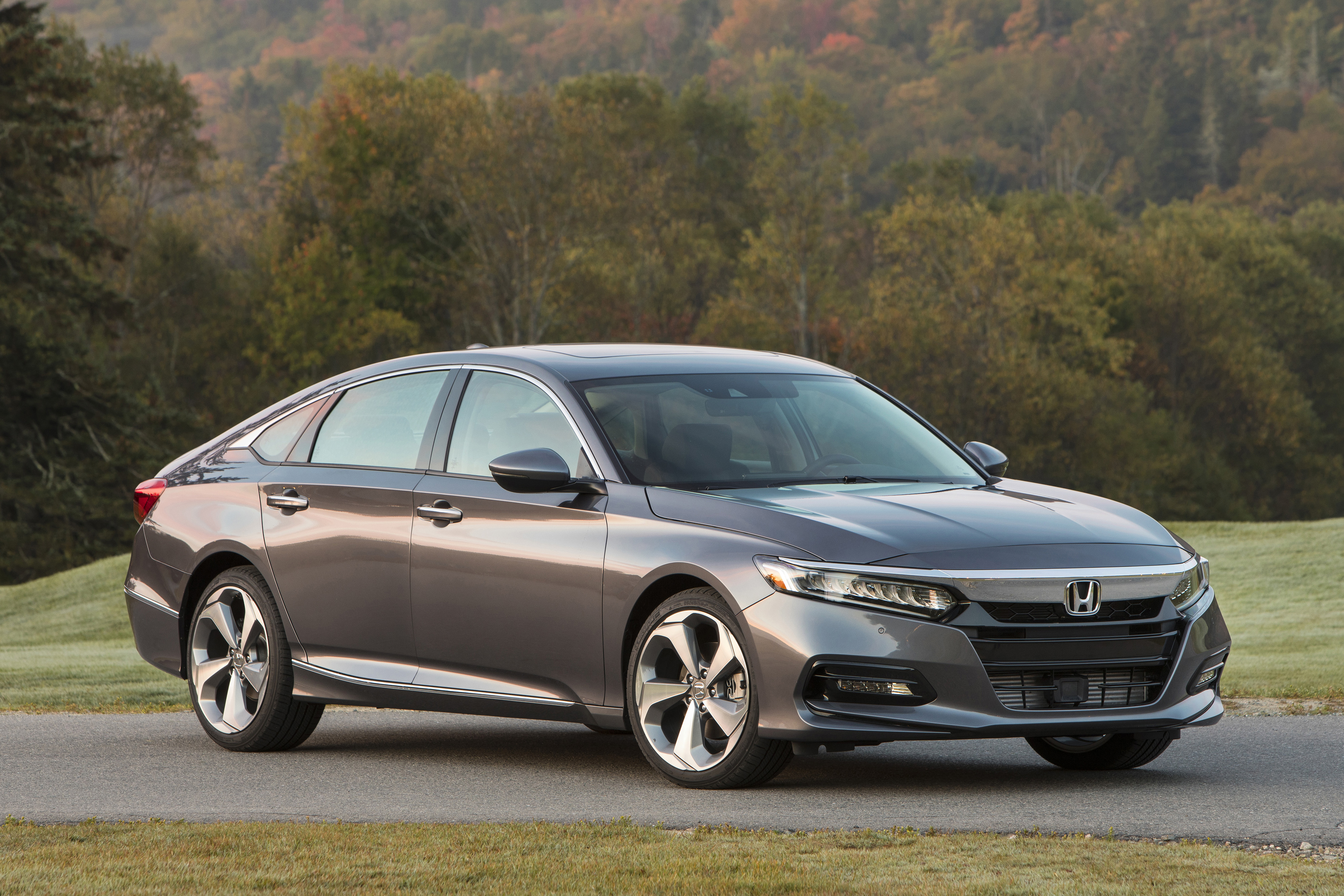
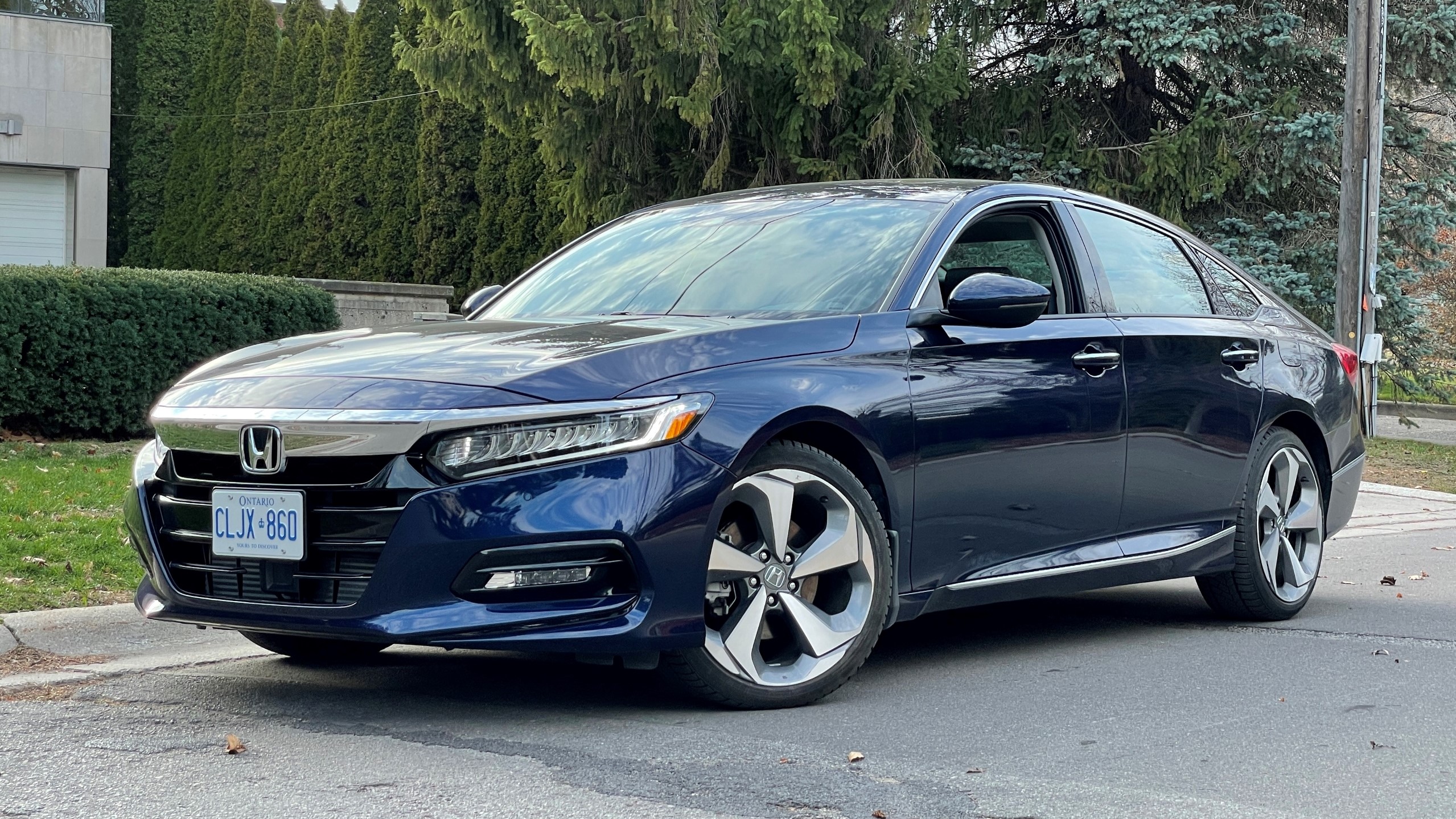
The 2020 Honda Accord Sport 2.0T generates an impressive 252 horsepower at 6,500 RPM and 273 lb-ft of torque starting from a low 1,500 RPM up to 5,000 RPM. This turbocharged powertrain bridges the gap between everyday family sedan practicality and enthusiast-grade performance, utilizing the same underlying engine architecture found in the iconic Honda Civic Type R.
Evaluating a modern midsize sedan requires looking beyond basic marketing sheets to understand how output figures translate into real-world driving dynamics, fuel efficiency, and long-term ownership experiences. The tenth-generation Honda Accord, particularly in its mid-tier Sport trim paired with the optional 2.0-liter turbocharged engine, redefined expectations for what a practical four-door vehicle could achieve. By replacing the traditional V6 engine of older generations with a smaller, forced-induction power plant, Honda altered power delivery curves, weight distribution, and tuning potential.
Understanding the exact specifications, mechanical underpinnings, transmission pairings, and performance capabilities of this specific model year helps buyers, enthusiasts, and automotive researchers make informed decisions. This comprehensive guide analyzes every aspect of the 2020 Honda Accord Sport 2.0T's powertrain and performance characteristics.
Powertrain Architecture and Technical Specifications
At the heart of the 2020 Honda Accord Sport 2.0T is the K20C4 engine. This is a 2.0-liter, inline-four-cylinder engine featuring direct fuel injection, a low-inertia mono-scroll turbocharger with an electronically controlled wastegate, and Honda's signature VTEC (Variable Valve Timing and Lift Electronic Control) system on the exhaust side.
The block and head are constructed from lightweight pressure-cast aluminum, which reduces front-end weight compared to older V6 configurations, thereby improving turn-in response and overall vehicle balance. Dual counter-rotating balance shafts are integrated into the block to suppress secondary engine vibrations, ensuring that the four-cylinder power plant maintains the refinement expected from a midsize family sedan.
The turbocharger operates at a maximum boost pressure of approximately 20.4 psi in stock configuration. Because the peak torque band of 273 lb-ft arrives flatly across a broad range from 1,500 to 5,000 RPM, the vehicle exhibits minimal turbo lag. Drivers experience immediate throttle response from a dead stop and authoritative passing power on the highway without needing to downshift aggressively.
| Specification Feature | Metric Value | Imperial/US Value |
|---|---|---|
| Displacement | 1,996 cc | 122 cubic inches |
| Horsepower | 188 kW @ 6,500 RPM | 252 hp @ 6,500 RPM |
| Torque | 370 Nm @ 1,500–5,000 RPM | 273 lb-ft @ 1,500–5,000 RPM |
| Compression Ratio | 9.8:1 | 9.8:1 |
| Redline | 6,800 RPM | 6,800 RPM |
| Fuel Requirement | Regular Unleaded (87 Octane min) | Regular Unleaded (87 Octane min) |
Transmission Options and Drivetrain Dynamics
One of the defining characteristics of the 2020 Honda Accord Sport 2.0T is its transmission flexibility, offering buyers a choice between two completely distinct driving experiences: a high-efficiency 10-speed automatic transmission or a driver-focused 6-speed manual transmission.
The 10-Speed Automatic Transmission
Most buyers opted for the electronically controlled 10-speed automatic transmission with Sequential SportMode. Unlike continuously variable transmissions (CVTs) found in lower Accord trims, this planetary-gear automatic features a wide gear ratio spread that keeps the engine operating in its optimal power band. Gear changes are executed via paddle shifters mounted behind the steering wheel. The inclusion of four overdrive gears optimizes highway cruising efficiency, keeping engine RPMs low during long-distance travel.
The 6-Speed Manual Transmission
For driving enthusiasts, the 2020 model year marked one of the final opportunities to purchase a midsize family sedan equipped with a manual gearbox. The 6-speed manual features short, precise throws and a light, progressive clutch pedal effort. It pairs exceptionally well with the flat torque curve of the 2.0T engine, allowing experienced drivers to manage boost pressure manually through corners. However, Honda discontinued the manual transmission option for the Accord lineup after the 2020 model year, making manual-equipped 2.0T models sought-after commodities on the used market.
Regardless of the transmission selected, power is routed exclusively to the front wheels. To manage front-wheel slip under hard acceleration, the Accord Sport utilizes electronic brake-differential systems and agile handling assist, though it lacks a mechanical limited-slip differential.
Performance Testing and Real-World Acceleration
Raw horsepower figures tell only part of the story. Real-world track testing and street evaluations demonstrate how the 2020 Honda Accord Sport 2.0T converts its 252 horsepower into momentum.
Independent automotive testing organizations have consistently recorded the 0 to 60 mph sprint for the automatic-equipped 2.0T model in the range of 5.5 to 5.7 seconds. The quarter-mile is typically cleared in approximately 14.1 to 14.3 seconds at an exit speed hovering around 100 mph. These figures made the tenth-generation Accord one of the fastest mainstream midsize sedans of its era, easily rivaling or outpacing V6-powered competitors from rival manufacturers that relied on heavier, less responsive naturally aspirated engines.
Top speed is electronically governed to approximately 115 to 125 mph, aligning with standard speed rating parameters for passenger car tire equipment. In everyday driving conditions, acceleration is effortless. Merging onto fast-moving interstate traffic requires minimal throttle input, and passing maneuvers on two-lane country roads are executed with high confidence due to the mid-range torque delivery.
Fuel Economy and Efficiency Considerations
Achieving 252 horsepower typically implies heavy fuel consumption, but modern turbocharging and direct-injection technologies allow the 2.0T Accord to balance performance with respectable efficiency.
According to EPA estimates, the 2020 Honda Accord Sport 2.0T equipped with the 10-speed automatic transmission achieves:
- City: 22 miles per gallon (mpg)
- Highway: 32 mpg
- Combined: 26 mpg
Models equipped with the 6-speed manual transmission return slightly different figures, typically rated at 22 mpg city, 32 mpg highway, and 25 mpg combined.
Real-world fuel economy heavily depends on driving habits. Because the turbocharger spooling mechanism relies on exhaust gas volume, frequent aggressive acceleration and sustained boost will push fuel consumption below EPA ratings. Conversely, cruising at steady highway speeds allows the tall overdrive ratios of the 10-speed automatic to drop engine revolutions, frequently yielding real-world highway figures exceeding 34 mpg. Notably, while premium fuel (91 octane or higher) is recommended by some manufacturers for high-output turbo engines to maximize absolute peak performance, Honda engineered the K20C4 engine to operate safely and efficiently on standard 87-octane regular unleaded fuel, reducing everyday running costs.
Handling, Suspension, and Braking Hardware
The "Sport" trim level in the 2020 Accord lineup goes beyond cosmetic upgrades like rear lip spoilers, chrome exhaust finishers, and 19-inch alloy wheels wrapped in 235/40R19 all-season tires. It includes specific chassis tuning designed to complement the output of the 2.0T engine.
- Suspension: MacPherson strut front suspension and a multi-link rear setup are standard. The Sport trim features unique damper tuning and stiffer stabilizer bars compared to lower trims, reducing body roll during cornering without compromising ride compliance.
- Steering: Dual-pinion, variable-ratio electric power steering provides direct on-center feel and weights up progressively as steering angle increases.
- Braking: Ventilated front disc brakes (12.3 inches) and solid rear disc brakes (11.1 inches) provide firm pedal feedback and reliable stopping power from highway speeds, with emergency braking distances from 70 mph consistently measuring under 170 feet in professional testing.
Common Modifications and Aftermarket Potential
Because the K20C4 engine shares architectural similarities with the FK8 Civic Type R power plant, the 2020 Honda Accord Sport 2.0T has cultivated a dedicated following within the automotive enthusiast community. Owners frequently explore performance upgrades to extract even greater output from the factory turbocharger.
Simple plug-and-play electronic tuning modules or flash tuners (such as those from Hondata or Ktuner) can significantly increase boost pressure. On a completely stock engine, a Stage 1 ECU recalibration running on 93 octane fuel can elevate output past 300 horsepower and over 350 lb-ft of torque at the crankshaft without requiring physical hardware changes.
However, modifying the vehicle introduces operational considerations:
- Clutch Longevity (Manual Models): The factory clutch in manual 2.0T models has a limited torque capacity headroom. Significant power increases through tuning often require upgrading to an aftermarket heavy-duty clutch to prevent slipping.
- Transmission Heat Management: Sustained track use or aggressive backroad driving with tuned automatic models can elevate transmission fluid temperatures, making auxiliary transmission coolers a popular modification for track-day enthusiasts.
- Warranty Implications: Powertrain modifications executed during active factory warranty periods may void coverage for specific mechanical components related to the engine, turbocharger, or transmission.
Frequently Asked Questions
Does the 2020 Honda Accord Sport 2.0T require premium gas?
No. The engine is factory-tuned to run on regular unleaded 87-octane fuel. While you can run higher-octane fuel, the engine management system adjusts ignition timing automatically, meaning regular fuel meets standard performance and efficiency requirements without causing engine knock or damage.
How does the 2.0T engine differ from the 1.5T engine in the same lineup?
The 1.5-liter turbo engine produces 192 horsepower and is typically paired with a CVT. The 2.0-liter turbo produces 252 horsepower, uses a sturdier block design derived from performance applications, features a conventional 10-speed automatic or 6-speed manual transmission, and delivers significantly stronger mid-range torque and acceleration.
Is the 6-speed manual transmission available on all 2020 Accord Sport 2.0T models?
Yes, the 6-speed manual was offered as a zero-cost option for the 2020 model year across the Sport 2.0T trim level. However, manual models are much rarer than automatic versions because the vast majority of buyers selected the 10-speed automatic transmission.
Can the 2020 Honda Accord 2.0T be modified to match a Civic Type R?
While the engine blocks share core DNA, the Accord uses a different turbocharger setup, exhaust manifold, and intercooler configuration than the Civic Type R. While tunes and bolt-on parts can push Accord 2.0T output well past stock Type R levels, matching a stock Type R's track readiness requires upgrades to cooling, suspension, and braking systems.
What are the main common mechanical issues to look out for on a used 2020 Accord 2.0T?
The tenth-generation Accord is generally regarded as reliable. Routine inspection points on used models include checking the fuel injectors (which had technical service bulletins regarding cold-start misfires in early production runs), verifying proper operation of the electronic wastegate actuator, and inspecting the condition of the direct-injection intake valves for carbon buildup over high mileage.
Final Recommendations for Buyers and Enthusiasts
The 2020 Honda Accord Sport 2.0T represents a unique highwater mark for the midsize sedan segment. Combining a robust 252-horsepower turbocharged engine, agile handling, generous interior space, and the option for a manual transmission, it fulfills multiple roles simultaneously—serving comfortably as a commuter car while retaining genuine enthusiast appeal.
When shopping for a used model, prioritize service history documentation, verify whether any ECU tuning has been installed by previous owners, and test-drive both automatic and manual variants if transmission preference remains flexible. For drivers seeking practicality without sacrificing straight-line performance, few sedans from this era match the well-rounded capability of the Accord 2.0T.