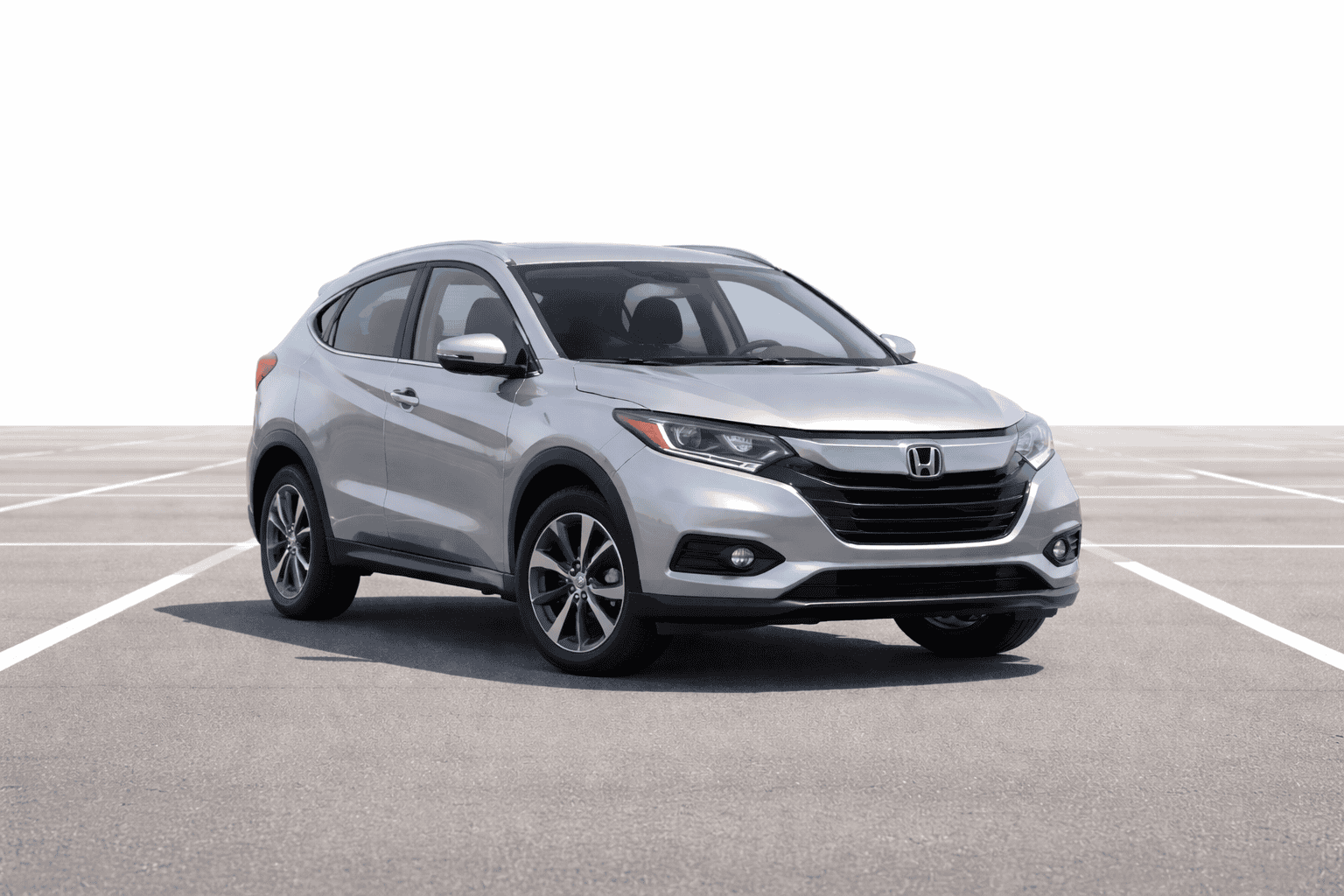
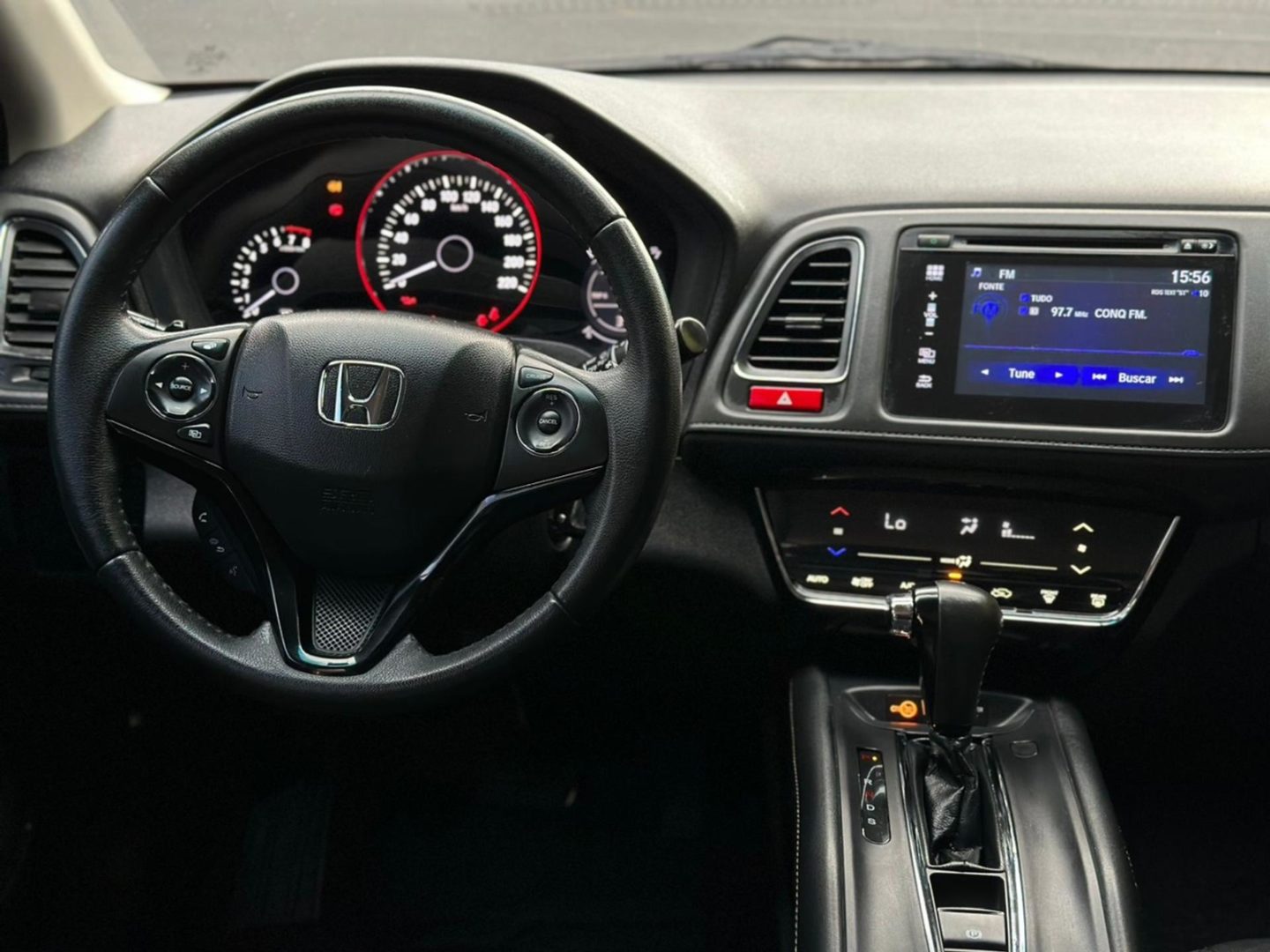
The 2018 Honda HR-V is generally considered a reliable subcompact crossover, backed by solid crash-test scores and a reputation for long-term mechanical durability. However, it is not without flaws; owners and automotive watchdogs have noted frequent complaints regarding CVT transmission shudder, uncomfortable front-seat placement, and minor electrical glitches.
When looking at the subcompact crossover market, few vehicles capture the balance of space, fuel efficiency, and practicality quite like the Honda HR-V. Based on the subcompact platform shared with the Honda Fit, the HR-V introduced clever interior packaging—including the signature "Magic Seat" system—to a high-riding crossover body style. For buyers examining the model years currently populating the pre-owned market, evaluating mechanical longevity, common problem areas, and overall ownership costs is vital. This overview examines the engineering, reliability ratings, reported trouble spots, maintenance requirements, and overall value proposition of the 2018 Honda HR-V.
Understanding the 2018 Honda HR-V Powertrain and Engineering
The 2018 Honda HR-V relies on a straightforward mechanical foundation designed for efficiency and everyday commuting rather than dynamic performance. Under the hood sits a 1.8-liter naturally aspirated four-cylinder engine (engine code R18Z9) generating 141 horsepower and 127 pound-feet of torque. This powerplant utilizes Honda's i-VTEC system to optimize valve timing across the rev range, prioritizing fuel economy.
Buyers had a choice of two transmission types depending on the drivetrain configuration:
- Continuously Variable Transmission (CVT): Standard on front-wheel drive (FWD) models and available on all-wheel drive (AWD) trims. This unit uses a steel belt and pulley system to simulate gear ratios.
- 6-Speed Manual Transmission: Offered exclusively on front-wheel-drive LX and EX trim levels. While increasingly rare in modern crossovers, this manual gearbox is prized by driving enthusiasts for its mechanical simplicity and lack of CVT-related maintenance concerns.
Power is sent either to the front wheels or through Honda's Real Time AWD system with Intelligent Control System, which automatically engages the rear wheels when slippage is detected at the front. Understanding this mechanical layout sets the stage for analyzing how these components hold up over years of real-world use.
Industry Reliability Ratings and Consumer Feedback
Independent automotive data providers and consumer reporting agencies generally award the 2018 Honda HR-V above-average marks for predicted reliability, though scores vary depending on the specific component category.
Organizations like J.D. Power awarded the 2018 model a predicted reliability score in the middle-to-upper tier of its segment, reflecting relatively few reported mechanical failures during the initial ownership years. Consumer Reports similarly tracks owner satisfaction and problem history, noting that while the engine and basic chassis exhibit robust longevity, electronic accessories and transmission operation generate a higher volume of owner feedback.
When assessing a pre-owned vehicle, aggregate ratings provide a useful baseline, but they must be contextualized with actual service records and specific known defect trends. The 2018 HR-V benefits from being in the third year of its first production generation (which spanned from 2016 to 2022 in North America), meaning Honda had resolved several early teething issues introduced during the vehicle's initial 2016 launch.
Common Reliability Concerns and Problem Areas
While the HR-V maintains a strong reputation, specific issues recur across owner forums, technical service bulletins (TSBs), and federal safety databases. Prospective buyers should inspect these areas carefully.
Continuously Variable Transmission (CVT) Shudder and Longevity
The most widely discussed mechanical concern involving the 2018 HR-V centers on its CVT. Some owners have reported a low-speed shudder, hesitation, or slip during acceleration. Honda issued technical service bulletins regarding software calibration and fluid degradation in early-generation CVTs, prompting extended warranties for certain related transmission components in select vehicle batches. Regular fluid changes every 30,000 to 45,000 miles are critical to maintaining the health of this transmission.
Interior Electronics and Infotainment Glitches
Higher trim levels (EX and EX-L) feature a 7-inch touchscreen infotainment system running HondaLink. Owners frequently complain that this system is sluggish, prone to freezing, or occasionally disconnects from smartphone integration systems like Apple CarPlay and Android Auto. While these glitches are software-driven rather than catastrophic mechanical failures, they can be frustrating to live with and require periodic firmware updates at a dealership.
Starter Motor Failures
A minor but notable mechanical pattern involves premature starter motor failure. Some 2018 HR-V owners have experienced a clicking noise or failure to crank when pressing the ignition button, necessitating replacement of the starter assembly. This issue mirrors similar complaints across other Honda models utilizing the same engine architecture during those model years.
Paint and Body Quality
Thin paint finishes on Honda vehicles from this era make the front fascia and hood susceptible to rock chips and minor road debris damage. Additionally, a small number of owners have reported issues with weather stripping and door seal integrity, leading to wind noise at highway speeds.
Maintenance Costs and Long-Term Ownership Experience
Owning a 2018 Honda HR-V is generally inexpensive compared to European competitors in the subcompact SUV class. Parts availability is robust, and the shared platform heritage with the Honda Fit means mechanical labor is straightforward for independent mechanics and dealerships alike.
| Maintenance Item | Recommended Interval | Estimated Cost (Parts & Labor) |
|---|---|---|
| Engine Oil and Filter Change | Every 7,500 miles (or per Maintenance Minder) | $50 – $90 |
| CVT Fluid Replacement | Every 30,000 – 45,000 miles | $150 – $300 |
| Spark Plug Replacement | Every 100,000 miles | $150 – $250 |
| Brake Pad and Rotor Service | Every 40,000 – 60,000 miles (varies by driving habits) | $300 – $600 per axle |
| Drive Belt Inspection/Replacement | Every 60,000 miles | $100 – $200 |
Adhering to the vehicle's onboard Maintenance Minder system is the best way to safeguard against premature wear. Neglecting the CVT fluid change interval is the single most common mistake owners make, which can lead to catastrophic internal belt wear and expensive transmission replacements.
Safety Ratings and Structural Integrity
Reliability encompasses not just mechanical endurance, but also structural protection during collisions. The 2018 Honda HR-V performed well in safety evaluations conducted by major testing authorities.
The National Highway Traffic Safety Administration (NHTSA) awarded the 2018 HR-V an overall safety rating of 5 out of 5 stars, with high marks in frontal and side crash testing. Similarly, the Insurance Institute for Highway Safety (IIHS) designated the HR-V as a Top Safety Pick in earlier model configurations, though headlight ratings on base trims received lower evaluations.
Active safety features such as forward collision warning and lane departure warning were restricted to the Honda Sensing suite, which was only standard or available on higher trim levels (EX and above) for the 2018 model year. Buyers prioritizing active safety technologies should verify that their prospective vehicle includes these packages.
Frequently Asked Questions
Is the 2018 Honda HR-V a reliable used car?
Yes, the 2018 Honda HR-V is generally a reliable used vehicle. It benefits from a durable engine and solid structural build. However, buyers should thoroughly inspect the CVT transmission history and ensure all past recall or technical service bulletin work has been completed.
What are the main problems with the 2018 Honda HR-V?
The most frequently reported issues involve low-speed shuddering or hesitation from the CVT transmission, sluggish touchscreen infotainment software, and occasional premature starter motor failures.
How many miles will a 2018 Honda HR-V last?
With proper routine maintenance—particularly timely fluid changes for the transmission—a 2018 Honda HR-V can easily exceed 200,000 miles before requiring major engine or structural overhauls.
Does the 2018 Honda HR-V have a timing belt or chain?
The 1.8-liter engine in the 2018 Honda HR-V uses a timing chain rather than a rubber timing belt. A timing chain is designed to last the lifetime of the engine, provided the vehicle's oil is changed at proper intervals.
Are manual transmission models more reliable than CVT models?
Mechanically, the 6-speed manual transmission avoids the complex hydraulic and belt-driven failure modes associated with early-generation CVTs. However, manual models are rare and lack modern convenience features found on higher trims.
Conclusion and Buying Recommendation
The 2018 Honda HR-V stands as a practical, fuel-efficient, and dependable choice for daily commuting and urban driving. While its CVT requires attentive fluid maintenance and its infotainment system feels dated by modern standards, its overall mechanical pedigree aligns with Honda's strong reputation for longevity.
When shopping for a used 2018 HR-V, prioritize models with documented service history, verify that the CVT operates smoothly without hesitation during acceleration, and consider higher trim levels (EX or EX-L) for a better balance of interior technology and safety equipment. Always secure a pre-purchase inspection from an independent mechanic to confirm the vehicle's mechanical health before finalizing your purchase.