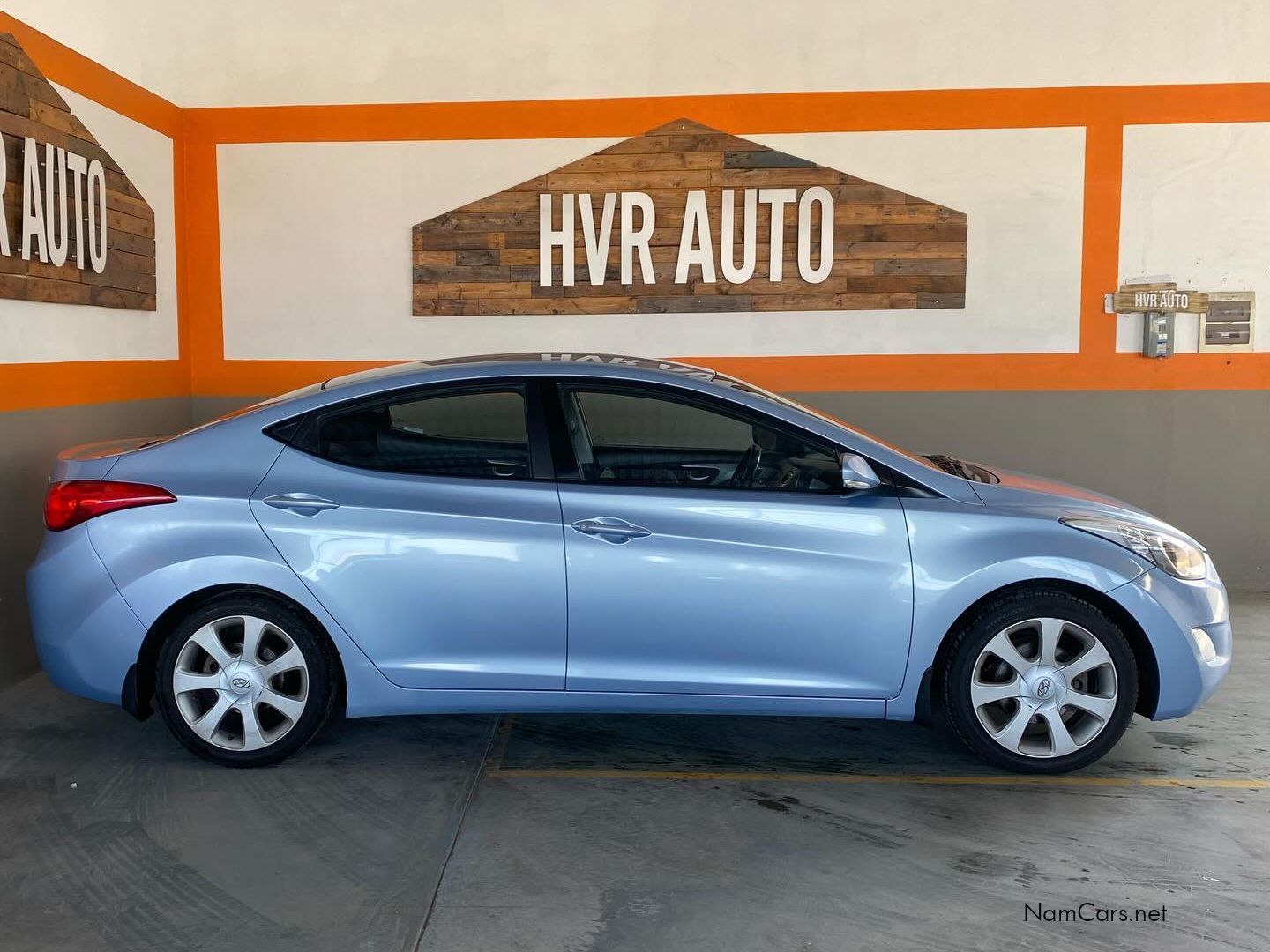
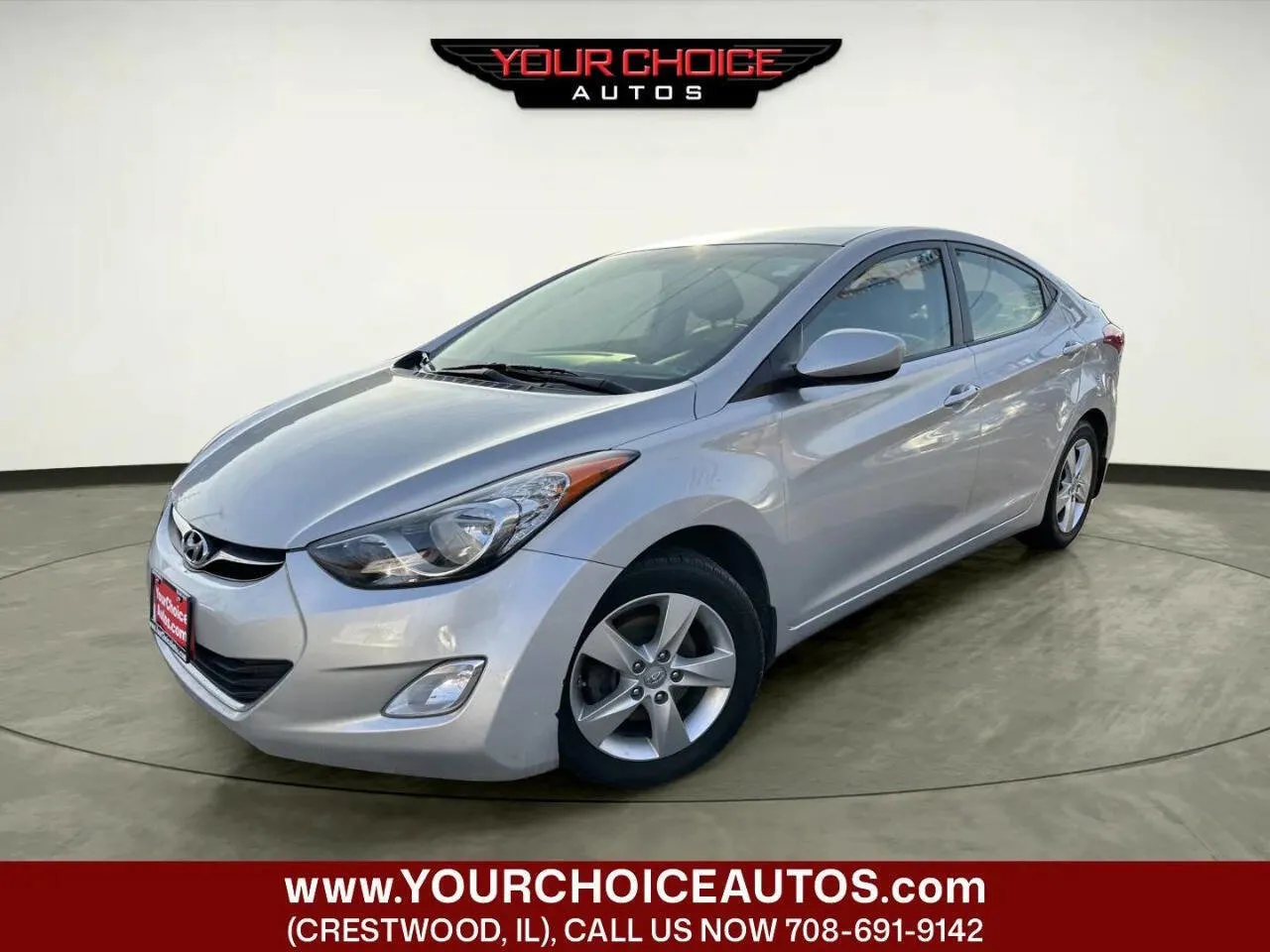
The 2013 Hyundai Elantra GLS stands as a pivotal model in the compact sedan segment, offering a sophisticated "Fluidic Sculpture" design, a 148-horsepower 1.8L engine, and a feature-rich interior that often surpassed its contemporary rivals. While it remains a popular choice on the used market in 2026 due to its aesthetic longevity and initial value proposition, prospective owners must carefully weigh its stylish attributes against well-documented mechanical considerations, particularly regarding engine longevity and steering components.
Understanding the 2013 Elantra GLS Value Proposition
By the 2013 model year, the fifth-generation Hyundai Elantra (MD series) had firmly established itself as a disruptor. The GLS trim, which served as the entry point for most consumers, was designed to challenge the "economy car" stigma. In 2026, looking back at this vehicle’s lifecycle, we can see that Hyundai’s strategy was to offer mid-size car features at a compact price point.
The 2013 GLS was not a "stripper" base model. Instead, it arrived with a standard equipment list that included full power accessories, heated mirrors, keyless entry, and a six-speaker audio system with satellite radio and USB/iPod integration. This level of standard equipment is one reason the car still feels functional and relevant in the current secondary market. However, the true value of the GLS in 2026 depends heavily on its maintenance history and the resolution of known factory defects.
Exterior Design and "Fluidic Sculpture"
One of the most striking aspects of the 2013 Elantra GLS is its exterior styling. Hyundai employed a design language known as "Fluidic Sculpture," characterized by swept-back headlights, a rising beltline, and prominent creases along the side panels.
Aesthetic Durability
Unlike the more conservative designs of the 2013 Toyota Corolla or Honda Civic, the Elantra’s curves have aged remarkably well. In 2026, a well-maintained Elantra GLS does not immediately look like a thirteen-year-old vehicle. The GLS typically came with 15-inch steel wheels with covers, though many were upgraded via the "Preferred Package" to 16-inch alloy wheels, which significantly enhance the vehicle's profile.
Aerodynamics and Efficiency
The design wasn't just for show; it resulted in a drag coefficient of 0.28. This aerodynamic efficiency was a major component of Hyundai’s push for high fuel economy. The sleek shape reduces wind noise at highway speeds, a feature that drivers still appreciate today when comparing the Elantra to louder, more boxy compacts from the same era.
Performance: The 1.8L "Nu" Engine and Transmission
The 2013 Elantra GLS is powered by a 1.8-liter four-cylinder engine from Hyundai’s "Nu" family. This engine was a significant departure from the older "Beta" engines, featuring an aluminum block and head to reduce weight.
Power Output and Drivability
The engine produces 148 horsepower and 131 lb-ft of torque (slightly less in PZEV states like California). For a compact sedan of its weight—roughly 2,700 pounds—this power-to-weight ratio provides adequate acceleration for city driving and highway merging.
Transmission Options
The GLS was available with two six-speed transmissions:
- Six-Speed Manual: Rare in the GLS trim but appreciated by enthusiasts for its light clutch and decent shift feel.
- Six-Speed Automatic with SHIFTRONIC: This was the more common choice. Unlike the CVTs (Continuously Variable Transmissions) that were becoming popular at the time, the Elantra’s traditional torque-converter automatic provides distinct shift points, which many drivers in 2026 find more natural and reliable.
Interior Comfort and Technology
The interior of the 2013 Elantra GLS was designed to feel "wrap-around" and driver-centric. Even in 2026, the ergonomics remain logical, with physical knobs for volume and tuning—a preference that has seen a resurgence among modern car buyers frustrated by all-touch interfaces.
Cabin Space and Materials
The Elantra was technically classified as a "mid-size" car by the EPA due to its total interior volume. The GLS provides 43.6 inches of front legroom, which is competitive even by 2026 standards. While there is a fair amount of hard plastic on the door tops, the touchpoints are generally well-padded.
The Preferred Package
Most GLS models found on the used market today include the "Preferred Package." This is a critical consideration for buyers, as it added:
- 16-inch alloy wheels
- Front fog lights
- Steering wheel-mounted audio controls
- Bluetooth hands-free phone system
- Heated front seats
- Sliding center armrest
Without this package, the GLS is significantly more basic, lacking the connectivity features that many drivers consider essential.
Technical Specifications Table
| Feature | 2013 Hyundai Elantra GLS Specification |
|---|---|
| Engine Type | 1.8L Inline 4-Cylinder (Nu Engine) |
| Horsepower | 148 hp @ 6,500 rpm |
| Torque | 131 lb-ft @ 4,700 rpm |
| Transmission | 6-Speed Manual or 6-Speed Automatic |
| Drivetrain | Front-Wheel Drive (FWD) |
| EPA Fuel Economy (City/Hwy) | 28 / 38 MPG (Restated) |
| Curb Weight | 2,661 to 2,877 lbs |
| Fuel Tank Capacity | 12.8 Gallons |
| Trunk Space | 14.8 Cubic Feet |
| Standard Safety | ABS, Stability Control, 6 Airbags |
Critical Considerations: Reliability and Common Issues
While the 2013 Elantra GLS is an attractive used car, it is not without significant technical concerns. Buyers in 2026 must perform due diligence on several specific areas that have emerged as "weak points" over the last decade.
1. The "Engine Ticking" and Piston Slap
The most serious consideration for the 2013 Elantra is the potential for engine failure related to "piston slap." This often manifests as a loud ticking or knocking noise, especially when the engine is cold. Over time, the piston skirts can wear down the cylinder walls, leading to increased oil consumption and eventual engine seizure.
- Verification: Before purchasing, listen to the engine during a cold start. If a loud, rhythmic knocking is present that does not disappear as the engine warms, the vehicle may require a short-block replacement.
- The 10-Year Warranty: Many of these engines were replaced under Hyundai’s 10-year/100,000-mile powertrain warranty. In 2026, most 2013 models are outside this window, making this a high-stakes repair for the owner.
2. Flexible Steering Column Coupler
A common "clunking" or "clicking" sound when turning the steering wheel is usually caused by a small rubber star-shaped part called the flexible steering coupler. This part often disintegrates over time. While the part itself is inexpensive (often under $10), the labor to pull the steering column apart can be significant. Many owners have already addressed this, but it remains a primary troubleshooting item for high-mileage GLS units.
3. Fuel Economy Restatement
It is worth noting that in late 2012, Hyundai and Kia were required to restate their fuel economy figures after an EPA investigation. The 2013 Elantra was originally marketed as achieving 40 MPG on the highway. This was corrected to 38 MPG. While still efficient, buyers should manage their expectations; real-world mixed driving often results in 30-32 MPG.
4. Suspension Tuning
The rear suspension of the 2013 Elantra uses a torsion beam setup. Some drivers find the rear of the car feels "skittish" or "busy" when hitting bumps mid-corner. This is a characteristic of the design rather than a mechanical failure, but it is a consideration for those accustomed to the more refined multi-link suspensions found in the Honda Civic of the same era.
Safety and Crash Test Performance
For a vehicle produced over a decade ago, the 2013 Elantra GLS maintains a respectable safety profile. It was designated as a Top Safety Pick by the Insurance Institute for Highway Safety (IIHS) for the 2013 model year.
- Airbag System: It features six airbags standard: dual front, front seat-mounted side-impact, and side-curtain airbags.
- Braking: Unlike some competitors that used rear drum brakes on base trims, the Elantra GLS came standard with four-wheel disc brakes and an Anti-lock Braking System (ABS).
- Stability Control: Electronic Stability Control (ESC) and Traction Control (TCS) were standard across all trims, which was a significant selling point for safety-conscious buyers.
Owning a 2013 Elantra GLS in 2026: Maintenance Tips
If you are currently operating or considering a 2013 Elantra GLS in 2026, proactive maintenance is the key to longevity. This vehicle does not use a timing belt; it utilizes a timing chain, which is designed to last the life of the engine. However, other components require attention:
- Oil Selection: Due to the known piston wear issues, using high-quality synthetic oil and maintaining strict 5,000-mile change intervals is highly recommended to minimize friction.
- Transmission Fluid: While Hyundai claimed the automatic transmission fluid was "lifetime," most technicians in 2026 recommend a drain and fill every 60,000 to 80,000 miles to preserve shift quality.
- Electrical Grounds: Some owners report intermittent electronic issues. Often, these can be traced to corroded ground points on the chassis, a common aging symptom in "Fluidic Sculpture" era Hyundais.
- Brake Calipers: The rear calipers are known to seize if the slide pins are not lubricated during routine brake service. Given the age of the car in 2026, checking the calipers for free movement is essential.
Comparative Analysis: GLS vs. The Competition
To provide context for the 2013 GLS, it is helpful to see how it stacked up against its primary rivals.
- 2013 Honda Civic: Generally regarded as more mechanically robust and has better steering feel, but the 2013 Civic's interior was often criticized for being "cheap" and less stylish than the Elantra.
- 2013 Toyota Corolla: The "safe" choice. It offered superior long-term reliability but felt ancient in 2013, still using a 4-speed automatic transmission and lacking modern infotainment options.
- 2013 Ford Focus: Offered a more European driving experience but was plagued by the "PowerShift" dual-clutch transmission failures, making the Elantra GLS a much safer bet for used buyers.
Frequently Asked Questions
Does the 2013 Hyundai Elantra GLS have a backup camera?
Standard GLS models did not come with a backup camera. In 2013, this feature was usually reserved for the Limited trim with the Technology Package. However, many owners in 2026 have installed aftermarket head units that add this functionality.
Is the 2013 Elantra GLS compatible with Apple CarPlay or Android Auto?
The factory head unit in the 2013 GLS does not support Apple CarPlay or Android Auto. The "Preferred Package" provided Bluetooth for calls and music streaming, but for full smartphone integration, an aftermarket double-DIN receiver is required.
How do I know if my Elantra has the "Piston Slap" issue?
Start the car when the engine is completely cold (e.g., after sitting overnight). Listen for a metallic "clack-clack-clack" noise that follows the rhythm of the engine RPMs. If the noise is loud and persistent, it is likely the piston slap issue. A faint ticking is often just the high-pressure fuel injectors, which is normal.
What is the average lifespan of a 2013 Elantra GLS?
With meticulous maintenance, these cars can reach 200,000 miles. However, because of the engine vulnerabilities mentioned, many units without proper oil changes fail between 120,000 and 150,000 miles. Buyers in 2026 should look for vehicles with documented service records.
Are there any recalls I should check for?
Yes, the 2013 Elantra had several recalls, including one for a potential brake pedal stopper pad deterioration (which could keep brake lights on) and others related to airbags. You can verify if a specific VIN has open recalls by visiting the NHTSA Recalls Database.
Final Recommendation for 2026
The 2013 Hyundai Elantra GLS remains a stylish, feature-dense compact sedan that offers a more modern driving environment than many of its contemporaries. It is an excellent choice for a budget-conscious buyer, a student, or as a secondary commuter car, provided one condition is met: the engine must be verified.
If you find a GLS with the Preferred Package, a clean service history, and no signs of engine knocking, it represents significant value in the 2026 used car market. However, if the engine shows any sign of noise or if the owner cannot provide proof of regular oil changes, the risk of a costly engine replacement outweighs the car's aesthetic and feature benefits. Always prioritize a pre-purchase inspection by a mechanic familiar with Hyundai's 1.8L Nu engine architecture.