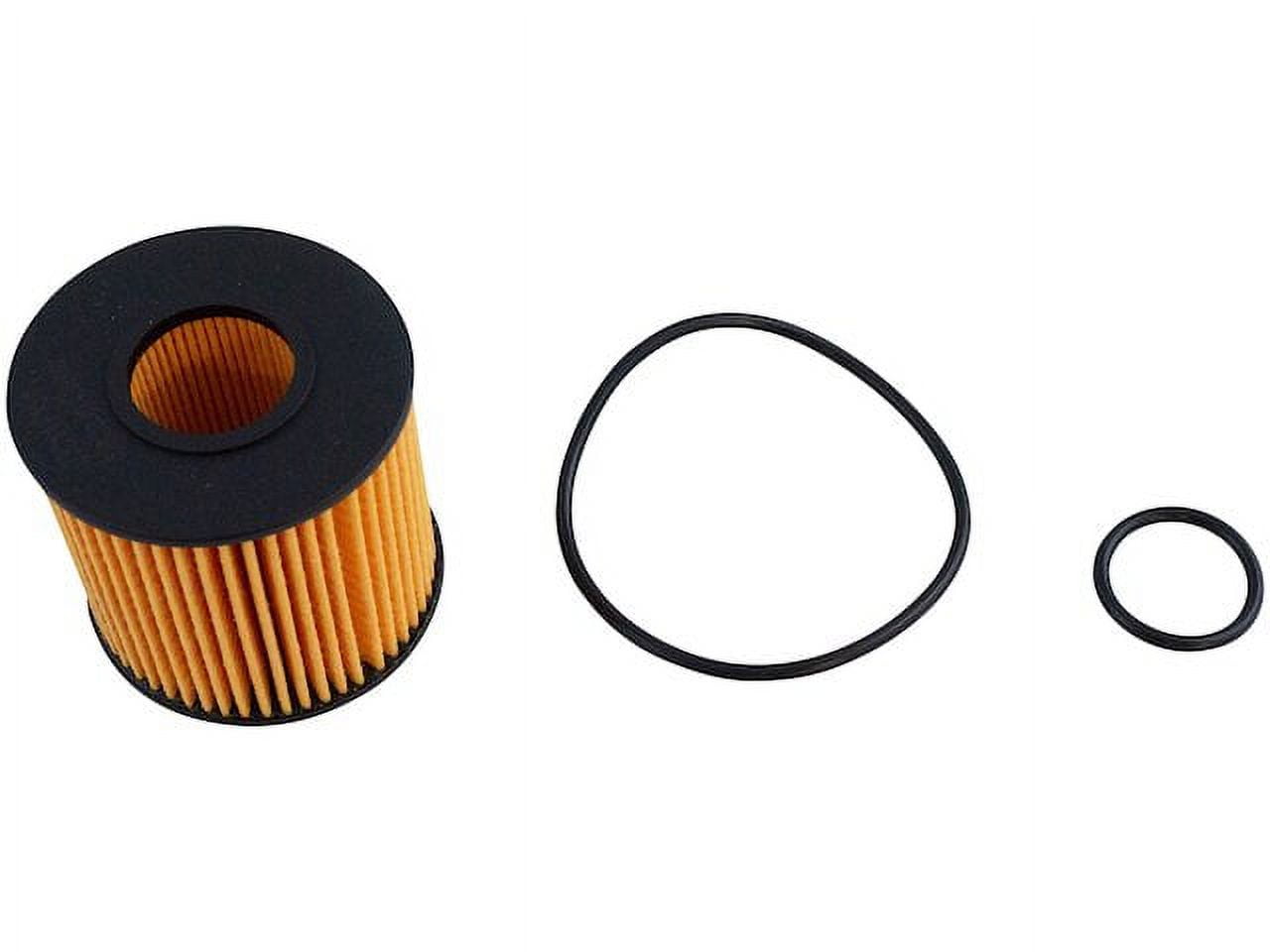
The 2011 Lexus RX350 utilizes a cartridge-style oil filter (Toyota Part #04152-YZZA1) rather than a traditional spin-on metal canister. Over the past fifteen years, filter options have evolved from basic cellulose-based OEM designs to high-efficiency synthetic media capable of protecting high-mileage 2GR-FE engines for up to 20,000 miles between changes.
Understanding the 2011 Lexus RX350 Oil Filter System
The 2011 Lexus RX350 is powered by the 3.5L V6 2GR-FE engine, a workhorse of the Toyota/Lexus lineup. Unlike older vehicles that use a self-contained metal "spin-on" filter, this engine uses a replaceable element housed within a permanent plastic or metal casing. When you change the oil, you replace only the internal pleated filter and two specific rubber O-rings.
In 2011, this design was still relatively new to many DIY mechanics, leading to a learning curve regarding the bypass valve and the housing drain tool. As of 2026, the aftermarket has matured significantly, offering diverse filtration media tailored to the specific needs of an aging luxury SUV. Because the 2011 model year is now fifteen years old, many of these vehicles have crossed the 150,000 or even 200,000-mile threshold, making the choice of oil filter more critical for engine longevity than it was during the vehicle’s initial warranty period.
The cartridge system was primarily designed to reduce environmental waste, as the metal housing of a traditional filter is permanent. However, the complexity of the housing—specifically the torque requirements and the delicate nature of the plastic caps—remains a focal point for maintenance discussions among RX350 owners.
The Evolution of Filtration Media: 2011 to 2026
When the RX350 first rolled off the assembly line, the standard filtration medium was high-quality cellulose (paper). While effective, cellulose has limitations in terms of capacity and structural integrity over long intervals. As oil technology shifted toward full synthetics and extended drain intervals (10,000+ miles), the filters had to adapt.
Cellulose Filters (Standard Duty)
Initially, most owners used the OEM Toyota 04152-YZZA1. These filters use resin-impregnated cellulose. They are excellent for standard 5,000-to-7,500-mile oil changes but can begin to degrade if left in the housing for over a year or during extreme temperature cycles. In 2026, these remain the most cost-effective option for owners who prefer frequent, old-school maintenance schedules.
Synthetic Blend Media
As the vehicle aged, companies like Wix and Purolator introduced "Gold" or "One" tiers. These filters utilize a blend of cellulose and synthetic glass fibers. The synthetic fibers are smaller and more uniform, providing more "catch sites" for microscopic contaminants without restricting oil flow. This was a significant step up for RX350 owners who wanted better protection during the cold starts that are common for these suburban-focused vehicles.
Full Synthetic Wire-Backed Media
In the mid-2020s, high-end options like the Fram Ultra Synthetic and Mobil 1 Extended Performance became the gold standard for the 2GR-FE engine. These filters often feature a dual-layer synthetic media backed by a metal or plastic mesh. This prevents the filter "pleat pinch" or collapse that can occur in cartridge systems under high pressure. For a 2011 RX350 operating in 2026, these are highly recommended to combat the increased carbon buildup and blow-by common in high-mileage engines.
Categorizing Aftermarket Filter Options
Over time, several brands have emerged as leaders for the Lexus RX350. Each offers a different value proposition based on filtration efficiency and build quality.
1. OEM (Toyota/Lexus Genuine)
The 04152-YZZA1 remains the baseline. It includes the necessary plastic drain tool and both O-rings. While it lacks the fancy synthetic media of high-end aftermarket brands, its bypass valve compatibility is guaranteed. Many Lexus purists stick with OEM because the dimensions are precise, ensuring the filter doesn't "rattle" inside the housing.
2. Wix and NAPA Gold (57047)
Wix is widely regarded by professional mechanics for its structural rigidity. The Wix 57047 (and its sibling, the NAPA Gold 7047) features a heavy-duty bypass spring and high-quality silicone O-rings that resist hardening better than the cheaper nitrile versions found in budget filters.
3. Mobil 1 Extended Performance (M1C-251)
Designed specifically for use with high-mileage synthetic oils, the Mobil 1 filter is rated for 99% efficiency at 30 microns. In 2026, this is a top-tier choice for RX350 owners who utilize Mobil 1 or similar high-end lubricants and want to safely push their oil change intervals to 10,000 miles.
4. Fram Ultra Synthetic (XG10158)
Once viewed with skepticism, Fram's "Ultra" line revolutionized the brand's reputation. It uses a metal screen to support the synthetic media. This is particularly important for the 2011 RX350 because if a cartridge filter collapses, it can bypass unfiltered oil directly into the VVT-i (Variable Valve Timing-intelligent) solenoids, leading to costly repairs.
Comparison of 2011 Lexus RX350 Oil Filter Options
The following table compares the primary options available for the 2011 RX350 as of 2026, focusing on their technical specifications and intended use cases.
| Filter Brand/Model | Media Type | Mileage Rating | Efficiency (at 20-30 Microns) | Best Use Case |
|---|---|---|---|---|
| Toyota OEM 04152-YZZA1 | Cellulose | 5,000 - 7,500 | ~95% | Warranty compliance/Basic maintenance |
| Wix 57047 | Synthetic Blend | 7,500 - 10,000 | 99% | Daily driving / High reliability |
| Mobil 1 M1C-251 | Full Synthetic | 15,000 - 20,000 | 99.5% | Extended intervals / High performance |
| Fram Ultra XG10158 | Dual-Layer Synthetic | 20,000 | 99% + | High-mileage engines / Maximum protection |
| K&N PS-7010 | High-Flow Synthetic | 7,500 - 10,000 | 98% | Maximum oil flow in cold climates |
The "Over Time" Shift: Plastic vs. Aluminum Housings
A critical development for the 2011 Lexus RX350 over time has not just been the filter itself, but the housing that holds it. Originally, many 2011 models came with a high-strength plastic (thermoplastic) oil filter cap. Over fifteen years of heat cycles and repeated torqueing, these plastic caps are prone to cracking or becoming "seized."
By 2026, a popular "upgrade" for the 2011 RX350 is to replace the factory plastic housing with the Toyota Genuine Aluminum Housing (Part #15620-31060). This aluminum version is much more durable and eliminates the risk of the housing tabs breaking off during a stubborn removal. When choosing filter options, owners must ensure their filters still include the correct O-rings, as the aluminum housing uses the same seal locations as the plastic version.
Technical Requirements for Installation
Selecting the right filter is only half the battle; the 2011 RX350 requires specific technical steps to ensure the filter functions correctly.
- The Small O-Ring: This goes on the drain plug at the bottom of the housing. Replacing this is essential to prevent slow "weeping" leaks.
- The Large O-Ring: This must be seated in the dedicated groove on the housing body, not against the flange. Misplacing this O-ring is the most common cause of catastrophic oil leaks immediately following a change.
- Torque Specifications: The housing should be torqued to 18 ft-lb (25 Nm). Over-tightening, especially on the original 2011 plastic housings, can lead to hairline fractures that fail under pressure.
- The Drain Tool: Most quality filters (OEM, Wix, Mobil 1) include a plastic nozzle. This is pushed into the bottom of the housing to drain the oil from the canister before you unscrew it, preventing a mess.
High-Mileage Considerations for 2026
As the 2011 Lexus RX350 enters its "senior" years, the engine's internal tolerances may have changed. Older 2GR-FE engines can develop slight sludge if oil changes were neglected in the past.
In 2026, experts recommend using filters with high dirt-holding capacity. A filter might have 99% efficiency, but if it has a small surface area, it will clog quickly and force the engine into "bypass mode." In bypass mode, oil flows around the filter rather than through it to prevent oil starvation. Using a full synthetic, wire-backed filter ensures that even if the engine produces more soot or carbon, the filter can hold those contaminants for the full duration of the oil life without collapsing or triggering the bypass valve prematurely.
Common Pitfalls and Troubleshooting
Despite the longevity of the RX350, certain issues recur regarding its filtration system.
- Housing Seizure: If a filter hasn't been changed in a long time, the O-ring can bond to the metal engine block. Using a 64mm 14-flute forged aluminum wrench is required; generic "strap" wrenches will often fail or damage the 2011-era plastic caps.
- Dry O-Rings: Installing the O-rings without a coating of fresh oil can cause them to bunch or tear during installation. Always lubricate both the large and small rings.
- Missing Perforated Tube: Sometimes, when removing an old filter, the center metal support tube (which is part of the housing) can accidentally be thrown away with the old paper element. Without this tube, the new filter will collapse instantly. Always verify the center support is present before inserting the new cartridge.
FAQ: 2011 Lexus RX350 Oil Filters
Can I use a spin-on filter if I buy an adapter?
While some aftermarket adapters exist to convert cartridge systems to spin-on canisters, they are generally discouraged for the 2011 RX350. The oil pressure requirements and bypass settings of the 2GR-FE engine are precisely tuned for the cartridge flow rate. Conversions can introduce leak points and potentially void any remaining mechanical insurance or service contracts.
How often should I change the filter if I use a 20,000-mile synthetic oil?
Even if the oil is rated for 20,000 miles, it is highly recommended to change the filter every 10,000 miles on a vehicle as old as the 2011 RX350. By 2026, these engines naturally have more "blow-by" (combustion gases leaking past piston rings), which contaminates the oil faster. The filter can only hold so much debris before its efficiency drops.
Are "High Mileage" specific filters different from "Extended Performance" filters?
Yes. High-mileage filters often focus on slightly thicker media or even "seal conditioning" additives embedded in the filter center, though the latter is rare in cartridge formats. Extended performance filters focus on the structural integrity of the synthetic fibers to prevent degradation over long periods. For the RX350, an extended performance filter is generally superior.
Does the 2011 Lexus RX350 require a special wrench for the filter?
Yes, you need a 64mm oil filter housing tool with 14 flutes. It is strongly advised to use a high-quality socket-style tool (like those from Motivx Tools or similar) rather than a universal wrench, as the flutes on the Lexus housing are shallow and easily stripped.
What happens if the oil filter is installed upside down?
The cartridge for the 2011 RX350 is symmetrical. Unlike some other Toyota engines, the 04152-YZZA1 can be installed in either direction within the housing. The critical factor is ensuring it is seated fully over the center perforated tube.
Final Recommendations
For the 2011 Lexus RX350 in the year 2026, the best approach to oil filtration is a blend of modern chemistry and mechanical upgrades. If your vehicle still has the original plastic filter housing, your first "option" should be to replace it with the OEM Toyota aluminum housing.
For the filter itself, if you drive fewer than 7,500 miles a year, the Toyota Genuine 04152-YZZA1 is an excellent, cost-effective choice. However, if you use your RX350 for long commutes, towing, or in extreme climates, upgrading to the Fram Ultra Synthetic or Mobil 1 Extended Performance provides a necessary safety margin for an aging engine. Always prioritize the quality of the O-rings and use a dedicated torque wrench to ensure the housing is sealed correctly without over-stressing the threads.