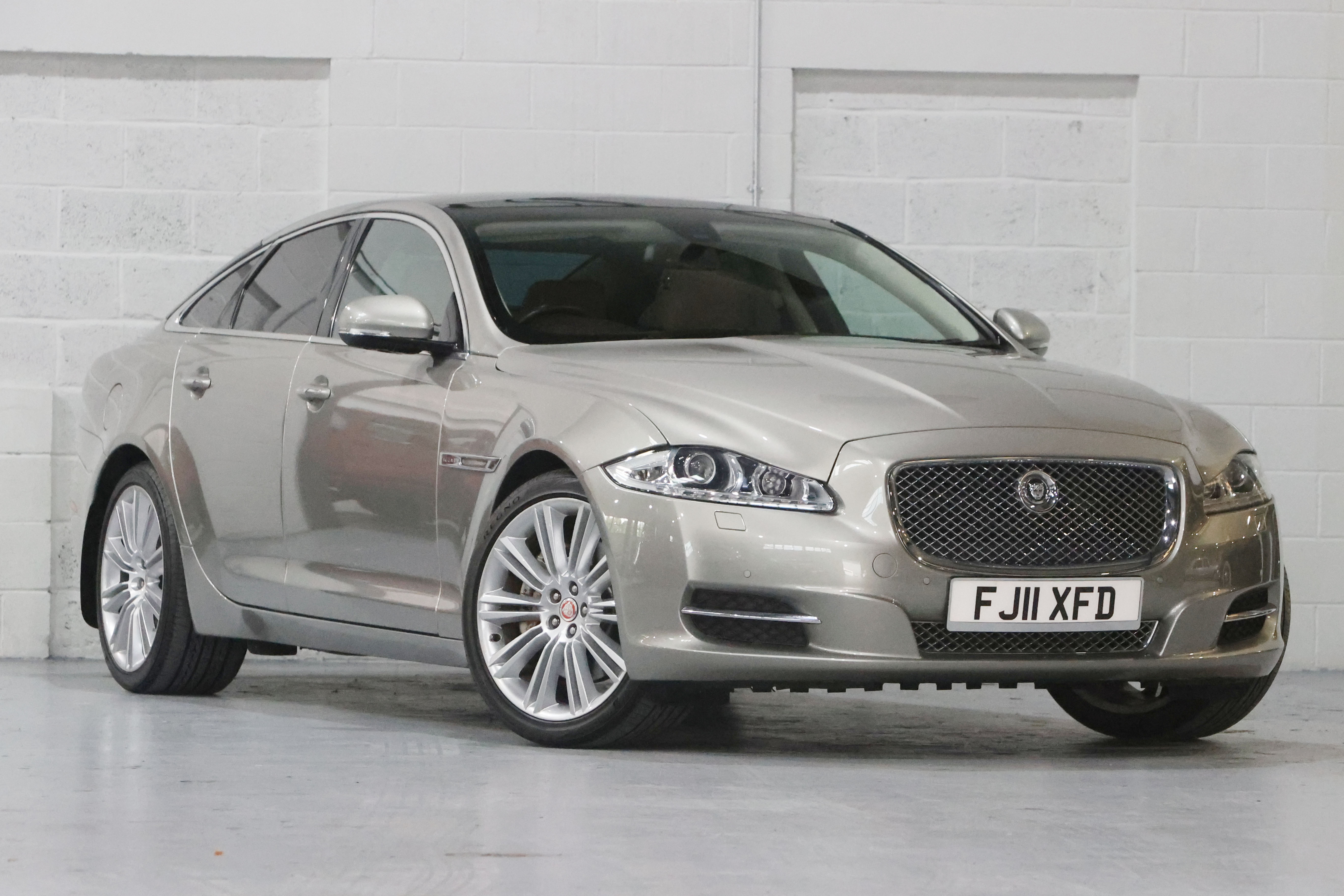
The 2011 Jaguar XJ represented a radical departure from the brand’s traditional styling, ushering in a modern, lightweight aluminum architecture and a bold aesthetic shift. Designed to compete in the full-size luxury sedan segment, this model introduced high-performance engine options, a sophisticated digital cockpit, and an emphasis on driving dynamics that moved the XJ series away from its retro-inspired predecessors into the contemporary era.
The Design Philosophy Shift
The 2011 model year was the inaugural year of the X351 generation, a design that shocked many loyalists by discarding the signature four-round-headlight look of the previous XJ6 and XJ8 models. Under the direction of design chief Ian Callum, the 2011 Jaguar XJ adopted a teardrop-shaped profile, a sweeping panoramic glass roof, and distinctive vertical LED taillights described as "cat claws."
This transition was intentional, aimed at attracting a younger, tech-focused demographic while maintaining the prestige associated with the Jaguar marque. The structure utilized an aluminum-intensive unibody, which significantly reduced weight compared to traditional steel constructions. This reduction in mass was not merely for fuel efficiency but was fundamental to achieving the nimble handling characteristics that distinguish the XJ from its primary German competitors, such as the BMW 7 Series and Mercedes-Benz S-Class.
Powertrain and Performance Specifications
For the 2011 model year, Jaguar offered a range of high-performance engines, all paired with a six-speed ZF automatic transmission. The powertrain lineup was designed to offer seamless power delivery, whether the driver prioritized cruising comfort or aggressive acceleration.
Engine Variants
- 5.0L Naturally Aspirated V8: This base powerplant produced approximately 385 horsepower and 380 lb-ft of torque. It provided linear acceleration and a refined engine note, suitable for daily commuting and grand touring.
- 5.0L Supercharged V8: Stepping up to the Supercharged trim increased output to 470 horsepower and 424 lb-ft of torque. This version utilized a Roots-type twin-vortex supercharger, which eliminated turbo lag and provided instantaneous throttle response.
- 5.0L Supersport V8: The top-tier Supersport model featured the same 5.0L block but tuned to produce 510 horsepower and 461 lb-ft of torque, capable of propelling the large sedan to 60 mph in under five seconds.
The vehicle was available in both standard wheelbase (SWB) and long wheelbase (LWB) configurations. The LWB model provided an additional five inches of rear-seat legroom, targeting the executive transport market where the owner-driver or the chauffeured passenger required maximum interior volume.
Interior Craftsmanship and Technology
The cabin of the 2011 Jaguar XJ was crafted to resemble a luxury yacht, featuring a continuous wood veneer "waistrail" that wrapped around the dashboard and into the door panels. This design choice created a sense of enclosure and intimacy rarely seen in the large sedan segment.
Technologically, the 2011 model introduced the Jaguar iTech system. The primary interface was an eight-inch touch-screen display that managed climate control, satellite navigation, audio, and Bluetooth connectivity. Additionally, the traditional analog instrument cluster was replaced by a high-definition Virtual Instrument display, which projected digital gauges onto a screen, allowing for customizable views and warning alerts. While the interface was innovative for 2011, users today should note that it predates modern smartphone integration like Apple CarPlay or Android Auto, requiring specific auxiliary cables or Bluetooth streaming for audio.
Technical Considerations and Common Maintenance
Purchasing a 2011 Jaguar XJ today requires an understanding of its mechanical complexity. Because this vehicle relies heavily on aluminum-body panels, body repairs can be significantly more expensive than those for steel-bodied vehicles, as they require specialized equipment and certified technicians.
Key Maintenance Areas
- Air Suspension: The XJ utilizes an air suspension system to maintain ride height and comfort. Over time, air springs (struts) can develop leaks. A common symptom is the vehicle "sinking" after being parked for an extended period.
- Cooling System: Like many V8 engines of this era, the cooling system components—including water pumps and plastic coolant crossover pipes—are subject to thermal fatigue. These should be inspected for signs of weeping or cracking during routine service.
- Timing Chain Guides: On the 5.0L V8 engines, specifically early production units, the timing chain tensioners and guides have been documented as potential wear points. Owners are encouraged to monitor for cold-start rattle, which can indicate failing guides.
Comparative Market Position
The 2011 Jaguar XJ occupied a unique middle ground. It lacked the ubiquity of the Mercedes-Benz S-Class and the clinical precision of the Audi A8, but it offered more tactile engagement and aesthetic flair than either. The table below outlines how it compared to its contemporaries in the luxury segment during its production window.
| Feature | 2011 Jaguar XJ | 2011 BMW 7 Series | 2011 Mercedes S-Class |
|---|---|---|---|
| Primary Focus | Driving Dynamics | Technological Suite | Comfort and Prestige |
| Chassis Material | Aluminum | Steel | Steel |
| Standard Infotainment | 8-inch Touchscreen | iDrive Controller | COMAND Knob |
| Suspension Type | Air (Adaptive) | Air (Adaptive) | Air (Adaptive) |
| Engine Configuration | 5.0L V8 (All) | V6, V8, V12 Turbo | V6, V8, V12 Turbo |
Frequently Asked Questions
Does the 2011 Jaguar XJ feature modern smartphone connectivity?
No. The 2011 model was designed before Apple CarPlay and Android Auto became standard. While it offers Bluetooth for hands-free calling and media streaming, it does not support native smartphone projection on its internal display.
Is the air suspension on the 2011 XJ reliable?
The air suspension provides an excellent ride, but it is a complex component. With the vehicle now being over a decade old, many units are on their second or third set of suspension struts. Expect these components to require replacement as part of long-term ownership.
What are the fuel efficiency expectations for the V8 models?
The 5.0L V8 engines are powerful but thirsty. In real-world driving, one should expect approximately 15-18 MPG in mixed conditions. The supercharged variants can see that figure drop further depending on driving habits and the use of the supercharger's performance potential.
Are there significant differences between the SWB and LWB models?
Beyond the five-inch increase in wheelbase and rear legroom, the LWB models are often equipped with higher-tier interior appointments, such as individual rear climate controls and expanded entertainment options for passengers. The LWB also has a slightly larger turning radius due to the longer chassis.
Should I prioritize the Supercharged or the Naturally Aspirated engine?
If you prioritize lower maintenance costs and simplicity, the naturally aspirated engine is more straightforward. If you prioritize performance and the specific driving experience provided by the 510-hp output, the Supercharged or Supersport trims are necessary, though they involve more complex cooling and air induction systems.
Recommendations for Prospective Owners
If you are considering a 2011 Jaguar XJ, prioritize vehicles with a documented service history, particularly regarding the cooling system and timing chain components. Because the 2011 model year was the first of the X351 generation, minor fit-and-finish issues common in early production cycles should be carefully checked.
Given the age of the vehicle in 2026, a pre-purchase inspection performed by an independent shop specializing in British luxury vehicles is essential. Verify that all electronic modules—specifically the infotainment system and the digital instrument cluster—are functioning correctly, as replacing these proprietary units can be costly and difficult to source. Focus your search on well-maintained, lower-mileage examples, as these are increasingly becoming collector-interest vehicles due to their unique place in Jaguar's design evolution.