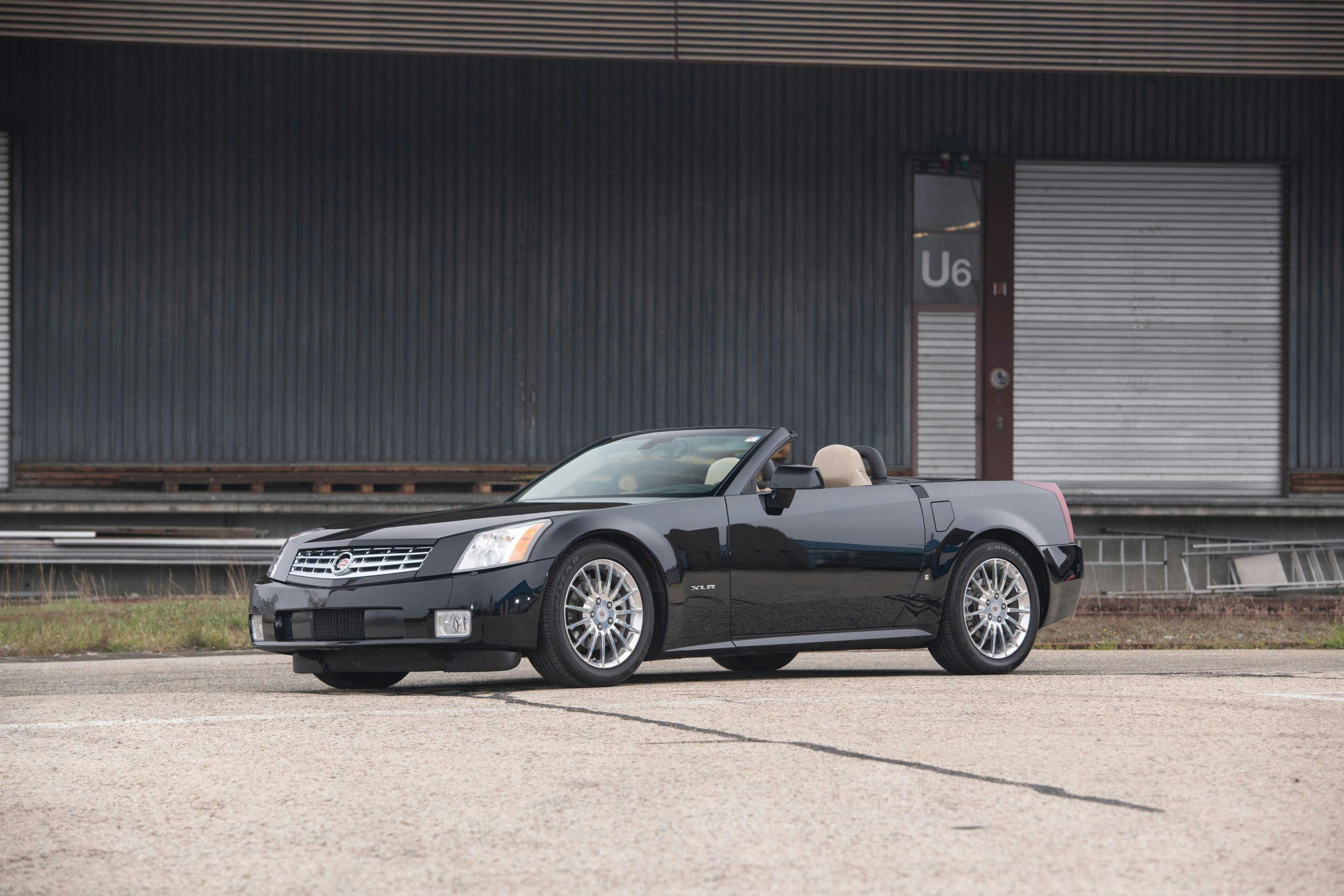
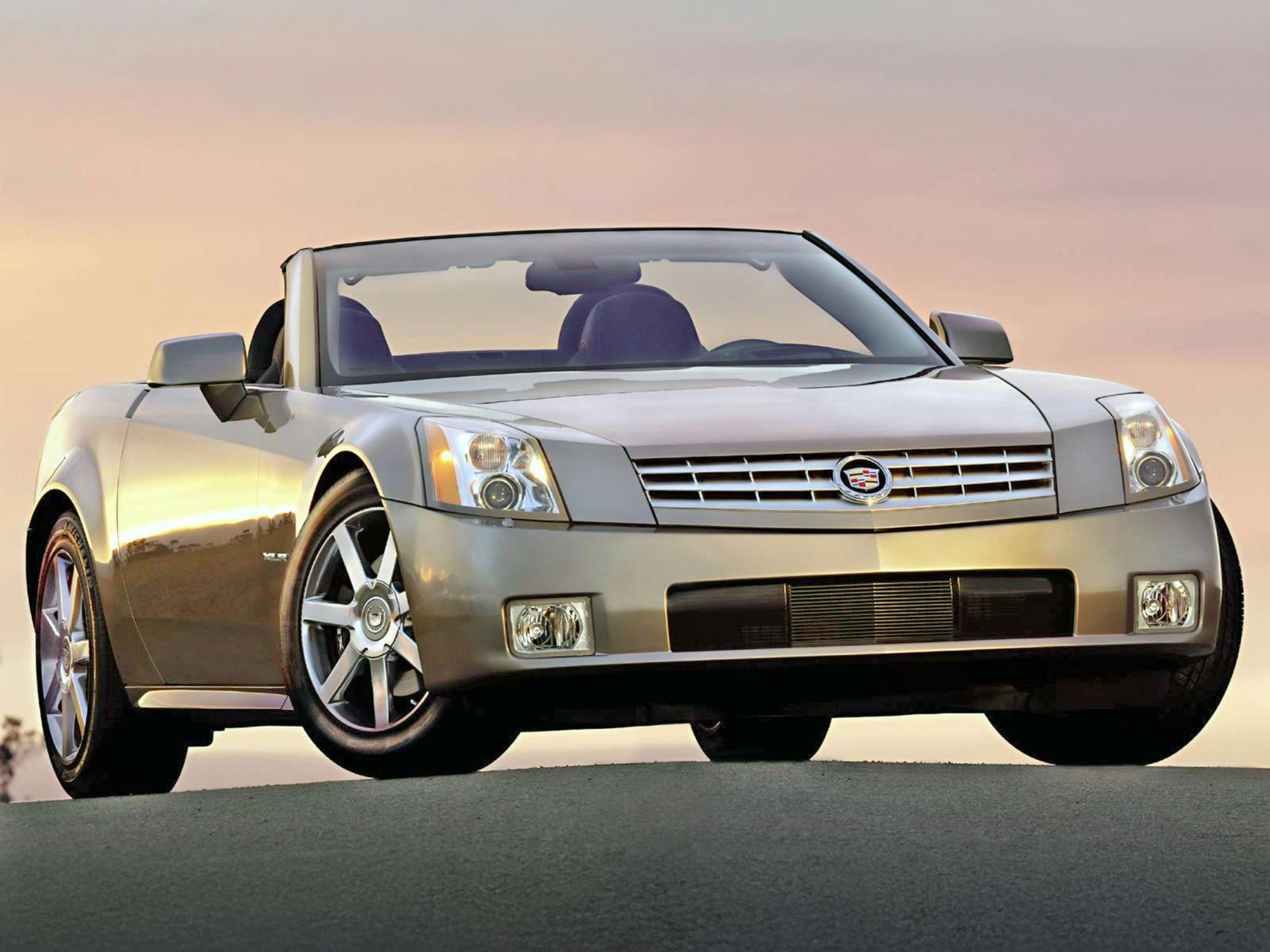
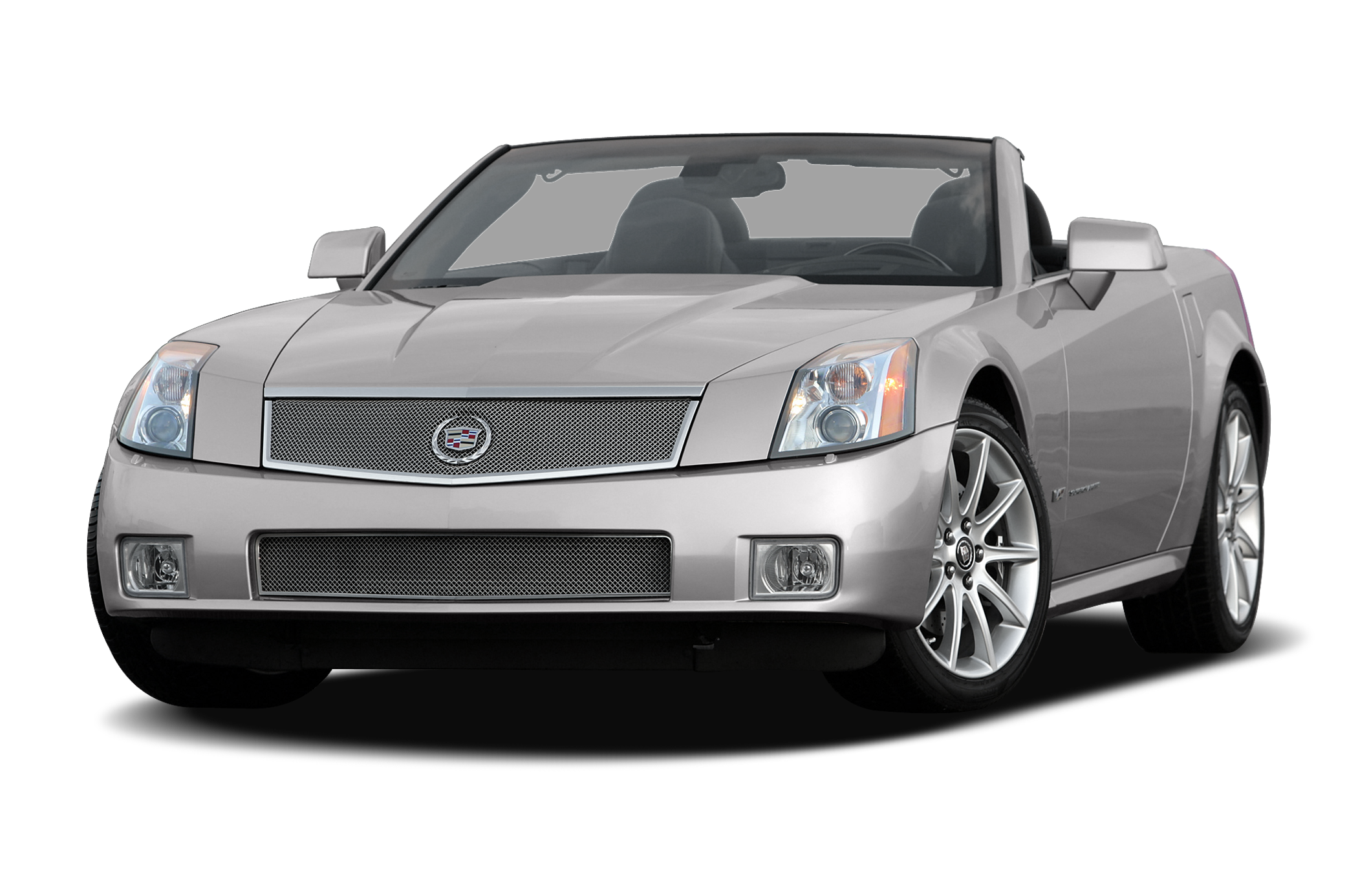
The 2005 Cadillac XLR achieves a 0 to 60 mph time of approximately 5.8 to 5.9 seconds when equipped with its standard 4.6-liter Northstar V8 engine and 5-speed automatic transmission. As Cadillac’s flagship luxury roadster of the mid-2000s, the XLR combined folding hardtop capability and grand touring comfort with sports car dynamics derived from General Motors' rear-wheel-drive Y-body platform, shared structurally with the Chevrolet Corvette.
Introduction to the Cadillac XLR and Its Performance Legacy
When General Motors introduced the Cadillac XLR for the 2004 model year—with the 2005 model following closely as a direct continuation—it represented a radical shift in brand identity. Moving away from traditional, large American land yachts, Cadillac sought to challenge European luxury grand tourers like the Mercedes-Benz SL-Class and the BMW 6 Series. Built on a modified version of the C6 Corvette's hydroformed steel frame and transverse composite leaf spring suspension, the XLR infused high-tech features, angular "Art and Science" styling, and a power-retractable hardtop into a distinctive package.
At the heart of the vehicle's capability is its powertrain. Understanding the 2005 Cadillac XLR 0-60 time requires examining how its engine, transmission, weight, and chassis tuning interact. While it shares deep architectural roots with the Corvette, the XLR was tuned as a luxury cruiser rather than a bare-knuckle track car, resulting in distinct performance metrics, comfort trade-offs, and driving dynamics that define its character today.
Powertrain Specifications and Engineering
The performance of any vehicle begins under the hood, and the 2005 Cadillac XLR relies on a uniquely packaged engine designed specifically to fit longitudinal front-engine, rear-wheel-drive configurations.
The Northstar V8 Engine
For the 2005 model year, the XLR featured a longitudinally mounted 4.6-liter Northstar V8 (LH2). Unlike front-wheel-drive applications of the Northstar engine family, this version was built for rear-wheel-drive layouts.
- Horsepower: 320 hp at 6,400 rpm
- Torque: 310 lb-ft at 4,400 rpm
- Valvetrain: Dual overhead camshaft (DOHC) with four valves per cylinder and variable valve timing (VVT)
- Block and Heads: Cast aluminum block with aluminum cylinder heads
This engine utilized sequential port fuel injection and electronic throttle control. The inclusion of variable valve timing optimized both low-end torque delivery and high-end horsepower, allowing the roadster to accelerate smoothly from a standstill while maintaining highway passing power.
Transmission and Drivetrain
Power is sent to the rear wheels via a Hydra-Matic 5L50-E 5-speed automatic transmission. Unlike many contemporary sports cars that offered manual options, the XLR was strictly automatic for the 2005 model year. The transmission featured electronic shift controls and a Driver Shift Control (DSC) manual tap-shift feature, allowing drivers to manually select gears via the console shifter.
The transaxle layout—where the transmission is mounted at the rear of the car as part of a transaxle assembly (similar to the Corvette)—helped achieve a near 50/50 weight distribution, which significantly aided handling balance during cornering and straight-line stability.
Detailed Performance Breakdown: 0-60 MPH and Beyond
Independent automotive testing conducted by publications such as Car and Driver, Motor Trend, and Road & Track during the vehicle's launch window documented the 2005 Cadillac XLR's acceleration metrics.
Acceleration Figures
- 0 to 30 mph: 2.2 seconds
- 0 to 45 mph: 3.8 seconds
- 0 to 60 mph: 5.8 to 5.9 seconds
- 0 to 100 mph: 14.7 seconds
- Standing Quarter-Mile: 14.2 seconds at approximately 100 mph
- Top Speed: Electronically limited to 155 mph
While a sub-6-second 0-60 mph time was respectable for a luxury grand tourer in 2005, it trailed the Chevrolet Corvette of the same era (which completed the sprint in roughly 4.2 to 4.3 seconds with the LS2 V8). This performance delta was primarily due to two factors: the XLR's heavier curb weight and its luxury-oriented gearing and suspension tuning.
Curb Weight and Power-to-Weight Ratio
The 2005 Cadillac XLR has a curb weight of approximately 3,647 pounds (1,654 kg). The inclusion of the complex power-retractable hardtop mechanism, extensive sound deadening, luxury interior appointments, and structural reinforcements added considerable mass compared to a standard coupe or soft-top roadster.
With 320 horsepower moving nearly 3,650 pounds, the power-to-weight ratio sits at roughly 11.4 pounds per horsepower. This ensures brisk acceleration, though off-the-line launch traction is managed carefully by the vehicle's standard StabiliTrak electronic stability control system and traction control to prevent rear-wheel spin.
Comparative Performance Metrics
To contextualize the 2005 Cadillac XLR 0-60 time, it helps to compare it against its direct competitors and corporate siblings from the mid-2000s era.
| Vehicle | Engine | Horsepower | Curb Weight | 0-60 Time (Estimated/Tested) |
|---|---|---|---|---|
| 2005 Cadillac XLR | 4.6L Northstar V8 | 320 hp | 3,647 lbs | 5.8 seconds |
| 2005 Chevrolet Corvette (C6) | 6.0L LS2 V8 | 400 hp | 3,179 lbs | 4.2 seconds |
| 2005 Mercedes-Benz SL 500 | 5.0L V8 | 302 hp | 3,990 lbs | 5.9 seconds |
| 2005 BMW 645Ci Convertible | 4.4L V8 | 325 hp | 4,079 lbs | 5.6 seconds |
| 2005 Jaguar XK8 Convertible | 4.2L V8 | 294 hp | 3,759 lbs | 6.1 seconds |
As demonstrated in the comparison, the XLR held its own against V8-powered German and British luxury rivals, matching or beating the Mercedes SL 500 and Jaguar XK8 while offering distinct American styling and technology features.
Chassis Dynamics and Magnetic Ride Control
Acceleration figures tell only part of the story. The 2005 XLR featured advanced chassis engineering that influenced how power was deployed to the pavement.
Magnetic Ride Control (MRC)
Standard equipment on the XLR was Magnetic Ride Control, a suspension technology originally pioneered on the Corvette and later adopted by Ferrari and other high-end manufacturers. The system utilizes magnetorheological dampers filled with iron particles suspended in synthetic fluid.
Sensors read the road surface up to 1,000 times per second, altering the magnetic field within the shocks to change damping firmness almost instantaneously. This allowed the 2005 XLR to switch between a supple, compliant ride over rough highway surfaces and firm body control during aggressive cornering, minimizing squat during heavy acceleration and dive during braking.
Braking and Wheels
Stopping power matched the straight-line performance. The XLR utilized four-wheel vented disc brakes with anti-lock braking systems (ABS) and dynamic brake proportioning.
- Front Rotors: 12.8 inches (ventilated)
- Rear Rotors: 12.0 inches (ventilated)
- Wheels and Tires: 18-inch polished aluminum wheels wrapped in run-flat performance tires (typically P235/50R18).
Independent testing recorded a 70-0 mph braking distance of approximately 165 feet, providing secure stopping power suitable for a high-performance grand tourer.
Practical Considerations for Buyers and Enthusiasts
For prospective buyers, collectors, or automotive enthusiasts evaluating a 2005 Cadillac XLR today, performance metrics are only part of the ownership equation.
Maintenance and Common Issues
- Northstar Head Bolt Concerns: Earlier front-wheel-drive Northstar engines were notorious for head gasket failures due to stripped block threads. The rear-wheel-drive LH2 engine in the XLR benefited from a revised block design and coarser thread pitch, making this issue significantly less common, though cooling system maintenance remains critical.
- Retractable Hardtop Complexity: The hydraulic roof mechanism features numerous sensors, switches, and actuators. Ensuring proper operation of the top is essential, as mechanical repairs can be labor-intensive and costly.
- Electronic Components: The XLR was packed with cutting-edge technology for 2005, including a head-up display (HUD), adaptive cruise control (on select trims), keyless access, and a touchscreen navigation system. Verifying the functionality of these modules is vital during inspection.
Fuel Economy
Driven in mixed conditions, the 2005 Cadillac XLR returns EPA fuel economy estimates of roughly 15 mpg city and 22 mpg highway, reflecting the performance demands of its V8 engine and traditional automatic transmission.
Frequently Asked Questions
What is the official 0-60 time of a stock 2005 Cadillac XLR?
A stock 2005 Cadillac XLR accelerates from 0 to 60 mph in approximately 5.8 to 5.9 seconds under optimal track conditions, utilizing its 320-horsepower 4.6L Northstar V8 engine.
Is the 2005 Cadillac XLR faster than a base C6 Corvette?
No. While the XLR shares a platform and suspension geometry with the Chevrolet Corvette, the Corvette is significantly lighter (by nearly 500 pounds) and features a larger 6.0-liter LS2 V8 engine producing 400 horsepower, allowing it to complete the 0-60 sprint in roughly 4.2 seconds.
Does the 2005 Cadillac XLR have a manual transmission option?
No manual transmission was offered for the 2005 model year. The car is exclusively equipped with a Hydra-Matic 5-speed automatic transmission featuring manual shift controls.
What is the top speed of the 2005 Cadillac XLR?
The top speed of the 2005 Cadillac XLR is electronically limited to 155 mph (250 km/h).
How does the folding hardtop affect performance?
The power-retractable hardtop adds weight to the rear of the vehicle, which elevates the overall curb weight to about 3,647 pounds. While this slightly reduces straight-line acceleration compared to lighter fabric-top or fixed-roof competitors, the chassis remains rigid and well-balanced.
Conclusion and Next Actions
The 2005 Cadillac XLR occupies a unique space in automotive history as a bold, technologically ambitious American grand tourer. Its 0-60 time of 5.8 seconds delivers confident, effortless acceleration suited to relaxed highway cruising or spirited backroad driving, even if it falls short of dedicated track-focused sports cars. For those considering purchasing or maintaining an XLR, prioritizing a comprehensive pre-purchase inspection—specifically checking the convertible top hydraulics, cooling system, and electronic accessories—will ensure a rewarding ownership experience of this distinctive folding-hardtop roadster.