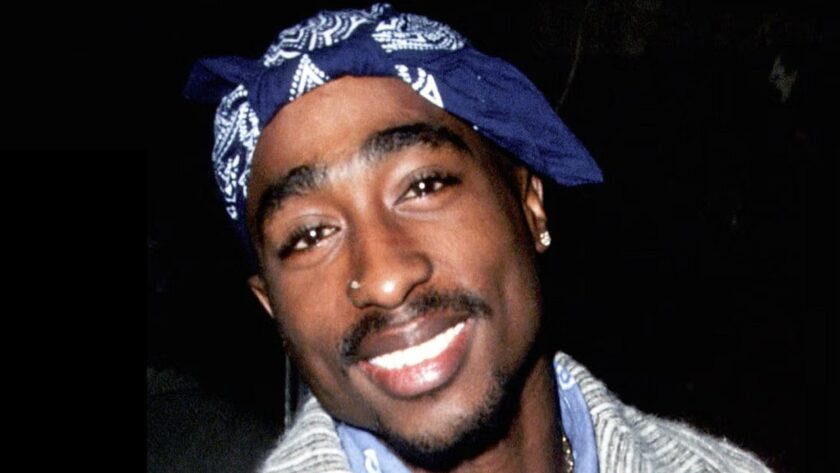
At the time of his tragic death in September 1996, Tupac Shakur’s net worth was estimated to be between negative amounts and a few hundred thousand dollars in cash assets, yet his true financial legacy carried millions in potential earnings and mounting debts. While he was one of the most visible and highest-selling recording artists in the world, predatory record contracts, massive legal defense fees, luxury expenses, and complex estate obligations meant that his immediate liquid net worth at the moment of his passing did not reflect the enormous commercial value of his catalog.
Understanding Tupac Shakur’s Financial Standing in 1996
Evaluating the net worth of Tupac Shakur (often searched as 2Pac) at the time of his death requires peeling back the layers of a complex financial ecosystem. In the mid-1990s, the hip-hop industry operated under vastly different economic standards than it does today. Record deals frequently favored labels over artists, and high-profile performers like Shakur often found themselves locked into arrangements that required massive output just to stay afloat financially.
When Shakur signed with Death Row Records in late 1995, the deal was heavily publicized as a multi-million-dollar contract. Suge Knight, the head of Death Row Records, reportedly posted a $1.4 million bail to secure Shakur's release from Clinton Correctional Facility, an advance that Shakur was obligated to repay through his subsequent album sales. Consequently, much of his earning potential was immediately earmarked to cover recording costs, video production budgets, legal fees, and label-provided luxuries such as cars, security, and housing.
Financial assessments conducted by estate administrators and entertainment analysts in the years following his death revealed that Shakur’s bank accounts contained relatively modest sums compared to his cultural footprint. His immediate liquid assets were largely offset by substantial debts, including advances from Death Row Records, unpaid legal defense retainers, and personal loans. However, the true turning point for his financial profile occurred posthumously, transforming his estate from a modest or debt-laden enterprise into a multi-million-dollar asset-generating machine.
The Mechanics of Death Row Records and Recording Contracts
To understand why 2Pac’s net worth at his death was constrained, one must examine the financial structure of Death Row Records. Shakur joined the label while serving a prison sentence, and the arrangement that brought him out of incarceration was structured as an advance against future royalties rather than an outright gift or unencumbered signing bonus.
Under the terms of his agreement:
- Death Row Records covered his multi-million-dollar legal bail and appeal bonds.
- The label financed the recording sessions for All Eyez on Me, which required expensive studio time, mixing, and guest features.
- Day-to-day living expenses, personal security details, and transportation were advanced by the label and deducted from Shakur's royalty earnings.
As a result, despite selling millions of units of All Eyez on Me and completing the tracks for The Don Killuminati: The 7 Day Theory, Shakur's royalty statements showed significant deductions. In the music industry, artists frequently do not see substantial net profits from record sales until all recording costs, video budgets, and promotional advances are fully recouped by the label. Because Shakur's career was cut short at age 25, he had limited time to clear these financial thresholds and accumulate unencumbered personal wealth.
Assets, Liabilities, and Estate Valuation
At the time of his death on September 13, 1996, Tupac Shakur’s estate was balanced between tangible personal property and significant financial obligations. Unlike modern artists who often hold diverse portfolios of tech investments, real estate holdings, and corporate equity, Shakur's wealth was concentrated primarily in his future music royalties, personal effects, and motor vehicles.
| Asset or Liability Type | Description / Estimated Status at Death | Financial Impact on Net Worth |
|---|---|---|
| Liquid Cash & Bank Accounts | Modest balances across personal checking and savings accounts. | Minimal immediate liquidity. |
| Record Royalties | Earnings from Interscope and Death Row releases (Me Against the World, All Eyez on Me). | Subject to heavy recoupment and label advances. |
| Legal Debts & Bail Advances | Outstanding balance owed to Death Row Records for bail and legal defense. | Substantial liability reducing net worth into negative or near-zero territory. |
| Tangible Personal Property | Jewelry, clothing, notebooks containing unreleased lyrics, and vehicles. | Moderate value at auction, highly volatile. |
| Publishing Rights | Control over songwriting and publishing shares prior to estate consolidation. | Foundation for future long-term estate valuation. |
The liabilities associated with his legal battles were a major drain on his resources. Throughout 1994, 1995, and 1996, Shakur faced multiple civil lawsuits and criminal trials that required expensive legal representation. Retainers for high-profile defense attorneys consumed hundreds of thousands of dollars, exhausting cash reserves that might otherwise have built a traditional personal fortune.
The Role of Afeni Shakur and Posthumous Financial Recovery
The trajectory of Tupac Shakur’s financial legacy shifted dramatically due to the management of his mother, Afeni Shakur. Appointed as the special administrator and later executor of his estate, Afeni Shakur undertook a rigorous legal and business strategy to audit record labels, reclaim unreleased master recordings, and reorganize the management of her son's intellectual property.
Through aggressive legal maneuvers and renegotiations, the estate successfully:
- Audited Death Row Records and associated entities to ensure accurate accounting of unpaid royalties.
- Secured the rights to vast archives of unreleased music, poetry, and video footage stored in studio vaults.
- Established Amaru Entertainment, an independent production company formed to control and release Shakur's posthumous catalog directly, maximizing profit margins.
These actions transformed a estate initially burdened by debt and contractual disputes into a thriving corporate entity. Posthumous albums such as R U Still Down? (Remember Me), Until the End of Time, and Better Dayz sold millions of copies globally, generating substantial revenue streams that dwarfed his lifetime earnings. Furthermore, licensing agreements for merchandise, documentaries, and biographical projects steadily increased the overall valuation of the estate.
Common Misconceptions Regarding Celebrity Net Worth
Public perception of celebrity wealth is frequently distorted by lifestyle displays, media reporting, and the massive gross revenues generated by successful albums. When consumers see luxury cars, custom jewelry, and sprawling mansions in music videos or promotional materials, they often equate visibility with unencumbered liquid net worth.
In the case of Tupac Shakur, several factors commonly lead to inflated estimates of his wealth at the time of his death:
- Gross Revenue vs. Net Profit: Album sales numbers reflect gross consumer spending, not the percentage that reaches the artist's pocket after distribution fees, manufacturing costs, producer royalties, and label recoupments.
- Asset Valuation Timing: Many sources cite multi-million-dollar valuations for Shakur's estate, but these figures typically represent evaluations made years or decades after his death, driven by posthumous releases and inflation of master recording values.
- Debt Obfuscation: Financial obligations such as label loans and legal debts are rarely publicized with the same prominence as record sales milestones, leading to an incomplete picture of an artist's net worth balance sheet.
Recognizing these distinctions provides a realistic understanding of why an icon of Shakur's stature possessed a relatively modest or debt-constrained net worth on the exact day of his passing, despite building an intellectual property empire that would endure for generations.
Frequently Asked Questions
What was Tupac Shakur's exact net worth when he died?
At the time of his death in 1996, Shakur's net worth was estimated to be near zero or negative due to heavy legal debts, unpaid advances, and production costs owed to record labels. While his catalog held immense future value, his immediate liquid assets and liabilities left him with little personal cash reserve.
Who inherited Tupac Shakur's estate?
Following his death, control of his estate passed to his mother, Afeni Shakur. She managed his intellectual property, established Amaru Entertainment, and fought successful legal battles to reclaim his unreleased master recordings and secure proper royalty payments.
How did Tupac make money after he died?
Posthumous earnings were generated primarily through the release of previously unrecorded tracks and completed studio material, which resulted in multi-platinum albums like R U Still Down? and Until the End of Time. Additional revenue came from merchandise licensing, biographical films, documentaries, and publishing rights.
Did Death Row Records owe Tupac money?
Yes. Legal audits initiated by Afeni Shakur revealed that Death Row Records and associated corporate entities owed substantial unpaid royalties. Subsequent legal settlements and restructuring allowed the estate to recover millions of dollars in withheld earnings from his time with the label.
Practical Next Actions and Further Reading
For those examining the business mechanics of the music industry and celebrity estates, reviewing the legal histories of 1990s record contracts provides critical context. Analysts and researchers examining estate law should consult public court records from Los Angeles County Superior Court regarding the administration of the Shakur estate, as well as published biographies detailing the operational history of Death Row Records and Interscope Records. Understanding these financial structures demystifies the gap between cultural impact and immediate personal wealth in the entertainment industry.