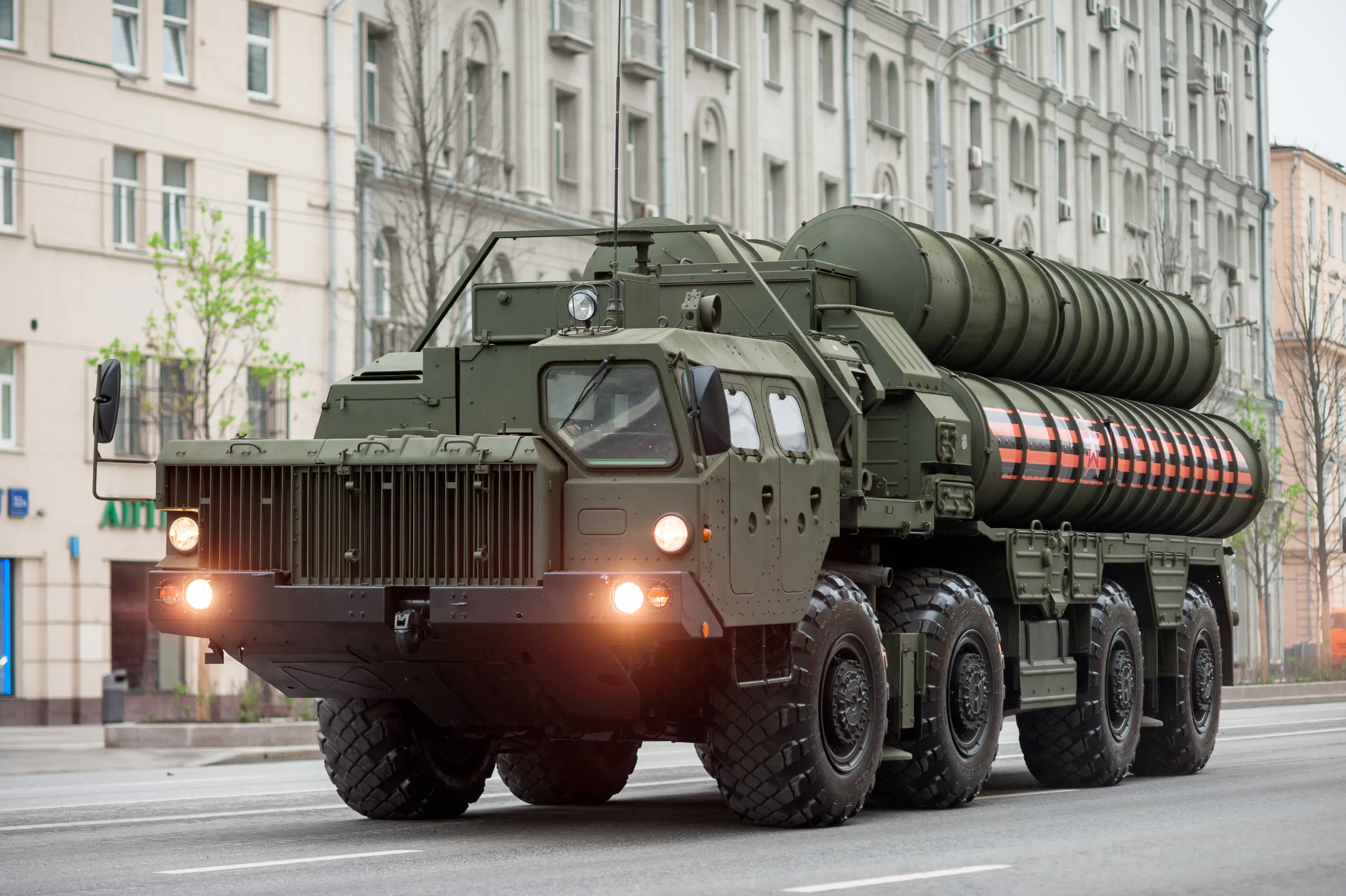
The deployment of the S-300 long-range surface-to-air missile system by Iran represents a significant milestone in the country's multi-layered air defense modernization efforts. Spanning decades of diplomatic negotiations, contract suspensions, legal disputes, and eventual delivery of upgraded variants, this acquisition fundamentally shifted regional military calculations by enhancing Iran's capability to deter high-altitude aerial threats and project strategic denial over contested airspace.
Strategic Context and Modernization Imperatives
To understand the scope of the Iranian S-300 deployment, one must first examine the historical state of Iran’s integrated air defense network. Following the 1979 Islamic Revolution, Iran inherited a legacy inventory primarily composed of aging American-supplied hardware, such as the MIM-23 Hawk and the Grumman F-14-launched systems, which suffered from severe spare parts shortages and technological obsolescence due to international arms embargoes.
Throughout the late 20th and early 21st centuries, the Islamic Republic sought to bridge this strategic gap through domestic reverse-engineering efforts and alternative foreign acquisitions. However, indigenous systems like the Bavar-373 were still in early development phases during the 2000s, leaving a critical vulnerability against modern electronic warfare, stealth aircraft, and precision-guided munitions wielded by advanced regional and extra-regional air forces.
The acquisition of a reliable, high-altitude, long-range surface-to-air missile system became an absolute operational imperative for Tehran. Protecting vital nuclear facilities, command-and-control nodes, and economic infrastructure necessitated a defensive umbrella capable of engaging multiple targets simultaneously across extended ranges. The S-300 platform was identified as the premier off-the-shelf solution capable of meeting these stringent defensive criteria.
Historical Timeline: Contracts, Suspensions, and Delivery
The acquisition path of the S-300 system to Iran is marked by significant geopolitical friction. The initial contract was signed between Tehran and Moscow in 2007, valued at approximately $800 million, for the delivery of the S-300PMU-1 variant. At the time, the agreement proceeded despite international unease, as conventional defensive arms sales were not strictly prohibited under existing United Nations Security Council resolutions.
However, implementation faced severe geopolitical hurdles. In June 2010, the United Nations Security Council passed Resolution 1929, imposing tougher sanctions on Iran due to its disputed nuclear program. Following this resolution, and under intense pressure from the United States and Israel, then-Russian President Dmitry Medvedev issued a decree in September 2010 halting the fulfillment of the contract, citing the prohibition of delivering sophisticated air defense hardware under the new sanctions framework.
This suspension triggered a diplomatic and legal crisis. Tehran responded by filing a multi-billion-dollar lawsuit against the state-owned arms exporter Rosoboronexport in the International Court of Arbitration in Geneva. For nearly five years, the contract remained frozen. The geopolitical landscape shifted decisively in 2015 following the conclusion of the Joint Comprehensive Plan of Action (JCPOA). With diplomatic channels opening and international sanctions facing relaxation, Russian President Vladimir Putin lifted the ban on the delivery of the S-300 systems in April 2015. By 2016, the delivery of the revised and upgraded S-300PMU-2 (Favorite) variant was reported completed, marking the closure of a contentious chapter in bilateral defense trade.
Technical Specifications and System Architecture
The variant delivered to Iran—widely identified as the S-300PMU-2 "Favorite" (NATO reporting name: SA-20B Gargoyle)—is a highly capable mobile air defense system designed to intercept tactical aircraft, cruise missiles, and theater ballistic missiles. Understanding its technical architecture clarifies why its deployment altered the operational calculus for opposing air planners.
| System Component | Technical Function | Operational Capability |
|---|---|---|
| Command Post (CP) | Centralized battle management | Coordinates up to 6 fire units simultaneously, tracks up to 300 targets. |
| 30N6E2 Radar | Engagement and fire control radar | Multi-frequency target illumination, missile guidance in heavy clutter. |
| 64N6E2 Radar | Target acquisition and surveillance | 360-degree detection range up to 300 kilometers against high-flying targets. |
| 5P85TE2 Transporter | Mobile vertical launch platform | Semi-trailer configuration carrying four ready-to-fire tubular missiles. |
| 48N6E2 Missile | Primary interceptor armament | Range up to 200 km, semi-active radar homing, high single-shot kill probability. |
The S-300PMU-2 architecture excels in its ability to operate within a heavily contested electromagnetic spectrum. The inclusion of advanced phased-array radar systems provides robust resistance against electronic jamming and chaff deployment. Furthermore, the vertical cold-launch mechanism allows missiles to be ejected upwards before rocket motor ignition, enabling 360-degree engagement coverage without mechanical launcher repositioning.
Operational Deployment Pattern and Geographic Distribution
Upon receipt of the system components, the Iranian military integrated the S-300 into the Khatam al-Anbia Air Defense Base, the specialized branch responsible for safeguarding Iranian airspace. Strategic positioning of these batteries reflects a deliberate effort to shield high-value national assets from prospective aerial incursions.
Key deployment sites identified through commercial satellite imagery and official military disclosures include installations near:
- Natanz: Protecting the primary uranium enrichment facility from potential stand-off munitions and penetrating strikes.
- Fordow: Providing heavy air defense coverage for the subterranean nuclear facility embedded within the mountains near Qom.
- Isfahan: Guarding critical aerospace industrial complexes, nuclear research reactors, and military command centers.
- Tehran: Bolstering the capital's inner ring of anti-access/area-denial (A2/AD) architecture.
This geographic dispersion creates a layered defensive zone. While short- and medium-range indigenous systems (such as the Raad and Bavar series) cover low-altitude and point-defense scenarios, the S-300 batteries provide an upper-tier umbrella capable of engaging threats at extended standoff distances, forcing hostile aircraft to operate at extreme ranges or employ high-risk standoff tactics.
Strategic Implications and Regional Balance
The operationalization of the S-300 system had immediate repercussions for regional stability and military planning among neighboring states and foreign powers. By introducing a modern, highly mobile long-range SAM network, Iran significantly raised the cost of any potential airborne military operation within its sovereign borders.
For regional adversaries, particularly Israel, the deployment necessitated adjustments in tactics, training, and equipment acquisition. Stealth platforms, such as the F-35 Lightning II, assumed heightened importance in operational planning, as fifth-generation aircraft are designed to minimize radar cross-sections against the frequency bands utilized by systems like the S-300. Additionally, the presence of these systems accelerated the development and deployment of advanced electronic warfare, cyber-attack capabilities, and stand-off munitions designed to suppress or blind air defense radars before committing crewed platforms to hostile airspace.
Furthermore, the successful acquisition demonstrated Iran's ability to navigate complex great-power diplomacy, securing strategic hardware from Russia despite intense Western opposition. It also provided Iranian military engineers with invaluable technical insights into modern Russian surface-to-air missile design, influencing subsequent domestic defense development programs.
Operational Limitations and Vulnerabilities
Despite its formidable reputation, the S-300PMU-2 is not an impenetrable shield. Modern military analysts note several inherent vulnerabilities and operational limitations that define its deployment context:
- Saturation Attacks: While the system can track numerous targets, the number of simultaneous missile guidance channels per fire unit limits the volume of incoming threats it can engage effectively at any given moment.
- Electronic Countermeasures (ECM): Advanced cognitive electronic warfare and persistent signal jamming can degrade radar tracking accuracy, complicating target acquisition in intense conflict environments.
- Suppression of Enemy Air Defenses (SEAD): Dedicated anti-radiation missiles and coordinated multi-axis drone swarms present persistent threats to mobile radar units if not adequately defended by short-range point defense systems.
- Logistial Dependency: Reliance on specialized spare parts, proprietary maintenance protocols, and software updates creates long-term sustainment challenges under stringent sanctions regimes.
These factors ensure that while the deployment of the S-300 represents a qualitative leap in Iran's defensive posture, it remains part of a dynamic tactical equation rather than an absolute guarantee of airspace invulnerability.
Summary and Future Outlook
The deployment of the S-300 system stands as a defining chapter in Iran's military history. Overcoming political roadblocks, legal battles, and international sanctions, Tehran successfully acquired and integrated a premier long-range air defense platform that anchors its contemporary A2/AD strategy. As military technology continues to evolve toward hypersonic velocities, artificial intelligence-driven swarms, and advanced stealth, the ongoing utility of these platforms will depend on continuous modernization, software upgrades, and seamless integration with indigenous Iranian defense networks.