When evaluating personal auto insurance policies via comparison platforms like insurancequotes.org, consumers must recognize that standard coverage primarily protects personal vehicles driven for commuting, errands, and leisure, while strictly excluding commercial use, business deliveries, and rideshare operations without proper endorsements. Standard policies typically combine liability, collision, comprehensive, and personal injury protection, but understanding the precise boundaries of these protections requires careful review of policy declarations, exclusions, and state-specific statutory requirements.
The Core Architecture of a Personal Auto Insurance Policy
A personal auto insurance policy is a legal contract between an individual vehicle owner and an insurance provider. The primary intent of this contract is to provide financial protection against physical damage and legal liability resulting from motor vehicle accidents. However, these policies are meticulously structured around specific definitions of "use," "driver," and "vehicle."
When exploring auto insurance options through digital aggregators or educational resources, policyholders often assume broad protection. In reality, a standard personal auto policy (often based on standard Insurance Services Office or ISO forms) contains strict parameters. It is designed to cover private passenger automobiles owned or leased by individuals or resident family members. Vehicles used for commercial enterprises, public transportation, or regular business hauling fall outside the scope of personal coverage, necessitating specialized commercial or business auto policies.
To fully grasp how personal auto insurance functions, one must examine its core components. Every standard policy is typically divided into distinct coverage sections, each addressing a unique type of risk or financial exposure. These components do not operate in isolation; rather, they function as an integrated safety net designed to mitigate catastrophic financial loss.
Third-Party Liability Protection
Liability coverage forms the foundational bedrock of nearly all state-mandated auto insurance requirements. It protects the policyholder when they are at fault in an accident that causes bodily injury or property damage to others.
- Bodily Injury Liability: This component covers medical expenses, rehabilitation costs, lost wages, and legal defense fees if the policyholder injures or kills someone in an accident. It also extends to pain and suffering settlements awarded in legal judgments.
- Property Damage Liability: This covers the cost of repairing or replacing other people's property damaged by the insured vehicle, such as other cars, guardrails, utility poles, fences, and buildings.
State laws establish minimum limits for liability coverage, but these minimums are frequently insufficient to cover the total costs of a severe collision. Consequently, financial experts often recommend purchasing limits higher than the state minimums to protect personal assets from civil lawsuits.
First-Party Physical Damage Coverages
While liability insurance pays for damage inflicted on others, physical damage coverages pay for repairs to the insured's own vehicle. These coverages are optional from a legal standpoint, though auto lenders and leasing companies invariably require them until the vehicle is fully paid off.
- Collision Coverage: This pays for damage to the insured vehicle resulting from a collision with another vehicle or a stationary object, such as a tree, bridge, or building, regardless of fault. It also covers rollovers and pothole damage.
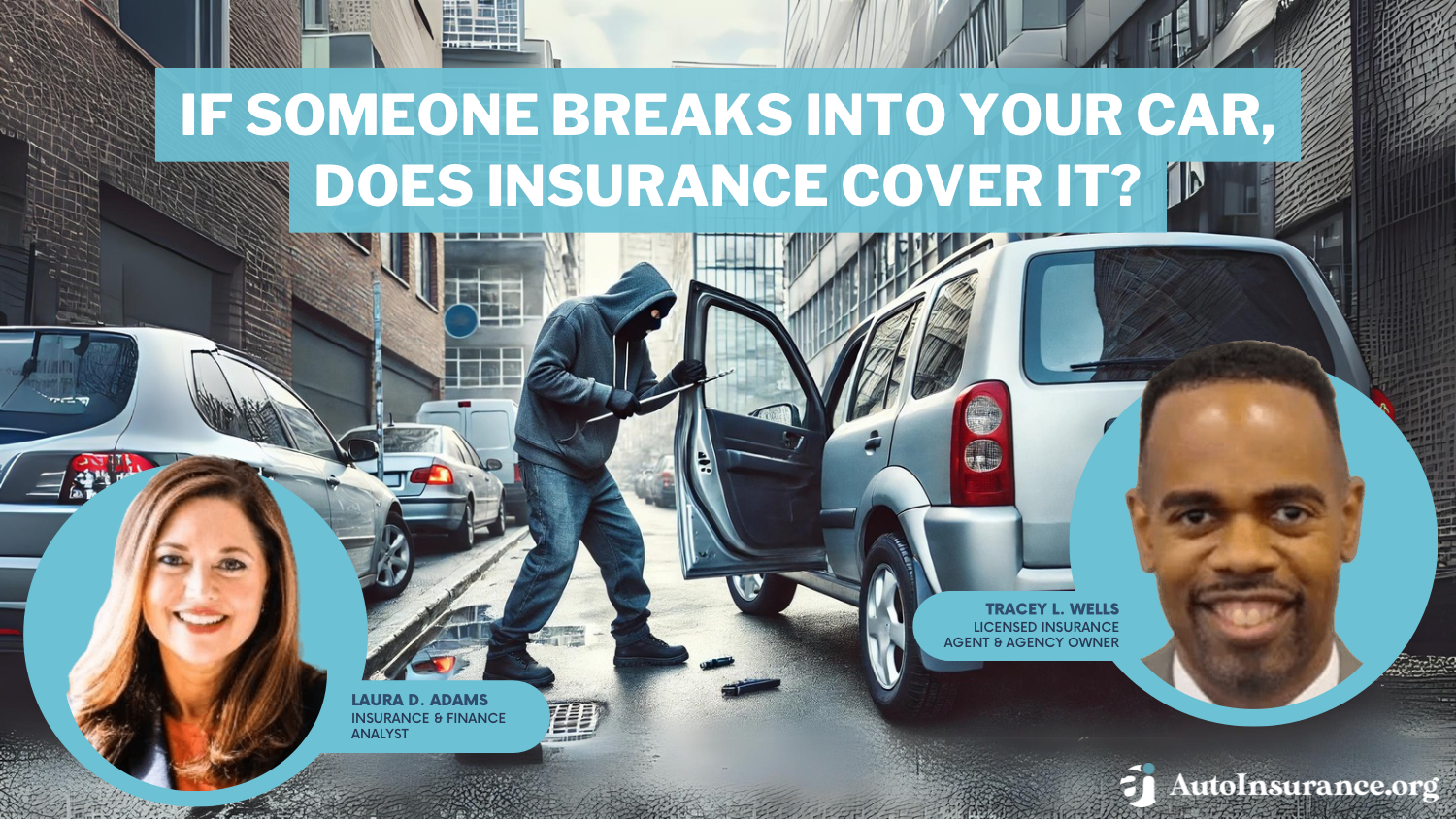
- Comprehensive Coverage: Often referred to as "other than collision," this protects against damage caused by external events outside the driver's direct control. This includes theft, vandalism, fire, windstorms, hail, floods, hitting an animal (such as a deer), and falling objects like tree branches.
Both collision and comprehensive coverages are subject to a deductible—the out-of-pocket amount the policyholder must pay before the insurance company begins covering the remaining repair costs.
Medical and Personal Injury Protection (PIP)
Medical payments (MedPay) and Personal Injury Protection (PIP) cover the medical expenses of the driver and passengers injured in an accident, regardless of who caused the crash.
- MedPay: Generally covers direct medical bills, surgical fees, X-rays, and funeral expenses. It is available in most states and applies regardless of fault.
- PIP: Available primarily in "no-fault" insurance states, PIP is more comprehensive than MedPay. In addition to medical bills, it often covers lost wages, replacement services (such as childcare or housekeeping if the injured party is incapacitated), and rehabilitation expenses.
Uninsured and Underinsured Motorist Coverage
Despite state laws requiring all drivers to carry auto insurance, millions of motorists drive without any coverage at all, while many others carry only minimal limits.
- Uninsured Motorist (UM) Coverage: Steps in to pay for medical bills, vehicle repairs, and other damages when the at-fault driver has no insurance.
- Underinsured Motorist (UIM) Coverage: Activates when the at-fault driver has insurance, but their policy limits are too low to cover the full extent of the victim's injuries or property damage.
Key Exclusions: What Personal Auto Insurance Does NOT Cover
A frequent source of consumer confusion involves the limitations and explicit exclusions found within personal auto insurance policies. Digital research tools and quote comparison engines highlight premium costs and coverage limits, but they rarely emphasize the specific scenarios where coverage is entirely voided. Understanding these exclusions prevents devastating financial surprises after an accident.
Commercial and Business Use
The single largest misconception regarding personal auto insurance is that it covers any driving activity related to earning an income. Personal policies are explicitly underwritten for personal, family, and domestic use.
If a vehicle is used for business purposes—such as delivering pizzas, transporting clients, hauling construction tools, or operating as a courier—a standard personal policy will typically deny claims arising from accidents that occur during those activities. Similarly, standard personal policies do not cover vehicles owned by corporations or partnerships, nor do they cover vehicles used in ridesharing services (like Uber or Lyft) or food delivery apps (like DoorDash or Instacart) unless specific endorsements or commercial policies are in place.
Intentional Acts and Illegal Activities
Insurance is designed to protect against fortuitous, accidental events. Consequently, personal auto insurance policies categorically exclude coverage for:
- Intentional damage caused by the policyholder (e.g., intentionally ramming another vehicle).
- Damage or liability resulting from using the vehicle in the commission of a felony.
- Participation in organized racing, speed contests, or track days.
Wear and Tear, Mechanical Breakdown, and Maintenance
Auto insurance is not a mechanical warranty. Standard policies do not cover the normal degradation of vehicle parts, mechanical or electrical breakdowns, tire blowouts (unless caused by a collision or road hazard covered by comprehensive), or rust and corrosion. Consumers seeking protection against mechanical failures must look toward extended vehicle service contracts or manufacturer warranties rather than auto insurance policies.
Comparative Analysis of Auto Insurance Policy Types
To navigate the insurance market effectively, consumers must understand how personal policies compare to specialized alternatives. The following table outlines the key differences between personal, commercial, and rideshare-adapted auto insurance policies.
| Policy Type | Primary Purpose | Key Coverages Included | Common Exclusions | Typical User Profile |
|---|---|---|---|---|
| Personal Auto Policy | Commuting, running errands, personal travel. | Liability, Collision, Comprehensive, MedPay, PIP, UM/UIM. | Commercial transport, business deliveries, ridesharing without endorsement. | Private vehicle owners, families, daily commuters. |
| Commercial Auto Policy | Business operations, heavy hauling, corporate fleets. | Higher liability limits, inland marine, garagekeepers liability, hired/non-owned auto. | Personal use outside of policy definitions (varies by underwriting). | Business owners, contractors, delivery fleets, corporate entities. |
| Rideshare / Hybrid Policy | Personal use combined with transportation network company (TNC) driving. | Seamless transition between personal gaps and TNC app-on periods. | Commercial hauling of goods, long-term commercial leasing. | Uber, Lyft, and food delivery drivers seeking gap protection. |
How Digital Platforms Facilitate Policy Evaluation
Online insurance aggregation and comparison tools, such as those historically found on domains like insurancequotes.org, serve as informational gateways for consumers seeking to evaluate market rates. These platforms allow users to input vehicle details, driving history, and coverage preferences to generate estimated quotes from multiple competing insurance carriers.
However, users must understand the mechanics of digital insurance shopping:
- Estimates vs. Binding Quotes: Initial online estimates are generally provisional. A binding quote requires verifying driving records through Motor Vehicle Reports (MVRs), credit-based insurance scores (where permitted by state law), and comprehensive vehicle identification number (VIN) checks.
- Apples-to-Apples Comparison: When comparing quotes across different carriers, consumers must ensure that coverage limits, deductibles, and optional riders are identical. A cheaper quote often reflects lower liability limits, higher deductibles, or the omission of vital coverages like uninsured motorist protection.
- Carrier Financial Stability: Independent rating agencies such as A.M. Best evaluate the financial strength of insurance carriers. Choosing an insurer with a solid financial rating ensures they have the capital reserves to pay out claims promptly, even during catastrophic economic or weather events.
State Regulations and Mandatory Coverage Variations
Auto insurance is heavily regulated at the state level rather than the federal level. This creates a fragmented regulatory landscape where minimum insurance requirements vary dramatically depending on the jurisdiction.
No-Fault vs. Tort States
- No-Fault States: In states like Florida, Michigan, and New York, drivers are required to carry Personal Injury Protection (PIP) regardless of who is at fault in an accident. In these jurisdictions, each driver's insurance pays for their own medical expenses up to policy limits, which is intended to reduce litigation for minor collisions.
- Tort States (At-Fault States): In most U.S. states, the at-fault driver is legally responsible for all damages resulting from an accident. Injured parties can file a claim against the at-fault driver's liability insurance or file a third-party civil lawsuit to recover economic and non-economic damages.
Minimum Financial Responsibility Limits
Every state sets minimum liability limits that drivers must maintain to legally operate a vehicle on public roads. For example, a state might mandate limits expressed as 25/50/20, which translates to:
- $25,000 for bodily injury per person.
- $50,000 for total bodily injury per accident.
- $20,000 for property damage per accident.
Relying solely on state-mandated minimums leaves motorists exposed to severe financial ruin if they cause an accident resulting in major injuries or multiple vehicle write-offs. Industry professionals recommend evaluating personal net worth and purchasing liability limits that match or exceed total personal assets.
Frequently Asked Questions
Does my personal auto insurance cover me if I rent a car while traveling?
In most cases, if you carry comprehensive and collision coverage on your personal auto policy, those coverages extend to a private passenger rental car used for personal travel within the United States and Canada. However, your personal policy generally does not cover "loss of use" fees charged by rental companies while the vehicle is out of service for repairs, nor does it apply to international rentals. Reviewing your policy terms or contacting your provider before renting is essential.
Are other drivers covered if I let them borrow my car?
Personal auto insurance generally follows the vehicle, not the driver. This means that if you lend your car to a friend or family member with your permission, your auto insurance policy acts as the primary coverage if they cause an accident. However, if the borrower drives your vehicle regularly and lives in your household, they must be explicitly listed as a driver on your policy. Failing to disclose household drivers can result in claim denials or policy cancellation for misrepresentation.
What happens to my auto insurance if I move to a different state?
Auto insurance policies are bound to the garaging address of the vehicle. If you move to a new state, you are legally required to notify your insurance company, register your vehicle in the new state, and secure a policy that complies with local state minimums and regulatory laws. Premiums often change significantly due to local traffic density, accident statistics, uninsured motorist rates, and state weather risks.
Does personal auto insurance cover damage from natural disasters like floods or hail?
Damage caused by natural disasters—including floods, hurricanes, tornadoes, hail, and earthquakes—is covered under the comprehensive portion of your auto insurance policy. If you carry only state-mandated liability coverage and decline comprehensive protection, your insurer will not pay a dime for weather-related destruction to your vehicle.
How does a lapse in insurance coverage affect my future premiums?
Maintaining continuous insurance coverage is critical. A lapse in coverage—even for a few days between switching providers—signals high risk to insurance underwriters. Drivers with coverage gaps often face significantly higher premium quotes, lose eligibility for continuous coverage discounts, and may face state-imposed penalties, fines, or vehicle registration suspensions.
Practical Next Steps for Vehicle Owners
Evaluating your personal auto insurance policy requires an ongoing, proactive approach rather than a set-it-and-forget-it mindset. Start by requesting a complete copy of your policy declarations page from your current insurer. Review your existing liability limits, deductibles, and optional riders to ensure they align with your current financial situation, vehicle value, and driving habits. If your lifestyle has changed—such as transitioning to remote work, purchasing a new vehicle, or adding a teen driver—contact your insurance agent or utilize reputable digital comparison tools to re-verify your coverage adequacy and market pricing. Always consult with a licensed insurance professional for binding policy adjustments tailored to your specific jurisdictional requirements.