Tarpon are not considered good to eat in the United States, primarily due to their extremely bony anatomy and a flavor profile often described as strong, oily, and unappealing. Furthermore, in major coastal states like Florida, tarpon are strictly regulated as a catch-and-release species, making it illegal to harvest them for food under almost all circumstances in 2026.
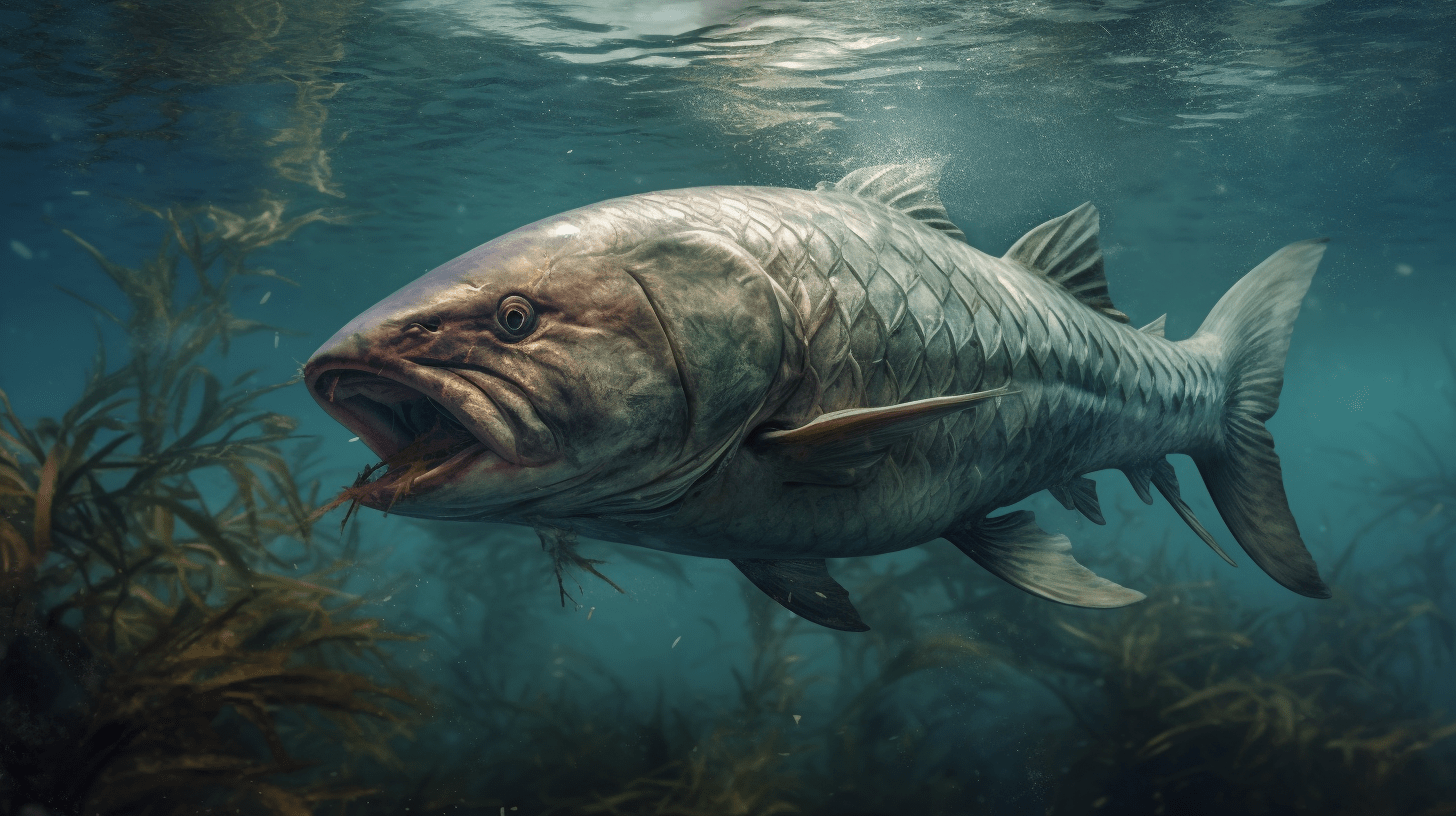
The tarpon (Megalops atlanticus), often called the "Silver King," holds a legendary status in the world of recreational saltwater fishing. Known for their acrobatic leaps, massive size, and sheer power, they are the crown jewel of the Atlantic and Gulf coasts. However, while they are a dream for anglers to catch, they are a nightmare for chefs to prepare. If you are wondering why this massive, silver-scaled fish isn't a staple on seafood menus from Miami to Galveston, the reasons range from biological complexity to stringent legal protections.
The Biological Reality: Why Tarpon Are Unpalatable
To understand why tarpon are rarely consumed, one must look at their physical makeup. Tarpon are primitive fish, belonging to a lineage that has remained relatively unchanged for millions of years. This evolutionary history has left them with an internal structure that is fundamentally different from popular food fish like snapper or grouper.
A Maze of "Y-Bones"
The most significant deterrent to eating tarpon is their bone structure. Tarpon are incredibly "bony." They possess an intricate network of small, fine "Y-bones" throughout their muscle tissue. Unlike a salmon or a trout, where bones can be easily identified and removed during the filleting process, tarpon bones are embedded deep within the meat in multiple directions.
Attempting to fillet a tarpon results in a high degree of meat wastage, and even a carefully prepared fillet is likely to contain dozens of sharp, needle-like bones. In a culinary context, this makes the fish not only difficult to prepare but also potentially dangerous to swallow, especially for those accustomed to the clean fillets found in commercial seafood markets.
Texture and Flavor Profile
Beyond the bones, the meat itself is generally considered poor quality. Tarpon are highly active, migratory fish with a high concentration of red muscle. This muscle is designed for endurance and explosive power, but it results in meat that is:
- Strong and Fishy: The flesh has a high oil content and a very "muddy" or "bloody" flavor. This is particularly true for larger, older specimens that have spent decades in various water conditions, including brackish mangroves and open oceans.
- Coarse and Grainy: The texture of tarpon meat is often described as stringy or coarse. When cooked, it does not flake like a whitefish; instead, it tends to remain tough and dry.
- Odorous: The cleaning process for a tarpon is notoriously pungent. The slime coat and the blood-rich meat emit a strong odor that many find off-putting long before the fish even reaches a pan.
Legal Status and Harvest Regulations in 2026
In the United States, the decision to eat a tarpon is often made for you by state and federal laws. As of 2026, the legal protections surrounding the Silver King are among the strictest for any game fish in North American waters.
Florida: The Catch-and-Release Capital
Florida is the primary habitat for tarpon in the U.S., and the Florida Fish and Wildlife Conservation Commission (FWC) has established rigorous protections. In Florida waters, tarpon is a catch-and-release-only species.
The only exception to this rule is the "Tarpon Tag." These tags are extremely limited, costing approximately $50 per tag (plus fees), and are intended only for anglers who believe they have caught a potential state or world record fish. Only one tag may be purchased per person, per year. Even with a tag, the harvest is discouraged, and the meat is almost never eaten; the fish is typically brought in for official weighing and then discarded or donated to research.
Federal and Other State Regulations
In federal waters and other Gulf states like Texas, Louisiana, and Alabama, regulations generally mirror Florida’s conservation-minded approach. While some states may have slightly different nuances regarding harvest, the overarching trend in 2026 is the preservation of the species for its economic value as a live game fish rather than a food source.
It is important to note that:
- Possession is restricted: Even possessing a dead tarpon without the proper tagging and documentation can result in heavy fines, loss of fishing licenses, and potential legal action.
- Handling requirements: Laws often dictate how a tarpon must be handled. For example, in many jurisdictions, large tarpon (over 40 inches) must remain in the water at all times, even during the "hero shot" photograph, to prevent internal organ damage and ensure a successful release.
Comparison: Tarpon vs. Common U.S. Food Fish
To highlight why tarpon are avoided in the kitchen, it is helpful to compare them to species that are widely considered "good to eat" in the United States.
| Feature | Tarpon (Megalops atlanticus) | Red Snapper (Lutjanus campechanus) | Gag Grouper (Mycteroperca microlepis) |
|---|---|---|---|
| Primary Flavor | Strong, oily, muddy | Mild, sweet, nutty | Mild, subtle, clean |
| Meat Texture | Coarse, stringy, tough | Firm, moist, fine-flaked | Large-flaked, firm, meaty |
| Bone Complexity | High (Dense "Y-bones") | Low (Standard skeleton) | Low (Standard skeleton) |
| Legal Status | Catch-and-Release Only* | Highly Regulated Harvest | Regulated Seasonal Harvest |
| Market Availability | None (Illegal to sell) | High (Premium seafood) | High (Premium seafood) |
| Mercury Risk | Very High (Long-lived) | Low to Moderate | Moderate |
*Note: Harvest only allowed with a rare, specific record-pursuit tag.
Conservation and the "Billion Dollar" Fish
The primary reason tarpon are protected so fiercely in the United States is their economic impact. A 2026 economic study by conservation groups like Bonefish & Tarpon Trust reinforces that a single tarpon is worth significantly more alive than dead.
The recreational tarpon fishery generates hundreds of millions of dollars annually in Florida alone. This revenue comes from:
- Guide Fees: Professional fishing guides who specialize in tarpon "flats" or "pass" fishing.
- Tourism: Hotels, restaurants, and travel services supported by domestic and international anglers traveling to chase the Silver King.
- Equipment: Tackle, boats, fuel, and gear specifically designed for tarpon fishing.
Because tarpon grow slowly and mature late—often taking 7 to 12 years to reach sexual maturity—killing a single adult has a disproportionate impact on the local population. Protecting them as a catch-and-release species ensures that the same fish can be caught multiple times over its 50- to 60-year lifespan, contributing repeatedly to the economy.
Health and Safety Concerns: Bioaccumulation
Even if one were to ignore the bones, the flavor, and the laws, there is a significant health risk associated with eating tarpon: mercury.
Tarpon are apex predators and are exceptionally long-lived. In the marine environment, heavy metals like methylmercury bioaccumulate. This means that as a fish eats smaller prey, it absorbs the mercury present in those prey items. Because tarpon live for several decades and eat a vast quantity of smaller fish and crustaceans, the concentration of mercury in their tissues can reach dangerous levels.
Consuming meat from a 100-pound tarpon would likely expose a person to mercury levels far exceeding FDA safety guidelines. This is particularly dangerous for pregnant women, nursing mothers, and young children, as mercury is a potent neurotoxin.
Historical and Global Context: Do People Eat Tarpon Anywhere?
While tarpon are not considered food in the U.S., the story is slightly different in other parts of the world. In some regions of Central and South America, as well as parts of the Caribbean, tarpon are occasionally harvested for food, though they are still rarely the first choice.
In these contexts, the fish is often:
- Salted and Dried: Drying the meat can help mitigate the oily flavor and allow the bones to be picked out more easily after the meat is shredded.
- Fish Cakes: The meat is scraped from the bones, mixed with heavy spices, peppers, and binders (like potato or flour), and fried to mask the natural taste.
- Soup Base: Using the fish to create a flavorful but strained broth.
Even in these cultures, tarpon is generally viewed as a "subsistence fish"—something eaten when better options like snapper, jack, or mackerel are unavailable. In the United States, where high-quality seafood is readily accessible, there is no culinary or economic incentive to consume them.
Handling Tarpon for Success (Catch and Release)
Since you won't be eating your catch, the goal of any tarpon encounter in 2026 is a healthy release. Improper handling can lead to post-release mortality, defeating the purpose of conservation laws.
- Keep the Fish in the Water: For tarpon over 40 inches, Florida law requires the fish to remain in the water. Lifting a heavy tarpon out of the water by its jaw can damage its internal organs and gills, which are not supported by the buoyancy of water.
- Minimize Fight Time: Use appropriate tackle (typically 50-80 lb braid or heavy fly gear) to bring the fish to the boat quickly. An exhausted tarpon is more susceptible to shark predation or lactic acid buildup that can be fatal.
- Revival is Key: Before letting the fish go, hold it upright in the water (moving the boat slowly forward if possible) to ensure oxygenated water flows over its gills. Only release the fish once it can swim strongly on its own.
- Avoid Dry Hands: Always wet your hands before touching the fish to preserve its protective slime coat, which prevents infections and parasites.
Summary of Findings
The consensus in 2026 remains unchanged: Tarpon are not good to eat in the United States. They are a biologically primitive species with a skeletal structure that makes consumption difficult and a flavor profile that most people find unpleasant. Beyond the culinary downsides, the legal protections in place—especially in Florida—effectively prohibit the harvest of tarpon for food. The "Silver King" is far more valuable as a living participant in the coastal ecosystem and a high-stakes partner in the recreational fishing industry than as a meal on a dinner plate.
FAQ
Are tarpon poisonous? Tarpon are not inherently poisonous like a pufferfish, but they can be toxic due to high levels of accumulated mercury. Additionally, like many tropical reef-associated fish, there is a slight risk of Ciguatera poisoning, although this is less common in tarpon than in species like barracuda.
Can you eat tarpon if you have a tag? While a tarpon tag legally allows you to harvest one fish, it is highly discouraged. The tag is intended for record-keeping purposes. Most anglers who harvest a record-sized fish do so for the data and the mounting of the fish, not for the meat, which remains poor in quality regardless of legal status.
What does tarpon meat look like? Raw tarpon meat is quite dark, often appearing greyish-pink or even deep red due to the high blood and myoglobin content in the muscles. It does not have the clean, translucent look of many popular white-fleshed food fish.
Is it illegal to take a tarpon out of the water for a photo? In Florida, it is illegal to remove a tarpon from the water if it is over 40 inches in length. For smaller tarpon, while not strictly illegal, it is still recommended to keep them in the water to maximize their chances of survival after release.
What is the best alternative to tarpon for eating? If you enjoy the environment where tarpon live but want a fish for the table, species like Red Drum (Redfish), Black Drum, or Mangrove Snapper are excellent alternatives. They are often found in the same waters, have much better flavor and texture, and have more flexible harvest regulations.
Final Recommendation
If you hook into a tarpon, enjoy the fight of a lifetime and the beauty of the "Silver King," but prepare to release it. If you are looking for a meal, head to a local seafood market for snapper, grouper, or mahi-mahi. Not only will you be staying on the right side of the law, but you will also be saving yourself from a bony, unappetizing culinary experience.