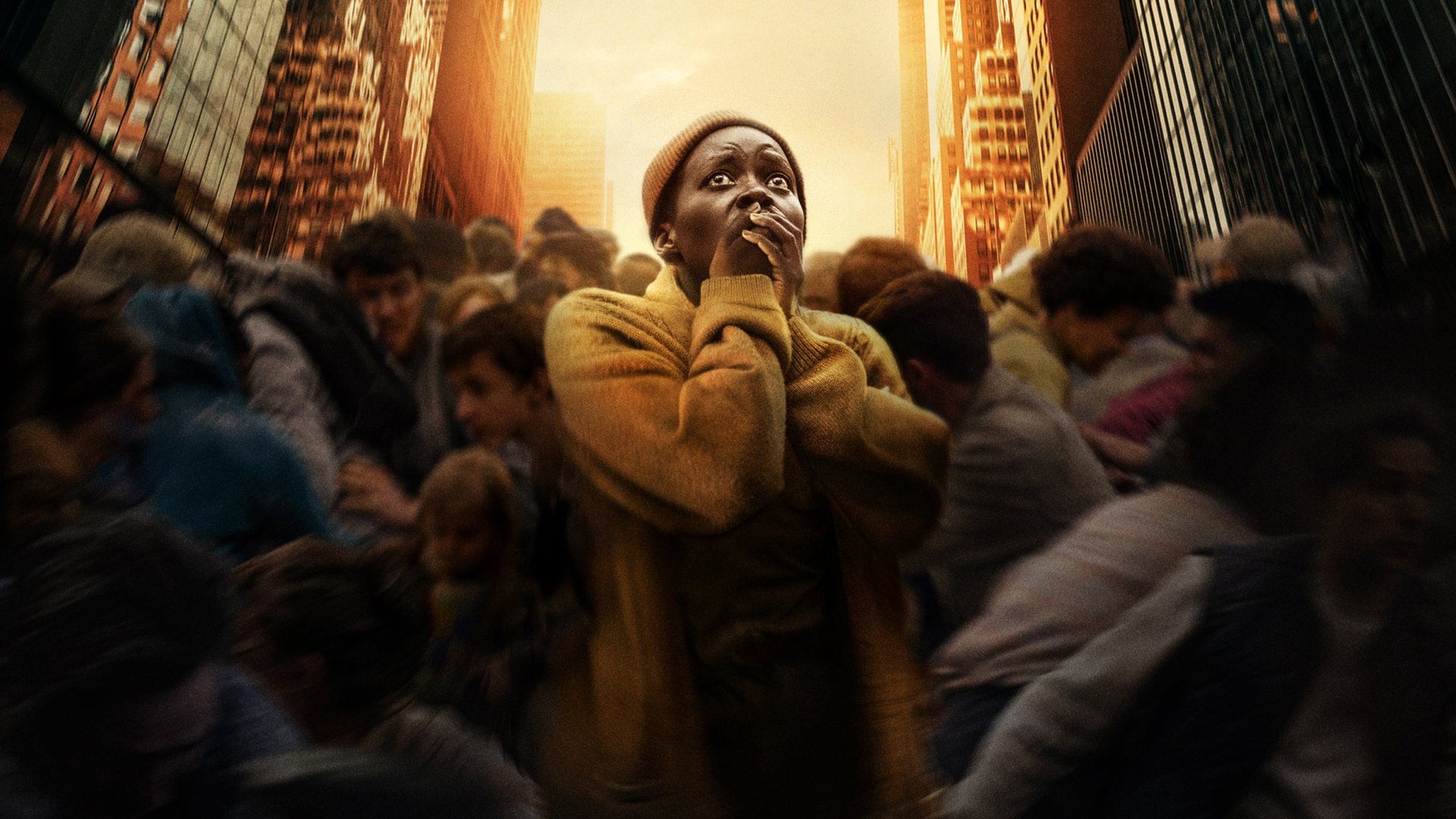
The 2024 film A Quiet Place: Day One serves as a prequel to the established A Quiet Place cinematic universe, featuring Lupita Nyong’o as the central protagonist, Sam. This installment shifts the narrative focus from the Abbott family’s survival in upstate New York to the initial, chaotic onset of the alien invasion in the densely populated urban environment of New York City, providing a deeper look at the societal collapse triggered by the creatures' sound-sensitive predation.
Understanding the Narrative Scope of A Quiet Place: Day One
When the A Quiet Place franchise launched in 2018, it introduced audiences to a world where silence was not merely a preference but a literal survival mandate. Directed by John Krasinski, the original film and its 2021 sequel focused on the aftermath of a global invasion by sightless extraterrestrial creatures that hunt exclusively through acute hearing. By the time the franchise reached its 2024 prequel, A Quiet Place: Day One, the creative team sought to move away from the established character arcs of the Abbott family and instead explore the "zero hour" of the catastrophe.
Lupita Nyong’o was cast as Sam, a woman whose journey through the sensory-deprived streets of Manhattan provides the emotional anchor for the film. Unlike the previous entries, which operated as survival horror dramas centered on family bonds and rural isolation, the 2024 prequel functions as an urban disaster epic. It captures the specific terror of millions of people suddenly forced into absolute silence in the most noise-polluted city on Earth.
The Role of Sam: Character Motivations and Narrative Significance
Lupita Nyong’o’s portrayal of Sam represents a departure from the traditional archetypes found in high-stakes survival horror. In the prequel, Sam is not initially focused on evading the creatures in a tactical sense; rather, her arc is deeply personal and internal, set against the backdrop of an apocalyptic event. This distinction is critical to the film’s tone. By anchoring the narrative in a character who is already processing a profound life challenge before the invasion begins, director Michael Sarnoski allows the audience to view the alien threat through a lens of existential resignation rather than just frantic desperation.
Sam’s movement through New York City is deliberate. She is accompanied by her cat, Frodo, whose presence serves as both a source of comfort and a significant logistical hurdle. Because the creatures react to even the slightest sound, a pet—which is prone to vocalization—introduces a consistent layer of tension. Nyong’o’s performance relies heavily on non-verbal communication, utilizing facial expressions and physical acting to convey fear, resolve, and sorrow, which remains consistent with the core conceit of the franchise.
The Shift from Rural Survival to Urban Chaos
The transition from the rural landscapes seen in A Quiet Place and A Quiet Place Part II to the metropolitan sprawl of New York City is the defining technical shift of the 2024 prequel. The franchise’s earlier installments relied on the quietude of nature—the crunch of leaves, the movement of grass, or the flow of water—to emphasize the danger. In Day One, the challenge is inverted.
New York City is a place defined by its soundscapes. The sudden transition from the constant hum of traffic, sirens, and human activity to a forced, stifling silence highlights the overwhelming power of the creatures. The cinematography emphasizes verticality and the claustrophobia of concrete canyons, where sound bounces and echoes, making the predators even more unpredictable. For viewers familiar with the franchise, this prequel provides the "why" and "how" regarding the creatures' global arrival, showcasing the initial failure of military and civilian institutions to contain an enemy that ignores conventional weaponry.
Comparative Dynamics: The Abbott Family vs. Sam’s Journey
To understand the trajectory of the A Quiet Place franchise, it is helpful to compare the narrative structure of the original films with the 2024 prequel.
| Feature | The Abbott Family Films (2018/2021) | A Quiet Place: Day One (2024) |
|---|---|---|
| Primary Setting | Rural Upstate New York (Isolated) | New York City (Dense Urban) |
| Primary Focus | Family unit and parental protection | Individual survival and internal journey |
| Atmospheric Tone | Folk horror/Survivalist | Disaster/Urban thriller |
| Key Sensory Hook | The vulnerability of domestic living | The impossibility of urban silence |
| Protagonist Role | Protecting the future (children) | Reconciling the past (personal legacy) |
The contrast in these settings allows the franchise to expand its world-building. While the Abbott family films established the rules of the world—what the creatures are, how they hunt, and the vulnerabilities of the human body—Day One explores the societal breakdown. It examines how crowds, public infrastructure, and the sheer density of a city population exacerbate the threat.
The Technical Execution of Silence in the 2024 Prequel
The success of A Quiet Place: Day One hinges on its sound design and editing. Because the film stars a character in an environment that is typically loud, the contrast between "The Big Smoke" of pre-invasion Manhattan and the sudden, deathly silence is a technical marvel. The sound design team creates a "sonic landscape" that mirrors the characters' internal experiences.
Lupita Nyong’o’s performance is largely defined by this technical requirement. Acting without dialogue requires an extreme level of precision, where subtle movements—a sharp intake of breath or the scuffing of a shoe—take on the significance of a scream. For the audience, this creates a heightened awareness. By forcing the viewer to watch the screen intently for visual cues rather than relying on auditory alerts, the film maintains a consistent level of physiological tension.
Frequently Asked Questions
1. Is A Quiet Place: Day One a direct sequel to the 2021 film? No, it is a prequel. It takes place on the first day of the invasion, long before the events depicted in the first two films involving the Abbott family. It functions as a standalone entry that expands the world rather than continuing a specific plot line.
2. Does Lupita Nyong’o’s character connect to the Abbott family? There is no direct interaction between Sam and the Abbott family. The story focuses on the experiences of civilians in New York City during the initial attack. The film serves to illustrate the global scope of the invasion rather than linking specific family trees or survival groups.
3. Why is the cat in the film important? Frodo, the cat, serves as a high-stakes dramatic device. Because cats are naturally inclined to make noise, his presence forces Sam to exercise extreme caution and highlights the difficulty of surviving in an urban environment where predators have heightened hearing. He also provides an emotional connection for Sam in a world that has suddenly become devoid of human comfort.
4. How does the urban setting change the creature threat? In the rural settings of the earlier films, the threat was concentrated but avoidable through tactical silence and careful planning. In the urban setting of New York City, the creatures are vastly more dangerous because the environment itself contains thousands of noise-traps—glass, metal, sirens, and echoes—that make staying silent nearly impossible for a mass population.
5. Is it necessary to watch the first two movies to understand Day One? While prior knowledge of the creature's mechanics—specifically their reliance on sound—is helpful, it is not strictly required. The prequel is designed as an entry point, explaining the arrival of the creatures and the immediate reaction of humanity to the sudden onset of the apocalypse.
Analyzing the Impact of the Prequel on Future Entries
The 2024 prequel has fundamentally changed the trajectory of the A Quiet Place franchise by proving that the narrative does not need to rely on a single central family to maintain interest. By focusing on the "Day One" concept, the franchise has opened the door for future spin-offs or sequels that can explore different geographic locations or diverse character experiences during the same timeline.
This shift suggests that the franchise may move toward an anthology-style approach. The success of Nyong’o’s performance highlights the importance of strong, character-driven scripts in a genre often dominated by spectacle. By grounding the alien invasion in the specific emotional life of a resident of New York City, the film demonstrates that the true horror of the franchise is not just the creatures themselves, but the stripping away of human connection and communication.
Recommendations for Viewers
For those interested in the craft of A Quiet Place: Day One, it is recommended to view the film in a high-fidelity environment if possible. The sound design is as important as the visual performance, and the nuances of the film's production—from the way characters manipulate their environment to the subtle cues that warn of impending danger—are best appreciated when the viewer is fully immersed in the auditory experience.
Furthermore, audiences looking to understand the full scope of the A Quiet Place universe should note that this film acts as a "ground zero" origin story. Whether viewed as an entry point or as an addition to the existing series, it stands as a study in how silence can be used as a narrative tool to heighten tension in one of the world's loudest environments.
The story of Sam is a sobering look at how quickly the modern world can be rendered obsolete, and it reminds viewers that even in the face of an existential threat, the human need for connection—whether through a pet or a fleeting interaction with a stranger—remains the core of the storytelling experience.