A Master of Science (MS) in Pharmaceutical Science is an advanced graduate degree focused on the discovery, development, and testing of new therapeutic drugs. It bridges the gap between basic sciences and clinical application, preparing students for high-level research, regulatory, and management roles within the global biopharmaceutical industry.
Navigating the landscape of higher education in 2026 requires a clear understanding of how pharmaceutical science has evolved. While a Doctor of Pharmacy (PharmD) focuses on clinical practice and patient care, the Master’s degree in Pharmaceutical Science is primarily research-driven. It targets the "bench-to-bedside" process, training professionals to understand how chemical compounds interact with biological systems and how these compounds can be safely manufactured into life-saving medications.
Core Disciplines within Pharmaceutical Science
The field of pharmaceutical science is not a monolith; it is an interdisciplinary domain that integrates chemistry, biology, and engineering. When pursuing a Master’s degree, students typically choose a concentration that aligns with their career goals.
Pharmaceutics and Drug Delivery
Pharmaceutics is the study of turning a new chemical entity (NCE) into a medication that can be safely and effectively used by patients. This discipline focuses on formulation science—determining whether a drug should be a pill, an injection, a topical cream, or an aerosol. In 2026, significant emphasis is placed on nanotechnology and targeted drug delivery systems, which allow medications to reach specific cells (such as cancer cells) while minimizing systemic side effects.
Medicinal Chemistry and Drug Discovery
This area focuses on the "discovery" phase. Students learn how to design and synthesize molecules with the potential to treat diseases. With the integration of artificial intelligence (AI) in 2026, medicinal chemistry now involves high-throughput screening and computer-aided drug design (CADD) to predict how molecules will bind to biological targets before they are ever synthesized in a lab.
Pharmacology and Toxicology
Pharmacology is the study of how drugs interact with biological systems, while toxicology examines the adverse effects of chemical agents. A Master’s student in this track investigates the mechanisms of drug action—how a drug changes a physiological function. Understanding the toxicological profile is critical for ensuring that a drug's benefits outweigh its risks during the clinical trial process.
Pharmacokinetics and Pharmacodynamics (PK/PD)
Often described as "what the body does to the drug" (pharmacokinetics) and "what the drug does to the body" (pharmacodynamics), this discipline involves heavy mathematical modeling. Students learn to calculate Absorption, Distribution, Metabolism, and Excretion (ADME) rates. These calculations are vital for determining the correct dosage and frequency of administration for different patient populations.
Admission Requirements and Prerequisites
Entering a Master’s program in pharmaceutical science requires a strong foundational background in the hard sciences. Most accredited programs in 2026 maintain rigorous standards to ensure students can handle the advanced mathematical and chemical concepts.
Undergraduate Background
Applicants generally must hold a Bachelor of Science (BS) in a related field, such as:
- Chemistry or Biochemistry
- Biology or Molecular Biology
- Pharmacy
- Chemical Engineering
A minimum GPA of 3.0 on a 4.0 scale is a standard baseline, though top-tier research institutions often look for 3.5 or higher.
Standardized Testing and Documentation
While many programs have moved toward a "test-optional" model by 2026, some still require the GRE (Graduate Record Examination), particularly for international applicants. Key documentation typically includes:
- Statement of Purpose: A detailed essay explaining the applicant's research interests and career objectives.
- Letters of Recommendation: Usually three letters from academic mentors or professional supervisors who can vouch for the applicant's research potential.
- Curriculum Vitae (CV): Highlighting any previous laboratory experience, internships, or publications.
English Proficiency
For international students, evidence of English proficiency via the TOEFL (Test of English as a Foreign Language) or IELTS is mandatory. In 2026, most programs require a TOEFL score of 90-100 (iBT) or an IELTS score of 7.0 to ensure the student can participate in complex technical discussions.
Curriculum Structure and Learning Objectives
A typical Master’s program lasts between 1.5 to 2 years. The curriculum is divided between core coursework, elective specializations, and, in many cases, a research thesis.
Core Coursework
Regardless of specialization, students generally complete foundational modules in:
- Biostatistics: Necessary for analyzing data from clinical trials and laboratory experiments.
- Advanced Biochemistry: Understanding the molecular basis of life and disease.
- Regulatory Affairs: Learning the legal framework provided by agencies like the U.S. Food and Drug Administration (FDA) or the European Medicines Agency (EMA).
- Ethics in Research: Covering the moral implications of animal testing and human clinical trials.
Thesis vs. Non-Thesis Tracks
Students often choose between a Thesis Track and a Non-Thesis (Captsone) Track.
- Thesis Track: Designed for those planning to pursue a PhD or a career in heavy R&D. It requires original laboratory research and the defense of a written thesis.
- Non-Thesis Track: Often preferred by working professionals or those looking to enter the regulatory or administrative side of the industry. It typically involves additional coursework or a comprehensive literature review project.
Professional Outcomes and Career Pathways
The pharmaceutical industry remains one of the most robust sectors of the global economy in 2026. Graduates with a Master’s in Pharmaceutical Science are uniquely positioned to occupy roles that require more technical knowledge than a bachelor's degree but less clinical focus than a PharmD.
Research and Development (R&D) Scientist
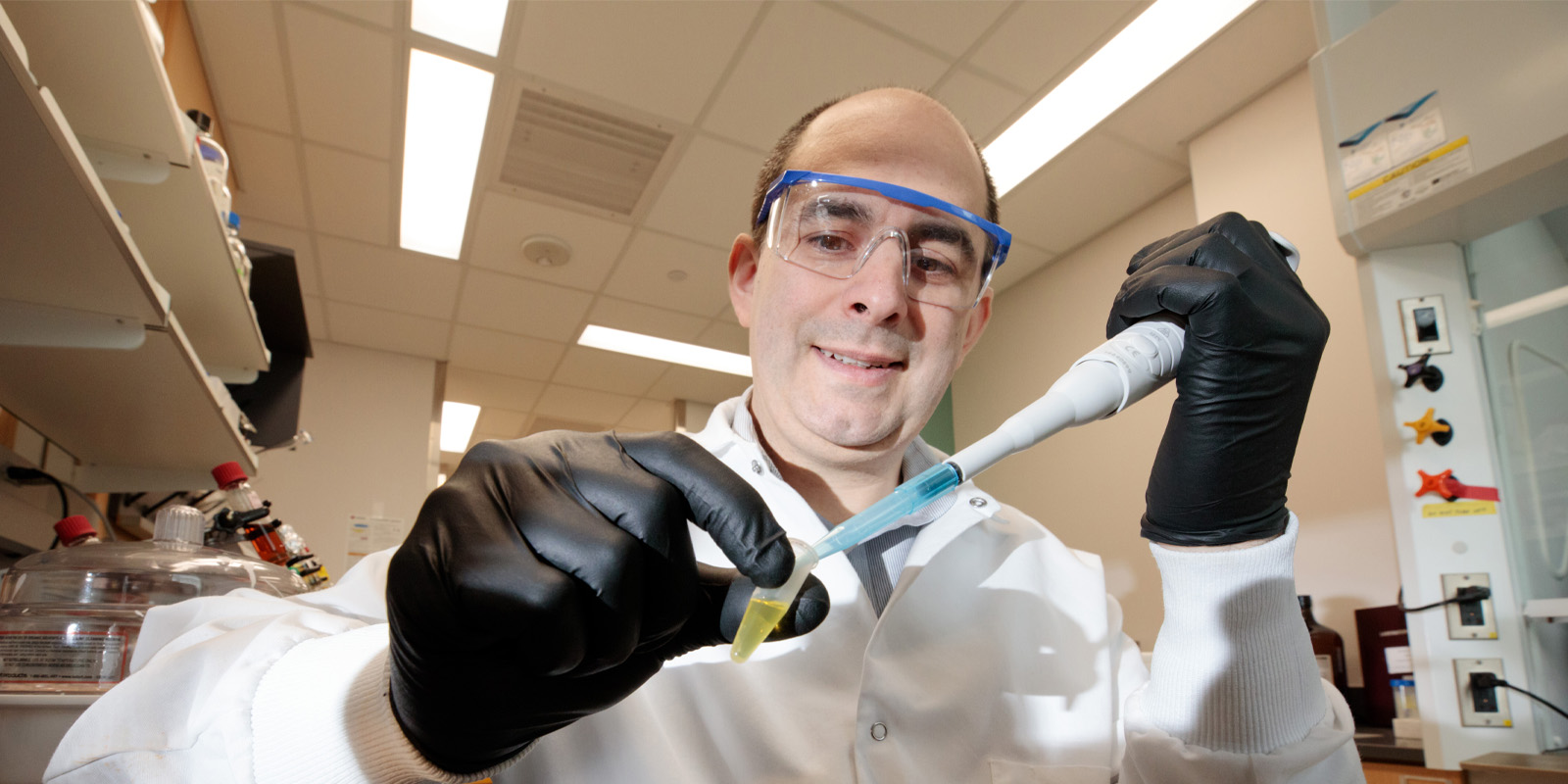
R&D scientists work at the forefront of innovation. They may work for "Big Pharma" companies, such as Pfizer or Novartis, or at smaller biotechnology startups. Their day-to-day involves conducting experiments, refining drug formulations, and documenting results for regulatory submission.
Quality Control (QC) and Quality Assurance (QA)
These professionals ensure that every batch of medication produced meets strict safety and efficacy standards. They oversee the manufacturing process, ensuring compliance with Current Good Manufacturing Practice (cGMP) regulations.
Regulatory Affairs Specialist
Regulatory affairs specialists act as the liaison between the pharmaceutical company and government agencies. They prepare the complex documentation required for Investigational New Drug (IND) applications and New Drug Applications (NDA). This role is critical for navigating the legal hurdles of bringing a drug to market.
Clinical Trial Manager
While physicians and nurses oversee the patients in clinical trials, the Clinical Trial Manager oversees the data and logistics. They ensure the trial follows the protocol, stay within budget, and that the data collected is scientifically valid and "clean" for analysis.
| Role | Primary Responsibility | Estimated Entry Salary (2026) | Required Skillset |
|---|---|---|---|
| R&D Scientist | Drug Discovery/Formulation | $95,000 - $115,000 | Lab techniques, data analysis |
| Regulatory Affairs | Compliance & Submissions | $105,000 - $130,000 | Legal knowledge, writing |
| QC/QA Specialist | Manufacturing Standards | $85,000 - $105,000 | Attention to detail, cGMP |
| Medical Science Liaison | Scientific Communication | $120,000 - $150,000 | Communication, deep tech-knowledge |
Cost Analysis and Financial Planning
The cost of a Master’s degree in Pharmaceutical Science varies significantly based on the institution's location and whether it is a public or private university.
Tuition and Fees
In 2026, tuition for a full program typically ranges from $30,000 to $70,000. Public universities often offer lower "in-state" tuition rates, while private institutions and specialized pharmacy schools may charge at the higher end of the spectrum. It is important to factor in "hidden" costs such as laboratory fees, health insurance, and specialized software licenses.
Funding and Assistantships
Many research-intensive programs offer Graduate Research Assistantships (GRAs) or Teaching Assistantships (TAs). These positions often provide a tuition waiver and a monthly stipend in exchange for 15-20 hours of work per week. However, these are highly competitive and are more commonly awarded to students in the Thesis track.
Return on Investment (ROI)
The ROI for this degree is generally considered high. Given the starting salaries in the pharmaceutical sector, most graduates find they can recoup their educational investment within three to five years of employment. Furthermore, the specialized nature of the degree provides a degree of job security even during economic fluctuations.
MS in Pharmaceutical Science vs. Related Degrees
Prospective students often confuse the MS in Pharmaceutical Science with other similar-sounding credentials. Distinguishing between them is vital for choosing the right career path.
MS in Pharmaceutical Science vs. PharmD
The PharmD is a professional doctorate required to work as a pharmacist in a retail or hospital setting. It focuses on patient counseling, medication dispensing, and clinical interactions. The MS in Pharmaceutical Science is a graduate research degree. You cannot work as a licensed pharmacist with an MS; instead, you work on the development side of the medications themselves.
MS in Pharmaceutical Science vs. MS in Pharmacology
While overlapping, an MS in Pharmacology is a subset of pharmaceutical science that focuses specifically on the interaction between drugs and living organisms. A degree in Pharmaceutical Science is broader, encompassing drug delivery, manufacturing, and regulatory affairs in addition to pharmacology.
MS in Pharmaceutical Science vs. MS in Biotechnology
Biotechnology focuses more on using living systems and organisms to develop products (like vaccines or genetically modified enzymes). Pharmaceutical science is more rooted in chemistry and the specific mechanics of drug formulation for human consumption.
Choosing the Right Program
When evaluating potential universities, several factors should influence the decision-making process to ensure the degree aligns with future goals.
- Accreditation: Ensure the program is accredited by a recognized body. In the U.S., the Accreditation Council for Pharmacy Education (ACPE) is a primary authority, though many MS programs are also governed by broader regional university accreditations.
- Research Facilities: For those in the thesis track, access to state-of-the-art equipment—such as High-Performance Liquid Chromatography (HPLC), Mass Spectrometry, and NMR—is non-negotiable.
- Industry Connections: Look for programs located in pharmaceutical "hubs" (e.g., Boston/Cambridge, San Francisco, or New Jersey in the U.S.; Basel in Switzerland; or the "Golden Triangle" in the UK). Proximity to industry increases internship opportunities.
- Faculty Expertise: Investigate whether the faculty members are active in research and if their current projects align with your interests.
Frequently Asked Questions
Can I get a Master's in Pharmaceutical Science online?
Yes, in 2026, several reputable institutions offer online or hybrid Master’s programs. These are typically geared toward working professionals and often focus on the Regulatory Affairs or Pharmaceutical Management tracks. However, laboratory-based tracks (like Pharmaceutics) usually require in-person attendance for bench research.
Is a PhD necessary for a career in pharmaceutical science?
While a PhD is generally required for "Principal Investigator" or director-level roles in research, a Master's degree is sufficient for most scientist, manager, and regulatory roles. Many professionals enter the industry with an MS and later have their employers subsidize their PhD studies.
What is the difference between an MS and an MPS?
An MS (Master of Science) is traditionally research-focused and academic. An MPS (Master of Professional Studies) in Pharmaceutical Science is often a "terminal" degree designed for immediate application in the workforce, focusing more on industry-specific skills like project management and quality control rather than original lab research.
Can I enter the program with a non-science degree?
It is very difficult. Most programs require at least a year of organic chemistry, biology, and calculus. If your undergraduate degree is in a non-science field, you would likely need to complete several "bridge" courses (post-baccalaureate) before being considered for admission.
What are the emerging trends in the 2026 pharmaceutical curriculum?
Current programs are heavily integrating data science and machine learning. There is also a significant focus on biologics (drugs derived from living organisms) and cell/gene therapies, reflecting the industry’s shift away from simple small-molecule drugs.
Practical Recommendation
For those looking to advance their career in the drug development pipeline, the first step is to identify your specific area of interest: discovery, formulation, or regulation. If you enjoy laboratory work and want to contribute to the creation of new medicines, prioritize Thesis-track programs with strong funding in pharmaceutics or medicinal chemistry. If you prefer the business or legal side of science, look for programs with a strong Regulatory Affairs concentration and existing partnerships with pharmaceutical companies. Regardless of the path, ensuring a strong foundation in organic chemistry and statistics before you apply will significantly improve your admission chances and academic success.