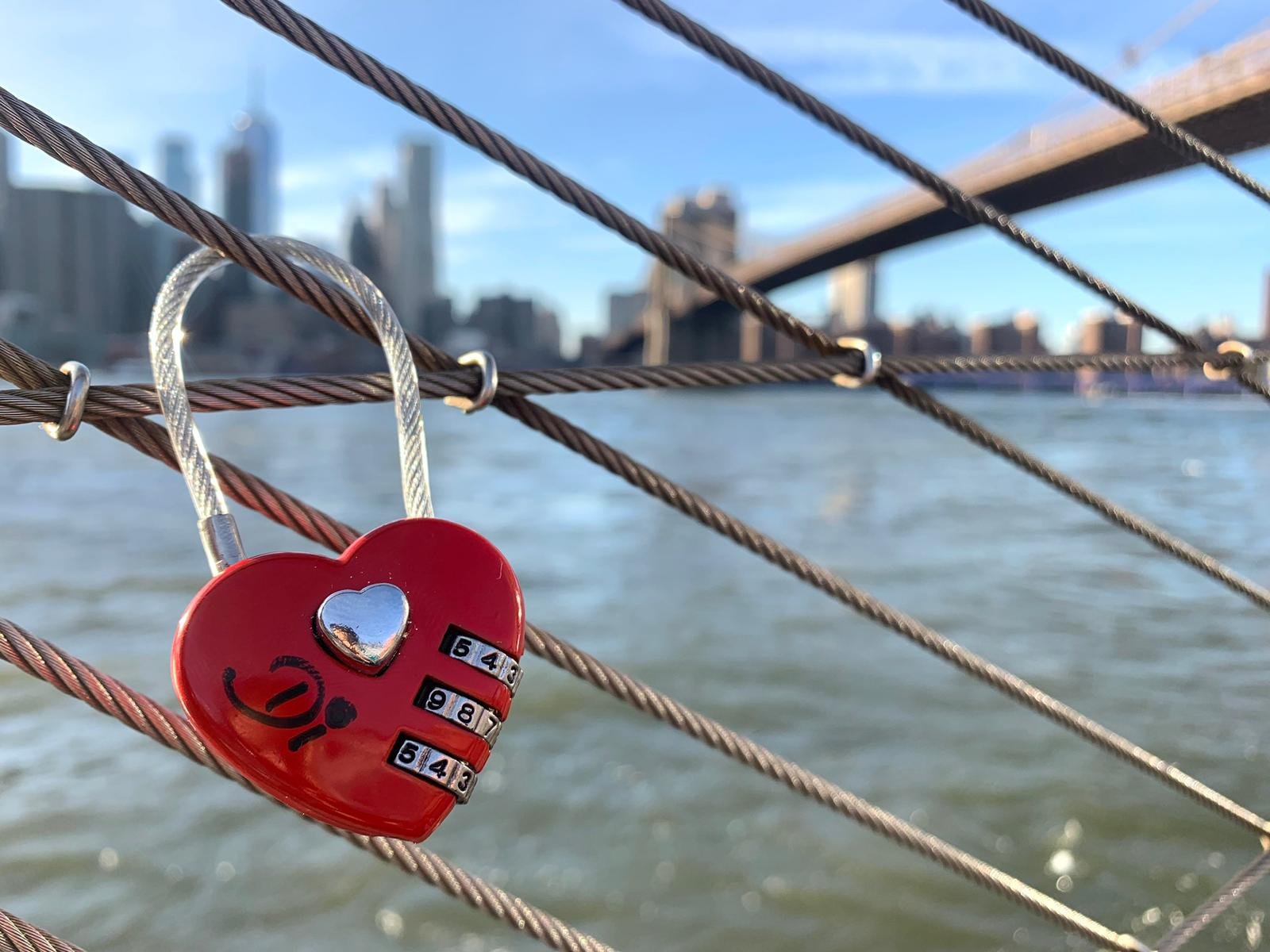
Writing a love letter to New York City is an exercise in capturing the sensory overload, historical weight, and intimate personal geography that define the five boroughs. Whether you are drafting a literary tribute, a professional essay, or a personal keepsake, the process requires moving beyond the standard imagery of skyscrapers and yellow cabs to identify the specific corners, sounds, and rhythms that anchor your individual experience within the urban landscape.
Understanding the Anatomy of a City Tribute
A successful "love letter" to New York is not a travel brochure; it is a subjective mapping of your relationship with a place that is perpetually changing. To write effectively about New York, you must first acknowledge its duality: it is both a global capital of commerce and a collection of localized, neighborhood-level experiences.
When you sit down to write, categorize your observations into three distinct layers: the sensory (what you see and hear), the temporal (how the city changes across hours or decades), and the emotional (how the city has shaped your identity).
The Sensory Landscape
New York’s identity is built on high-contrast sensory input. Consider the specific acoustic signature of your preferred subway line, the humidity of a mid-August afternoon on the asphalt, or the distinct silence that falls over a residential street in Brooklyn or Queens at 3:00 AM.
The Temporal Shift
New York exists in a constant state of flux. To write a timeless letter, anchor your narrative in the present moment of 2026 while acknowledging the remnants of what came before. Mentioning specific transit lines, local businesses that have survived decades, or the evolving architecture of the skyline provides a sense of authenticity that generic descriptions of "The Big Apple" lack.
Structuring Your Narrative
Before you begin drafting, it is essential to determine the tone of your piece. Is this a lament for a changing city, a celebration of its relentless pace, or an exploration of personal growth within its borders?
The Pre-Writing Phase: Identifying Your "New York"
- The Geography of Memory: Identify three locations that define your time in the city. These shouldn't necessarily be tourist landmarks; they might be a specific park bench, a neighborhood bodega, or the view from a bridge walkway.
- The Conflict: Every good letter requires tension. New York is difficult, expensive, and overwhelming. Acknowledging these challenges—the cost of living, the noise, the physical exhaustion—actually makes your praise more credible.
- The Catalyst: Why are you writing this now? Is it an anniversary, a departure, or simply a desire to document your life in the city during this current 2026 landscape?
Comparative Frameworks for Urban Narratives
When framing your tribute, consider how you compare New York to other urban environments or to its own past. Use the following table to help structure your thematic approach.
| Theme | Focus Area | Goal for the Writer |
|---|---|---|
| Pace | The hustle vs. the sanctuary | Describe how you find stillness in the kinetic energy. |
| Diversity | Neighborhood-specific cultures | Highlight the intersection of cultures within your immediate radius. |
| Legacy | Infrastructure and history | Connect the 2026 infrastructure to the city's historical layers. |
| Accessibility | Public transit and walking | Focus on the intimate nature of navigating the city on foot. |
Drafting Techniques for Depth
To reach the depth required for a professional or evocative piece, you must avoid platitudes. Do not write about "the city that never sleeps"; instead, write about the specific sounds that keep you awake in your neighborhood.
Moving Beyond the Cliché
Avoid generic references to landmarks unless they serve a personal function. If you must mention the Empire State Building, do not describe its height; describe how its light changes color during a specific holiday or event that is relevant to your personal timeline.
Incorporating Localized Detail
New York is an archipelago of neighborhoods. A letter focusing on the Lower East Side will feel entirely different from one focusing on the Upper West Side or the South Bronx. Use specific street names, subway stop codes, or the names of long-standing local establishments to ground the reader. In 2026, the intersection of technological advancement and historic preservation is particularly relevant—mentioning the mix of modern digital kiosks and century-old brownstones provides a grounded, contemporary context.
Common Mistakes to Avoid
The most frequent error in writing about New York is attempting to capture the whole city at once. You cannot encapsulate all 8 million stories. Focus on your specific, microscopic slice of the city.
- Avoid Over-Romanticization: New York is dirty, loud, and demanding. If you sanitize these aspects, the reader will not trust your narrative.
- Avoid Tourist-Perspective Narratives: Even if you are a visitor, write from a perspective of curiosity rather than consumption. Focus on how the city interacts with you, rather than just what the city provides for you.
- Chronological Overload: Do not spend 1,000 words on the history of the city. The history is there to serve your narrative, not the other way around. Keep the focus on the current era or your personal timeline.
Practical Steps for Finalizing Your Tribute
Once your draft is complete, review it against the following checklist to ensure professional quality and narrative strength:
- Read Aloud for Rhythm: New York has a staccato, percussive rhythm. Your prose should reflect this. If your sentences are all long and meandering, they may lack the energy of the city.
- Verify Cultural References: Ensure that any business, location, or cultural event mentioned is factually accurate to the 2026 landscape.
- Check for "The Insider’s View": Have you included at least one detail that only a resident or frequent visitor would know? This is the hallmark of a compelling piece.
- Edit for Conciseness: If a paragraph does not contribute to the overall emotional arc or the depiction of your specific New York, remove it.
Frequently Asked Questions
How do I make my love letter to New York feel personal rather than generic? Focus on your specific sensory experiences. Instead of writing about "the lights of Times Square," write about the specific way the light reflects off the windows of your apartment at dusk or how the smell of the street changes after a light spring rain. Personal, sensory-rich details are the antidote to the generic, travel-guide tone.
Should I mention the challenges of living in New York? Yes. A love letter that ignores the hardships of the city is insincere. Acknowledging the struggle—the rent, the transit delays, the crowds—actually deepens the reader’s appreciation for why you stay. It establishes the "love" as a conscious, resilient choice rather than an unexamined infatuation.
Is it okay to focus on only one borough or neighborhood? Absolutely. In fact, it is preferred. New York is too vast to summarize in a single piece. By focusing on a single borough or even a single neighborhood, you provide a more immersive experience for the reader. The specificity of a local perspective is always more resonant than a broad, sweeping overview.
How do I incorporate the "2026" timeframe without sounding like a news report? Use the current timeframe to anchor your observations about how the city has evolved. Mention current public works projects, the state of the subway system, or how the post-pandemic urban landscape has settled into its current form. Your perspective in 2026 should be the filter through which you view the history and the future of the city.
What is the best way to conclude a love letter to the city? The conclusion should be an affirmation of your ongoing commitment to the city. Avoid "In conclusion" or summarizing your points. Instead, leave the reader with a final image that encapsulates your relationship—perhaps an image of you walking home after a long day, or standing on a rooftop watching the city transform as the sun sets.
Final Recommendation: The "Neighborhood Anchor" Strategy
If you find yourself stuck, employ the "Neighborhood Anchor" strategy. Select one specific intersection or block that you know well. Spend your writing session detailing everything you have ever felt, seen, or learned while standing at that specific coordinate. By pinning your narrative to a physical location, you force yourself to avoid the abstract and move into the realm of the concrete, resulting in a much more powerful and authentic tribute to New York.