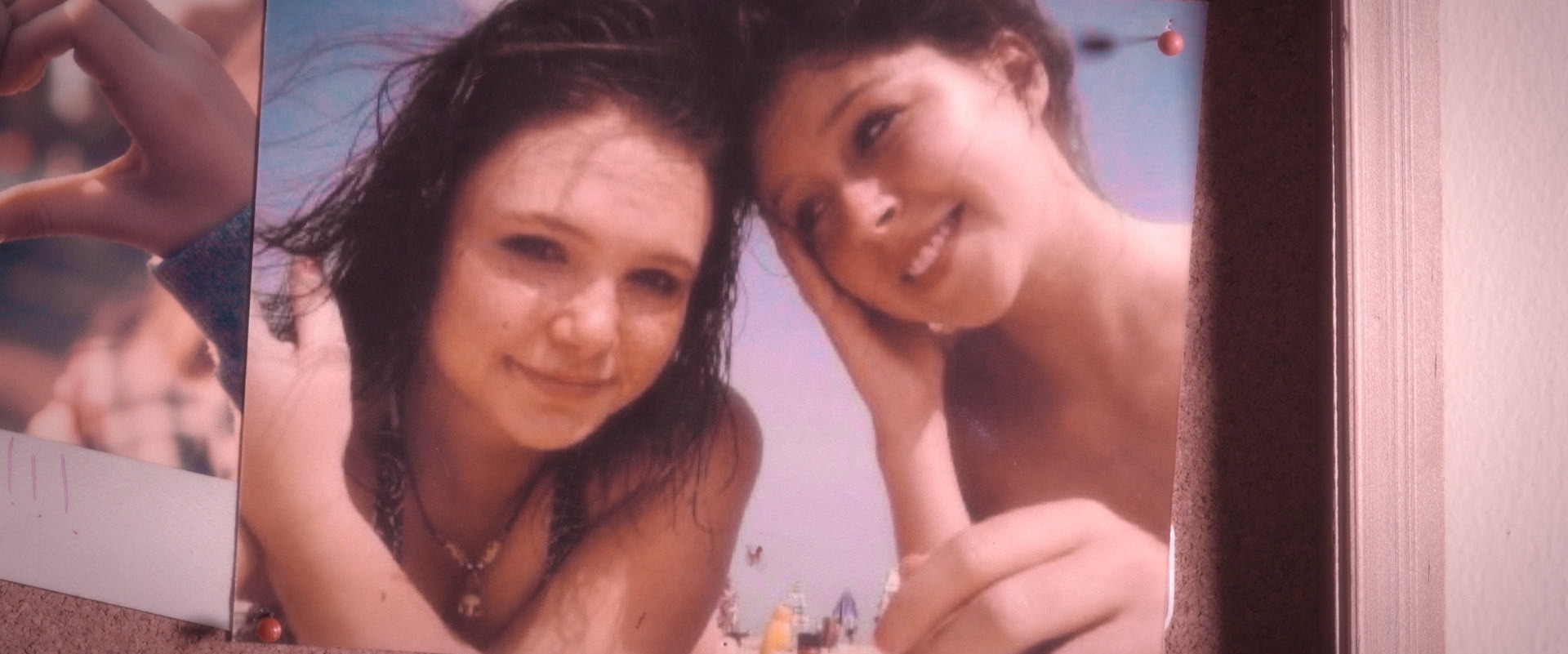
The 2014 television film Death Clique is widely recognized as the dramatized production inspired by the 2012 disappearance and murder of Skylar Neese. Produced by Lifetime, the movie serves as a fictionalized account of the events surrounding the teenager from Star City, West Virginia, rather than a strictly biographical documentary, focusing on the themes of teenage obsession, jealousy, and the tragic consequences of fractured friendships.
The Origin of the Story: A Tragic Reality
To understand the context of the film, one must look at the historical events of July 6, 2012. Skylar Neese, a 16-year-old student at University High School in Morgantown, West Virginia, snuck out of her bedroom window in the early hours of the morning. Security footage captured her getting into a vehicle driven by two of her friends, Sheila Eddy and Rachel Shoaf. This was the last time she was seen alive.
For months, the case remained a missing person investigation, plagued by uncertainty and intense media speculation. It was not until January 2013 that Rachel Shoaf confessed to her role in the crime, revealing that she and Eddy had planned and carried out the murder of their friend. The discovery of Neese’s remains in a remote area of Pennsylvania in March 2013 provided the tragic conclusion to a case that shocked the nation. The swift transition from a "missing person" story to a premeditated homicide involving peer betrayal became a significant subject in true crime reporting.
Distinguishing Fact from Fiction in Death Clique
When viewers seek out "the movie about Skylar Neese," they are generally directed toward the Lifetime movie Death Clique (also released under the title The Neighborhood Nightmare). It is critical for the audience to understand that this production is a dramatization. The filmmakers changed the names of the individuals involved and altered specific geographic and background details to create a narrative that captures the essence of the crime while avoiding a direct, unauthorized biographical depiction.
The film explores the "clique" dynamic, illustrating how intense teenage social hierarchies can spiral into toxicity. By focusing on the psychology of the perpetrators and the isolation of the victim, the movie attempts to provide a cautionary tale. However, because it is a dramatized work of fiction, it does not serve as a primary source for the legal facts of the Neese case. Those seeking the actual investigative findings, court transcripts, and statements provided by the authorities should look toward official reports from the West Virginia State Police and the records of the Monongalia County Circuit Court.
Examining the Impact on Media and True Crime Culture
The dramatization of the Skylar Neese case highlights a broader trend in 2020s media: the adaptation of real-life tragedies into "ripped from the headlines" television movies. While these productions often generate high viewership, they frequently draw criticism from families of victims who feel that their trauma is being commodified for entertainment.
The Skylar Neese case was particularly resonant because it subverted the common expectations of true crime stories. There was no "stranger danger" or complex criminal masterminding; the perpetrator was not a faceless entity, but the victim's closest companions. This element of betrayal is central to the film’s narrative. The movie utilizes the tropes of high school drama to amplify the horror of the realization that the people closest to a victim may be the ones with the darkest intentions.
Comparative Analysis: Fact vs. Screen Adaptation
The following table highlights the differences between the real-world events and the typical approach taken in dramatizations like Death Clique.
| Feature | Reality (The Skylar Neese Case) | Dramatization (Death Clique) |
|---|---|---|
| Names | Skylar Neese, Sheila Eddy, Rachel Shoaf | Fictionalized names to protect privacy |
| Legal Status | Public record, guilty pleas, sentencing | Narrative storytelling for entertainment |
| Geographic Detail | Star City/Morgantown, WV | Generic suburban setting |
| Source Material | Police reports, court testimonies | Scriptwriters' interpretation of the case |
| Purpose | Documentation of criminal justice | Narrative entertainment and social commentary |
Requirements for Understanding the Case Properly
For those who wish to move beyond the entertainment value of the movie and understand the true circumstances, there are several steps to take:
- Access Official Court Records: The guilty pleas of Rachel Shoaf and Sheila Eddy are matters of public record. Accessing these through the Monongalia County Clerk’s office or verified legal databases provides the most accurate timeline of events.
- Review Investigative Journalism: Reputable media outlets, such as Dateline NBC or 20/20, have produced detailed investigative segments that provide more factual depth than a scripted movie.
- Engage with Advocacy Material: Skylar’s parents, Dave and Mary Neese, have been active in advocating for legislation, specifically "Skylar's Law," which concerns the issuance of Amber Alerts for missing children who are not necessarily abducted. Reviewing these initiatives provides a more constructive perspective on the aftermath of the tragedy.
Addressing Common Questions
The intense public interest in this case has led to several recurring questions. It is important to approach these with a focus on accuracy rather than hearsay.
- Is the movie an accurate biography? No. It is a work of fiction inspired by the events. It does not document the lives of the individuals involved with biographical accuracy.
- Where can I find the real story? The most reliable information comes from the court transcripts regarding the sentencing of the defendants and the official statements released by law enforcement in 2013.
- Why did they do it? In the courtroom, it was established that the motive was rooted in a desire to distance themselves from Skylar, combined with the fear that she would reveal information about them.
- What is "Skylar's Law"? It is a legislative mandate in West Virginia that requires an Amber Alert to be issued for missing children, regardless of whether there is evidence of abduction, effectively addressing the gaps that hindered the initial search for Skylar.
The Danger of Ignoring the Reality
One of the most concerning aspects of fictionalizing cases like this is that viewers may substitute the "movie version" for the truth. When details are blurred, the actual warning signs that were present in the months leading up to the crime—such as the changes in behavior and the subtle shifts in social dynamics—can be lost. A study of the real case serves as a vital tool for parents and educators to identify the signs of gaslighting, exclusionary bullying, and the potential for violence in adolescent friendships.
Understanding the "why" behind the crime requires looking at the lack of empathy displayed by the perpetrators, which is often sanitized in film. The reality of the case involved complex psychological dynamics that no two-hour television movie can fully explore. By separating the entertainment product from the legal reality, researchers and observers can maintain a more respectful and accurate view of the tragedy.
Ethical Considerations in Crime Dramas
When creators produce content based on recent or highly sensitive true crimes, they face significant ethical hurdles. The primary concern is the impact on surviving family members. The Neese family has expressed the difficulty of seeing their daughter's life repurposed as a plot point for a suspense movie. As a consumer, it is essential to exercise discretion. Supporting factual documentaries or investigative reports is often considered a more respectful approach than viewing sensationalized dramatizations.
Furthermore, these films often rely on "shock value" to keep the audience engaged. While Death Clique aims to provide insight into the toxicity of teenage relationships, its format inherently limits the depth of the analysis. It is an interpretation, not an objective examination of the factors that led to the breakdown of their friendship.
Final Recommendations for Further Research
For those interested in a comprehensive understanding of the Skylar Neese case, prioritize primary sources over secondary dramatizations. Start by reading official legal documents and news archives from 2013, when the facts were first established in the court of law. If you choose to view the film, do so with the understanding that it is a creative product meant for a mass-market audience, rather than a factual record.
The most productive way to honor the memory of the victim is to focus on the legislative progress that followed her death. The implementation of "Skylar's Law" represents a concrete, positive outcome from an otherwise senseless tragedy. By turning attention toward the systemic changes in how missing person cases are handled, the public can ensure that the legacy of this case contributes to the safety of other children, rather than existing solely as a piece of entertainment.
If you are currently researching this case for academic or personal reasons, begin by searching for the official transcripts of the juvenile hearings and the subsequent adult proceedings in West Virginia. These documents provide the clearest evidence of the premeditated nature of the crime and the legal consequences that followed.