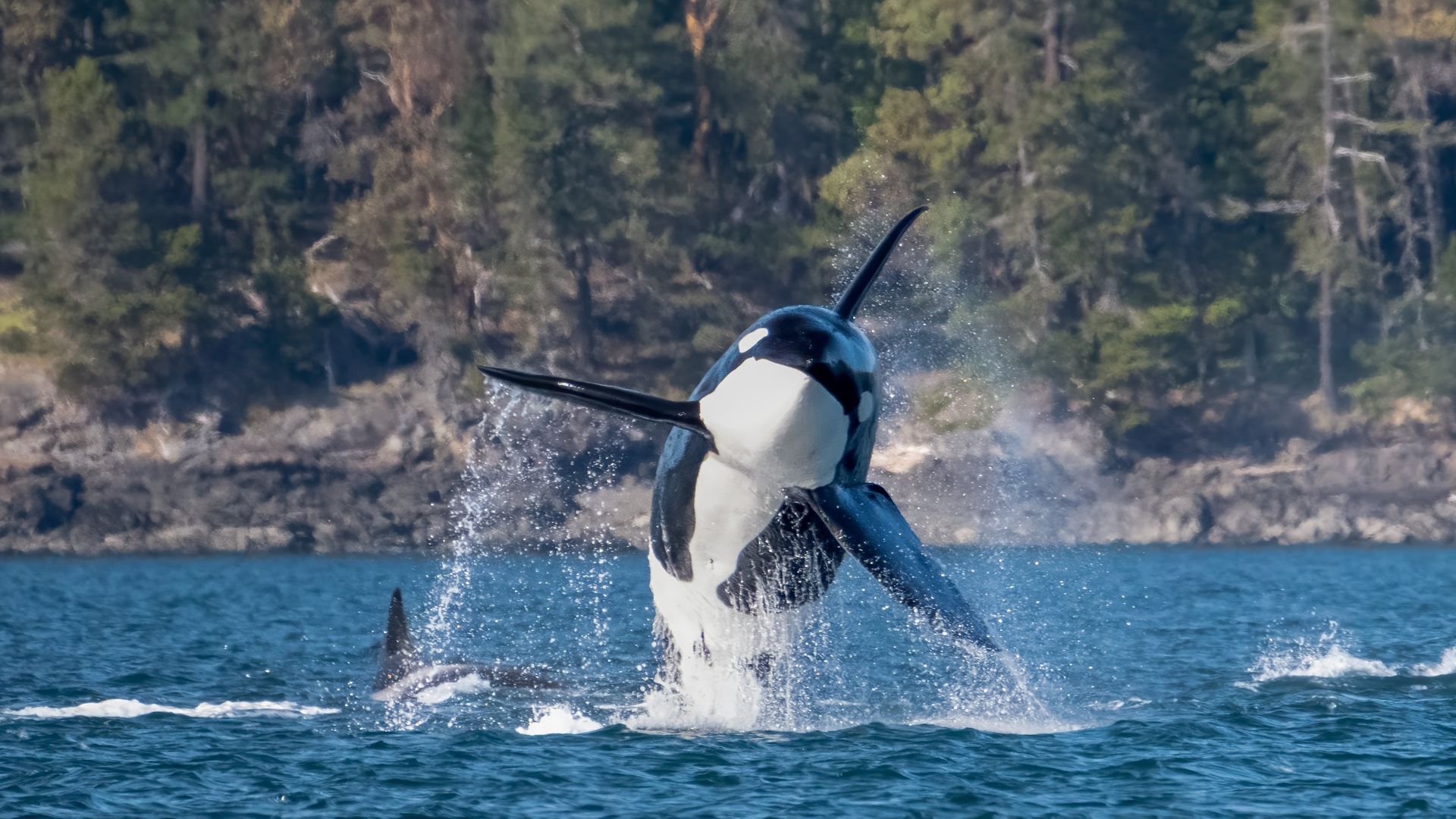
Yes, killer whales (Orcinus orca) are indeed members of the dolphin family, Delphinidae. Despite their common name and massive size, which often leads to confusion with the larger baleen whales, they are scientifically classified as the largest species of oceanic dolphin. They share the same evolutionary lineage as other dolphin species, possessing the characteristic conical teeth and streamlined body morphology that distinguish their family from the true whales.
Understanding the Taxonomy of Orcinus orca
The classification of the killer whale sits at the intersection of common naming conventions and rigorous scientific nomenclature. The term "killer whale" is a colloquialism, a direct translation of the Spanish asesina ballenas (whale killer), which was used by sailors who observed these apex predators hunting larger whales. However, in the field of marine mammalogy, the animal is formally categorized within the suborder Odontoceti, or toothed whales.
Within this suborder, orcas belong to the family Delphinidae. This family includes all oceanic dolphins, such as the common bottlenose dolphin (Tursiops truncatus) and the long-finned pilot whale. The confusion arises because the name "whale" is used broadly in English to describe any massive marine mammal. Scientifically, however, "whale" is a paraphyletic group. By grouping all toothed whales into a single classification, the taxonomical reality becomes clear: an orca is a dolphin in the same way a square is a rectangle—it belongs to a specific, more refined category within a larger grouping.
Morphological Characteristics: Why Orcas Are Dolphins
The anatomical traits of the killer whale align perfectly with the standard characteristics found in the family Delphinidae. To distinguish dolphins from other cetaceans, scientists look at cranial structure, dentition, and skeletal features.
Dentition and Skull Structure
Dolphins are defined by having conical, homodont teeth (teeth that are all similar in shape). Killer whales possess large, interlocking teeth designed for grasping and tearing prey, rather than the filtering apparatus seen in baleen whales. Furthermore, their skull structure, specifically the presence of a "melon"—a fatty organ on the forehead used for echolocation—is a hallmark feature of the Delphinidae family.
Body Shape and Size
While the size of an orca is vastly different from that of a common dolphin, the fundamental body plan is identical. Both have a streamlined, fusiform body designed for hydrodynamics, a distinct dorsal fin, and pectoral flippers. The dorsal fin of an orca, while significantly larger, serves the same purpose as the dorsal fin of smaller dolphins: stability and temperature regulation.
Scientific Classification Hierarchy
To visualize where the killer whale fits within the biological hierarchy, it is helpful to look at the lineage from the Order down to the Genus.
| Taxonomical Rank | Name | Description/Notes |
|---|---|---|
| Order | Artiodactyla | Even-toed ungulates (includes whales and hippos) |
| Infraorder | Cetacea | Whales, dolphins, and porpoises |
| Parvorder | Odontoceti | Toothed whales (echolocating species) |
| Family | Delphinidae | Oceanic dolphins (includes orcas and pilot whales) |
| Genus | Orcinus | Monotypic genus containing only the killer whale |
| Species | Orcinus orca | The single species of killer whale |
The table above illustrates that while the killer whale is its own unique genus and species, it is firmly nested within the Delphinidae family. This differentiation explains why they exhibit high levels of social intelligence, complex vocalizations, and cooperative hunting strategies that are synonymous with dolphin behavior.
Behavioral Similarities to Other Dolphins
Beyond physical appearance, the behavioral repertoire of the killer whale is a testament to its status as a highly evolved dolphin. Many of the behaviors observed in smaller dolphin species are scaled up in orcas, suggesting a shared cognitive framework.
Complex Social Structures
Orcas are known for their matrilineal social structure, where pods are led by the eldest female. This is highly reminiscent of the social bonding observed in pilot whales and bottlenose dolphins. These animals live in stable social groups that remain together for decades, demonstrating a level of familial cohesion rarely seen in other marine mammals.
Echolocation and Communication
Like all members of the Odontoceti parvorder, orcas utilize sophisticated echolocation to navigate, hunt, and interact with their environment. They produce clicks, whistles, and pulsed calls. Researchers have identified that different pods of orcas possess unique "dialects," a social learning behavior that has been documented in other dolphin species as well. This ability to pass down cultural knowledge, such as hunting techniques, is a hallmark of the intelligence shared across the dolphin family.
Cooperative Hunting
The cooperative hunting strategies of killer whales, such as the deliberate beaching of themselves to capture pinnipeds or the coordinated washing of seals off ice floes, represent some of the most complex predatory behaviors in the animal kingdom. While these strategies are specialized for the orca's size and prey preference, they mirror the cooperative "fish herding" behaviors seen in smaller coastal dolphins.
Common Misconceptions Regarding Dolphin Taxonomy
The primary source of confusion for the public is the nomenclature of "whales" versus "dolphins." Because the term "whale" is used as a colloquial blanket for many cetaceans, it creates a false dichotomy where the public perceives "dolphins" as small, friendly creatures and "whales" as large, potentially dangerous animals.
The Role of Size in Categorization
Size does not dictate taxonomy. If size were the determinant, all cetaceans over a certain weight would be classified as whales. However, biological classification is based on evolutionary history and genetic descent. Genetic studies, including mitochondrial DNA sequencing, have consistently placed Orcinus orca within the Delphinidae family, confirming that their closest relatives are actually smaller dolphins, not the great whales like the Blue or Humpback.
The "Killer" Misnomer
The name "killer whale" reinforces the perception that they belong to the whale category. Historical accounts from whalers in the 18th and 19th centuries referred to them as "whale killers" due to their aggressive hunting of larger whales. Over time, the name was simplified to "killer whale." If the species were named today using strictly scientific conventions, it would likely be referred to as the "great dolphin" or "blackfish," terms that would more accurately reflect its place in the Delphinidae family.
Environmental Impacts and Conservation
Understanding that the killer whale is a dolphin is crucial for conservation efforts. Different species of dolphins face different environmental threats, and the management of orca populations requires an understanding of their specific lifecycle, migratory patterns, and dietary dependencies.
As apex predators, orcas serve as a barometer for the health of the entire marine ecosystem. Because they are at the top of the food chain, they accumulate persistent organic pollutants and heavy metals in their fatty tissues through a process known as biomagnification. Recognizing their biological affinity with smaller dolphins helps researchers apply insights from broader cetacean studies to the specific challenges faced by orca pods, particularly concerning habitat loss and prey depletion.
Frequently Asked Questions
Are all whales technically dolphins?
No. Whales are divided into two main groups: baleen whales (Mysticeti) and toothed whales (Odontoceti). Only the toothed whales—a group that includes dolphins, porpoises, and sperm whales—are related to the dolphin family. Baleen whales, such as Blue and Humpback whales, belong to an entirely different lineage.
Can an orca breed with other dolphins?
While hybridization between different dolphin species has been documented in captivity and occasionally in the wild, it is extremely rare. Orcas are genetically distinct enough from most other Delphinidae that successful interbreeding is not a standard occurrence.
Is the Orca the only dolphin called a whale?
No. Other members of the Delphinidae family, such as the Pilot whale and the False killer whale (Pseudorca crassidens), also carry the word "whale" in their common names despite being dolphins. This naming inconsistency is a common issue in vernacular biology.
Do killer whales have porpoise-like features?
While both orcas and porpoises are toothed whales, they belong to different families. Porpoises (Phocoenidae) are generally smaller, have flattened, spade-shaped teeth, and lack the prominent, elongated beak often associated with many dolphin species. Orcas share more anatomical similarities with dolphins than with porpoises.
Why do some people say orcas are not dolphins?
People often rely on the visual disparity between the massive orca and the smaller bottlenose dolphin. Because the English language separates these animals into "whales" and "dolphins" based on size and historical naming conventions, it creates a linguistic divide that does not reflect the scientific reality of their evolution.
Moving Forward with Marine Science
When discussing the classification of marine mammals, it is essential to prioritize genetic and morphological evidence over historical naming conventions. The killer whale stands as a remarkable example of evolutionary success, having adapted to occupy every major ocean on the planet. By correctly identifying it as the largest member of the dolphin family, we gain a better appreciation for the adaptability and complex social intelligence that characterize the Delphinidae. Whether you are a student of marine biology or simply an enthusiast, recognizing that the "killer whale" is a dolphin is the first step in understanding the true, sophisticated nature of these marine predators.