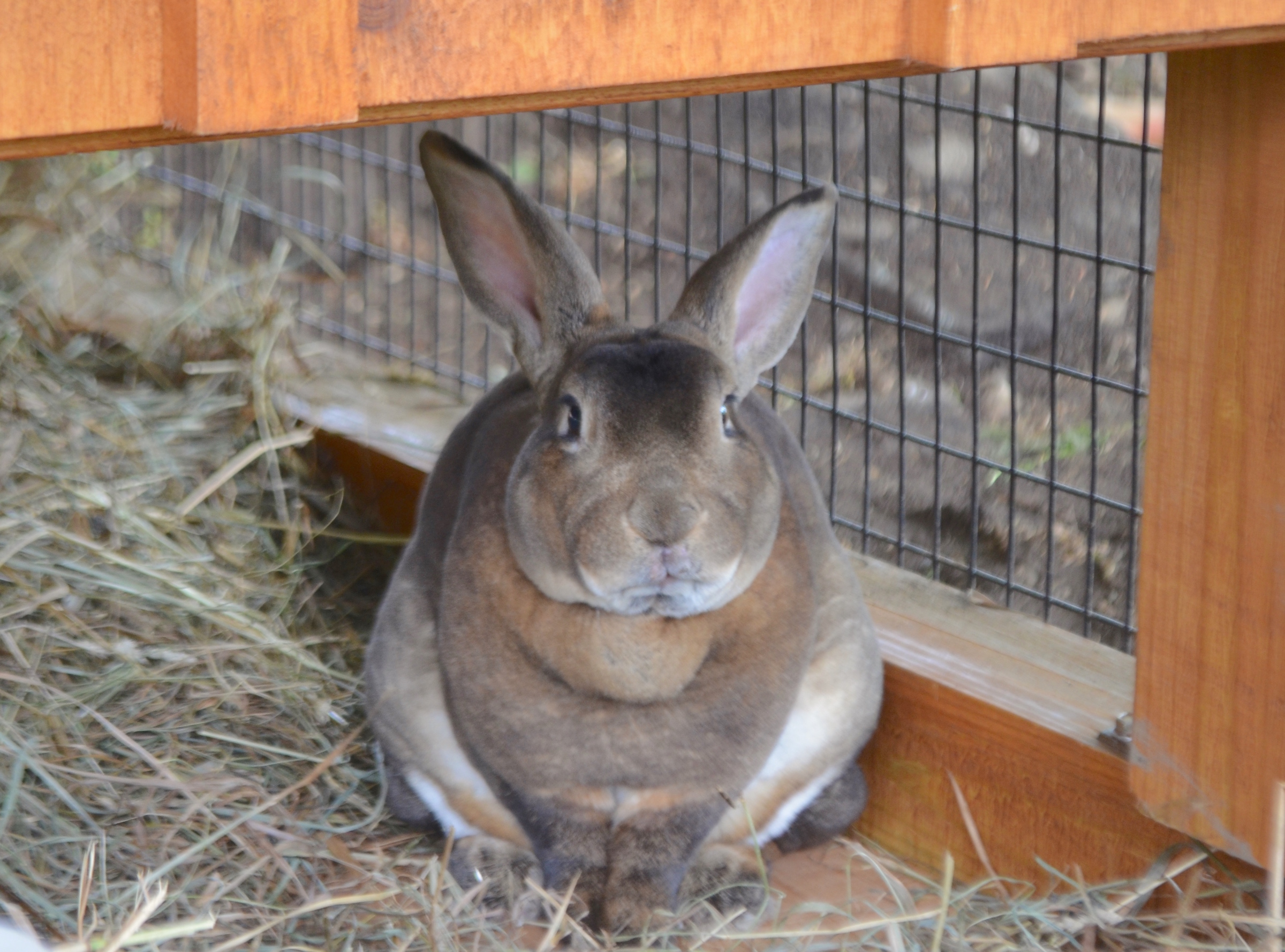
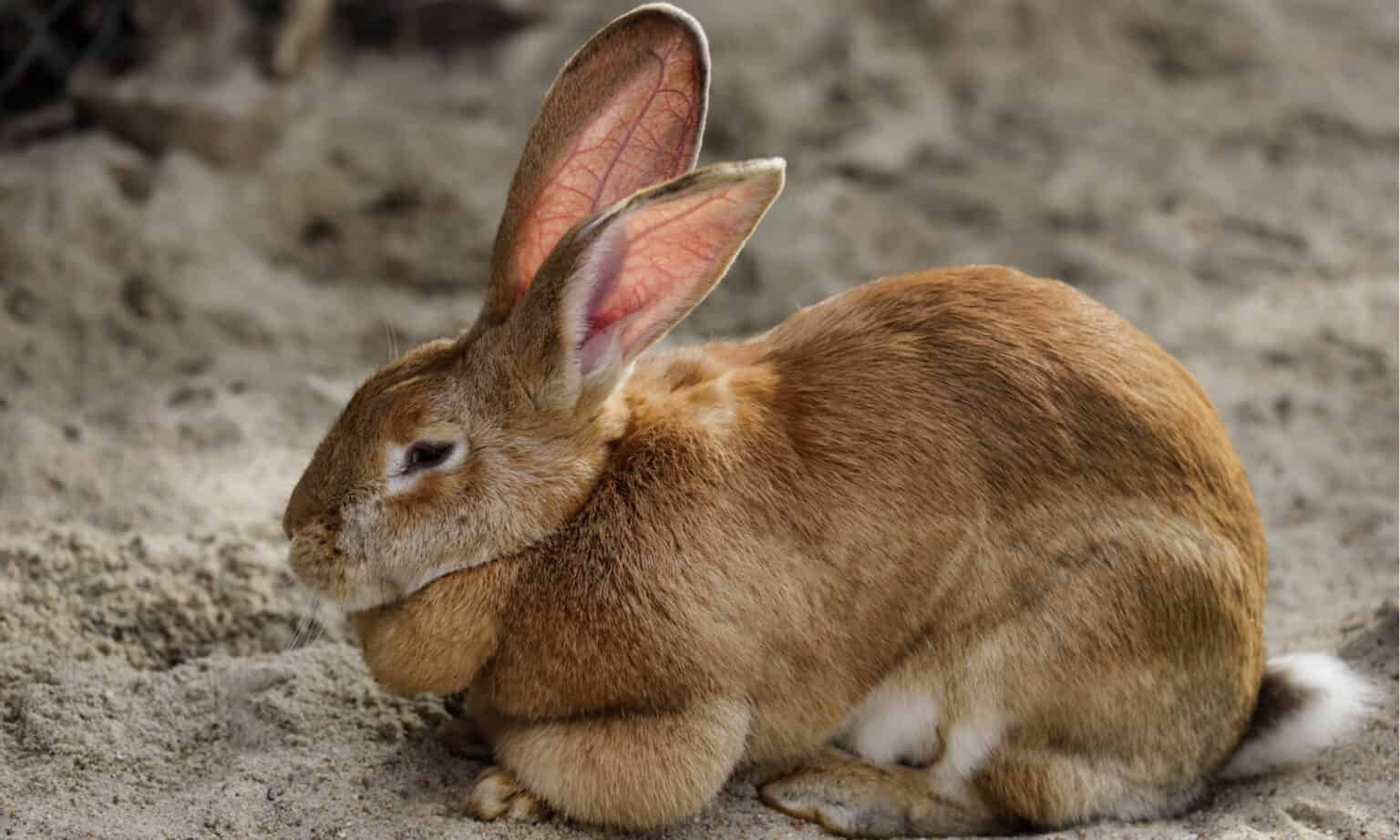
Giant rabbits make exceptional pets for owners who can provide significant indoor space and a substantial budget for their care. Known for their docile, dog-like temperaments, these breeds are often calmer than smaller rabbits. However, they require specialized housing, high-volume diets, and specific medical attention to thrive in a domestic environment.
Whether you are considering a Flemish Giant, a Continental Giant, or a French Lop, these "gentle giants" represent a significant commitment. In 2026, as more people move toward house-rabbit ownership rather than outdoor hutching, understanding the nuances of giant breed care is essential before bringing one into your home.
Understanding the "Giant" Label: Popular Breeds in 2026
When we discuss giant rabbits, we are referring to specific breeds recognized by organizations like the American Rabbit Breeders Association (ARBA) or the British Rabbit Council (BRC). These animals are not merely "large" versions of standard rabbits; they have distinct genetic backgrounds, growth rates, and physiological needs.
The Flemish Giant
The Flemish Giant is the most recognized giant breed globally. Originally bred for meat and fur, it has transitioned into a popular pet role due to its intelligence and calm demeanor. In 2026, a healthy adult Flemish Giant typically weighs between 13 and 20 pounds, though some individuals can exceed 22 pounds. They are characterized by their long, upright ears and a "mandolin" body shape.
The Continental Giant
Often called the "Conti," this breed is one of the largest in the world. They are frequently used in competitions to claim the title of "World’s Largest Rabbit." Contis require even more space than Flemish Giants and are known for being incredibly social. They often seek out human interaction and can become quite depressed if left alone for long periods.
The French Lop
While slightly smaller in weight than the Flemish or Continental, the French Lop is still classified as a giant breed. Their hallmark is their long, drooping ears and heavy-boned, stocky build. They generally weigh between 10 and 15 pounds. Because of their ear structure, they are more prone to ear infections, requiring owners to be diligent with grooming and health checks.
Personality and Temperament: Why They Aren’t Your Typical Bunny
One of the primary reasons people choose giant rabbits over smaller breeds is their temperament. Smaller rabbits are often high-strung, easily startled, and can be "nippy" or prone to kicking when handled. Evolutionarily, small rabbits are high-value prey, making them naturally more nervous.
Giant rabbits tend to be more laid-back. Their size affords them a level of confidence that smaller rabbits lack. Many owners describe their giant rabbits as "dog-like." They often follow their owners from room to room, enjoy being petted on the floor, and may even learn to come when called.
However, "gentle" does not mean "low maintenance." Their intelligence means they require more mental stimulation. A bored giant rabbit is a destructive giant rabbit. Because of their size, they can chew through baseboards, furniture legs, and heavy-duty cables much faster than a standard-sized bunny. Socialization is a requirement, not an option; they need several hours of daily interaction with their human family or a bonded rabbit companion.
Essential Housing Requirements: Moving Beyond the Cage
The most common mistake new owners make is attempting to house a giant rabbit in a standard cage or hutch. In 2026, the consensus among veterinary professionals and rabbit welfare organizations is that giant rabbits should never be caged.
The Free-Roaming Model
Ideally, a giant rabbit should be free-roaming in a rabbit-proofed home or have a dedicated "rabbit room." If they must be confined, the enclosure should be at least 30 to 40 square feet of horizontal space. High-quality exercise pens (X-pens) designed for large dogs are often the best solution for creating a safe "home base."
Floor Surfaces and Traction
Because giant rabbits carry so much weight on their paws, the type of flooring you provide is critical. Unlike dogs or cats, rabbits do not have pads on their feet; they only have fur. Hardwood, laminate, and tile floors are often too slippery for them, which can lead to "splay leg" or chronic joint stress.
To prevent these issues, provide plenty of low-pile rugs or foam mats. This traction allows the rabbit to move confidently without putting undue strain on their hips and hocks.
Rabbit-Proofing for Giants
Rabbit-proofing a home for a giant breed involves more than just hiding phone chargers. A Flemish Giant can easily reach items on a coffee table or the first few shelves of a bookcase. You must secure all electrical cords in hard plastic protectors and ensure that any houseplants—many of which are toxic to lagomorphs—are kept well out of reach.
Diet and Nutrition: Feeding a Large-Scale Herbivore
Feeding a giant rabbit is significantly more expensive than feeding a smaller pet. Their digestive systems are highly sensitive and require a precise balance of fiber to prevent Gastrointestinal (GI) Stasis, a potentially fatal condition.
- Hay (80% of diet): Giant rabbits consume massive quantities of Timothy, Orchard, or Meadow hay. In 2026, owners often find it more economical to buy hay by the bale from local farms rather than in small bags from pet stores. Hay provides the necessary fiber for gut motility and helps wear down their continuously growing teeth.
- Leafy Greens: An adult giant rabbit needs 2 to 4 cups of fresh leafy greens daily. Romaine lettuce, kale, cilantro, and parsley are staples. Avoid iceberg lettuce, as it contains lactucarium, which can be harmful in large quantities, and has little nutritional value.
- Pellets: High-quality, hay-based pellets should be provided in limited quantities—usually about 1/4 to 1/2 cup per day, depending on the rabbit’s weight. Overfeeding pellets is a leading cause of obesity in giant breeds.
- Water: Because of their size, giant rabbits drink a surprising amount of water. A heavy ceramic bowl is preferable to a drip bottle, as it allows for a more natural drinking posture and provides the volume they need to stay hydrated.
Healthcare Challenges and Lifespan Considerations
Prospective owners must be aware that giant rabbits generally have shorter lifespans than smaller breeds. While a Netherland Dwarf might live 10 to 12 years, a Flemish Giant typically lives between 5 and 8 years.
Weight-Related Issues
Obesity is a major health risk for giant breeds. Extra weight puts pressure on their heart and joints and makes it difficult for them to reach their "cecotropes" (specialized droppings they must re-ingest for nutrition). A sedentary giant rabbit is at high risk for "sore hocks" (pododermatitis), which are painful sores on the bottom of the feet that can become infected.
Veterinary Care and Costs
Not all veterinarians treat rabbits. You will need to locate an "exotic" or "small mammal" specialist. In 2026, the cost of a check-up for a giant rabbit is often higher than for a dog or cat. Furthermore, because many medications are dosed by weight, a 20-pound rabbit will require significantly more expensive prescriptions than a 3-pound rabbit.
Annual vaccinations for Rabbit Hemorrhagic Disease Virus (RHDV2) are mandatory in many regions to ensure the safety of your pet. According to the USDA APHIS, RHDV2 is a highly contagious and fatal viral disease that has affected rabbit populations across North America.
Training and Socialization: Litter Box Success
One of the greatest "pros" of giant rabbits is that they are highly trainable. Like cats, they can be easily litter box trained. Their natural instinct is to eliminate in one specific corner, usually while they are eating hay.
To litter-train a giant rabbit, place a large litter box—usually a high-sided cat litter pan or a large under-bed storage tub—in the corner they have chosen. Fill it with a rabbit-safe litter (paper-based pellets are best; never use clumping cat litter or cedar shavings) and top it with a handful of fresh hay.
Giant rabbits can also be taught basic commands using positive reinforcement. Using small pieces of fruit (like a slice of banana or apple) as a high-value reward, you can train them to "spin," "target" a stick, or enter their carrier on command.
Financial Commitment: Breaking Down the Costs
Owning a giant rabbit is a significant financial undertaking. Beyond the initial adoption or purchase fee, the recurring costs can be substantial.
| Expense Category | Monthly Estimated Cost (2026) | Annual Total |
|---|---|---|
| High-Quality Hay | $30 – $50 (if bought in bulk) | $360 – $600 |
| Fresh Vegetables | $60 – $100 | $720 – $1,200 |
| Pellets and Litter | $25 – $40 | $300 – $480 |
| Veterinary (Routine) | N/A | $200 – $400 |
| Emergency Fund | $50 (Recommended) | $600 |
| Total | $165 – $240+ | $2,180 – $3,280+ |
Note: These estimates do not include the initial setup costs for housing, rabbit-proofing, or spaying/neutering, which can range from $500 to $1,000 depending on your location.
Is a Giant Rabbit Right for Your Household?
To determine if a giant rabbit is a good pet for you, consider these final pros and cons:
The Pros
- Gentle Personalities: Their calm nature makes them excellent companions for adults and older children.
- Dog-Like Interaction: They are more likely to seek out human affection than smaller breeds.
- Ease of Handling: While they are heavy, they are generally more stable and less "squirmy" than small rabbits.
- Intelligence: They are highly responsive to clicker training and enrichment activities.
The Cons
- Space Demands: They cannot live in a cage; they require a significant portion of your living space.
- Expense: They eat more, need more litter, and require more expensive medical care than standard rabbits.
- Lifespan: Their shorter lifespan can be emotionally difficult for families.
- Fragility: Despite their size, they still have a fragile skeleton. A fall or improper handling can lead to broken bones or a snapped spine.
Frequently Asked Questions
Are giant rabbits good with children?
Giant rabbits can be excellent with children, provided the children are supervised and taught how to interact respectfully. Because of their size, they are less likely to be accidentally injured by a toddler than a small breed. However, children should never attempt to pick up a giant rabbit, as their weight makes them difficult to hold securely, and a struggle could result in injury to both the child and the rabbit.
Do giant rabbits smell?
Rabbits themselves are very clean animals and have no natural body odor. Any smell associated with a giant rabbit usually comes from their litter box. Because they produce a large volume of urine, their litter boxes must be cleaned daily to prevent ammonia buildup. Using a high-quality, absorbent paper-based litter is essential.
Can giant rabbits live outdoors?
While some giant breeds were historically kept outdoors, modern veterinary guidance in 2026 strongly recommends keeping them indoors. Giant rabbits are highly susceptible to temperature extremes, especially heat. They are also at risk from predators, even if they are in a "secure" hutch, as the stress of seeing a predator can cause a heart attack.
Do they get along with dogs and cats?
Many giant rabbits live successfully with dogs and cats, but it depends entirely on the individual animals' temperaments. A "gentle" giant rabbit is still a prey animal, and a dog with a high prey drive can be a lethal threat. Always supervise interactions and ensure the rabbit has a safe space where the other pets cannot reach them.
How much grooming do they need?
Giant rabbits need regular grooming, especially during their "molt" (shedding season), which occurs several times a year. During a molt, they should be brushed daily to prevent them from ingesting too much fur, which can lead to intestinal blockages. Breeds like the French Lop also need their ears checked weekly for debris or signs of infection.
Final Recommendation
If you have the space to spare and the budget to support a large-scale herbivore, a giant rabbit can be one of the most rewarding pets you will ever own. Their quiet, affectionate presence and surprising intelligence make them a unique addition to the home. However, if you are looking for a "starter pet" for a child or a pet that can be confined to a small corner of a room, a giant breed is not the right choice. Before making a decision, consider visiting a rabbit-specific rescue to meet these gentle giants in person and see if your lifestyle matches their considerable needs.