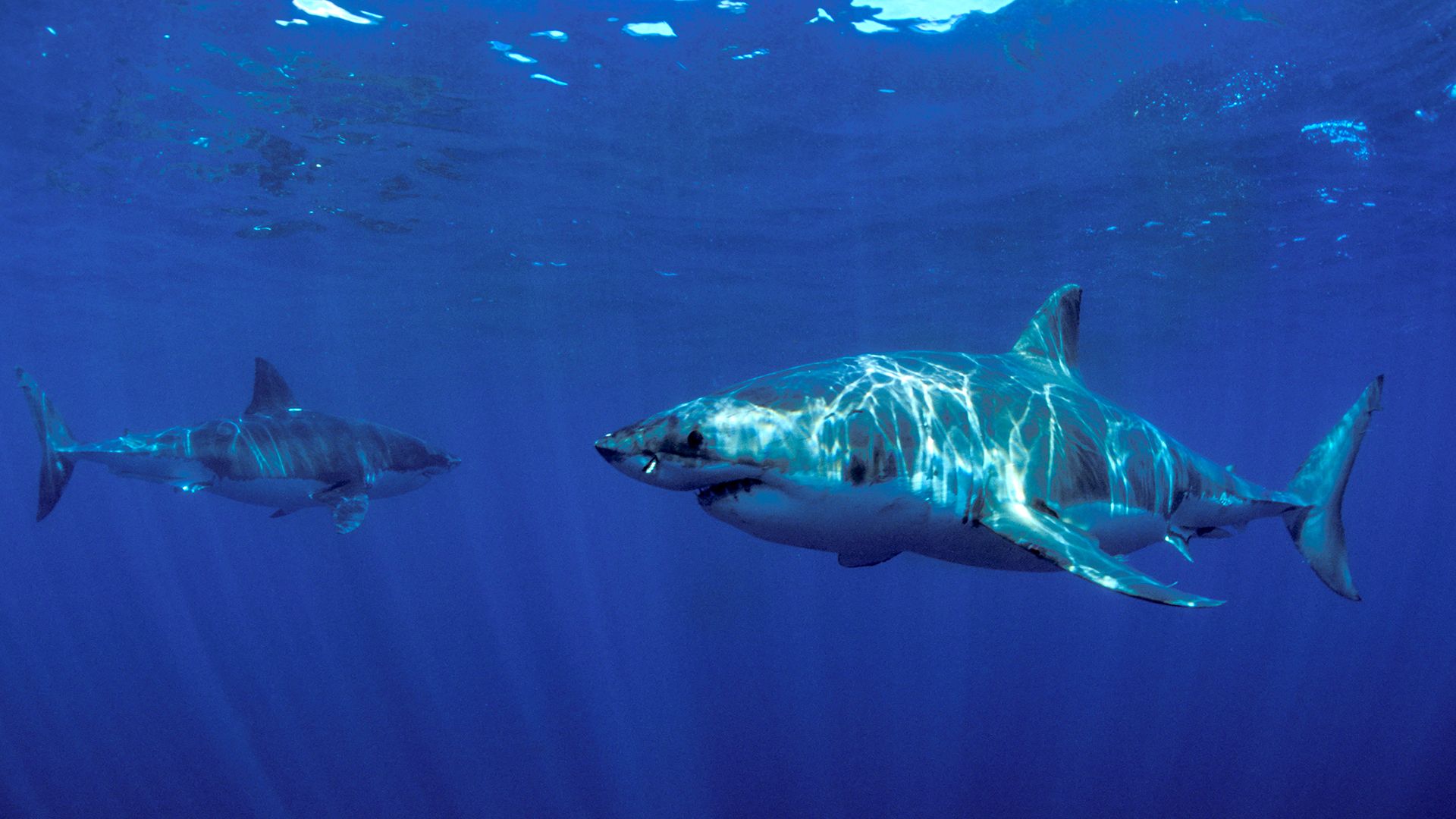
Great white sharks are not strictly warm-blooded like mammals, nor are they typical cold-blooded fish. They utilize a specialized biological system called regional endothermy. This allows them to maintain specific internal organs and muscles at temperatures significantly higher than the surrounding seawater, providing a massive predatory advantage in cold environments.
While the majority of fish species are ectotherms—meaning their internal body temperature is dictated entirely by the water around them—the great white shark (Carcharodon carcharias) belongs to a select group of apex predators that break this rule. In the scientific community, calling a great white "warm-blooded" is a simplified way of describing a complex physiological process known as regional endothermy.
As of 2026, marine biologists continue to study how this metabolic trait influences the migration patterns and hunting strategies of these sharks across the globe. By keeping their core temperature elevated, great whites can inhabit a wider range of ecological niches than their strictly cold-blooded relatives.
Defining the Spectrum: Ectotherms vs. Endotherms
To understand the unique biology of the great white shark, it is necessary to distinguish between the two primary methods of thermoregulation in the animal kingdom. Most people are familiar with the binary of "warm-blooded" and "cold-blooded," but nature exists on a more nuanced spectrum.
Ectothermy (Cold-Blooded)
The vast majority of fish, reptiles, and amphibians are ectotherms. They rely on external heat sources to regulate their body temperature. If a standard fish swims into water that is 10°C (50°F), its internal tissues will drop to 10°C. This limits their physical activity in cold water, as chemical reactions and muscle contractions slow down significantly when temperatures drop.
Endothermy (Warm-Blooded)
Mammals and birds are endotherms. They generate heat internally through metabolic processes and maintain a constant body temperature regardless of the external environment. This requires a high caloric intake but allows for consistent physical performance in diverse climates.
Regional Endothermy (The Great White's Secret)
The great white shark occupies a middle ground. It is a regional endotherm, meaning it is capable of generating internal heat but only maintains that heat in specific, critical areas of its body. The rest of the shark's periphery may remain closer to the ambient water temperature. This strategy offers many of the benefits of warm-bloodedness without the extreme metabolic cost of heating the entire body.
The Mechanism: How the Rete Mirabile Works
The great white shark’s ability to retain heat is made possible by a specialized vascular structure called the rete mirabile (Latin for "wonderful net"). This is a complex system of intertwined veins and arteries that acts as a counter-current heat exchanger.
In a typical fish, warm blood leaving the heart travels to the gills to receive oxygen. At the gills, the blood is exposed to cold seawater, losing its heat before circulating back into the body. However, in the great white, the arrangement of blood vessels is strategically altered.
- Heat Generation: As the shark swims, its powerful red aerobic muscles generate significant metabolic heat as a byproduct of movement.
- Heat Retention: Instead of this warm venous blood flowing directly back to the gills to be cooled, it passes through the rete mirabile.
- Counter-Current Exchange: The warm venous blood flowing away from the muscles runs parallel to the cold, oxygenated arterial blood coming from the gills. Through conduction, the heat is transferred from the warm veins to the cold arteries.
- Recycling: This "recycles" the heat back into the shark's core and vital organs rather than losing it to the ocean.
This biological engineering allows great white sharks to maintain internal temperatures that are often 10°C to 14°C (18°F to 25°F) warmer than the surrounding water.
Why Internal Heat Matters: The Predatory Advantage
Maintaining an elevated body temperature is not just a biological curiosity; it is a critical component of the great white's status as an apex predator. There are three primary areas where regional endothermy provides a decisive edge: the brain/eyes, the stomach, and the swimming muscles.
Enhanced Visual Acuity and Neural Processing
Great white sharks often hunt in the "twilight zone" of the ocean or in deep, cold waters where visibility is low. By warming their brain and eyes via the rete mirabile, they can process visual information faster than their cold-blooded prey. Research suggests that a warmer retina can track fast-moving objects much more effectively, which is vital when a shark is launching a high-speed ambush from the depths.
Rapid Digestion and Metabolic Turnover
Digestion is a chemical process that relies heavily on temperature. In cold-blooded sharks, digestion can be incredibly slow in deep or northern waters. Great whites, however, keep their stomachs warm. This allows them to break down high-energy prey, such as seals and sea lions, much faster. Rapid digestion means the shark can return to hunting sooner, supporting the high caloric demands of its active lifestyle.
Explosive Muscle Power
Cold muscles are sluggish muscles. By keeping its red muscle mass warm, the great white can achieve explosive bursts of speed. This is most famously seen in the "breaching" behavior observed in places like Seal Island, South Africa, where sharks launch their entire multi-ton bodies out of the water to catch prey. This level of power would be physically impossible for a shark with a standard ectothermic metabolism in cool temperate waters.
Comparing Metabolic Strategies in Marine Life
Not all sharks are built the same way. The Lamnidae family (mackerel sharks), which includes the Great White, Mako, and Salmon shark, are the primary practitioners of regional endothermy. Most other sharks, such as the Tiger shark or the Bull shark, are more traditional ectotherms.
| Species | Thermoregulation Type | Average Internal Temp | Primary Habitat |
|---|---|---|---|
| Great White Shark | Regional Endotherm | 10–14°C above water | Temperate/Cool Oceans |
| Shortfin Mako | Regional Endotherm | High (Extremely active) | Pelagic (Open Ocean) |
| Blue Shark | Ectotherm | Ambient water temp | Global / Tropical to Temperate |
| Greenland Shark | Ectotherm | Near freezing | Arctic / Deep Sea |
| Bluefin Tuna | Regional Endotherm | Significant elevation | Global / Highly migratory |
| Bottlenose Dolphin | Full Endotherm | Constant (~36-37°C) | Coastal / Global |
The Cost of Being "Warm": Caloric Requirements
While regional endothermy provides many benefits, it comes with a high price tag. Maintaining an elevated body temperature requires a massive amount of energy. Consequently, great white sharks must consume high-calorie prey to survive. This explains why adult great whites shift their diet from fish to fatty marine mammals like seals, sea lions, and whale carcasses.
A great white shark that cannot find enough food will eventually lose its ability to maintain its internal temperature gradient, leading to decreased hunting efficiency and potentially death. In the context of 2026 ocean conservation, scientists are closely monitoring how shifts in prey populations (due to overfishing or climate-driven migration) are affecting the metabolic health of great white populations.
Ecological Impact: Range and Migration
The ability to regulate internal heat allows great white sharks to be highly migratory. They are found in the frigid waters off the coast of New England and Dyer Island, yet they can also travel through tropical corridors to reach the "White Shark Café" in the middle of the Pacific Ocean.
Because they are not "locked" into a specific temperature range like many other fish, they can dive to depths exceeding 1,000 meters (3,300 feet) where the water is near freezing, then return to the surface to bask in the sun. This vertical and horizontal range makes them one of the most versatile predators on the planet.
Common Misconceptions About Shark Physiology
Despite years of public fascination, several myths persist regarding the "warm-blooded" nature of sharks.
- Myth: All sharks are warm-blooded. Only a small percentage of shark species (mostly in the Lamnidae and Alopiidae families) possess the rete mirabile necessary for heat retention.
- Myth: They can control their temperature like a thermostat. Unlike humans, who sweat or shiver to maintain a specific degree, sharks cannot "fine-tune" their temperature. Their internal heat is a byproduct of swimming; if they stop moving, they eventually cool down.
- Myth: Being warm-blooded makes them "superior" to other sharks. Regional endothermy is simply an evolutionary trade-off. While it allows for speed, it also demands more food. The Greenland shark, a pure ectotherm, can live for over 400 years partly because its extremely slow metabolism doesn't "burn out" its cellular processes.
Frequently Asked Questions
Can great white sharks survive in freezing water?
Yes, great white sharks can tolerate very cold water, but they generally prefer temperate seas. Their regional endothermy allows them to hunt in waters as cold as 5°C (41°F) for short periods, but they typically migrate to warmer areas to pup or when local prey becomes scarce. Their ability to keep their heart and brain warm is what prevents them from becoming lethargic in these conditions.
Do great white sharks ever stop swimming?
Great white sharks are "obligate ram ventilators," meaning they must keep swimming to push oxygen-rich water over their gills. Because their heat generation is tied to muscle movement, swimming serves a dual purpose: it allows them to breathe and keeps them warm. If a great white stops swimming, it will suffocate and its internal temperature will drop to match the surrounding water.
Are there any other "warm-blooded" fish?
Yes. The Bluefin tuna and the Opah (moonfish) are notable examples. In fact, the Opah is often cited as the first known "fully" warm-blooded fish, as it can circulate heated blood throughout its entire body, including its heart, which is a step beyond the regional endothermy seen in the great white shark.
How does climate change affect their internal temperature?
As of 2026, research indicates that rising ocean temperatures are forcing great white sharks into new territories. While they can tolerate warmer water, their metabolic rate increases as the environment heats up. This means they require even more food to sustain themselves. In some regions, this is leading to increased interactions with human populations as sharks follow prey into new coastal areas.
Is the great white's heart warm?
Interestingly, the heart of a great white shark usually remains at or near the ambient water temperature. The rete mirabile is positioned to protect the brain, eyes, stomach, and swimming muscles, but the heart receives blood that has recently been cooled at the gills. This is one of the primary reasons they are classified as regional endotherms rather than full endotherms.
Expert Guidance: Next Actions for Enthusiasts
If you are interested in the physiological marvels of the great white shark, the best next step is to follow real-time tracking data provided by organizations like OCEARCH or the Atlantic White Shark Conservancy. These platforms provide insights into how water temperature affects individual shark movements in real-time.
For students or researchers, focusing on the study of bioenergetics is key. Understanding the caloric "burn rate" of these sharks helps conservationists predict how changing ocean temperatures will impact shark health over the next decade. Observing these animals in their natural habitat through regulated eco-tourism also provides a first-hand look at the incredible power and speed that their "warm" blood facilitates.