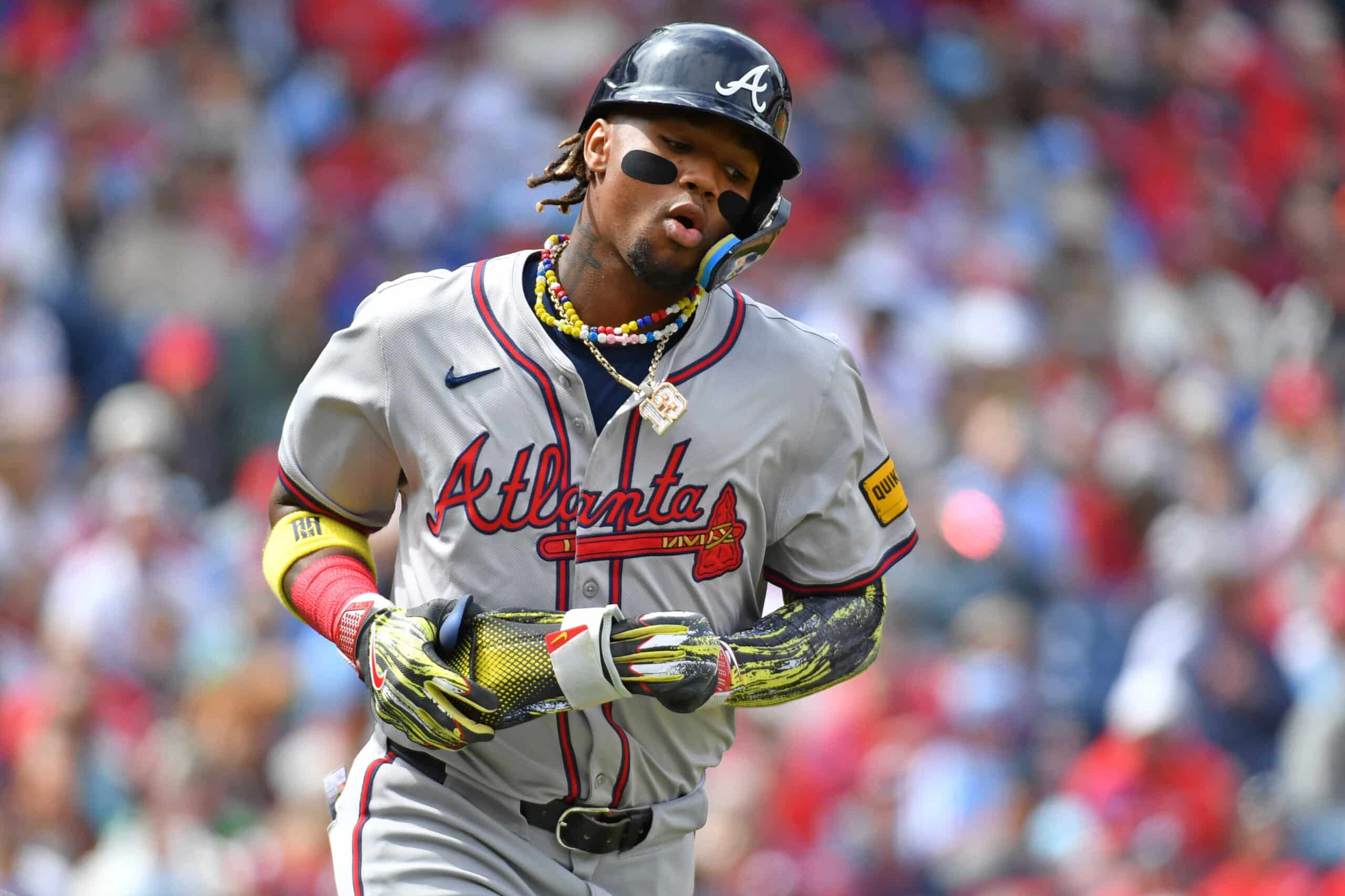
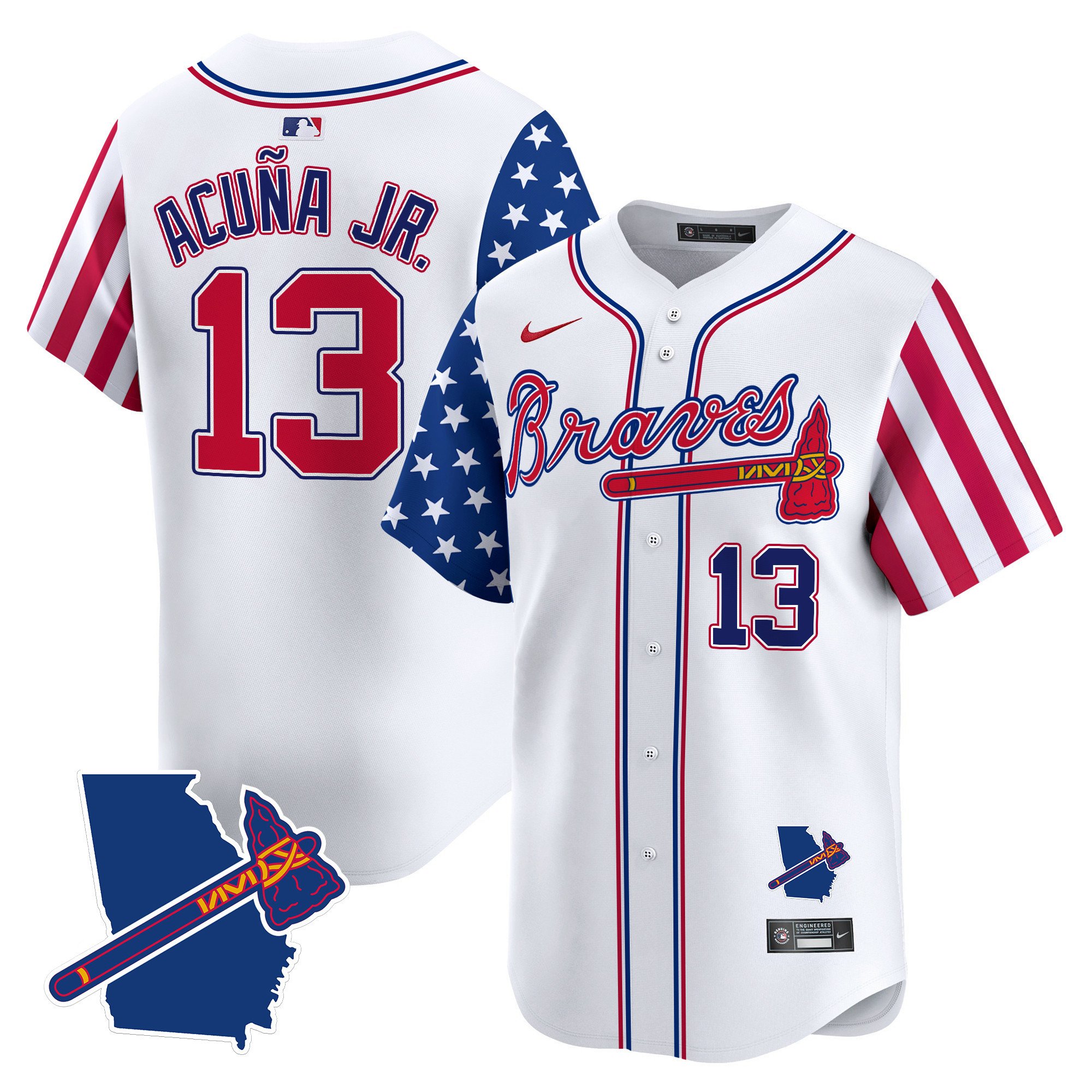
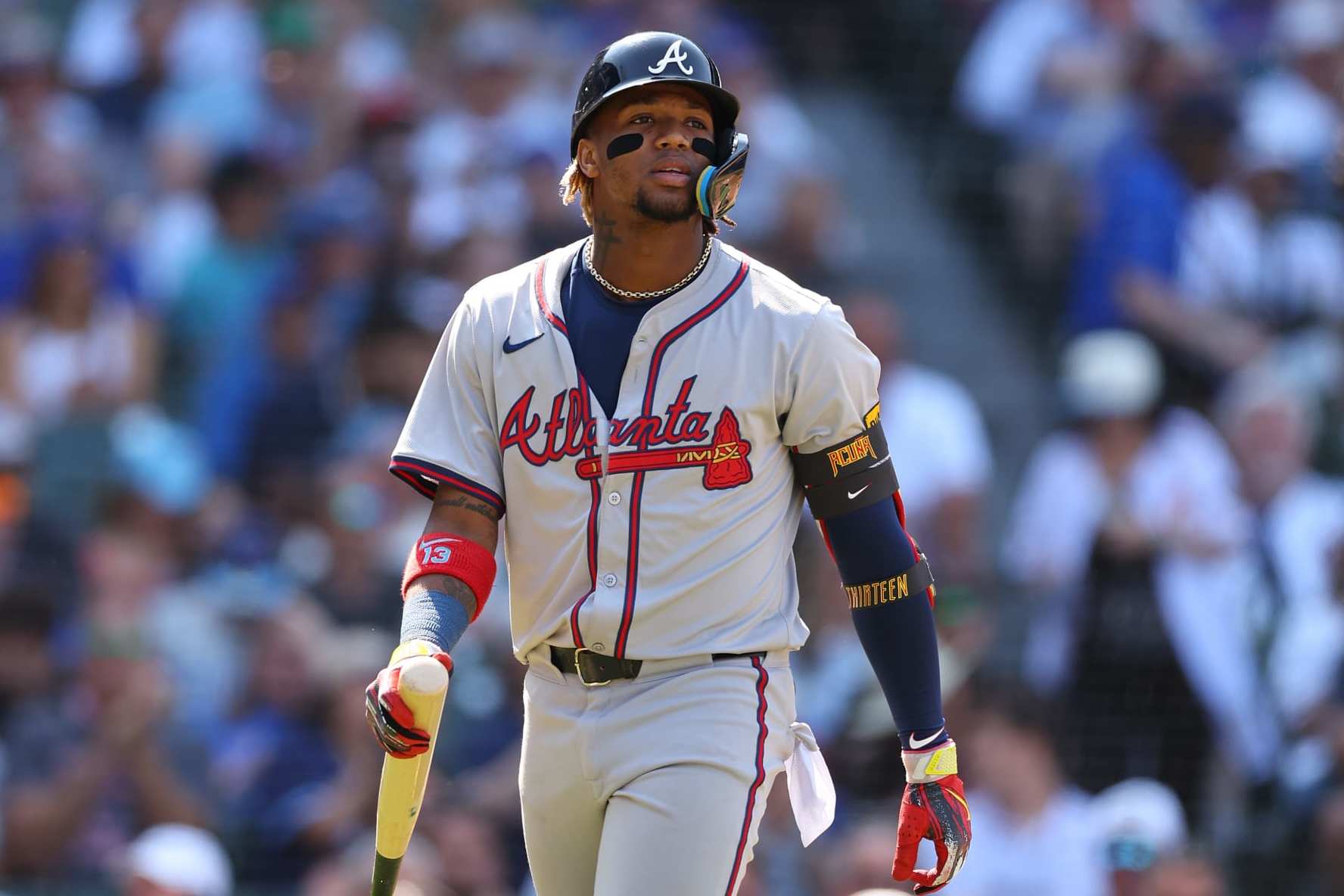
The Atlanta Braves' 2024 season, as we look back from 2026, remains one of the most poignant "what-if" chapters in the franchise's modern era. Entering the year with Ronald Acuña Jr. coming off a historic 40-home run, 70-stolen base MVP campaign, the Braves were the consensus favorites to dominate the National League. However, a season-ending ACL injury to Acuña in late May fundamentally altered the team's trajectory, transforming a quest for a World Series title into a grueling battle for postseason relevance.
While the 2024 season ultimately saw the Braves clinch a Wild Card spot, the loss of their foundational superstar exposed the vulnerabilities of a lineup built around high-velocity power and aggressive baserunning. Understanding the 2024 Braves requires a deep dive into how Acuña’s presence—and his sudden absence—redefined the team’s offensive identity, defensive configuration, and front-office strategy during a year of unprecedented physical adversity.
The Expectations: Building on the 40/70 Legacy
Coming into the 2024 season, the narrative surrounding the Atlanta Braves was centered entirely on the sustainable brilliance of Ronald Acuña Jr. In 2023, Acuña had rewritten the record books, becoming the founding member of the 40/70 club and winning the National League MVP award unanimously. For the 2024 Braves, Acuña wasn't just a player; he was the engine of an offense that had tied the major league record for team home runs in a single season (307) the year prior.
The technical expectation was that the Braves' lineup, featuring Acuña at the top followed by Ozzie Albies, Austin Riley, and Matt Olson, would continue to apply relentless pressure on opposing pitchers. From a tactical standpoint, Acuña’s 2023 success had forced pitchers to change how they approached the entire Atlanta order. With Acuña on first base, pitchers were forced to use slide steps and pick-off attempts, often leading to more fastballs in the heart of the plate for the hitters following him.
During the first two months of 2024, however, Acuña’s performance was statistically "human" compared to his historic 2023. While he remained a constant threat, his power numbers were lower, and the high-octane Braves offense as a whole seemed to be searching for its rhythm. Despite this, his presence alone maintained the structural integrity of the batting order, keeping the Braves at the top of the NL East standings through early May.
The Turning Point: May 26, 2024, in Pittsburgh
The trajectory of the Braves' 2024 season changed irrevocably during a Sunday afternoon game against the Pittsburgh Pirates at PNC Park. In the first inning, after hitting a double, Acuña attempted to return to second base on a standard move. His left knee buckled, and he collapsed to the turf in visible agony.
The medical diagnosis was the worst-case scenario: a complete tear of the anterior cruciate ligament (ACL) in his left knee. This was particularly devastating because it was the opposite knee of the one he had injured in 2021. For a player whose game is built on explosive lateral movement and elite sprinting speed, a second ACL tear at age 26 raised significant concerns about his long-term defensive range and baserunning aggression.
Immediate Impact on Team Logistics
The loss of Acuña forced Manager Brian Snitker into a chaotic restructuring of the daily lineup. The Braves didn't just lose a right fielder; they lost the most prolific leadoff hitter in the game.
- The Leadoff Void: The Braves experimented with several players in the leadoff spot, including Jarred Kelenic and Michael Harris II. None could replicate Acuña’s ability to turn a walk or a single into a scoring opportunity within two pitches.
- Defensive Reconfiguration: With Acuña out, the Braves had to rely on a rotation of Adam Duvall and eventually trade-deadline acquisition Jorge Soler. This led to a significant decrease in outfield range and arm strength, particularly in right field.
- Lineup Protection: Hitters like Matt Olson and Austin Riley saw a marked difference in the pitches they were offered. Without the threat of Acuña on base or looming at the top of the order, opposing pitchers could be more selective and tactical, leading to a season-long dip in the team's overall OPS (On-base Plus Slugging).
Statistical Comparison: The "Acuña Effect"
To understand the magnitude of the loss, we must look at the Braves' offensive output before and after the injury. While the 2024 team was also hampered by injuries to Spencer Strider, Ozzie Albies, and Austin Riley, the Acuña injury was the catalyst for the offensive stagnation.
| Metric | With Acuña (Pre-May 26) | Without Acuña (Post-May 26) |
|---|---|---|
| Runs Per Game | 4.65 | 4.12 |
| Team Batting Avg | .252 | .238 |
| Stolen Bases (Per 162) | 142 | 68 |
| Opposing Pitcher Fastball % | 54.2% | 48.1% |
| Record Pace | 95-Win Pace | 86-Win Pace |
The data illustrates a shift from an elite, high-pressure offense to a league-average unit that struggled to manufacture runs without the long ball. The drop in "Fastball %" is particularly telling; without Acuña on base, pitchers felt more comfortable utilizing breaking balls and off-speed pitches against the Braves' power hitters, who traditionally feasted on high-velocity strikes.
The Role of Chris Sale and the Pitching Staff
If there is a reason the 2024 Braves managed to stay afloat despite the Acuña injury, it was the historic resurgence of Chris Sale. While the offense struggled to find its identity, Sale delivered a Cy Young-winning performance that anchored the rotation. Alongside Reynaldo López and Max Fried, the Braves' pitching staff became the primary reason the team remained competitive in the Wild Card race.
Sale’s ability to provide "stopper" performances—winning games immediately following a loss—prevented the long losing streaks that often plague teams after losing a superstar. However, the technical burden on the bullpen increased significantly. Because the offense was scoring fewer runs, the margin for error for the pitching staff became razor-thin. The Braves played an inordinate number of one-run games in the summer of 2024, a direct consequence of the diminished offensive ceiling without Acuña.
Front Office Response: The 2024 Trade Deadline
General Manager Alex Anthopoulos, known for his aggressive 2021 deadline that fueled a World Series run after Acuña’s first injury, attempted a similar maneuver in 2024. The acquisition of Jorge Soler from the San Francisco Giants was a clear attempt to recapture the "Soler Power" of 2021 and provide a high-OBP presence at the top of the lineup.
While Soler provided some much-needed power, the 2024 deadline was different from 2021. In 2021, the Braves were adding pieces to a team that was underperforming its underlying metrics. In 2024, the team was fundamentally broken by injuries. The absence of Spencer Strider at the top of the rotation and the recurring injuries to the infield meant that no single trade could fully bridge the gap left by the reigning MVP.
Strategic Shifts in the National League East
The 2024 season also saw a shift in the divisional hierarchy. The Philadelphia Phillies took advantage of the Braves' instability, surging to a double-digit lead in the NL East by mid-summer. The technical gap between the two teams was most evident in their respective "top of the order" production. While the Phillies enjoyed a healthy Kyle Schwarber and Bryce Harper, the Braves were forced to play "matchup baseball," constantly platooning players in hopes of finding a spark.
This period was a masterclass in the importance of "Star Power" in modern baseball. While depth is important, the loss of a "Platinum-level" player like Acuña removes a team's ability to simplify the game. In 2023, the Braves' strategy was: "Acuña gets on, the middle of the order drives him in." In 2024, every run felt like a calculated, multi-step engineering project that frequently failed due to the lack of a dynamic catalyst.
The Mental and Emotional Toll
One aspect of the 2024 Braves that is often discussed by analysts in 2026 is the "vibes" or the emotional weight of the season. Acuña is the heartbeat of the clubhouse—an energetic, flamboyant presence who makes the game fun for his teammates. When he went down, a certain joy seemed to leave the dugout.
Players like Ozzie Albies, Acuña’s closest friend on the team, had to navigate the season while also dealing with their own injuries. The 2024 season became a test of professional resilience rather than a celebratory march. For fans, the season was a lesson in the fragility of a championship window. The Braves were technically proficient enough to remain a winning team, but they lacked the "invincibility" that Acuña provides.
FAQ: Reflections on the 2024 Season
How many games did Ronald Acuña Jr. play in 2024?
Ronald Acuña Jr. appeared in 49 games during the 2024 season before his injury on May 26. In those games, he recorded 48 hits, 4 home runs, and 16 stolen bases. While his pace was slower than his 2023 MVP season, he was still on track for a 15-HR/50-SB season at the time of the tear.
Who replaced Acuña in the Braves' lineup?
The replacement was a committee approach. Initially, Adam Duvall took over the majority of the starts in right field. Later, the Braves moved Jarred Kelenic into more prominent roles and eventually acquired Jorge Soler at the trade deadline to handle leadoff duties and right field/DH responsibilities.
Did the Braves make the playoffs in 2024?
Yes, the Braves secured a National League Wild Card spot on the final day of the season during a dramatic doubleheader against the New York Mets. However, their postseason run was short-lived, as the depleted roster struggled to generate offense in the Wild Card Series against the San Diego Padres.
Was the 2024 injury the same as his 2021 injury?
It was a similar injury (torn ACL) but in the other knee. In 2021, Acuña tore the ACL in his right knee while attempting a catch at the wall in Miami. In 2024, he tore the ACL in his left knee while running the bases in Pittsburgh. Having both knees surgically repaired is a significant milestone in a player's medical history.
How did the 2024 season affect Acuña’s legacy?
In hindsight (writing from 2026), the 2024 season is viewed as the "Great Interruption." It sparked intense debates about whether a player with his aggressive style could remain healthy over a 162-game season. However, it also underscored his value, as the Braves' offensive drop-off without him proved he was the most irreplaceable player in the National League.
Looking Forward: The Legacy of 2024
The 2024 Atlanta Braves season serves as a stark reminder that in Major League Baseball, the distance between a dynasty and a "rebuilding year" is often a single ligament. The team showed incredible grit to reach the postseason without their best pitcher (Strider) and their best hitter (Acuña), a testament to the culture established by Brian Snitker and the depth provided by Alex Anthopoulos.
For collectors, historians, and fans, the 2024 Acuña cards and memorabilia represent a "lost year"—a season that began with the promise of another MVP and ended in a surgical suite. Yet, the resilience shown by the organization during this period laid the groundwork for the structural adjustments seen in 2025 and 2026, where the team began to value versatile depth even more highly.
Next Action for Fans and Analysts: To truly understand the impact of Acuña’s 2024 absence, one should review the "Run Differential" of the Braves during the month of August 2024. Comparing this to the same period in 2023 provides a clear picture of how much harder the Braves had to work for every single victory without their leadoff star. As we move further into the 2026 season, the 2024 campaign remains the benchmark for "competitive perseverance" in the face of superstar loss.