Arthur Jones served as a formidable defensive presence for the Baltimore Ravens from 2010 to 2013, playing a pivotal role as a defensive end during a transformative era for the franchise. Drafted in the fifth round of the 2010 NFL Draft, Jones evolved from a rotational player into a critical starter, ultimately contributing to the team's successful run to victory in Super Bowl XLVII.
The Draft and Early Professional Development
The Baltimore Ravens selected Arthur Jones out of Syracuse University with the 157th overall pick in the 2010 NFL Draft. Entering the league as a fifth-round selection, expectations were tempered, yet the Ravens’ scouting department identified Jones as a versatile defensive lineman capable of playing both the five-technique defensive end position and interior tackle spots. This versatility was essential for the Ravens' 3-4 defensive scheme, which relied heavily on linemen who could absorb double teams to allow linebackers like Ray Lewis and Terrell Suggs to make plays.
During his rookie season, Jones faced the typical steep learning curve of an NFL transition. He appeared in only two games in 2010, spending much of the year on the practice squad and navigating the nuances of the professional game. However, the organization valued his work ethic and technical growth during team training sessions. By the 2011 season, Jones began to see more consistent action, appearing in 13 games and recording his first career sack. This period was characterized by incremental gains, as the coaching staff, led by defensive coordinator Chuck Pagano, integrated him into a rotation that prioritized fresh legs and specialized personnel packages.
Establishing a Starting Role
The 2012 season proved to be the turning point in Jones’ career with the Ravens. With veteran leadership transitioning and the defensive line unit requiring more stability, Jones earned a significant increase in snap counts. He appeared in 14 games and made a career-high seven starts during the regular season. His ability to hold the point of attack at the line of scrimmage against bigger offensive tackles became a hallmark of his playstyle.
Jones’ impact was not merely measured in statistics but in his reliability. In the AFC North, a division defined by physical, run-heavy football, the ability to control the gaps was paramount. Jones provided the Ravens with a durable body who could withstand the rigors of a 16-game schedule while remaining mobile enough to pressure the quarterback on passing downs. This consistency allowed the Ravens to maintain a top-tier defensive front, ensuring that the team remained competitive in a brutal division.
Contribution to the Super Bowl XLVII Championship
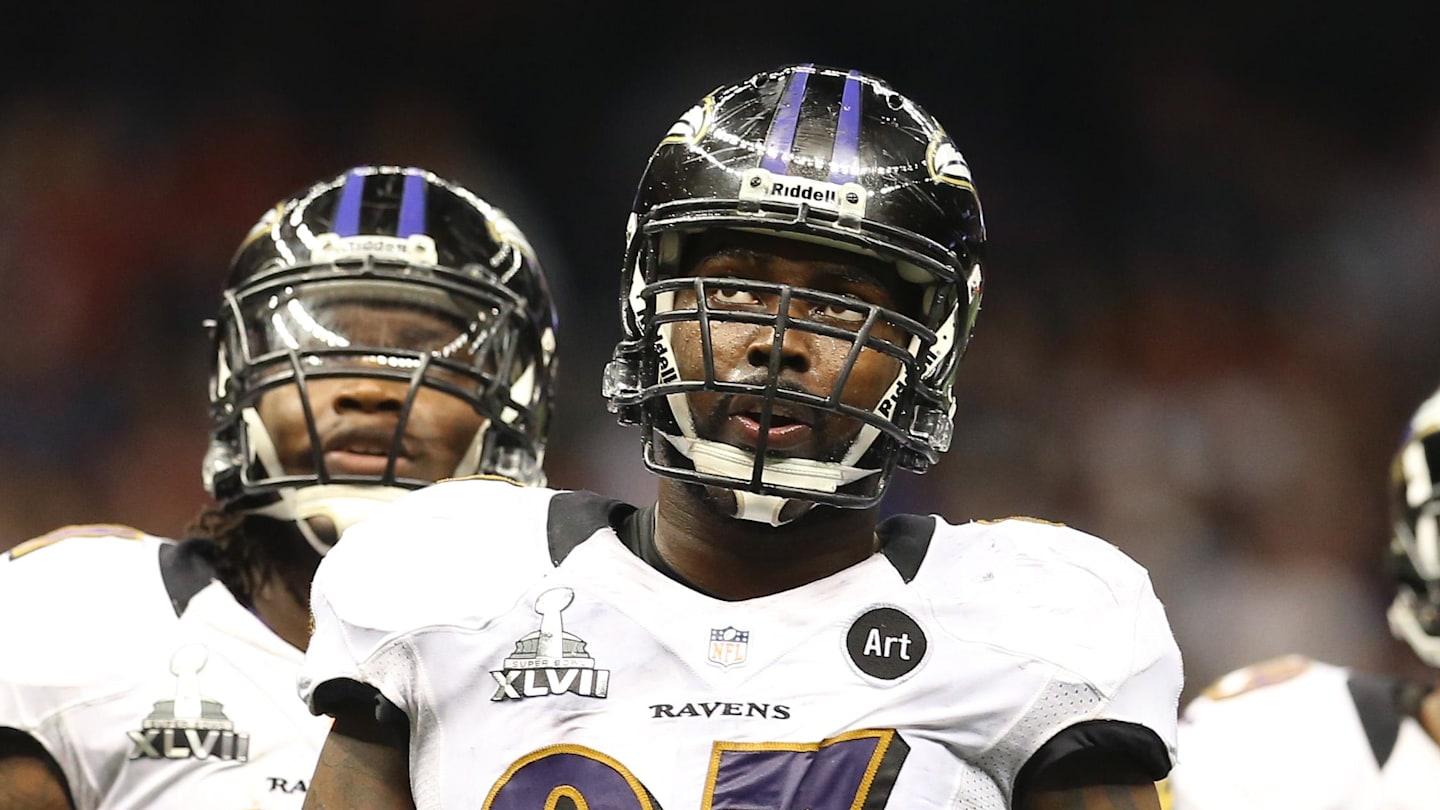
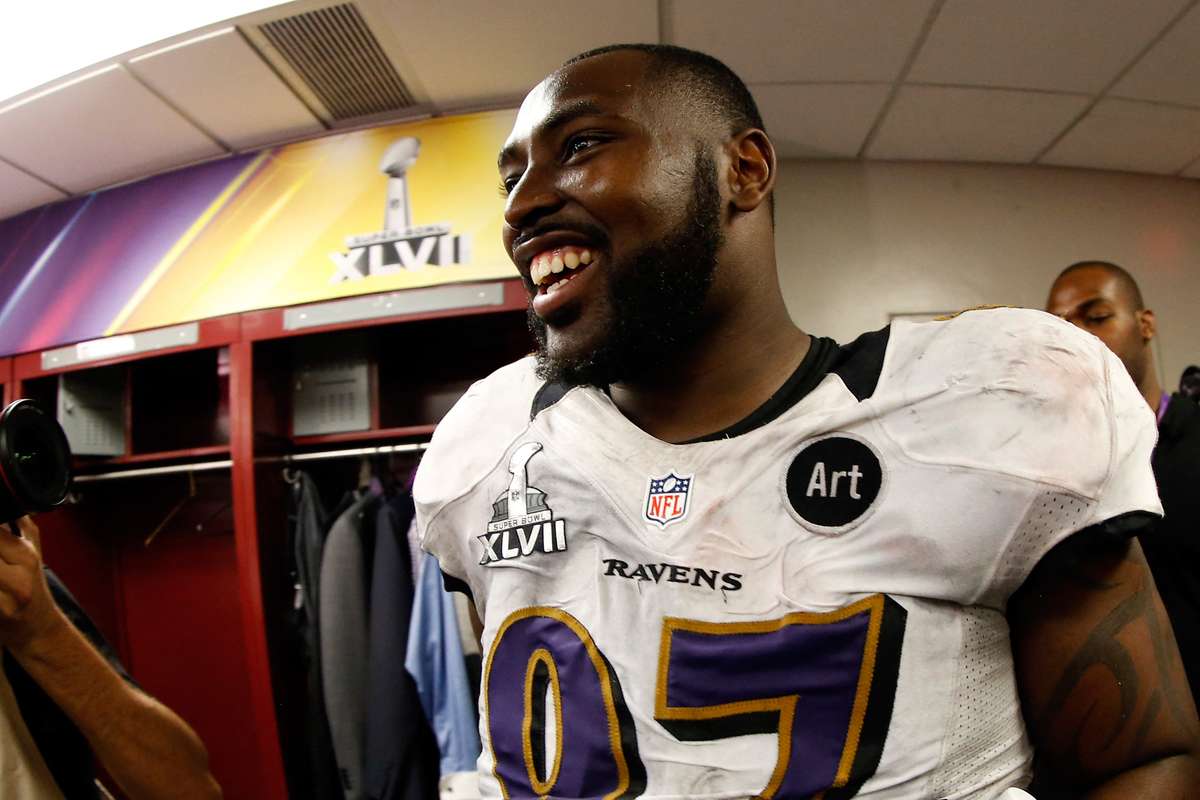
The highlight of Arthur Jones’ tenure with the Ravens is undoubtedly the 2012 postseason, which culminated in a Super Bowl XLVII victory over the San Francisco 49ers. Jones played a vital role throughout the playoff run, delivering high-energy performances against high-powered offenses.
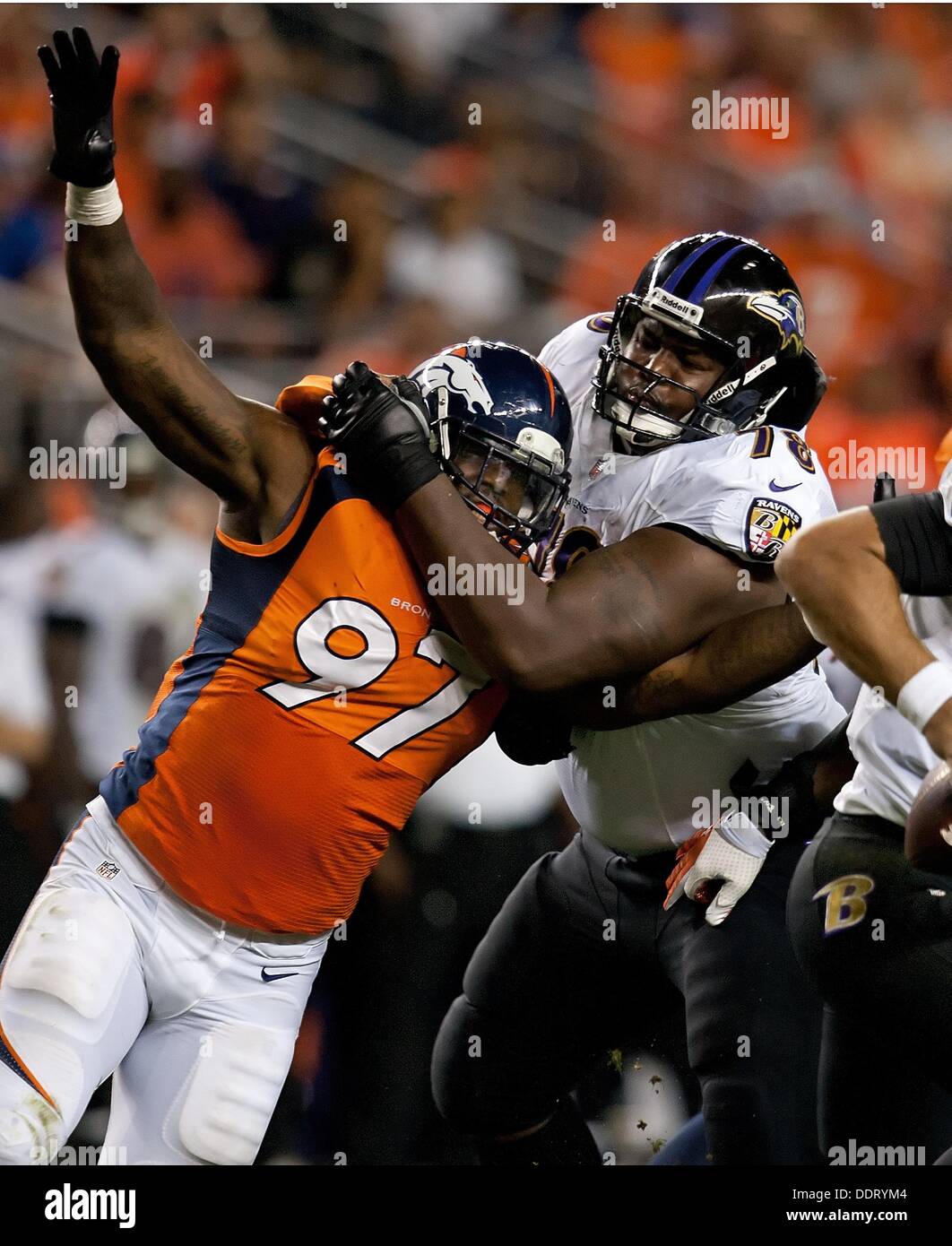
In the Divisional Round against the Denver Broncos, Jones was a disruptive force. In the Super Bowl itself, he recorded a critical sack on 49ers quarterback Colin Kaepernick, a play that shifted momentum during a narrow victory. Beyond the sack, his ability to execute complex assignments during the final defensive stands helped cement the Ravens’ status as world champions. For fans and analysts alike, this period remains the zenith of Jones’ time in Baltimore, as he proved that mid-round draft picks could blossom into essential contributors on a championship-caliber roster.
Technical Skill Set and Positional Versatility
Arthur Jones possessed a specific profile that made him highly effective within the Ravens' defensive framework. His skill set was defined by:
- Low Center of Gravity: Jones’ wrestling background in high school and college provided him with exceptional balance. He could utilize leverage to push back offensive linemen who were technically superior in size.
- Gap Integrity: Unlike defensive linemen who focus solely on rushing the passer, Jones understood the importance of maintaining his gap. This allowed the Ravens' linebackers to flow to the ball without being blocked by offensive linemen reaching the second level.
- Hand Fighting: Jones was known for his active hands. He utilized a variety of moves—specifically the swim and rip techniques—to disengage from blockers quickly, a trait that helped him accumulate tackles for loss throughout his career.
| Season | Games Played | Sacks | Fumble Recoveries |
|---|---|---|---|
| 2010 | 2 | 0 | 0 |
| 2011 | 13 | 1.0 | 0 |
| 2012 | 14 | 4.5 | 1 |
| 2013 | 14 | 4.0 | 1 |
Transition and Legacy in Baltimore
Following his four-year rookie contract, which concluded after the 2013 season, Jones became an unrestricted free agent. Given his strong performance in 2012 and 2013—where he started 13 games and notched four sacks—he became one of the most sought-after defensive linemen on the market. In March 2014, he signed a multi-year deal with the Indianapolis Colts, signaling the end of his tenure in Baltimore.
While he played for other franchises subsequently, his time in Baltimore is often viewed as his most productive and influential. He left behind a culture of discipline and a track record of performing under high-pressure scenarios. Many analysts reflect on his time as a classic example of the "Ravens Way"—identifying overlooked talent and developing it through a culture of rigorous coaching and team-first defensive strategy. Even today, in 2026, he is remembered by the Ravens’ faithful as an unsung hero of the 2012 championship season, a player whose contributions were essential to the defensive identity of the team during that period.
Frequently Asked Questions
1. Was Arthur Jones related to other NFL players? Yes, Arthur Jones is the brother of former NFL defensive tackle Chandler Jones and former UFC Light Heavyweight Champion Jon Jones. This athletic lineage is often noted in scouting reports, highlighting a family background rooted in elite physical conditioning and professional sports discipline.
2. What was Arthur Jones' primary position for the Ravens? While listed as a defensive end, he functioned primarily as a 3-4 defensive end. In the Ravens' hybrid system, this meant he lined up across from the offensive tackle, focused on stopping the run and collapsing the pocket, rather than serving purely as a pass-rushing specialist.
3. Why did the Baltimore Ravens not re-sign Arthur Jones in 2014? The departure was largely driven by the salary cap and market value. Jones’ performance during the 2012 and 2013 seasons increased his market value beyond what the Ravens, who were managing significant veteran contracts at the time, were prepared to offer. The NFL salary cap necessitates difficult personnel decisions, and the Ravens opted to move toward younger, cheaper talent at that position.
4. How does Arthur Jones’ performance compare to other Ravens defensive linemen of that era? Jones provided a balance of run defense and interior pressure that complemented stars like Haloti Ngata. While he may not have reached the Pro Bowl status of Ngata, his presence allowed the defensive unit to remain versatile, which was crucial for the team's defensive schemes between 2011 and 2013.
5. What is the lasting impact of the 2012 defensive front on the current Ravens roster? The philosophy of the 2012 defensive front—prioritizing disciplined, high-motor players who can contribute in multiple sub-packages—remains a cornerstone of the Ravens' scouting and development approach today. They continue to value players who demonstrate the same versatility and work ethic that Jones brought to the field.
Recommendation for Further Context
Readers interested in the tactical nuances of the 2012 Baltimore Ravens defense should review the "Inside the Film Room" series archived by the organization’s historical retrospectives. These breakdowns provide direct insight into how players like Jones utilized specific hand-fighting techniques and gap-discipline drills to stall elite offenses like the New England Patriots and the San Francisco 49ers during the postseason. Understanding these technical elements offers a more comprehensive view of why the 2012 defensive unit remains one of the most respected in the franchise's history.