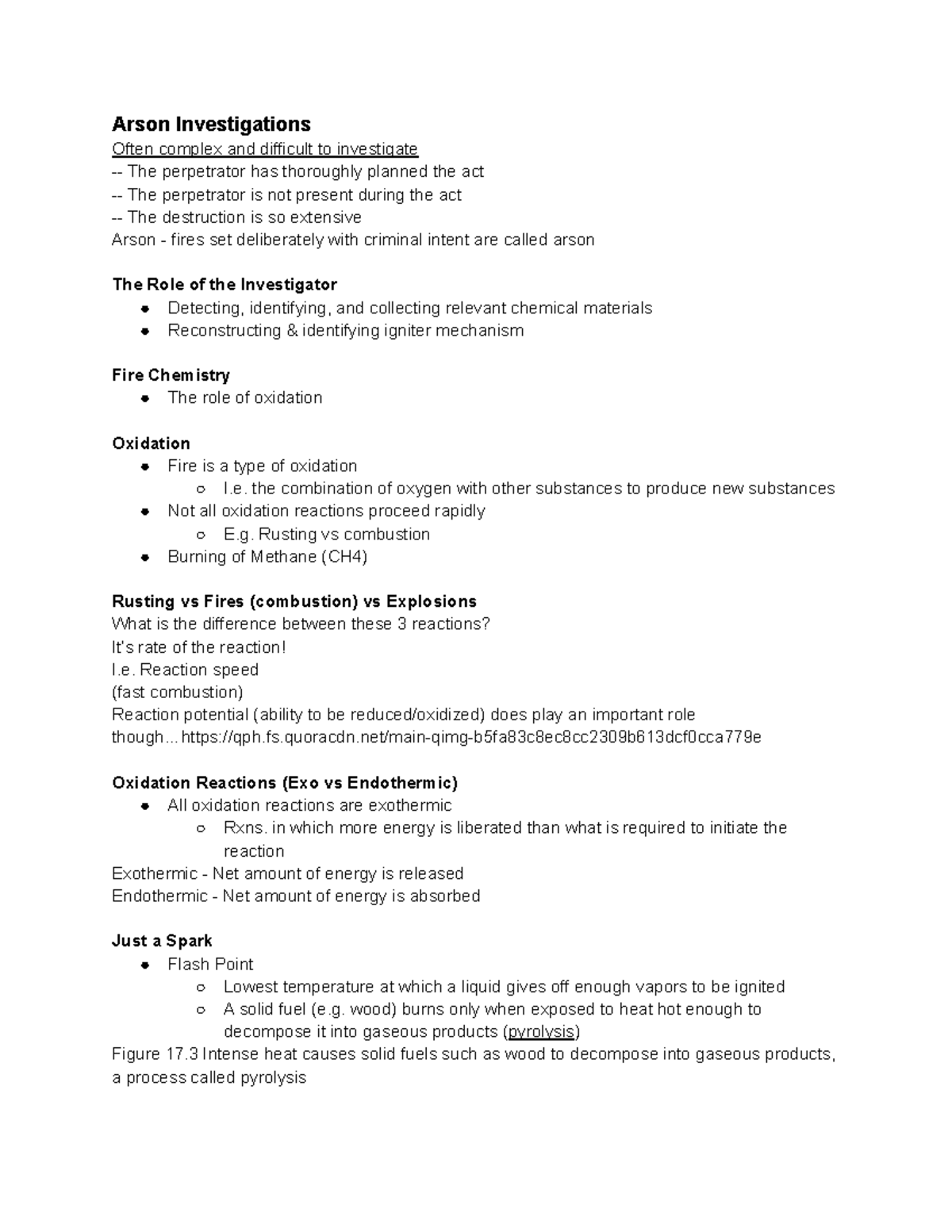
Arson investigation webquests—interactive digital learning modules used in classrooms and training programs—frequently perpetuate dangerous misconceptions about fire science popularized by television crime dramas, leading students to learn outdated, scientifically invalid indicators that modern forensic standards have long since discredited.
The Intersection of Digital Education and Forensic Science
Digital learning modules, commonly referred to as webquests, play a pivotal role in modern science and criminal justice curricula. By guiding students through simulated online scenarios, these self-guided investigations aim to teach critical thinking, evidence collection, and the scientific method. However, when educators deploy webquests centered on fire and arson investigation, a systemic vulnerability emerges: many instructional materials rely on folklore rather than rigorous physical science.
For decades, popular culture has romanticized the arson investigator as a master of intuition who can walk into a charred room and instantly read the "tells" of a criminal. Television shows routinely feature characters pointing out "pour patterns," "crazed glass," or "alligator charring" to declare a fire incendiary within seconds. Unfortunately, older curricula and unverified internet resources have codified these theatrical tropes into educational modules.
Understanding the distinction between valid forensic science and historical folklore is essential for students, educators, and aspiring investigators alike. The evolution of fire investigation from an art form rooted in rule-of-thumb heuristics to an empirical science governed by thermodynamic principles represents one of the most significant shifts in modern forensic history. To navigate an arson investigation webquest effectively, learners must be equipped to separate scientifically validated facts from persistent myths.
The Evolution of Fire Investigation: From Art to Science
Before examining specific myths, it is necessary to understand how fire investigation transformed into a hard science. Prior to the late 20th century, fire investigation relied heavily on the experiential knowledge of veteran firefighters and investigators. While these practitioners possessed valuable field experience, their methods lacked empirical validation through controlled scientific experimentation.
The Turning Point: Controlled Experiments and NFPA 921
During the 1980s and 1990s, controlled large-scale burn tests conducted by researchers, insurance agencies, and federal bodies began to systematically test traditional fire indicators. The results were startling: many long-held beliefs about how fires behave, spread, and leave marks were proven scientifically impossible.
This paradigm shift culminated in the publication of NFPA 921: Guide for Fire and Explosion Investigations by the National Fire Protection Association. First released in 1992 and regularly updated, NFPA 921 established the benchmark for scientific methodology in fire investigation. It mandates that investigators use the scientific method—forming hypotheses, testing them through empirical data, and avoiding confirmation bias—rather than relying on subjective intuition or unproven indicators.
When students engage with an arson investigation webquest, modern educational standards require that the curriculum aligns with NFPA 921 principles rather than pre-scientific folklore. Webquests that fail to update their content risk teaching students methods that are inadmissible in a modern court of law under the Daubert standard for expert testimony.
Debunking Top Arson Investigation Webquest Myths
Instructional modules often present several classic myths as infallible proof of arson. Recognizing these misconceptions is critical for analyzing webquest scenarios accurately.
Myth 1: Crazed Glass Proves Accelerated Fires
- The Myth: Webquests frequently claim that window glass exhibiting a network of fine, web-like cracks ("crazed glass") indicates a rapid, intense fire caused by liquid accelerants like gasoline.
- The Reality: Crazed glass is actually caused by rapid cooling, not rapid heating. If a hot window is struck by cool water from a firefighter's hose, or if cold outside air rushes into a room after a window frame burns away, the thermal shock creates crazing. It has no diagnostic value in determining whether an accelerant was used.
Myth 2: Alligator Charring Indicates Fast-Burning Accelerants
- The Myth: Thick, shiny, blistered char patterns resembling alligator skin are often taught in older materials as definitive proof of an accelerated fire or a "flash fire."
- The Reality: Alligator charring is simply the normal result of wood being exposed to high heat over time. The size and appearance of the blisters depend on the type of wood, moisture content, and the overall temperature of the fire compartment, not the presence of petroleum products. Slow, smoldering fires can produce the exact same blistering effect as fast-burning accelerant fires.
Myth 3: Pour Patterns Always Point to Arson
- The Myth: Irregular, puddle-shaped burn patterns on wooden subfloors or carpets are routinely presented in webquests as undeniable "pour patterns" left by criminals spilling fuel.
- The Reality: While liquid accelerants can leave distinct patterns, structural factors during a fully developed fire can mimic these marks perfectly. "Rollover," dripping melted plastics, localized ventilation changes, and the collapse of burning furniture can cause irregular burn patterns on floors. Modern standards require laboratory chemical analysis of floor samples to confirm the presence of ignitable liquids before an accelerant can be scientifically validated.
Comparative Analysis: Outdated Indicators vs. Modern Standards
To assist educators and students in evaluating webquest materials, the following table contrasts traditional misconceptions with contemporary scientific protocols established by NFPA 921.
| Mythical Indicator | Traditional (Outdated) Interpretation | Modern Scientific Reality (NFPA 921) |
|---|---|---|
| Crazed Glass | Indicates rapid temperature spikes from liquid accelerants. | Caused by rapid thermal cooling, typically from water hose streams. |
| Alligator Char | Proves the fire was intentionally fueled and burned extremely fast. | Normal wood carbonization resulting from exposure to sustained heat. |
| Pour Patterns | Definitive visual proof of flammable liquids poured on the floor. | Can be caused by localized collapse, ventilation shifts, or dripping plastics. |
| Spalling (Concrete) | Chipped concrete means gasoline was burned directly on the surface. | Caused by moisture expansion within the concrete when heated, or direct flame impingement. |
| Low Burns | Fire always burns upward; low burn marks mean multiple starting points. | Post-flashover fires and downward radiant heat frequently cause heavy low-level burning. |
The Danger of Flashover Ignorance in Digital Scenarios
A major shortcoming in poorly designed arson investigation webquests is the failure to account for flashover. Flashover is a transitional phase in a compartment fire where thermal radiation causes all combustible surfaces within a room to reach their ignition temperature simultaneously.
When a room reaches flashover—often occurring within minutes of ignition—the entire environment becomes engulfed in fire. Traditional investigators often misidentified multiple independent burn spots in a post-flashover room as separate points of origin (suggesting multiple coordinated arson locations). In reality, a flashover engulfs the compartment uniformly, destroying traditional visual indicators and creating generalized, severe charring throughout the space.
Webquests that ask students to identify a point of origin in a post-flashover room without accounting for compartment dynamics are teaching deeply flawed investigative logic. Students must learn that physical evidence must be analyzed within the context of fire ventilation, thermal layering, and room geometry.
Laboratory Analysis and Chemical Confirmation
A core tenet of modern fire investigation is that visual inspection alone cannot conclusively prove arson involving liquid accelerants. While visual cues can help investigators locate areas of interest, definitive proof requires scientific instrumentation.
Gas Chromatography-Mass Spectrometry (GC-MS)
When an investigator suspects that an accelerant was used, they collect debris samples from protected areas (such as carpet seams or porous subfloors) and seal them in specialized airtight containers or nylon bags. These samples are sent to a forensic laboratory, where forensic chemists utilize Gas Chromatography-Mass Spectrometry (GC-MS).
GC-MS separates the chemical components of a sample and identifies their molecular structures. This technique can detect minuscule traces of petroleum distillates—such as gasoline, kerosene, or lighter fluid—even after the fire has consumed the bulk of the liquid. High-quality webquests incorporate this laboratory verification step, teaching students that field observations must always be corroborated by physical evidence and chemical testing.
Practical Checklist for Evaluating Arson Investigation Webquests
For educators and students navigating digital learning resources, ensuring instructional accuracy is vital. Use the following checklist to evaluate whether an arson investigation webquest is scientifically sound or reliant on outdated myths:
- References NFPA 921: Does the module cite current National Fire Protection Association standards for fire and explosion investigations?
- Explains Flashover Dynamics: Does the scenario account for compartment fires, thermal radiation, and flashover before designating multiple points of origin?
- Demands Lab Confirmation: Does the webquest require chemical testing (like GC-MS) to confirm accelerants, rather than relying solely on visual burn patterns?
- Debunks Visual Folklore: Does the module avoid treating crazed glass, alligator char, and concrete spalling as definitive proof of arson?
- Employs the Scientific Method: Are students encouraged to test and falsify hypotheses rather than jumping to conclusions based on intuition?
Frequently Asked Questions
What is an arson investigation webquest?
An arson investigation webquest is an inquiry-based online learning activity where students use digital resources, simulated crime scenes, and virtual evidence to solve a hypothetical fire mystery. While engaging, older webquests often rely on unverified television tropes rather than actual forensic science.
Why are traditional fire indicators like crazed glass considered unreliable?
Controlled experiments demonstrated that crazed glass is caused by thermal shock from rapid cooling (such as water application) rather than rapid heating from accelerants. Because normal firefighting operations involve water streams, crazing occurs in accidental and intentional fires alike.
How has arson investigation changed in recent decades?
The field transitioned from subjective rule-of-thumb heuristics used by veteran investigators to an empirical science governed by thermodynamic principles, controlled burn testing, and strict adherence to standards like NFPA 921.
Can you prove arson using visual inspection alone?
No. While visual inspection helps narrow down the area of origin and identify potential burn patterns, modern forensic standards dictate that chemical accelerants must be confirmed via laboratory testing, such as Gas Chromatography-Mass Spectrometry.
What role does flashover play in modern investigations?
Flashover is the point where an entire room ignites simultaneously due to radiant heat. Recognizing flashover prevents investigators from mistakenly interpreting uniform room destruction as multiple intentional points of origin set by an arsonist.
Conclusion and Recommended Next Actions
Mastering fire science requires looking past cinematic portrayals and embracing empirical evidence. When engaging with an arson investigation webquest, learners should critically examine every piece of evidence, question unverified visual indicators, and demand adherence to established scientific standards like NFPA 921. Educators should audit their digital curricula to ensure students are learning defensible, modern forensic science. To take the next step, consult the current edition of NFPA 921 or review peer-reviewed literature from the National Institute of Standards and Technology (NIST) regarding modern fire dynamics.