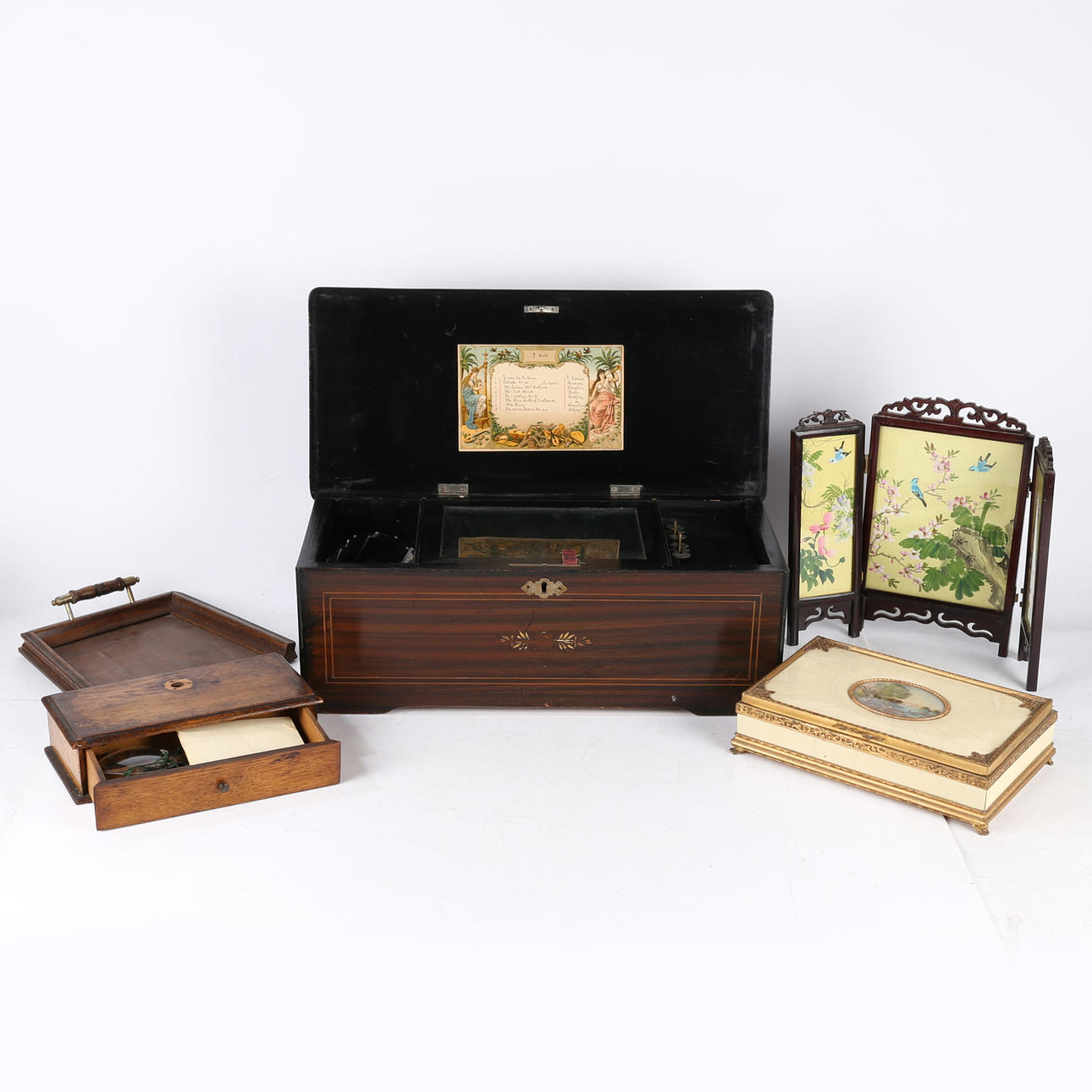
The Art Music Box Theatre represents a specialized intersection of mechanical horology and diorama art. These intricate objects typically feature a miniature stage, articulated figures driven by a clockwork cylinder or digital mechanism, and a synchronized musical accompaniment. Whether you are a collector, an enthusiast of mechanical art, or seeking to maintain a vintage piece, understanding the interplay between kinetic movement and auditory performance is essential for long-term preservation.
Defining the Art Music Box Theatre
The term "Art Music Box Theatre" refers to a specific category of automatons housed within a cabinet or proscenium-style enclosure. Unlike standard cylinder music boxes, which focus primarily on the auditory experience through a pinned barrel plucking a tuned steel comb, the theatre variant introduces a visual narrative.
These devices often date back to the 19th-century European tradition of boîtes à musique, though contemporary iterations incorporate high-fidelity digital audio players and precision-engineered laser-cut components. A typical theatre-style music box consists of three primary systems: the sound generation unit, the mechanical animation drive (often utilizing cam-followers and linkages), and the theatrical setting (the diorama).
Historical Context and Evolution
The lineage of the musical theatre box traces back to the workshops of Geneva and the Jura mountains of Switzerland. In the 1800s, artisans began experimenting with "dancing" figures that moved in synchronicity with the musical comb. By the early 20th century, these had evolved into elaborate stage scenes featuring puppetry and miniature architecture.
As of 2026, the market for these items is bifurcated. On one end, there is a robust trade in antique restorations involving original Swiss movements. On the other, there is a burgeoning DIY movement driven by laser-cutting technology and 3D printing. Understanding whether your object is an antique or a modern kit determines your approach to maintenance and valuation.
Core Components and Mechanical Principles
To engage with or repair an Art Music Box Theatre, one must understand how the internal choreography functions. The "intelligence" of these boxes lies in the camshaft.
- The Drive Train: A spring motor provides the energy, regulated by a governor (or air brake) to ensure constant speed. If the governor is fouled or the mainspring is fatigued, the music and the movement will experience "drag," leading to pitch distortion and erratic animation.
- The Animation Linkage: Beneath the stage floor, cams are mounted on a rotating shaft. These cams push vertical rods that connect to the feet or arms of the figures. The profile of the cam determines the gait or gesture of the figure.
- The Sound Engine: In traditional units, this is the pinned cylinder and the tuned steel comb. In modern units, this is often a microSD-based player or a bluetooth-integrated speaker system disguised within the proscenium.
Comparison of Music Box Theatre Types
| Feature | Antique Mechanical (c. 1880-1920) | Contemporary DIY/Kit Models |
|---|---|---|
| Animation Drive | Brass cams and wire linkages | Electric motor or gravity-fed gears |
| Sound Production | Steel comb and pinned cylinder | Digital chip/speaker or wind-up music module |
| Materials | Walnut, mahogany, cast steel, porcelain | Birch plywood, PLA plastic, laser-cut acrylic |
| Maintenance | Requires clockmaker expertise | User-serviceable with basic tools |
| Collector Value | High; subject to provenance | Low; value is in the assembly experience |
Essential Maintenance for Longevity
Whether an antique or a modern kit, an Art Music Box Theatre is sensitive to environmental factors. Mechanical components, particularly those made of brass or steel, are susceptible to oxidation.
Environmental Control Keep your theatre in a climate-controlled room. High humidity causes wooden cases to warp, potentially jamming the linkages that sit beneath the stage floor. Conversely, excessive dryness can lead to the cracking of veneer or the contraction of wooden internal gears, which can throw the timing of the animation out of sync.
Lubrication Protocols For antique movements, use only high-grade synthetic clock oil. Avoid generic household lubricants like WD-40, which leave residues that attract dust and harden over time, effectively gumming up the delicate escapement. For modern plastic-gear models, dry graphite or silicone-based lubricants are preferred to avoid chemical degradation of the polymers.
Troubleshooting Common Issues
When an Art Music Box Theatre stops functioning correctly, the fault usually lies in one of three areas: power delivery, mechanical obstruction, or synchronization drift.
- Failure to Start: If the key turns but no movement occurs, the issue is often a broken mainspring or a detached gear train. In vintage units, check if the "start-stop" lever has become bent through repeated use.
- Out of Sync Performance: This occurs when the music plays, but the figures move at the wrong time. In mechanical models, this is often due to the slippage of the drive gear on the camshaft. Tightening the set screw on the main drive gear usually resolves this.
- Auditory Distortion: A "twangy" or muffled sound suggests that the dampers on the comb are missing or the steel comb has shifted. Inspect the teeth for rust or debris; even a single dust particle can deaden the note.
Collecting and Investment Considerations
If you are looking to purchase an antique Art Music Box Theatre in 2026, be prepared for significant premiums regarding fully operational units. Provenance is the primary driver of value. Look for original "tune sheets" (the paper list attached to the lid detailing the songs) and ensure the comb is free of broken teeth, as replacing a comb involves custom metallurgy and is prohibitively expensive.
For the modern collector, prioritize models that utilize modular components. If a specific figure breaks, the ability to replace just that gear or figure without discarding the entire structure is a major advantage. Organizations such as the Musical Box Society International (MBSI) remain the definitive authorities for authentication and technical support for those interested in the preservation of the craft.
Frequently Asked Questions
How often should I wind my mechanical music box theatre? Wind your music box only until you feel firm resistance. Over-winding is the most common cause of mainspring failure. For antique boxes, winding once per day or per session is sufficient to maintain spring health.
Can I repair a broken tooth on a steel music box comb? Repairing a comb tooth is an advanced skill requiring precision welding and retuning of the metal. For most users, it is recommended to consult a professional horologist. Never attempt to "bend" a tooth back into place, as the stress will cause the metal to snap.
What is the best way to clean the stage area of a miniature theatre? Use a soft-bristled artist’s brush or a can of compressed air. Avoid liquid cleaners, as moisture can migrate into the internal clockwork and cause corrosion.
Are digital music box theatres considered "real" music boxes? The term is subjective. Purists define a music box by the physical plucking of a comb. However, in the context of "Art Music Box Theatre," the focus is on the performance and the animation. Digital units are widely accepted within the community as modern interpretations of the art form.
How do I protect my music box from pests? If the theatre contains wooden components or fabric dolls, keep it sealed in a display case. Common household pests, such as silverfish, are attracted to the old glues and organic materials often found in 19th-century models.
Is it safe to store a music box theatre for long periods? Always store a music box in an "unwound" state. Leaving a mainspring under full tension for months or years can cause the metal to lose its elastic memory, significantly shortening the play duration and power output of the device.
Final Recommendations
To maximize the value and functionality of your Art Music Box Theatre, maintain a regular "play schedule." Like any mechanical device, these boxes benefit from occasional operation to ensure the lubricants do not settle and that the gears remain seated correctly. If you own an antique model, document its serial number and any visible maker marks, and keep a record of any repairs performed. This log becomes an essential part of the piece’s history and significantly bolsters its long-term value. If you are building a modern kit, take the time to sand all friction points; the smoother the movement of the linkages, the less strain you place on the motor, leading to a much more reliable and graceful performance.