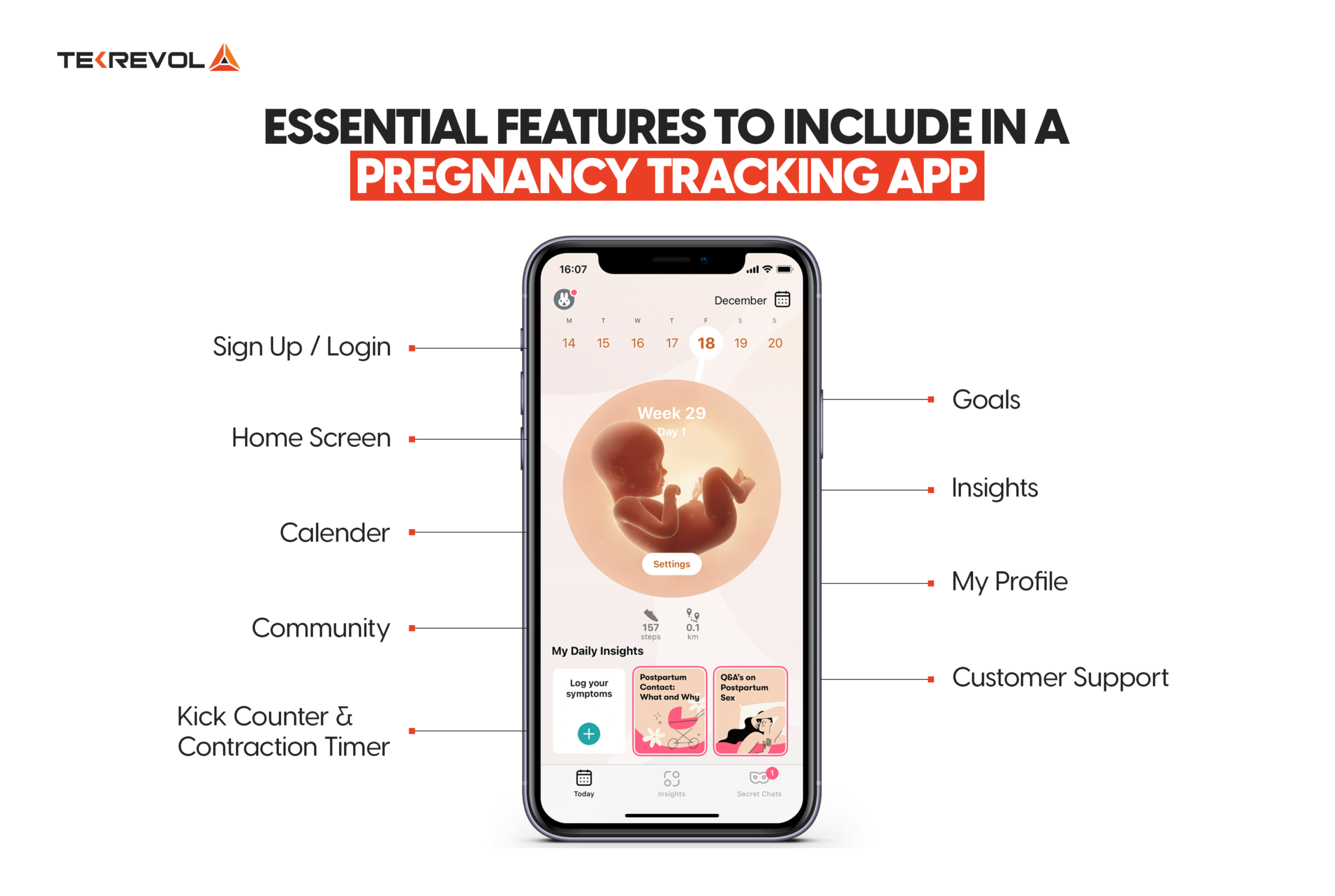
Apps for pregnant women serve as comprehensive digital companions that track fetal development, manage maternal health metrics, and provide evidence-based educational resources. In 2026, these platforms integrate sophisticated AI for personalized insights, symptom tracking, and community support, helping users navigate the journey from conception to postpartum recovery with confidence and clinical guidance.
The landscape of digital health has evolved significantly, making it easier than ever to carry a wealth of obstetric knowledge in your pocket. However, with thousands of options available in app stores, selecting the right tool requires an understanding of your specific needs—whether you prioritize medical accuracy, community connection, or health and fitness tracking. This guide explores the top-tier applications available in 2026, their technical features, and how to use them effectively for a healthy pregnancy.
The Evolution of Pregnancy Tracking in 2026
Pregnancy apps have transitioned from simple "size-of-a-fruit" trackers into complex health management systems. In 2026, the primary focus is on hyper-personalization. Modern apps do not just tell you what week you are in; they use data from your wearables (like smartwatches and rings) to monitor heart rate variability, sleep quality, and even early signs of complications like preeclampsia or gestational diabetes.
The integration of Large Language Models (LLMs) specifically trained on medical literature allows users to ask complex questions and receive nuanced, evidence-based answers. While these do not replace professional medical advice, they provide a much higher level of utility than the static FAQ pages of the past.
Clinical Accuracy and Sourcing
When choosing an app, the most critical factor is the source of its information. Top-rated apps in 2026 partner with organizations such as the American College of Obstetricians and Gynecologists (ACOG) or the Royal College of Obstetricians and Gynaecologists (RCOG) to ensure that every article, video, and tip is medically sound. Using an app with unverified content can lead to unnecessary anxiety or, worse, the dismissal of serious symptoms.
Top Pregnancy Apps: In-Depth Analysis
1. What to Expect
Derived from the world-renowned book series by Heidi Murkoff, the What to Expect app remains a dominant force in 2026. It excels in community building and relatable content.
- Key Features: The "Daily Tips" are tailored to your exact day of pregnancy. Its community forums are highly active and moderated to prevent the spread of misinformation.
- Visuals: It uses highly detailed 3D renderings to show fetal development, allowing parents to visualize the growth of organs and limbs in real-time.
- Best For: First-time mothers who want a mix of clinical info and emotional support.
2. BabyCenter
BabyCenter is often cited as the gold standard for visual tracking. By 2026, its "Is it Safe?" tool has become the industry benchmark, providing instant guidance on medications, foods, and activities.
- Key Features: The app features an award-winning "Birth Class" video series that prepares parents for various delivery scenarios.
- Social Integration: It allows for "Birth Clubs," where users are grouped by their due-date month, fostering long-term peer relationships that often last well into the toddler years.
- Best For: Users who prefer high-quality video content and structured educational paths.
3. Ovia Pregnancy Tracker
Ovia Health focuses on the data-driven user. It is frequently offered as a premium benefit through corporate health insurance plans because of its focus on clinical outcomes.
- Technical Depth: Ovia allows for the tracking of hundreds of data points, including blood pressure, glucose levels, and cervical position. This data can be exported into a "Health Summary" report for your OB-GYN or midwife.
- Algorithm-Driven Insights: It uses proprietary algorithms to flag "red flag" symptoms, prompting the user to contact a healthcare provider immediately.
- Best For: Those managing high-risk pregnancies or users who love detailed data visualization.
4. Pregnancy+ (Philips)
Created by Philips, Pregnancy+ offers one of the most beautiful user interfaces in the 2026 market. It is highly customizable and supports multi-language interfaces, making it a global favorite.
- Interactive Models: Users can interact with a life-size model of their baby, seeing exactly how the fetus fits within the mother's body at various stages.
- Utility Tools: It includes a robust contraction timer, a kick counter, and a comprehensive hospital bag checklist.
- Best For: Visual learners and international users who want a sleek, modern interface.
Specialized Apps for Wellness and Mental Health
Pregnancy is as much a mental and physical challenge as it is a biological one. In 2026, specialized apps have emerged to address specific areas of prenatal care.
Prenatal Fitness and Pelvic Health
Apps like Every Mother or Bloom focus specifically on the musculoskeletal changes of pregnancy. They provide guided workouts designed to prevent Diastasis Recti (abdominal separation) and strengthen the pelvic floor. These apps are crucial because they adapt workouts based on your trimester, ensuring you aren't performing exercises that could cause injury or strain.
Mental Health and Mindfulness
GentleBirth and the pregnancy-specific tracks on Headspace provide guided meditations and "hypnobirthing" techniques. These tools are designed to lower cortisol levels and prepare the mind for the intensity of labor. Scientific studies have shown that consistent mindfulness practice during pregnancy can reduce the risk of postpartum depression.
Privacy and Data Security in 2026
In the current landscape, the privacy of reproductive health data is a paramount concern. Users must be diligent about how their information is stored and shared.
The "Privacy First" Checklist
Before downloading and entering your Last Menstrual Period (LMP) or health data, verify the following:
- End-to-End Encryption: Does the app encrypt your data locally on your device, or is it stored in a searchable format on a cloud server?
- Data Selling Policies: Explicitly check the privacy policy to ensure your health data is not being sold to third-party advertisers or insurance companies.
- Delete Means Delete: Ensure the app allows for the total deletion of your account and all associated health records upon request.
- Anonymous Mode: Some apps, like Flo, now offer an "Anonymous Mode" where no personally identifiable information (PII) is linked to your health data.
Comparing the Top Pregnancy Apps of 2026
| App Name | Primary Focus | Cost Model | Key Technical Feature | Privacy Rating |
|---|---|---|---|---|
| What to Expect | Community & Education | Ad-Supported (Free) | AI-Personalized Content | High |
| Ovia Pregnancy | Health Metrics & Data | Free / Employer Sponsored | Clinical Report Export | Very High |
| BabyCenter | Educational Media | Free | "Is it Safe?" Database | High |
| Pregnancy+ | 3D Visualization | Freemium | Life-size Fetal Models | Medium |
| GentleBirth | Mental Preparation | Subscription | Hypnobirthing Audios | High |
| Every Mother | Physical Therapy | Subscription | Diastasis Recti Prevention | High |
Technical Requirements and Setup
To get the most out of a pregnancy app in 2026, you should follow a specific setup process. Most modern apps require iOS 18+ or Android 15+ to run the latest AI and AR (Augmented Reality) features.
- Input Accurate Baseline Data: Use the date of your last period or your confirmed conception date from an ultrasound. This ensures the milestones align with your medical provider's timeline.
- Sync with Wearables: If you use an Apple Watch, Oura Ring, or Garmin, enable the "HealthKit" or "Google Fit" permissions. This allows the app to automatically track your resting heart rate and sleep, which are vital indicators of pregnancy health.
- Enable Critical Notifications: Turn on notifications for "Daily Highlights" or "Symptom Alerts," but consider muting "Community Discussion" alerts if they become overwhelming.
- Invite a Partner: Most apps now offer a "Partner Sync" mode. This allows your partner to receive updates on the baby's size and suggestions on how they can support you during each specific week.
Addressing "App Fatigue" and Anxiety
While these tools are helpful, they can occasionally contribute to "information overload." Some users find that tracking every symptom leads to increased health anxiety.
Expert Recommendation: If you find yourself checking the app multiple times a day or feeling distressed by the "what could go wrong" articles, limit your usage. Set a specific time—perhaps once a week—to read the update for your current stage and ignore the daily notifications. Remember that every pregnancy is unique, and "average" metrics provided by an app are just that—averages.
Frequently Asked Questions
Are pregnancy apps considered medical devices?
Most pregnancy apps are categorized as "Wellness" or "Educational" tools and are not FDA-cleared medical devices. While they provide health information, they do not diagnose conditions. However, some specific features, like those tracking fetal heart rate via external hardware, may fall under stricter regulatory oversight. Always consult your doctor for medical concerns.
Can I trust the "Due Date" calculator in these apps?
The due date provided by an app is an estimate based on the Naegele's Rule (LMP + 280 days). It is often updated after your first-trimester dating ultrasound. You should manually override the app’s date once your healthcare provider gives you a "confirmed" due date, as ultrasound measurements in the first trimester are the most accurate way to date a pregnancy.
Do these apps work for twin or multiple pregnancies?
Many top apps, including Pregnancy+ and What to Expect, now have a "Multiples" mode. This adjusts the advice regarding weight gain, nutrition, and common symptoms, which differ significantly when carrying more than one baby. When setting up your profile, look for the "I'm having multiples" toggle in the settings menu.
Is my data safe if I live in a region with strict reproductive laws?
This is a critical issue in 2026. If you are concerned about legal data privacy, look for apps that offer Local Storage Only or Anonymous Mode. Apps based in the European Union (governed by GDPR) generally have stricter data protection requirements than those based elsewhere. Always read the "Data Disclosure" section of the privacy policy to see if the company complies with subpoenas for health data.
Can I use these apps for postpartum recovery?
Yes, most major pregnancy apps transition into "Baby" or "Postpartum" mode once you enter a birth date. They shift focus to tracking breastfeeding/feeding intervals, sleep training, and maternal recovery, including postpartum depression screenings (EPDS).
Final Recommendation for 2026
For the best overall experience, we recommend a two-app strategy. Use one comprehensive tracker like BabyCenter or What to Expect for daily updates, community support, and educational videos. Supplement this with a specialized health tool like Ovia Pregnancy or a fitness app like Every Mother if you have specific health goals or are managing a high-risk condition.
Regardless of which app you choose, treat it as a secondary resource. The most important "app" is the direct line of communication between you and your obstetrician or midwife. Use the data gathered in your apps to facilitate better conversations during your prenatal appointments, rather than using the app to self-diagnose.