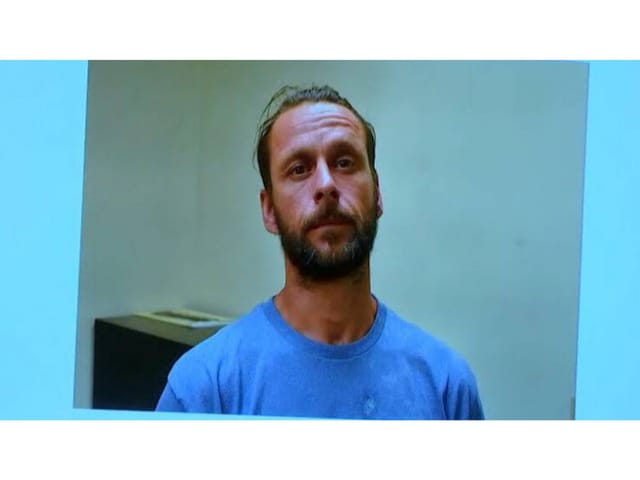
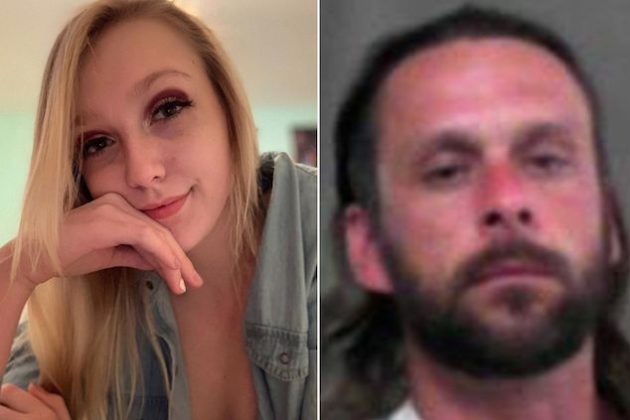
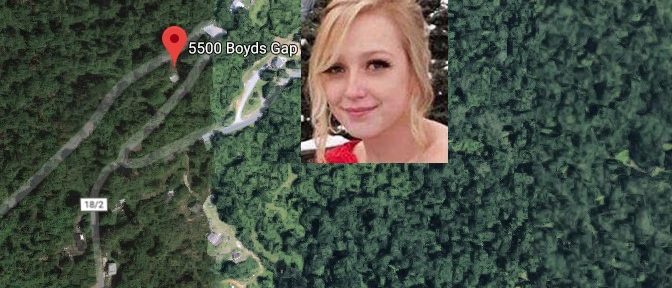
The case of Andy J. McCauley Jr. involves the 2019 kidnapping and murder of 15-year-old Riley Crossman in Berkeley Springs, West Virginia. McCauley, the boyfriend of Riley’s mother, was convicted in 2021 of first-degree murder, child neglect resulting in death, and concealment of a deceased body. As of 2026, he continues to serve a sentence of life imprisonment without the possibility of parole, marking one of the most harrowing instances of household-based violence in recent state history.
The Disappearance of Riley Crossman: A Community in Crisis
The tragedy began on May 8, 2019, when Riley Crossman was reported missing by her mother, Chantel Oakley. Riley, a student at Berkeley Springs High School, had last been seen the previous evening. The disappearance immediately struck a chord with the small community of Berkeley Springs, leading to massive volunteer search efforts and a multi-agency law enforcement mobilization.
Initial reports indicated that Riley had been texting her boyfriend late into the night of May 7. When she failed to show up for school the following morning, the alarm was raised. However, because there was no immediate evidence of a forced entry or a struggle, the case was initially treated with the cautious protocols of a missing person investigation. It was only as the hours turned into days that the focus shifted toward a more sinister reality.
During this period, Andy J. McCauley Jr., who lived in the same household as Riley and her mother, was among those questioned. His behavior during the early days of the search was noted by investigators as inconsistent. While the community searched the woods and riverbanks, detectives began scrutinizing the movements of the adults closest to Riley. This scrutiny eventually revealed a timeline of events that placed McCauley in a position of extreme suspicion, transforming a missing person case into a homicide investigation.
The Forensic Breakthrough and Investigation
The investigation into Andy J. McCauley Jr. was characterized by meticulous forensic work and the analysis of digital footprints. Law enforcement utilized GPS data from McCauley’s work vehicle, a green truck owned by a local construction company. The tracking data showed that on the morning Riley went missing, McCauley’s truck made an unscheduled trip to a remote area in Berkeley County.
This data was the catalyst for the discovery of Riley’s remains. On May 16, 2019, eight days after she was reported missing, her body was found on a steep embankment along Tuscarora Pike. The location matched the GPS pings from McCauley’s truck. The physical evidence at the scene was equally damning. Investigators found drywall dust on Riley’s body and clothing, a substance that was also prevalent in McCauley’s work truck and on the clothes he wore that day.
Further complicating the "tragic custody" aspect of this case was the discovery of McCauley’s drug use. Toxicology reports and witness statements revealed that McCauley had been using illegal substances, including cocaine and fentanyl, around the time of the murder. This environment of substance abuse within the home created a volatile and dangerous atmosphere for a minor, highlighting the catastrophic failure of the household's protective role. The presence of these substances provided a potential motive or at least a contributing factor to the irrational and violent behavior exhibited by the defendant.
Trial and Conviction: The Legal Reckoning
The trial of Andy J. McCauley Jr. took place in September 2021 in Morgan County Circuit Court, presided over by Judge Debra McLaughlin. The prosecution, led by Morgan County Prosecuting Attorney Catie Wilkes Delligatti, presented a case built on circumstantial evidence that, when taken together, left no room for reasonable doubt.
Key pieces of evidence presented to the jury included:
- The Drywall Dust: Experts testified that the specific type of construction debris found on Riley’s body was a chemical match to the materials McCauley was handling at his job site.
- CCTV Footage: Surveillance video from several businesses showed McCauley’s truck moving toward the location where the body was found at times that contradicted his original statements to police.
- The Cadaver Dog Alerts: Specialized K9 units alerted investigators to the scent of human remains in the bed of McCauley’s work truck.
- Digital Evidence: Riley’s phone went silent at a time that coincided with McCauley’s presence in the home, while his own phone showed him moving toward the disposal site.
In October 2021, the jury returned a verdict of guilty on all counts: first-degree murder, death of a child by a parent, guardian, or custodian by child neglect, and concealment of a deceased body. The sentencing phase was equally somber. Under West Virginia law, a conviction for first-degree murder carries a life sentence, but the jury has the power to recommend "mercy," which would allow for the possibility of parole after 15 years. In McCauley’s case, the jury declined to recommend mercy. Consequently, Judge McLaughlin sentenced him to life in prison without the possibility of parole, plus additional years for the concealment and neglect charges.
Analyzing the "Tragic Custody" Context
The phrase "tragic custody" often surfaces in discussions of this case because it underscores the vulnerability of children in blended or non-traditional household structures where a "de facto" guardian lacks the biological or legal bond to the child. While McCauley was not Riley’s biological father, his role as the mother's live-in partner placed him in a position of trust and authority—a "custodial" role in the eyes of the law regarding child neglect.
The failure of the "custody" in this case was two-fold:
- The Failure of Protection: The household environment allowed a person with a history of substance abuse and potential predatory behavior to have unfettered access to a teenager.
- The Legal Definition of a Custodian: West Virginia law specifically addresses "child neglect resulting in death" by a "guardian or custodian." The prosecution successfully argued that by living in the home and participating in the household's daily life, McCauley assumed a custodial responsibility that he violently violated.
This case prompted widespread discussion about "red flags" in domestic partnerships and the importance of background awareness when bringing new partners into a home with children. It served as a painful reminder that the most significant threats to child safety often come from within the domestic circle rather than from strangers.
Case Timeline and Key Milestones
The following table summarizes the critical dates and events surrounding the Andy J. McCauley Jr. case and the subsequent legal outcomes.
| Date | Event | Significance |
|---|---|---|
| May 7-8, 2019 | Riley Crossman disappears | The last known contact with the victim and the start of the search. |
| May 16, 2019 | Discovery of Remains | Riley's body is found in Berkeley County based on GPS data. |
| May 16, 2019 | Arrest of McCauley | McCauley is charged immediately following the discovery of the body. |
| September 2021 | Criminal Trial | A multi-week trial presenting forensic and circumstantial evidence. |
| October 1, 2021 | Conviction | Jury finds McCauley guilty on all three felony counts. |
| October 2021 | Sentencing | McCauley is sentenced to life without mercy. |
| 2022 - 2026 | Appeals Process | Standard post-conviction motions; original sentence remains upheld. |
Impact on West Virginia Policy and Community Safety
Following the conviction, the community of Berkeley Springs and the broader state of West Virginia saw a push for better notification systems and increased awareness regarding child safety. While "Riley’s Law" is a term often used in various contexts across different states, in West Virginia, Riley Crossman’s legacy is tied to advocacy for more stringent monitoring of missing children reports and the implementation of immediate "critical missing" protocols even when evidence of an abduction is not immediately apparent.
As of 2026, Riley’s story is frequently cited in domestic violence and child advocacy training modules. It highlights the intersection of drug addiction and violent crime, pushing local governments to invest more in addiction recovery resources as a preventive measure against domestic tragedies. The case also reinforced the importance of the "Every Student Succeeds Act" (ESSA) and local school board policies regarding unexcused absences, ensuring that schools act as a secondary safety net for children who fail to appear for class.
Understanding the Legal Grounds for "Life Without Mercy"
The "Life Without Mercy" sentence is the most severe penalty available in West Virginia, which does not have the death penalty. To secure this sentence, the prosecution had to demonstrate not just the act of murder, but a level of depravity and a lack of remorse that warranted permanent removal from society.
During the sentencing, the court heard from Riley’s family, who spoke of the vibrant life that was cut short and the betrayal of trust that facilitated the crime. The judge’s decision to follow the jury’s recommendation for no mercy was influenced by the evidence of McCauley's attempts to hide his tracks and his perceived indifference to the suffering of Riley’s mother while the search was ongoing. In the years following 2021, McCauley’s legal team has filed various motions for a new trial, citing procedural concerns, but these have largely been unsuccessful as the forensic evidence remains an insurmountable hurdle for the defense.
FAQs: The Andy J. McCauley Jr. Case
What was the motive behind the murder of Riley Crossman?
While a specific motive is rarely "proven" in a way that satisfies the public's need for understanding, the prosecution highlighted McCauley's drug-addled state and potential predatory interests. Evidence suggested a pattern of inappropriate interest in Riley, and the volatile nature of his substance abuse likely escalated a confrontation or a planned assault into a homicide.
Is Andy J. McCauley Jr. eligible for parole?
No. Under the "Life Without Mercy" sentence handed down in 2021, McCauley is not eligible for parole. He will remain in the West Virginia Division of Corrections and Rehabilitation for the remainder of his natural life, barring a successful and highly unlikely future legal appeal or executive clemency.
Where is Andy J. McCauley Jr. currently incarcerated?
As of 2026, McCauley is held in a maximum-security facility within the West Virginia state prison system. For security and privacy reasons, specific inmate transfers are not always publicized, but he remains under the highest level of supervision provided by the state.
What happened to Riley’s mother, Chantel Oakley?
Chantel Oakley was never charged in connection with the murder. She has been vocal about her grief and the deception she suffered at the hands of McCauley. In the years since the trial, she has occasionally participated in memorial events for her daughter, though she has largely sought to maintain a private life following the intense media scrutiny of 2019 and 2021.
How did drywall dust become a key piece of evidence?
McCauley worked in construction and had been using a specific type of joint compound and drywall materials at a job site. The particles found on Riley’s body were microscopic but chemically identifiable. Because Riley had not been to the job site, there was no innocent explanation for how those specific particles ended up on her remains and in the bed of McCauley’s truck.
Final Recommendations for Household Safety
The Andy J. McCauley Jr. case is a somber lesson in the importance of household vigilance and the rigorous vetting of those who share a home with children. For parents and guardians, this case highlights the necessity of:
- Vetting Live-in Partners: Recognizing that the safety of children must take precedence over the privacy or comfort of a partner.
- Monitoring Household Stability: Being aware of substance abuse signs and removing children from environments where drug use is present.
- Encouraging Open Communication: Ensuring children have a "safe person" outside the immediate household (such as a teacher, counselor, or biological relative) to whom they can report feeling uncomfortable or unsafe.
- Legal Awareness: Understanding that under many state laws, including West Virginia’s, any adult living in a home can be held legally responsible for the "care and custody" of the children therein, making them liable for neglect if they fail to provide a safe environment.
The memory of Riley Crossman continues to drive community efforts in West Virginia to protect the vulnerable, ensuring that such a "tragic custody" failure is never repeated.